English
- Afrikaans
- Albanian
- Amharic
- Arabic
- Armenian
- Azerbaijani
- Basque
- Belarusian
- Bengali
- Bosnian
- Bulgarian
- Catalan
- Cebuano
- Corsican
- Croatian
- Czech
- Danish
- Dutch
- English
- Esperanto
- Estonian
- Finnish
- French
- Frisian
- Galician
- Georgian
- German
- Greek
- Gujarati
- Haitian Creole
- hausa
- hawaiian
- Hebrew
- Hindi
- Miao
- Hungarian
- Icelandic
- igbo
- Indonesian
- irish
- Italian
- Japanese
- Javanese
- Kannada
- kazakh
- Khmer
- Rwandese
- Korean
- Kurdish
- Kyrgyz
- Lao
- Latin
- Latvian
- Lithuanian
- Luxembourgish
- Macedonian
- Malgashi
- Malay
- Malayalam
- Maltese
- Maori
- Marathi
- Mongolian
- Myanmar
- Nepali
- Norwegian
- Norwegian
- Occitan
- Pashto
- Persian
- Polish
- Portuguese
- Punjabi
- Romanian
- Russian
- Samoan
- Scottish Gaelic
- Serbian
- Sesotho
- Shona
- Sindhi
- Sinhala
- Slovak
- Slovenian
- Somali
- Spanish
- Sundanese
- Swahili
- Swedish
- Tagalog
- Tajik
- Tamil
- Tatar
- Telugu
- Thai
- Turkish
- Turkmen
- Ukrainian
- Urdu
- Uighur
- Uzbek
- Vietnamese
- Welsh
- Bantu
- Yiddish
- Yoruba
- Zulu

Telephone: +86 13120555503
Email: frank@cypump.com


Apr . 01, 2024 17:55 Back to list
oem trash slurry pump Material Science and Manufacturing

Introduction
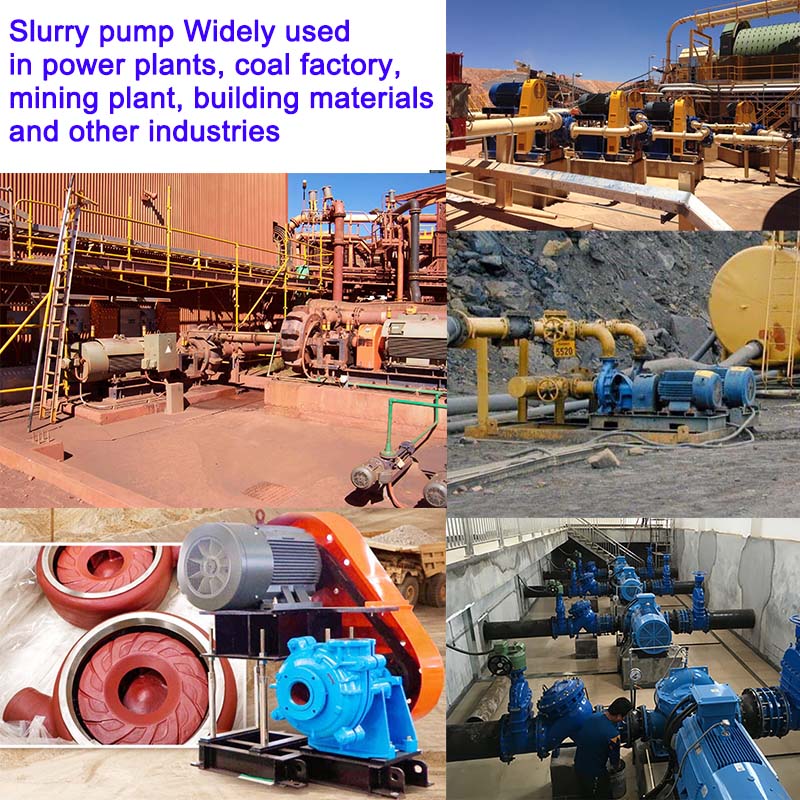
OEM trash slurry pumps are centrifugal pumps specifically designed for handling abrasive, solids-laden fluids. Positioned within the industrial fluid handling chain, these pumps serve critical roles in industries such as mining, wastewater treatment, dredging, chemical processing, and construction. They bridge the gap between raw material processing or waste generation and subsequent treatment or conveyance stages. Core performance characteristics defining these pumps include flow rate (typically measured in gallons per minute or cubic meters per hour), head (expressed in feet or meters, denoting the pump’s ability to lift the fluid), solids handling capability (defined by maximum particle size and concentration), and abrasion resistance, all vital for continuous operation in demanding environments. The prevalence of OEM configuration allows customization to specific process requirements, differentiating them from generic, off-the-shelf pump solutions. Addressing common industry pain points such as pump wear, clogging, and inefficient energy consumption are primary design considerations.
Material Science & Manufacturing
The construction of OEM trash slurry pumps relies heavily on materials selected for their resistance to abrasion, corrosion, and impact. Pump casings are commonly fabricated from high-chrome cast iron (approximately 27-30% chromium content) which offers excellent wear resistance due to the formation of hard chromium carbides. Alternatively, ductile iron with hardened surfaces or specialized alloys like nickel-hard cast iron are employed for extremely abrasive applications. Impeller materials often mirror casing materials but may incorporate stainless steel (304, 316) for enhanced corrosion resistance in chemically aggressive fluids. Shafts typically utilize alloy steel (4140, 4340) heat-treated for high tensile strength and torsional rigidity. Seals are often constructed from materials like Viton, EPDM, or PTFE, based on the chemical compatibility requirements of the pumped fluid.
Manufacturing processes involve several critical stages. Casing production usually begins with sand casting, followed by heat treatment and machining to achieve precise dimensions and smooth surface finishes. Impellers are typically investment cast, providing complex geometries and good dimensional accuracy. Shafts are machined from bar stock and subjected to hardening and tempering processes. A key parameter control aspect is the hardness of the wear surfaces, measured using Rockwell hardness testing (HRC). Maintaining consistent hardness throughout the pump components is essential for uniform wear characteristics. Welding processes, when used for repairs or component joining, must adhere to stringent ASME Section IX standards to ensure structural integrity. Final assembly requires precise alignment of rotating components and thorough quality control inspection, including hydrostatic testing to verify leak-free operation.
Performance & Engineering
Performance of trash slurry pumps is fundamentally governed by hydraulic principles. Force analysis focuses on the radial and axial thrust forces generated by the impeller, which are mitigated through bearing selection and shaft support design. Bearing life is critical; pumps commonly employ heavy-duty roller bearings or hydrodynamic bearings designed for prolonged service life under load. Environmental resistance is a major consideration. Operating temperature limitations are dictated by seal material compatibility and the potential for thermal expansion/contraction of pump components. Pumps handling corrosive fluids require external protective coatings (epoxy, polyurethane) to prevent casing degradation. Compliance requirements vary based on the application and geographical location. For example, pumps used in potable water applications must meet NSF/ANSI 61 standards for lead content and material leachability. Pumps operating in hazardous locations require adherence to ATEX or IECEx standards for explosion protection. The pump's hydraulic efficiency is evaluated based on its Best Efficiency Point (BEP) determined through performance testing according to ISO 9906 standards. Proper impeller design and casing volute geometry minimize hydraulic losses and maximize efficiency.
Technical Specifications
| Parameter | Unit | Typical Range (OEM Configuration) | Notes |
|---|---|---|---|
| Flow Rate | GPM (US) | 50 - 1500 | Dependent on impeller diameter and pump speed |
| Head | ft | 20 - 200 | Affected by impeller design and fluid viscosity |
| Maximum Solids Size | in | 1 - 4 | Determines pump's ability to handle debris |
| Solids Concentration (by weight) | % | Up to 70 | Higher concentrations require more robust impeller design |
| Casing Material | - | High Chrome Cast Iron, Ductile Iron, Stainless Steel | Chosen based on fluid corrosivity |
| Impeller Material | - | High Chrome Cast Iron, Stainless Steel | Typically the same or more resistant than casing material |
Failure Mode & Maintenance
Common failure modes in trash slurry pumps include impeller wear, casing erosion, seal failure, and bearing failure. Impeller wear is primarily caused by abrasive particles impacting the impeller vanes, leading to material loss and reduced pump efficiency. Casing erosion occurs similarly, particularly near the suction and discharge ports. Seal failure is often attributed to abrasive particles damaging the seal faces or chemical incompatibility causing seal degradation. Bearing failure can result from excessive load, inadequate lubrication, or contamination. Fatigue cracking can occur in the shaft or impeller under cyclical loading, particularly in pumps operating continuously. Delamination of protective coatings can expose the underlying metal to corrosion. Oxidation of metallic components can also contribute to degradation over time.
Preventive maintenance is crucial for maximizing pump life. Regular inspection of impeller and casing wear is essential, with replacement scheduled before performance significantly declines. Seal replacement should be performed proactively based on operating hours or fluid characteristics. Lubrication schedules must be strictly adhered to, using appropriate greases or oils. Monitoring vibration levels can detect bearing wear or imbalance. Periodic flushing of the pump casing removes accumulated solids. Routine corrosion inspections and re-application of protective coatings prevent long-term damage. Detailed record-keeping of maintenance activities and pump performance data allows for predictive maintenance strategies and optimized pump operation.
Industry FAQ
Q: What is the impact of fluid viscosity on pump performance?
A: Increased fluid viscosity directly reduces pump flow rate and head. Higher viscosity fluids require more power to pump and can lead to increased internal friction losses. Pump selection should consider the fluid’s viscosity range, and adjustments to pump speed or impeller diameter may be necessary to maintain desired performance.
Q: How does the pump casing material influence its lifespan in a corrosive environment?
A: The casing material is paramount. High-chrome cast iron offers some corrosion resistance, but stainless steel (316) or specialized alloys are preferred for highly corrosive fluids. Additionally, external coatings like epoxy or polyurethane provide an extra layer of protection, extending the casing's lifespan.
Q: What are the key considerations when selecting a mechanical seal for abrasive slurry applications?
A: Seal face material is critical. Silicon carbide or tungsten carbide seals are commonly used due to their superior hardness and abrasion resistance. Double mechanical seals with a flush fluid barrier are recommended to prevent abrasive particles from damaging the seal faces. Proper seal chamber design and flush fluid selection are also essential.
Q: What is the role of impeller design in minimizing wear and maximizing efficiency?
A: Impeller design significantly impacts wear and efficiency. Closed impellers are more efficient for clean fluids, while open or semi-open impellers are better suited for solids-laden slurries. Hardened impeller materials and optimized vane geometry reduce wear caused by abrasive particles. Impeller balancing is crucial to minimize vibration and prolong bearing life.
Q: How can vibration analysis be used to diagnose pump problems?
A: Vibration analysis can identify various pump issues. High vibration levels can indicate bearing wear, impeller imbalance, misalignment, or cavitation. Analyzing the frequency and amplitude of vibration patterns can pinpoint the source of the problem, allowing for targeted maintenance and preventing catastrophic failure.
Conclusion
OEM trash slurry pumps represent a vital component in numerous industrial processes handling abrasive and solids-laden fluids. Their performance is intrinsically linked to material selection, precise manufacturing control, and diligent maintenance practices. Understanding the interplay between fluid properties, pump design, and operating conditions is essential for optimizing pump life and minimizing downtime. The choice of casing and impeller materials, particularly considering abrasion and corrosion resistance, directly impacts the pump’s longevity and overall cost of ownership.
Future advancements in trash slurry pump technology will likely focus on enhanced materials with superior wear properties, improved hydraulic designs for increased efficiency, and the integration of smart sensor technologies for predictive maintenance. Continued development of robust sealing solutions capable of handling abrasive fluids is also crucial. These innovations will further address the inherent challenges associated with slurry pumping, resulting in more reliable and cost-effective fluid handling solutions.
-
Comprehensive Guide to Waterproof ORings for Optimal Sealing Solutions
News2026-06-09
-
submergable pump Material Science
News2026-06-23
-
sewer injection pump Performance Engineering
News2026-06-23
-
Sewer Ejector Pump System Performance Analysis
News2026-06-23
-
septic tank pump for sale Performance Engineering
News2026-06-23
-
septic pump for sale Performance Engineering
News2026-06-23
-
septic ejector system Performance Analysis
News2026-06-22
-
replace septic pump Performance Analysis
News2026-06-22
-
pump system septic tank Performance Analysis
News2026-06-22
-
lift pump for sewer Performance and Engineering
News2026-06-22
-
industrial submersible water pump Material Science
News2026-06-22
-
industrial submersible pumps Material Science and Manufacturing
News2026-06-21
-
best sewer ejector pump Performance Analysis
News2026-06-21
-
best septic pump Performance Analysis
News2026-06-21
-
1 2 hp septic pump Performance Engineering
News2026-06-21




