English
- Afrikaans
- Albanian
- Amharic
- Arabic
- Armenian
- Azerbaijani
- Basque
- Belarusian
- Bengali
- Bosnian
- Bulgarian
- Catalan
- Cebuano
- Corsican
- Croatian
- Czech
- Danish
- Dutch
- English
- Esperanto
- Estonian
- Finnish
- French
- Frisian
- Galician
- Georgian
- German
- Greek
- Gujarati
- Haitian Creole
- hausa
- hawaiian
- Hebrew
- Hindi
- Miao
- Hungarian
- Icelandic
- igbo
- Indonesian
- irish
- Italian
- Japanese
- Javanese
- Kannada
- kazakh
- Khmer
- Rwandese
- Korean
- Kurdish
- Kyrgyz
- Lao
- Latin
- Latvian
- Lithuanian
- Luxembourgish
- Macedonian
- Malgashi
- Malay
- Malayalam
- Maltese
- Maori
- Marathi
- Mongolian
- Myanmar
- Nepali
- Norwegian
- Norwegian
- Occitan
- Pashto
- Persian
- Polish
- Portuguese
- Punjabi
- Romanian
- Russian
- Samoan
- Scottish Gaelic
- Serbian
- Sesotho
- Shona
- Sindhi
- Sinhala
- Slovak
- Slovenian
- Somali
- Spanish
- Sundanese
- Swahili
- Swedish
- Tagalog
- Tajik
- Tamil
- Tatar
- Telugu
- Thai
- Turkish
- Turkmen
- Ukrainian
- Urdu
- Uighur
- Uzbek
- Vietnamese
- Welsh
- Bantu
- Yiddish
- Yoruba
- Zulu

Telephone: +86 13120555503
Email: frank@cypump.com


Apr . 01, 2024 17:55 Back to list
oem slurry pumps Performance Analysis
Introduction
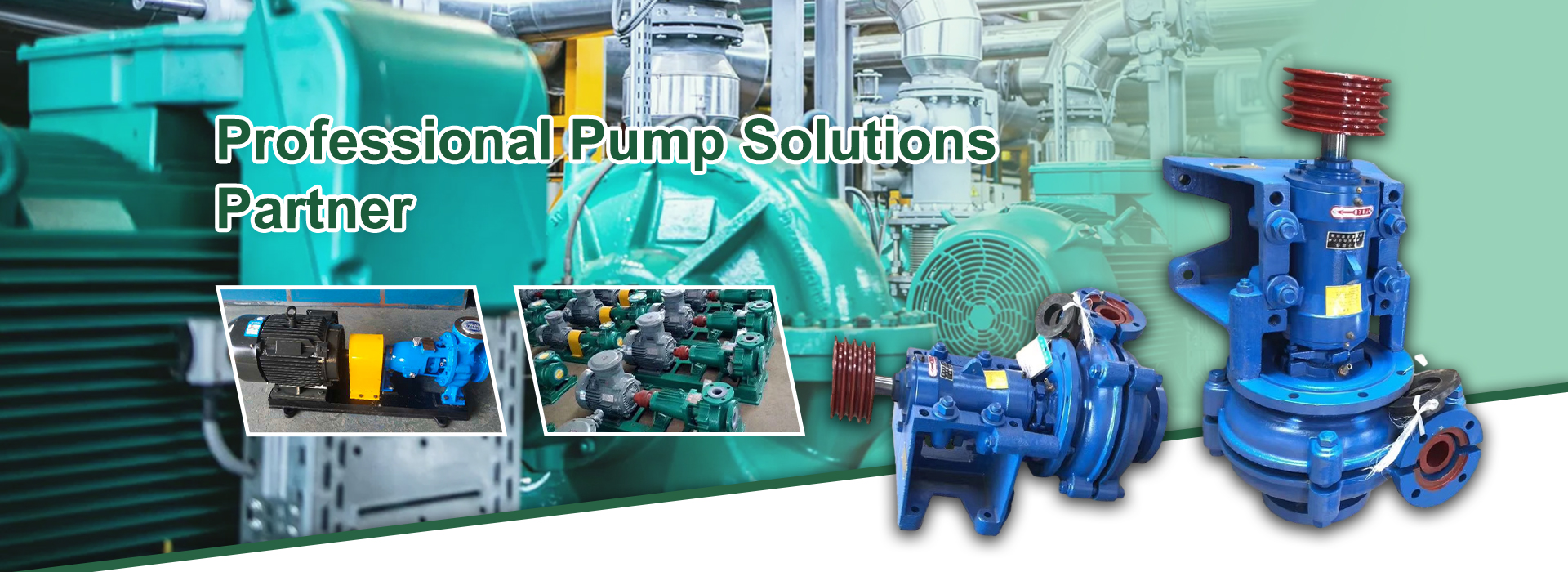
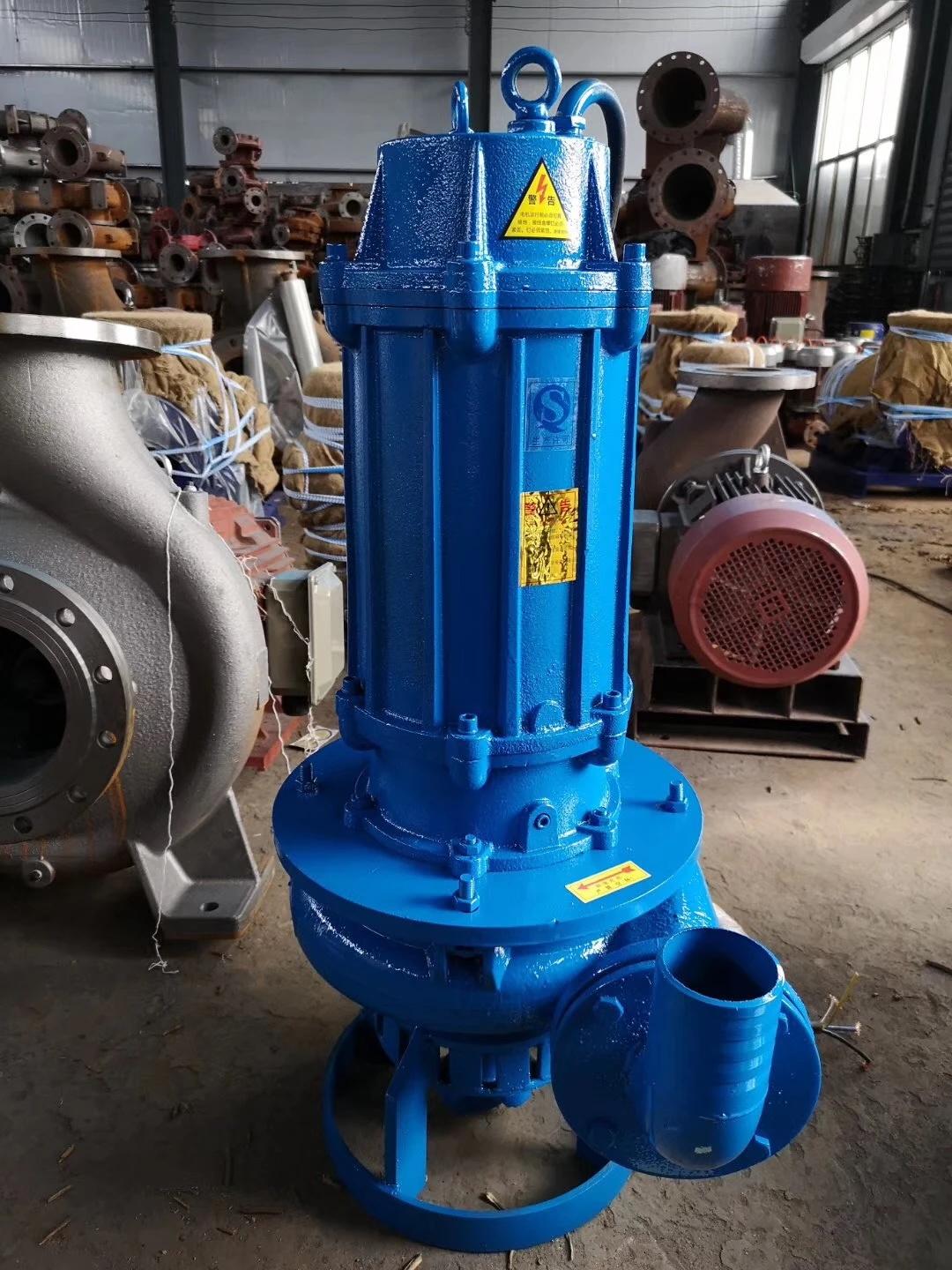
OEM slurry pumps are centrifugal pumps specifically engineered to handle abrasive, corrosive, and high-solids content fluids. These pumps represent a critical component in numerous industrial processes including mining, wastewater treatment, chemical processing, and dredging. Positioned within the fluid handling segment of the broader industrial pump market, OEM slurry pumps differentiate themselves from standard centrifugal pumps through their robust construction, specialized impeller designs, and material selection to maximize wear resistance and operational longevity. Core performance characteristics center around flow rate (typically measured in gallons per minute or cubic meters per hour), head (expressed in feet or meters), and the ability to effectively convey fluids with varying solid concentrations and particle sizes. The increasing demand for efficient and reliable solids handling is driving advancements in slurry pump technology, particularly regarding energy efficiency and remote monitoring capabilities.
Material Science & Manufacturing
The performance and lifespan of an OEM slurry pump are inextricably linked to the materials employed in its construction and the precision of its manufacturing processes. Common materials include high-chrome cast iron for impeller and casing applications, offering excellent abrasion resistance. For highly corrosive environments, stainless steel alloys (304, 316, and duplex stainless steels) and specialized polymers like polyurethane are utilized. The selection criteria are heavily influenced by the pH, temperature, and chemical composition of the slurry being pumped. Manufacturing typically begins with casting or forging of the pump housing, followed by machining to tight tolerances. Impellers are often investment cast to achieve complex geometries and minimize surface imperfections. Critical parameters during impeller manufacturing include the precise angle of the vanes, surface finish (to reduce friction), and dynamic balancing. Shaft materials are commonly alloy steels, heat-treated to enhance tensile strength and fatigue resistance. Sealing systems utilize mechanical seals constructed from materials compatible with the process fluid, employing elastomers like Viton or PTFE. Welding procedures for joining components must adhere to stringent codes (AWS D1.1) to ensure structural integrity and prevent weld defects like porosity or cracking. Post-weld heat treatment is often necessary to relieve stress and improve metallurgical properties. Liners, often rubber or ceramic, are applied to pump casings to provide an additional layer of protection against abrasion and corrosion.
Performance & Engineering
Slurry pump performance is governed by a complex interplay of hydraulic forces, material properties, and fluid characteristics. The pump’s head-capacity curve, a fundamental performance parameter, dictates the relationship between flow rate and the pressure the pump can generate. Understanding this curve is crucial for selecting the appropriate pump for a given application. Force analysis focuses on the stresses induced by fluid pressure, impeller weight, and external loads. Finite Element Analysis (FEA) is routinely used during the design phase to identify potential stress concentrations and optimize component geometry. Environmental resistance is paramount; pumps operating in harsh environments require specialized coatings and materials to withstand corrosion, erosion, and temperature extremes. Compliance requirements vary by region and industry. For example, pumps used in food processing must comply with 3-A Sanitary Standards, while those used in hazardous locations must meet ATEX or IECEx standards for explosion protection. Functional implementation often involves integrating the pump with control systems, including variable frequency drives (VFDs) for speed control and automated shut-off mechanisms for overpressure or dry-running protection. Hydraulic Institute standards (HI) provide guidelines for pump testing and performance evaluation, ensuring consistency and reliability. Cavitation, a phenomenon where vapor bubbles form and collapse within the pump, is a significant concern; pump selection and system design must account for Net Positive Suction Head Required (NPSHr) to prevent cavitation damage.
Technical Specifications
| Parameter | Unit | Typical Range (Small OEM Pump) | Typical Range (Large OEM Pump) |
|---|---|---|---|
| Flow Rate | GPM | 5 - 50 | 200 - 1500 |
| Head | ft | 20 - 80 | 100 - 300 |
| Solids Handling Size | in | 0.125 - 0.5 | 2 - 6 |
| Pump Material (Casing) | - | High-Chrome Cast Iron | Stainless Steel (316) / High-Chrome Cast Iron |
| Pump Material (Impeller) | - | High-Chrome Cast Iron | High-Chrome Cast Iron / Rubber Lined |
| Seal Type | - | Mechanical Seal | Mechanical Seal / Packing |
Failure Mode & Maintenance
OEM slurry pumps are susceptible to various failure modes, often stemming from the abrasive and corrosive nature of the fluids they handle. Fatigue cracking in the impeller and casing can occur due to cyclical loading and stress concentrations. Erosion, particularly at the impeller vanes and casing inlet/outlet, leads to gradual material loss and reduced pump efficiency. Corrosion, driven by chemical reactions with the slurry, weakens components and promotes pitting. Delamination of rubber liners or coatings exposes the underlying metal to corrosion and abrasion. Mechanical seal failures, caused by wear, chemical attack, or improper installation, result in leakage and reduced pump performance. Oxidation of metal components can occur at high temperatures, leading to embrittlement. Preventative maintenance is crucial. Regular inspections for wear and corrosion are essential. Lubrication of bearings and seals should be performed according to manufacturer’s recommendations. Impeller and casing replacement is typically required after a predetermined operational life, dependent on the slurry characteristics. Vibration analysis can detect early signs of bearing wear or impeller imbalance. Periodic performance monitoring (flow rate, pressure, power consumption) can identify deviations from baseline performance, indicating potential problems. Proper strainer installation upstream of the pump prevents large solids from entering and causing damage. Implementing a documented maintenance schedule and maintaining detailed records are vital for maximizing pump reliability and minimizing downtime.
Industry FAQ
Q: What is the primary difference between a slurry pump and a standard centrifugal pump?
A: A slurry pump is specifically designed to handle fluids containing high concentrations of solids, abrasive particles, and/or corrosive chemicals. Standard centrifugal pumps are optimized for clean fluids and are not equipped to handle the wear and tear associated with slurry applications. Slurry pumps utilize thicker casings, hardened materials, and specialized impeller designs to resist abrasion and maintain efficiency when conveying slurries.
Q: How do I select the correct impeller material for my application?
A: Impeller material selection depends on the slurry’s composition, particle size, concentration, and corrosivity. High-chrome cast iron is a common choice for abrasive slurries, while stainless steel alloys are preferred for corrosive environments. Rubber-lined impellers offer excellent resistance to both abrasion and corrosion. A thorough analysis of the slurry’s properties is essential for making an informed decision.
Q: What are the potential consequences of cavitation in a slurry pump?
A: Cavitation causes significant damage to the impeller and casing due to the implosion of vapor bubbles. This leads to erosion, reduced pump efficiency, and ultimately, pump failure. Preventing cavitation requires ensuring adequate Net Positive Suction Head Available (NPSHa) exceeds the pump’s NPSHr.
Q: What maintenance practices are critical for extending the lifespan of an OEM slurry pump?
A: Regular inspection for wear, proper lubrication, and timely replacement of worn components are crucial. Monitoring pump performance parameters (flow, pressure, vibration) can identify early signs of problems. Implementing a preventative maintenance schedule and maintaining detailed records are highly recommended.
Q: What is the role of a mechanical seal in a slurry pump, and what are common failure mechanisms?
A: The mechanical seal prevents leakage of the slurry from the pump casing. Common failure mechanisms include abrasive wear, chemical attack, and improper installation. Selecting a seal material compatible with the slurry and ensuring proper installation and alignment are essential for long seal life.
Conclusion
OEM slurry pumps represent a vital technology for industries handling abrasive and corrosive fluids. Their performance is heavily dictated by materials science, precise manufacturing techniques, and a thorough understanding of fluid dynamics. Selecting the correct pump, based on a detailed analysis of the slurry characteristics and application requirements, is paramount for ensuring reliability and minimizing downtime.
Continued advancements in materials, impeller design, and monitoring technologies will further enhance the efficiency and longevity of OEM slurry pumps. A proactive approach to maintenance, coupled with adherence to relevant industry standards, remains critical for maximizing return on investment and ensuring safe and reliable operation within demanding industrial environments.
-
Comprehensive Guide to Waterproof ORings for Optimal Sealing Solutions
News2026-06-09
-
submergable pump Material Science
News2026-06-23
-
sewer injection pump Performance Engineering
News2026-06-23
-
Sewer Ejector Pump System Performance Analysis
News2026-06-23
-
septic tank pump for sale Performance Engineering
News2026-06-23
-
septic pump for sale Performance Engineering
News2026-06-23
-
septic ejector system Performance Analysis
News2026-06-22
-
replace septic pump Performance Analysis
News2026-06-22
-
pump system septic tank Performance Analysis
News2026-06-22
-
lift pump for sewer Performance and Engineering
News2026-06-22
-
industrial submersible water pump Material Science
News2026-06-22
-
industrial submersible pumps Material Science and Manufacturing
News2026-06-21
-
best sewer ejector pump Performance Analysis
News2026-06-21
-
best septic pump Performance Analysis
News2026-06-21
-
1 2 hp septic pump Performance Engineering
News2026-06-21




