English
- Afrikaans
- Albanian
- Amharic
- Arabic
- Armenian
- Azerbaijani
- Basque
- Belarusian
- Bengali
- Bosnian
- Bulgarian
- Catalan
- Cebuano
- Corsican
- Croatian
- Czech
- Danish
- Dutch
- English
- Esperanto
- Estonian
- Finnish
- French
- Frisian
- Galician
- Georgian
- German
- Greek
- Gujarati
- Haitian Creole
- hausa
- hawaiian
- Hebrew
- Hindi
- Miao
- Hungarian
- Icelandic
- igbo
- Indonesian
- irish
- Italian
- Japanese
- Javanese
- Kannada
- kazakh
- Khmer
- Rwandese
- Korean
- Kurdish
- Kyrgyz
- Lao
- Latin
- Latvian
- Lithuanian
- Luxembourgish
- Macedonian
- Malgashi
- Malay
- Malayalam
- Maltese
- Maori
- Marathi
- Mongolian
- Myanmar
- Nepali
- Norwegian
- Norwegian
- Occitan
- Pashto
- Persian
- Polish
- Portuguese
- Punjabi
- Romanian
- Russian
- Samoan
- Scottish Gaelic
- Serbian
- Sesotho
- Shona
- Sindhi
- Sinhala
- Slovak
- Slovenian
- Somali
- Spanish
- Sundanese
- Swahili
- Swedish
- Tagalog
- Tajik
- Tamil
- Tatar
- Telugu
- Thai
- Turkish
- Turkmen
- Ukrainian
- Urdu
- Uighur
- Uzbek
- Vietnamese
- Welsh
- Bantu
- Yiddish
- Yoruba
- Zulu

Telephone: +86 13120555503
Email: frank@cypump.com


Apr . 01, 2024 17:55 Back to list
oem slurry pump engineering Performance Analysis
Introduction
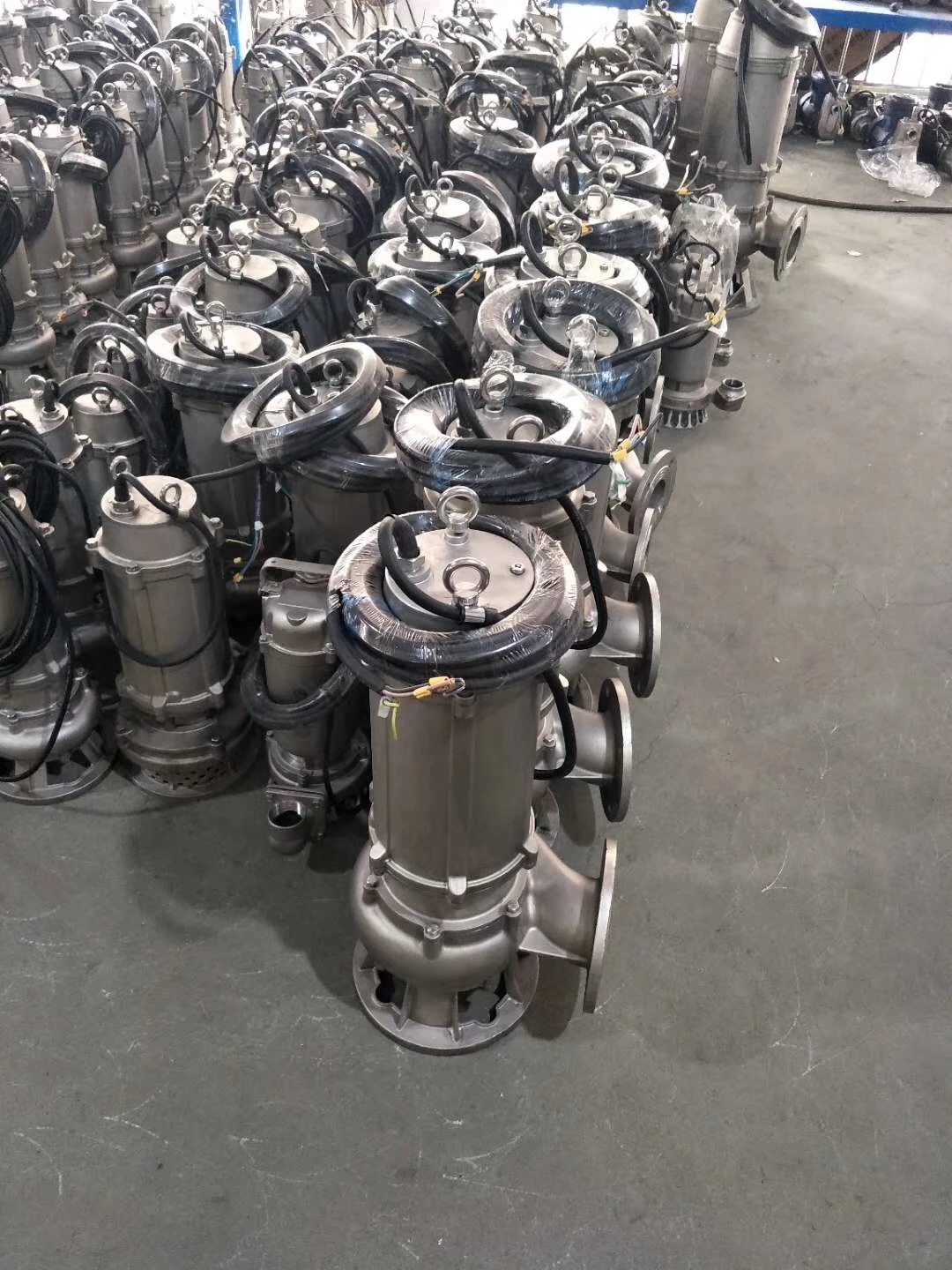
OEM slurry pump engineering encompasses the design, manufacture, and customization of centrifugal pumps specifically intended for handling abrasive, corrosive, and high-solids-content fluids. These pumps are critical components in industries such as mining, wastewater treatment, chemical processing, and dredging. Unlike standard pumps, slurry pumps are engineered to withstand the severe service conditions inherent in processing slurries, minimizing wear, maintaining efficiency, and ensuring operational reliability. A core challenge lies in balancing abrasion resistance with fluid dynamics to maximize pump life and minimize energy consumption. The industry trend leans toward increasingly specialized designs tailored to specific slurry characteristics, and modular construction for simplified maintenance and reduced downtime. This guide provides a detailed technical overview of OEM slurry pump engineering, focusing on material science, manufacturing processes, performance characteristics, failure modes, and relevant industry standards.
Material Science & Manufacturing
Slurry pump construction relies heavily on materials resistant to abrasion, corrosion, and erosion. Commonly used materials include high-chrome cast irons (typically 27-30% Cr), which offer excellent abrasion resistance due to the formation of hard chromium carbides. For highly corrosive environments, stainless steels (304, 316, duplex stainless steels) and specialized alloys (Hastelloy, Inconel) are employed. Polymer linings, such as rubber (natural rubber, EPDM) and polyurethane, are often applied to pump casings and impellers to protect against abrasion and corrosion, particularly for low-to-medium velocity slurries. The manufacturing process typically involves several stages: casting (for iron and steel components), forging (for high-stress parts like the shaft), machining (for precision fitting of components), and welding (for casing assembly). Critical parameters during casting include cooling rate and alloy composition to control microstructure and carbide distribution. Welding procedures must adhere to strict quality control standards (e.g., ASME Section IX) to ensure weld integrity and prevent cracking. Impeller balancing is crucial to minimize vibration and prevent premature bearing failure. Surface hardening techniques, such as heat treatment and coating deposition, are frequently used to enhance wear resistance.
Performance & Engineering
Slurry pump performance is dictated by several factors, including slurry density, particle size distribution, flow rate, and head. Force analysis is essential to determine the stresses acting on pump components, particularly the impeller and casing, due to fluid pressure and particle impact. Cavitation, a significant concern, occurs when the pressure drops below the vapor pressure of the liquid, leading to bubble formation and subsequent implosion, causing severe damage to the impeller. Proper pump selection and system design (e.g., NPSH available) are crucial to prevent cavitation. Environmental resistance is another key consideration. Pumps operating in harsh environments (e.g., extreme temperatures, corrosive atmospheres) require specialized materials and coatings. Compliance requirements vary depending on the application and region, including adherence to hydraulic efficiency standards (e.g., ISO 50001 for energy management) and safety regulations (e.g., ATEX for potentially explosive atmospheres). The pump’s hydraulic design, encompassing impeller geometry, volute shape, and clearance control, significantly impacts efficiency and solids handling capability. Finite element analysis (FEA) is commonly used to optimize designs and predict performance under various operating conditions. Variable Frequency Drives (VFDs) are increasingly implemented to control pump speed and optimize energy consumption based on fluctuating flow demands.
Technical Specifications
| Parameter | Unit | Typical Range (Small Slurry Pump) | Typical Range (Large Slurry Pump) |
|---|---|---|---|
| Flow Rate | m³/hr | 5 - 50 | 200 - 1500 |
| Head | m | 10 - 40 | 50 - 150 |
| Solids Handling Capability | mm | 6 - 25 | 25 - 150 |
| Pump Speed | RPM | 500 - 1500 | 500 - 1200 |
| Power | kW | 1.5 - 7.5 | 30 - 200 |
| Casing Material | - | High-Chrome Iron | High-Chrome Iron/Stainless Steel |
Failure Mode & Maintenance
Slurry pump failures are commonly attributed to abrasive wear, erosion, corrosion, and cavitation. Abrasive wear occurs due to the impact of solid particles on pump components, leading to material loss and dimensional changes. Erosion is a similar process, but it's accelerated by high-velocity fluids. Corrosion results from chemical reactions between the slurry and pump materials. Cavitation, as mentioned previously, causes pitting and structural damage. Fatigue cracking can occur in high-stress components, such as the impeller and shaft, due to cyclic loading. Delamination of rubber or polymer linings is a common failure mode, particularly with fluctuating temperatures or aggressive slurries. Oxidation of metal components can occur at elevated temperatures, reducing material strength. Preventative maintenance is crucial to extend pump life. This includes regular inspections for wear, lubrication of bearings, replacement of worn parts (e.g., liners, impellers, seals), and monitoring of pump performance parameters (e.g., flow rate, pressure, vibration). Condition monitoring techniques, such as vibration analysis and oil analysis, can help detect early signs of failure. Proper slurry handling practices, such as minimizing particle size and controlling slurry composition, can also reduce wear and extend pump life. Implementing a robust maintenance schedule, coupled with data analysis, is vital for optimizing pump reliability and minimizing downtime.
Industry FAQ
Q: What are the key considerations when selecting a slurry pump for a highly abrasive slurry containing large particles?
A: The primary considerations are solids handling capability, abrasion resistance, and impeller design. Choose a pump with a large impeller passage to prevent clogging. High-chrome cast iron or ceramic materials are recommended for abrasion resistance. An impeller design optimized for abrasive slurries, such as a recessed or open impeller, is essential. Also, consider the slurry’s specific gravity and velocity to avoid excessive wear.
Q: How does the viscosity of the slurry affect pump performance?
A: Higher viscosity slurries increase friction losses within the pump, reducing flow rate and efficiency. The pump may require a larger motor to overcome the increased resistance. Impeller design may need to be adjusted to accommodate the increased viscosity. A positive displacement pump might be a better option for extremely viscous slurries.
Q: What are the benefits of using a VFD with a slurry pump?
A: VFDs allow for precise control of pump speed, enabling optimization of flow rate to match process demands and reducing energy consumption. They also minimize hydraulic shock and wear caused by frequent starting and stopping. Soft starting capability extends pump life and reduces stress on the electrical system.
Q: What are the common causes of premature seal failure in slurry pumps?
A: Common causes include abrasive wear, corrosion, and improper seal selection. Abrasive particles can damage the seal faces, leading to leakage. Corrosive slurries can attack the seal materials. Ensure the seal is compatible with the slurry composition and operating conditions. Consider using a double mechanical seal with a barrier fluid for critical applications.
Q: How important is proper alignment between the pump and motor?
A: Proper alignment is critical to prevent premature bearing failure, seal failure, and shaft breakage. Misalignment introduces excessive stress on pump components, leading to vibration and wear. Regularly check and adjust alignment using laser alignment tools.
Conclusion
OEM slurry pump engineering is a highly specialized field demanding a thorough understanding of material science, fluid dynamics, and wear mechanisms. The selection, design, and maintenance of these pumps are intrinsically linked to the specific properties of the slurry being handled and the operational environment. Advancements in materials, such as the development of new alloys and polymer composites, continue to improve pump performance and longevity.
Looking forward, the integration of digital technologies, including predictive maintenance algorithms and remote monitoring systems, will further optimize slurry pump operation and minimize downtime. Focusing on energy efficiency and sustainable practices will become increasingly important, driving the development of more efficient pump designs and control strategies. A proactive approach to failure analysis and preventative maintenance remains the cornerstone of reliable and cost-effective slurry pumping systems.
-
Comprehensive Guide to Waterproof ORings for Optimal Sealing Solutions
News2026-06-09
-
submergable pump Material Science
News2026-06-23
-
sewer injection pump Performance Engineering
News2026-06-23
-
Sewer Ejector Pump System Performance Analysis
News2026-06-23
-
septic tank pump for sale Performance Engineering
News2026-06-23
-
septic pump for sale Performance Engineering
News2026-06-23
-
septic ejector system Performance Analysis
News2026-06-22
-
replace septic pump Performance Analysis
News2026-06-22
-
pump system septic tank Performance Analysis
News2026-06-22
-
lift pump for sewer Performance and Engineering
News2026-06-22
-
industrial submersible water pump Material Science
News2026-06-22
-
industrial submersible pumps Material Science and Manufacturing
News2026-06-21
-
best sewer ejector pump Performance Analysis
News2026-06-21
-
best septic pump Performance Analysis
News2026-06-21
-
1 2 hp septic pump Performance Engineering
News2026-06-21




