English
- Afrikaans
- Albanian
- Amharic
- Arabic
- Armenian
- Azerbaijani
- Basque
- Belarusian
- Bengali
- Bosnian
- Bulgarian
- Catalan
- Cebuano
- Corsican
- Croatian
- Czech
- Danish
- Dutch
- English
- Esperanto
- Estonian
- Finnish
- French
- Frisian
- Galician
- Georgian
- German
- Greek
- Gujarati
- Haitian Creole
- hausa
- hawaiian
- Hebrew
- Hindi
- Miao
- Hungarian
- Icelandic
- igbo
- Indonesian
- irish
- Italian
- Japanese
- Javanese
- Kannada
- kazakh
- Khmer
- Rwandese
- Korean
- Kurdish
- Kyrgyz
- Lao
- Latin
- Latvian
- Lithuanian
- Luxembourgish
- Macedonian
- Malgashi
- Malay
- Malayalam
- Maltese
- Maori
- Marathi
- Mongolian
- Myanmar
- Nepali
- Norwegian
- Norwegian
- Occitan
- Pashto
- Persian
- Polish
- Portuguese
- Punjabi
- Romanian
- Russian
- Samoan
- Scottish Gaelic
- Serbian
- Sesotho
- Shona
- Sindhi
- Sinhala
- Slovak
- Slovenian
- Somali
- Spanish
- Sundanese
- Swahili
- Swedish
- Tagalog
- Tajik
- Tamil
- Tatar
- Telugu
- Thai
- Turkish
- Turkmen
- Ukrainian
- Urdu
- Uighur
- Uzbek
- Vietnamese
- Welsh
- Bantu
- Yiddish
- Yoruba
- Zulu

Telephone: +86 13120555503
Email: frank@cypump.com


Apr . 01, 2024 17:55 Back to list
oem slurry pump engineering manufacturer Performance Engineering
Introduction
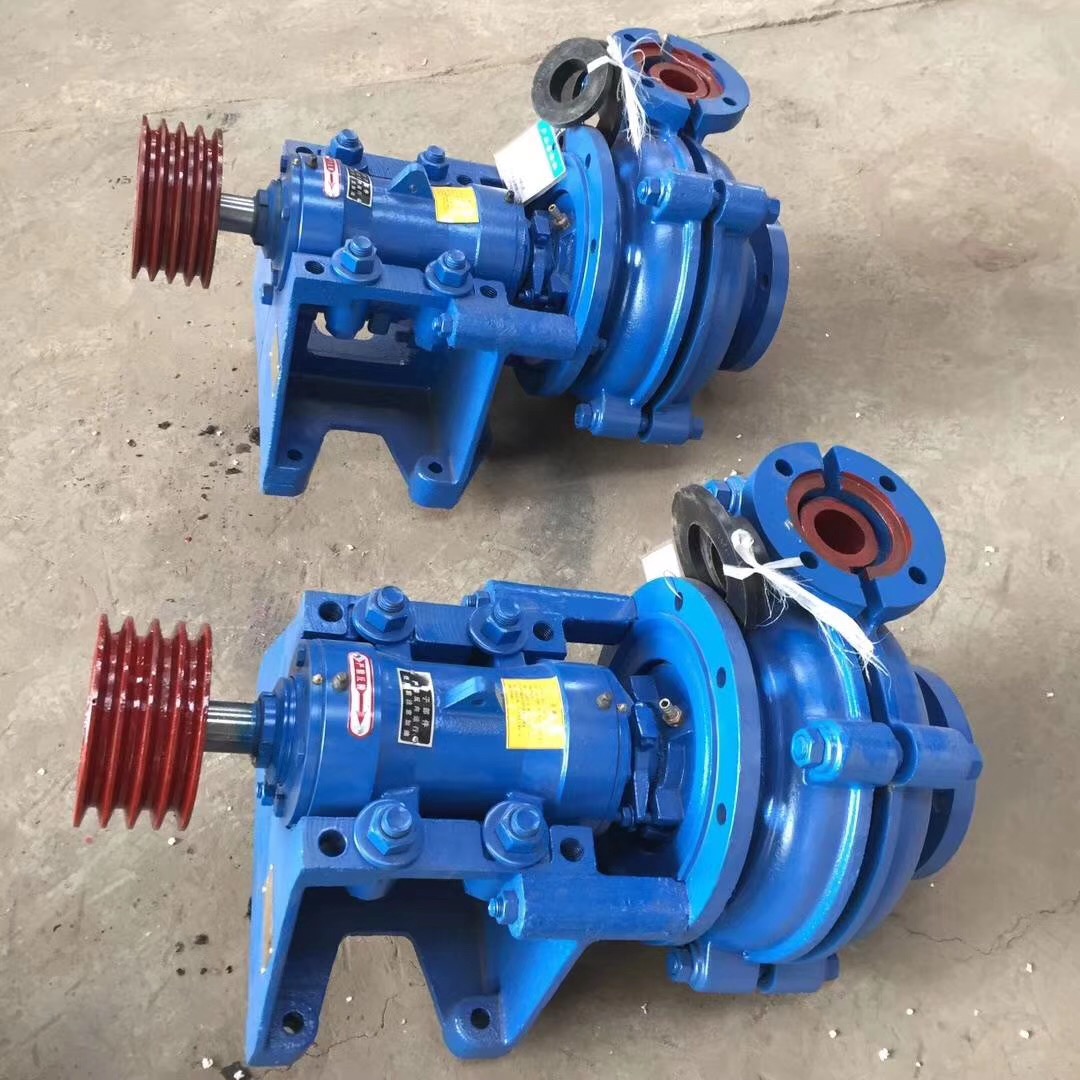
OEM slurry pumps represent a critical component within numerous industrial processes, specifically those involving the transportation of abrasive or highly viscous fluids. Their technical positioning resides within the fluid handling sector, functioning as the direct interface between processing systems and fluid conveyance. These pumps are custom-engineered and manufactured to precise specifications dictated by the end-user’s application. Core performance characteristics are defined by flow rate, head pressure, solids handling capability, and wear resistance. The market demand stems from industries such as mining, mineral processing, wastewater treatment, chemical processing, and oil & gas, where robust and reliable fluid transfer is paramount. A key pain point is the need for tailored solutions; a ‘one-size-fits-all’ approach is insufficient given the diverse slurry compositions and operating conditions. Furthermore, minimizing downtime and lifecycle costs through optimized material selection and design are critical considerations for procurement managers and engineers alike. OEM specialization provides this necessary level of customization and engineering support, focusing on application-specific pump performance.
Material Science & Manufacturing
The construction of OEM slurry pumps relies heavily on materials exhibiting high abrasion resistance and corrosion resistance. Common materials include high-chromium cast irons (typically 13% to 28% Cr), specialized alloy steels (such as duplex stainless steels and super austenitic stainless steels), and elastomer linings (natural rubber, synthetic rubbers like EPDM and chloroprene). The selection is dependent on the slurry’s pH, solids concentration, particle size, and impact velocity. Manufacturing processes vary based on pump component. Pump casings are frequently produced via sand casting or investment casting for complex geometries. Impellers can be cast, forged, or manufactured using additive manufacturing (3D printing) for advanced designs. Shafts are typically forged from alloy steel and subjected to rigorous heat treatment to achieve required tensile strength and torsional rigidity. Critical parameters during manufacturing include dimensional accuracy (ensured through precision machining and quality control), weld integrity (for welded components utilizing non-destructive testing methods like radiography and ultrasonic testing), and surface finish (to minimize friction and erosion). Elastomer linings are applied using vulcanization processes, ensuring a strong chemical bond and durable protection against corrosion and abrasion. Controlling the cooling rate during casting is crucial to minimize residual stresses and prevent cracking. Material certification is a vital aspect of OEM quality assurance, verifying compliance with specified material standards.
Performance & Engineering
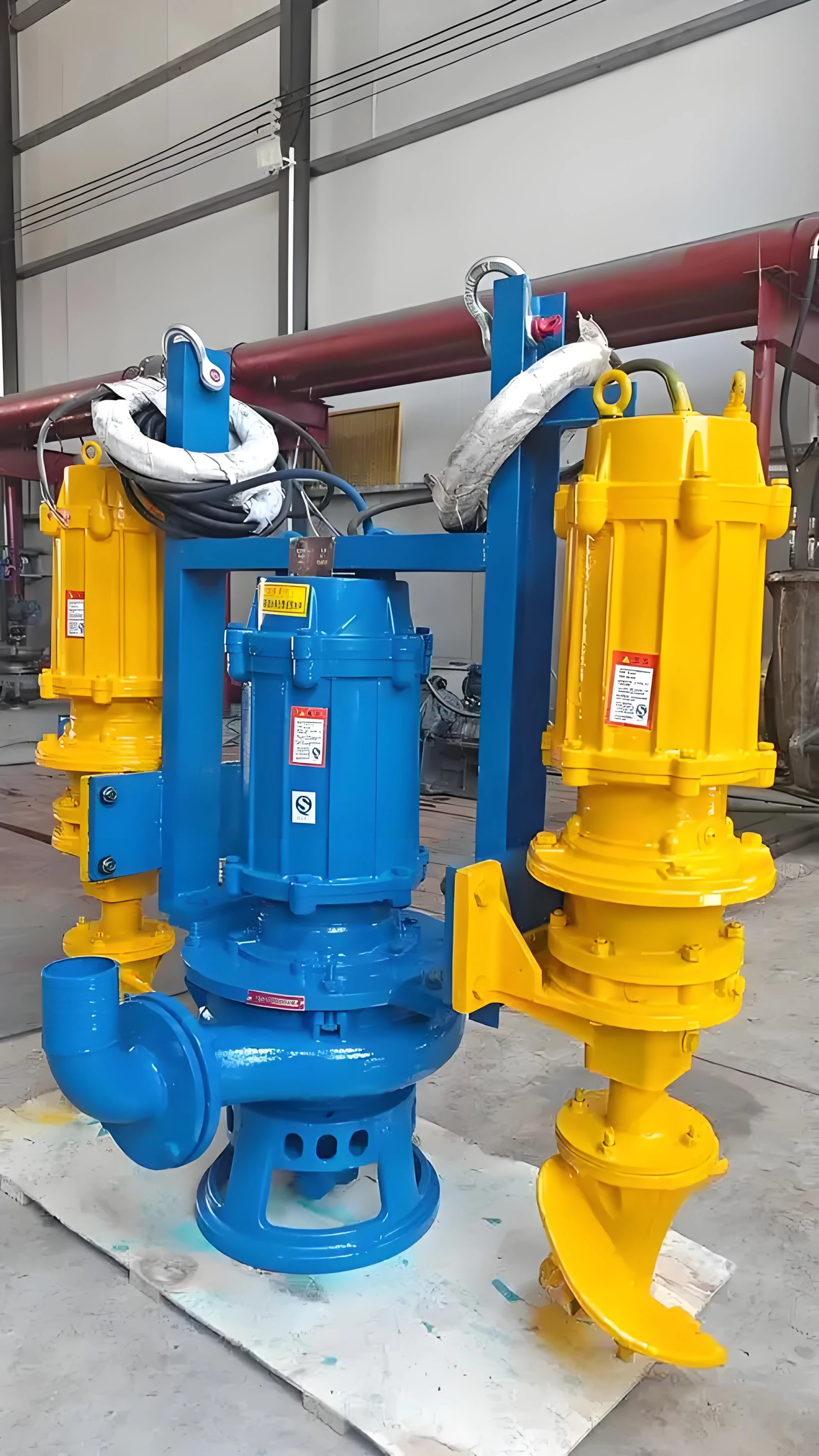
Slurry pump performance is fundamentally governed by hydraulic principles and mechanical engineering considerations. Force analysis focuses on stresses induced by fluid pressure, impeller loading, and bearing reactions. Computational Fluid Dynamics (CFD) is frequently employed to optimize impeller design for maximum efficiency and solids handling capability. Environmental resistance is a key concern; pumps operating in harsh environments require robust sealing systems to prevent leakage and ingress of contaminants. Compliance requirements often include adherence to API 610 standards for centrifugal pumps, ensuring safety and reliability. Furthermore, explosion-proof designs (ATEX certification) are necessary for applications in potentially flammable atmospheres. Functional implementation involves careful consideration of system hydraulics, including pipe sizing, valve selection, and pump characteristic curves. Net Positive Suction Head Required (NPSHr) is a critical parameter to prevent cavitation. The pump’s mechanical seal design must be compatible with the slurry composition and operating pressure to ensure long-term performance. Wear prediction modeling, based on erosion-corrosion mechanisms, is utilized to estimate component lifespan and optimize maintenance schedules. Pump efficiency is influenced by impeller geometry, internal clearances, and fluid viscosity; optimizing these parameters minimizes energy consumption and operational costs.
Technical Specifications
| Parameter | Unit | Typical Range (Small Pump) | Typical Range (Large Pump) |
|---|---|---|---|
| Flow Rate | m³/h | 5-50 | 200-1000 |
| Head | m | 10-30 | 50-150 |
| Solids Handling Size | mm | Up to 25 | Up to 150 |
| Slurry Concentration (Max) | % w/w | Up to 30 | Up to 70 |
| Pump Speed | RPM | 500-1500 | 500-1200 |
| Power | kW | 1.5-7.5 | 30-200 |
Failure Mode & Maintenance
Slurry pump failures commonly arise from several mechanisms: abrasive wear of the impeller and casing, erosion-corrosion due to the combined effects of fluid velocity and corrosive constituents, fatigue cracking in the shaft or impeller vanes, cavitation damage resulting from inadequate NPSH, and seal failures leading to leakage. Failure analysis often reveals that material selection played a significant role. For example, insufficient hardness can lead to rapid abrasive wear. Maintaining proper clearances between the impeller and casing is crucial to minimize wear rates. Preventative maintenance strategies include regular visual inspections for signs of wear or corrosion, vibration analysis to detect bearing damage, and lubrication of bearings. Elastomer components require periodic replacement based on operating conditions and slurry composition. Impeller and casing replacement are often necessary after prolonged use. A critical maintenance step is ensuring proper alignment of the pump and motor to prevent premature bearing failure. Scheduled shutdown for detailed inspections and component replacement is essential for maximizing pump lifespan and minimizing downtime. Monitoring pump performance parameters (flow rate, pressure, power consumption) can provide early indications of potential problems. Root cause analysis of failures is critical for preventing recurrence.
Industry FAQ
Q: What are the key considerations when selecting a material for a slurry pump handling highly abrasive silica slurries?
A: For highly abrasive silica slurries, high-chromium cast irons (20% - 28% Cr) are generally preferred due to their excellent abrasion resistance. However, the specific chromium content and heat treatment process are crucial. Consideration must also be given to the slurry’s pH. In acidic environments, duplex stainless steels or super austenitic stainless steels might be necessary to provide adequate corrosion resistance in addition to abrasion resistance. Rubber linings offer another option, particularly for lower velocity applications where erosion is less severe.
Q: How does impeller design impact the pump's efficiency and solids handling capability?
A: Impeller design is paramount. Open impellers are typically used for slurries with high solids concentrations, as they are less prone to clogging. However, closed impellers generally offer higher efficiency for cleaner fluids. The impeller’s vane angle, width, and number of vanes all influence performance. Optimizing these parameters through CFD analysis is essential. A wider impeller passage can improve solids handling, while a carefully designed vane geometry can minimize turbulence and energy losses.
Q: What is NPSHr and why is it important to ensure adequate NPSHa (Net Positive Suction Head Available)?
A: NPSHr (Net Positive Suction Head Required) is the minimum pressure required at the pump suction to prevent cavitation. Cavitation occurs when the liquid pressure drops below its vapor pressure, forming bubbles that collapse violently and damage the impeller. NPSHa (Net Positive Suction Head Available) is the actual pressure available at the pump suction. It is crucial to ensure NPSHa is significantly greater than NPSHr to avoid cavitation and maintain pump performance.
Q: What are the common causes of mechanical seal failure in slurry pump applications?
A: Common causes include abrasive wear of the seal faces, corrosion due to the slurry composition, improper installation, and misalignment of the pump shaft. Selecting a mechanical seal material compatible with the slurry is crucial. Consider using hardened seal faces or tungsten carbide seals for abrasive slurries. Regular inspection and replacement of the seals are also essential preventative measures.
Q: What role do coatings play in extending the life of slurry pump components?
A: Coatings can provide a barrier against abrasion, corrosion, and erosion. Common coatings include ceramic coatings, hardfacing alloys (like Stellite), and polymer coatings. The selection of the appropriate coating depends on the specific slurry composition and operating conditions. Coatings can significantly extend the lifespan of components like impellers, casings, and volute liners, reducing downtime and maintenance costs.
Conclusion
OEM slurry pumps are engineered systems demanding a holistic approach encompassing materials science, hydraulic design, and robust manufacturing processes. Optimizing pump performance and longevity necessitates a thorough understanding of slurry characteristics and operating conditions. Selecting appropriate materials, conducting rigorous failure analysis, and implementing proactive maintenance strategies are paramount to minimize downtime and lifecycle costs. The market consistently demands customization and reliable performance to address diverse industrial requirements.
Looking ahead, advancements in additive manufacturing and predictive maintenance utilizing sensor technologies and machine learning will further revolutionize the OEM slurry pump industry. The focus will shift towards designing more durable and efficient pumps, capable of handling increasingly challenging slurry applications. Continued innovation in material science, particularly in the development of new abrasion-resistant alloys and coatings, will play a critical role in extending pump lifespan and reducing environmental impact.
-
Comprehensive Guide to Waterproof ORings for Optimal Sealing Solutions
News2026-06-09
-
submergable pump Material Science
News2026-06-23
-
sewer injection pump Performance Engineering
News2026-06-23
-
Sewer Ejector Pump System Performance Analysis
News2026-06-23
-
septic tank pump for sale Performance Engineering
News2026-06-23
-
septic pump for sale Performance Engineering
News2026-06-23
-
septic ejector system Performance Analysis
News2026-06-22
-
replace septic pump Performance Analysis
News2026-06-22
-
pump system septic tank Performance Analysis
News2026-06-22
-
lift pump for sewer Performance and Engineering
News2026-06-22
-
industrial submersible water pump Material Science
News2026-06-22
-
industrial submersible pumps Material Science and Manufacturing
News2026-06-21
-
best sewer ejector pump Performance Analysis
News2026-06-21
-
best septic pump Performance Analysis
News2026-06-21
-
1 2 hp septic pump Performance Engineering
News2026-06-21




