English
- Afrikaans
- Albanian
- Amharic
- Arabic
- Armenian
- Azerbaijani
- Basque
- Belarusian
- Bengali
- Bosnian
- Bulgarian
- Catalan
- Cebuano
- Corsican
- Croatian
- Czech
- Danish
- Dutch
- English
- Esperanto
- Estonian
- Finnish
- French
- Frisian
- Galician
- Georgian
- German
- Greek
- Gujarati
- Haitian Creole
- hausa
- hawaiian
- Hebrew
- Hindi
- Miao
- Hungarian
- Icelandic
- igbo
- Indonesian
- irish
- Italian
- Japanese
- Javanese
- Kannada
- kazakh
- Khmer
- Rwandese
- Korean
- Kurdish
- Kyrgyz
- Lao
- Latin
- Latvian
- Lithuanian
- Luxembourgish
- Macedonian
- Malgashi
- Malay
- Malayalam
- Maltese
- Maori
- Marathi
- Mongolian
- Myanmar
- Nepali
- Norwegian
- Norwegian
- Occitan
- Pashto
- Persian
- Polish
- Portuguese
- Punjabi
- Romanian
- Russian
- Samoan
- Scottish Gaelic
- Serbian
- Sesotho
- Shona
- Sindhi
- Sinhala
- Slovak
- Slovenian
- Somali
- Spanish
- Sundanese
- Swahili
- Swedish
- Tagalog
- Tajik
- Tamil
- Tatar
- Telugu
- Thai
- Turkish
- Turkmen
- Ukrainian
- Urdu
- Uighur
- Uzbek
- Vietnamese
- Welsh
- Bantu
- Yiddish
- Yoruba
- Zulu

Telephone: +86 13120555503
Email: frank@cypump.com


Apr . 01, 2024 17:55 Back to list
oem short delivery slurry pump Performance Analysis
Introduction
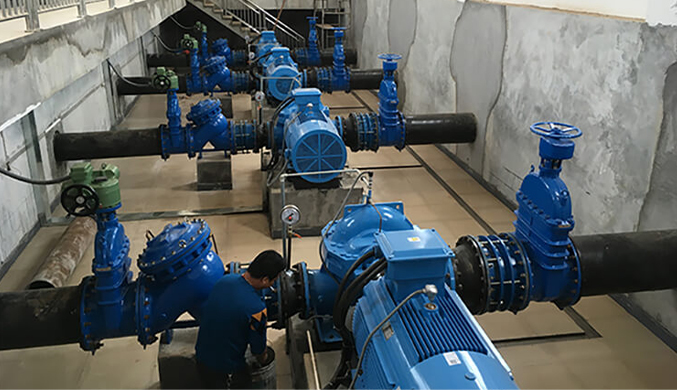
OEM short delivery slurry pumps are centrifugal pumps specifically designed for the transportation of abrasive, corrosive, and high-solids content slurries. Positioned within the industrial fluid handling chain as a critical component of process efficiency, these pumps find application in sectors including mining, mineral processing, wastewater treatment, chemical processing, and dredging. Their "short delivery" design – a minimized distance between the impeller discharge and the pump casing volute – enhances hydraulic efficiency and reduces localized erosion. Core performance characteristics center around maintaining flow rates and discharge pressures despite the challenging nature of the transported media, and ensuring long-term operational reliability in demanding environments. A significant industry pain point is premature pump failure due to abrasive wear and corrosion; therefore, material selection and design are paramount. OEM specifications often dictate stringent adherence to performance curves and material certifications for process consistency and regulatory compliance.
Material Science & Manufacturing
The construction of OEM short delivery slurry pumps relies heavily on specific material properties to withstand abrasive wear, corrosion, and high impact forces. Common materials include high-chrome cast iron (typically 27-30% chromium) for the impeller and casing, offering excellent resistance to sliding abrasion. Pump casings can also utilize ductile iron with elastomer linings (rubber, polyurethane) for enhanced corrosion resistance and noise reduction. Shafts are typically manufactured from alloy steels (e.g., 4140, 4340) heat-treated to achieve high tensile strength and torsional rigidity. Seals are often mechanical seals constructed from materials like silicon carbide or tungsten carbide, paired with elastomers compatible with the slurry’s chemical composition (e.g., Viton, EPDM).
Manufacturing processes are multi-stage. Casing production involves sand casting or investment casting, followed by machining to precise tolerances. Impeller manufacturing utilizes centrifugal casting or lost-wax investment casting to achieve complex geometries and accurate dimensions. Welding procedures (SMAW, GTAW, FCAW) are critical for joining components, requiring qualified welders and strict adherence to welding parameters (preheat, interpass temperature, shielding gas). Non-destructive testing (NDT) – including radiographic inspection, ultrasonic testing, and liquid penetrant inspection – is employed to verify weld integrity and detect subsurface flaws. Surface hardening treatments, such as heat treatment and high-velocity oxygen fuel (HVOF) coating, are often applied to impeller vanes and casing internals to further enhance wear resistance. Proper control of pouring temperature, cooling rates, and machining parameters are crucial to minimize residual stresses and ensure dimensional accuracy.
Performance & Engineering
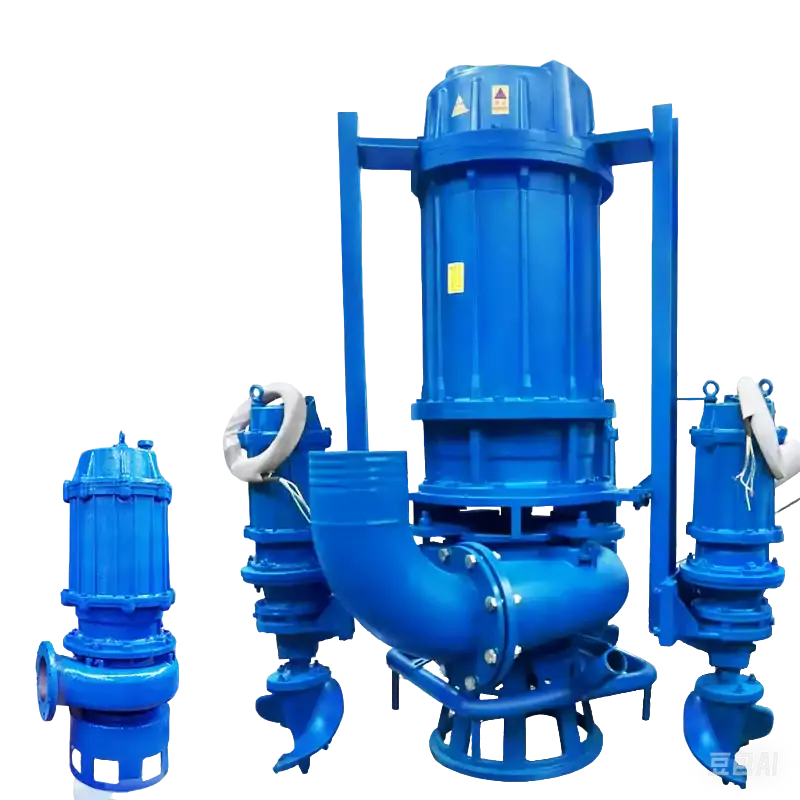
The hydraulic performance of a short delivery slurry pump is governed by fundamental principles of fluid dynamics. Force analysis considers impeller centrifugal force, slurry weight, and fluid friction losses within the pump casing and piping system. The short delivery design minimizes recirculation losses and optimizes hydraulic efficiency, particularly at higher slurry concentrations. Cavitation is a significant concern, especially when handling low-density slurries; therefore, Net Positive Suction Head Required (NPSHr) calculations are crucial for pump selection and installation. Environmental resistance is addressed through material selection and protective coatings. For example, pumps operating in corrosive environments require casings and impellers made from corrosion-resistant alloys or lined with protective polymers.
Compliance requirements vary by industry and geographic region. For example, in the mining industry, pumps used in potentially explosive atmospheres must comply with ATEX or IECEx standards. In the chemical processing industry, pumps handling hazardous materials must meet stringent safety regulations outlined by OSHA (Occupational Safety and Health Administration) or equivalent bodies. Functional implementation often involves integration with automated control systems (PLC, SCADA) for remote monitoring and control of pump speed, flow rate, and pressure. Proper pump alignment and piping support are essential to minimize vibration and prevent premature bearing failure. Discharge piping should be designed to minimize head loss and prevent slurry settling.
Technical Specifications
| Parameter | Unit | Typical Range | Material Options |
|---|---|---|---|
| Flow Rate | m³/h | 5 – 500 | Cast Iron, Stainless Steel, Alloy Steel |
| Discharge Head | m | 10 – 100 | Cast Iron, Stainless Steel, Alloy Steel |
| Slurry Concentration (Max) | % w/w | Up to 70 | Elastomer Lining, High Chrome Iron |
| Particle Size (Max) | mm | Up to 75 | Hard Metal Impellers, Alloy Casings |
| Impeller Diameter | mm | 100 – 400 | High Chrome Iron, Stainless Steel |
| Seal Type | - | Mechanical Seal, Packed Gland | SiC/SiC, TC/TC, Viton, EPDM |
Failure Mode & Maintenance
Common failure modes in OEM short delivery slurry pumps include abrasive wear of the impeller and casing, corrosion-induced degradation of pump components, mechanical seal failure, bearing failure, and cavitation damage. Abrasive wear is accelerated by high slurry velocities and the presence of sharp, angular particles. Corrosion is influenced by the slurry's pH, temperature, and chemical composition. Mechanical seal failure can result from abrasive particles lodging between the seal faces, thermal distortion, or chemical incompatibility. Bearing failure is often caused by improper lubrication, misalignment, or excessive loads. Cavitation leads to pitting and erosion of the impeller vanes.
Preventive maintenance is crucial for extending pump life. Regular inspection of the impeller and casing for wear is essential. Periodic replacement of wear parts (impellers, liners, seals) is recommended based on operating hours and slurry characteristics. Proper lubrication of bearings is vital. Monitoring pump vibration and temperature can provide early warning signs of potential problems. Alignment checks should be performed regularly. Thorough flushing of the pump casing after each use can prevent slurry buildup and corrosion. Implementing a robust maintenance schedule, incorporating visual inspections, performance monitoring, and proactive component replacement, significantly reduces the risk of catastrophic failures and minimizes downtime.
Industry FAQ
Q: What is the primary difference between a short delivery and a standard centrifugal slurry pump?
A: A short delivery pump minimizes the distance between the impeller discharge and the pump casing volute. This reduces recirculation losses, improves hydraulic efficiency, and lowers the risk of localized erosion, particularly in high-solids applications.
Q: How does the slurry composition affect material selection for pump components?
A: The slurry's abrasiveness, corrosivity, and particle size dictate material choices. Highly abrasive slurries necessitate high-chrome iron or hard metal impellers. Corrosive slurries require corrosion-resistant alloys or elastomer linings. Large particle sizes demand robust impeller designs and wider flow passages.
Q: What are the critical considerations for preventing cavitation in slurry pumps?
A: Ensuring adequate NPSHa (Net Positive Suction Head Available) is paramount. This requires optimizing suction piping design, minimizing suction lift, and avoiding excessive flow velocities in the suction line. Also consider a lower pump speed.
Q: How can I determine the appropriate pump size for a specific application?
A: Pump sizing requires a detailed analysis of the flow rate, discharge head, slurry density, particle size distribution, and piping system characteristics. Utilizing pump performance curves and consulting with a pump specialist is recommended.
Q: What role do mechanical seals play in slurry pump reliability?
A: Mechanical seals prevent leakage and maintain pump efficiency. Selecting a seal material compatible with the slurry’s chemical composition and utilizing robust seal designs are critical for long-term reliability. Regular seal inspection and replacement are essential maintenance practices.
Conclusion
OEM short delivery slurry pumps represent a critical component in numerous industrial processes requiring the robust handling of abrasive and corrosive slurries. Their specialized design, material selection, and manufacturing processes directly address the challenges of maintaining consistent performance and long-term reliability in demanding environments. The selection of appropriate materials, meticulous attention to installation and alignment, and the implementation of a comprehensive maintenance program are paramount to maximizing pump life and minimizing operational costs.
Future developments in slurry pump technology are likely to focus on advancements in materials science – exploring novel alloys and coatings for enhanced wear and corrosion resistance – and the integration of smart sensors and predictive maintenance analytics for proactive failure prevention. Furthermore, optimizing hydraulic designs through computational fluid dynamics (CFD) modeling will contribute to improved energy efficiency and reduced operating costs. Continued adherence to industry standards and best practices will remain crucial for ensuring safe and reliable operation.
-
Comprehensive Guide to Waterproof ORings for Optimal Sealing Solutions
News2026-06-09
-
submergable pump Material Science
News2026-06-23
-
sewer injection pump Performance Engineering
News2026-06-23
-
Sewer Ejector Pump System Performance Analysis
News2026-06-23
-
septic tank pump for sale Performance Engineering
News2026-06-23
-
septic pump for sale Performance Engineering
News2026-06-23
-
septic ejector system Performance Analysis
News2026-06-22
-
replace septic pump Performance Analysis
News2026-06-22
-
pump system septic tank Performance Analysis
News2026-06-22
-
lift pump for sewer Performance and Engineering
News2026-06-22
-
industrial submersible water pump Material Science
News2026-06-22
-
industrial submersible pumps Material Science and Manufacturing
News2026-06-21
-
best sewer ejector pump Performance Analysis
News2026-06-21
-
best septic pump Performance Analysis
News2026-06-21
-
1 2 hp septic pump Performance Engineering
News2026-06-21




