English
- Afrikaans
- Albanian
- Amharic
- Arabic
- Armenian
- Azerbaijani
- Basque
- Belarusian
- Bengali
- Bosnian
- Bulgarian
- Catalan
- Cebuano
- Corsican
- Croatian
- Czech
- Danish
- Dutch
- English
- Esperanto
- Estonian
- Finnish
- French
- Frisian
- Galician
- Georgian
- German
- Greek
- Gujarati
- Haitian Creole
- hausa
- hawaiian
- Hebrew
- Hindi
- Miao
- Hungarian
- Icelandic
- igbo
- Indonesian
- irish
- Italian
- Japanese
- Javanese
- Kannada
- kazakh
- Khmer
- Rwandese
- Korean
- Kurdish
- Kyrgyz
- Lao
- Latin
- Latvian
- Lithuanian
- Luxembourgish
- Macedonian
- Malgashi
- Malay
- Malayalam
- Maltese
- Maori
- Marathi
- Mongolian
- Myanmar
- Nepali
- Norwegian
- Norwegian
- Occitan
- Pashto
- Persian
- Polish
- Portuguese
- Punjabi
- Romanian
- Russian
- Samoan
- Scottish Gaelic
- Serbian
- Sesotho
- Shona
- Sindhi
- Sinhala
- Slovak
- Slovenian
- Somali
- Spanish
- Sundanese
- Swahili
- Swedish
- Tagalog
- Tajik
- Tamil
- Tatar
- Telugu
- Thai
- Turkish
- Turkmen
- Ukrainian
- Urdu
- Uighur
- Uzbek
- Vietnamese
- Welsh
- Bantu
- Yiddish
- Yoruba
- Zulu

Telephone: +86 13120555503
Email: frank@cypump.com


Apr . 01, 2024 17:55 Back to list
oem short delivery slurry pump factory Performance Analysis
Introduction
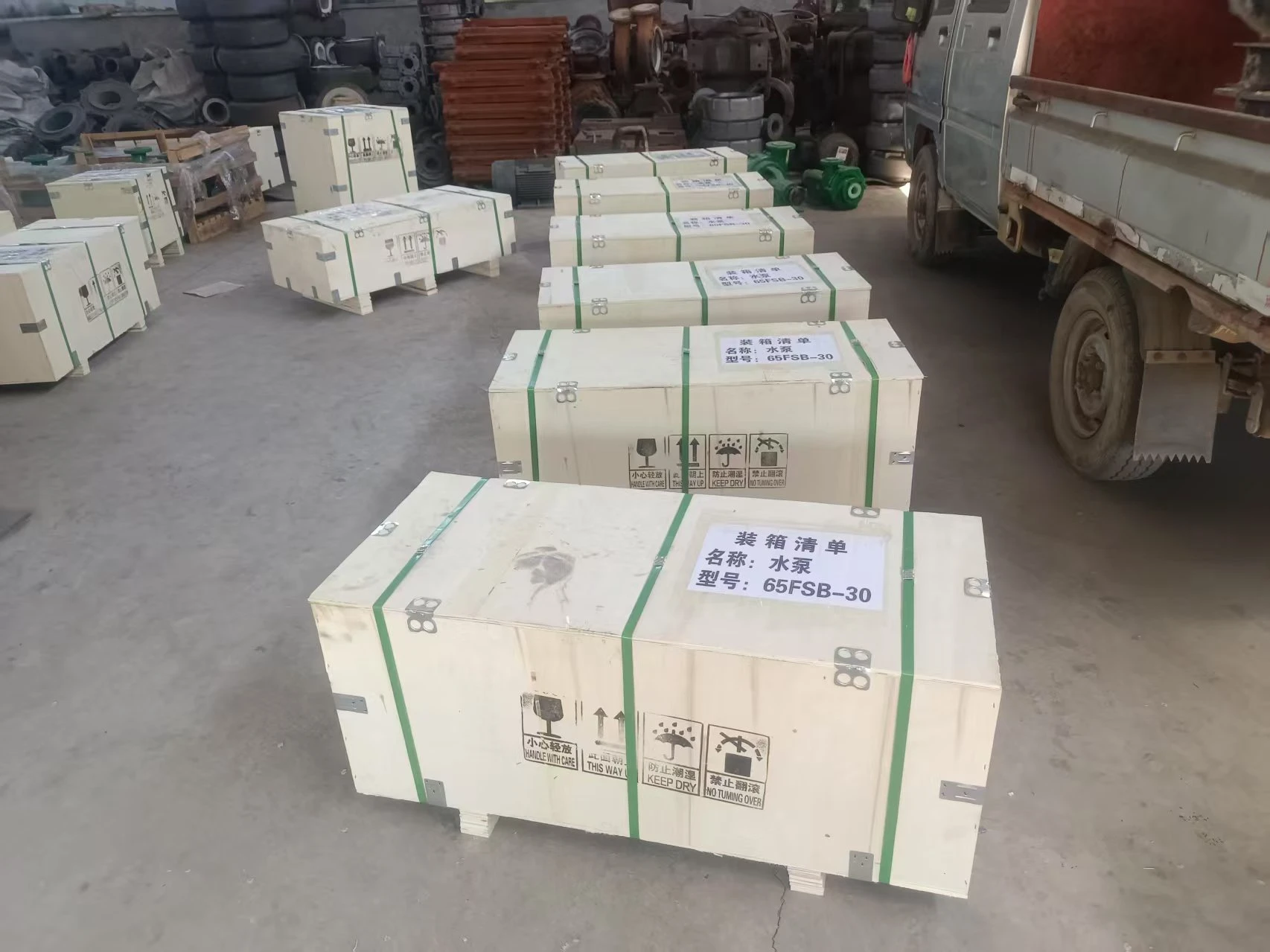
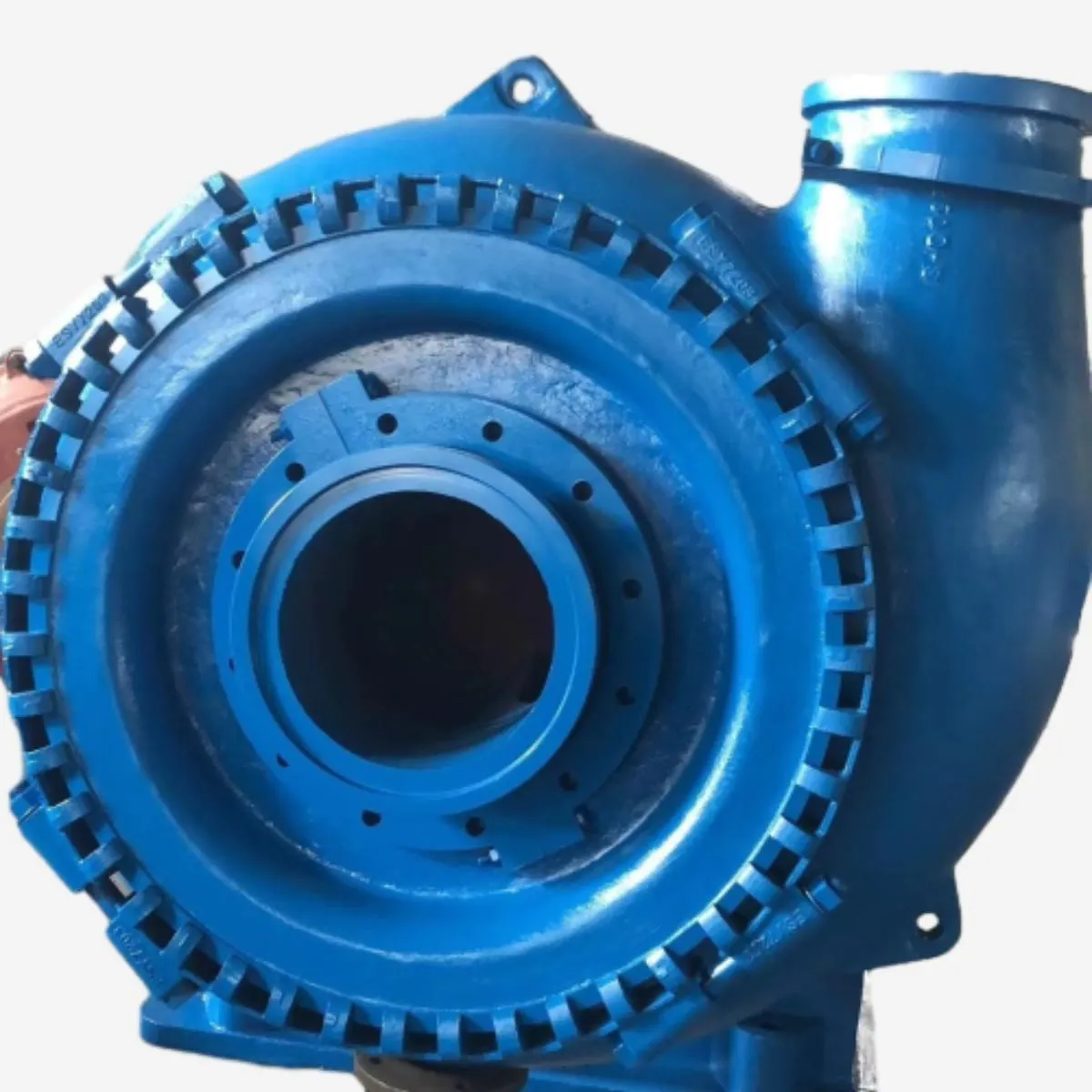
OEM short delivery slurry pumps represent a critical component within fluid handling systems, primarily utilized in industries requiring the transportation of abrasive or high-solids content slurries. These pumps, distinct from standard centrifugal pumps, are engineered for applications where material degradation and pump wear are significant concerns. Their position in the industry chain lies between raw material processing (mining, dredging, wastewater treatment) and downstream processes (material separation, pipeline transport, discharge). Core performance characteristics revolve around abrasion resistance, solids handling capacity, high head pressure generation, and operational reliability in demanding environments. The ‘short delivery’ aspect refers to the pump's ability to efficiently maintain flow rate even with variations in suction head, a key factor in minimizing cavitation and maximizing uptime. The selection and implementation of these pumps necessitate a deep understanding of slurry rheology, pump material science, and system integration principles.
Material Science & Manufacturing
The performance and longevity of slurry pumps are fundamentally linked to the materials used in their construction. Common materials include high-chromium cast irons (typically 13-28% Cr) selected for their exceptional abrasion resistance against hard particles. These alloys form a hard carbide matrix during casting, which resists wear. Pump casings may also utilize rubber linings (natural or synthetic) or ceramic coatings for specific applications involving highly corrosive slurries. Impeller materials frequently include white irons (high iron content with carbides) or specialty alloys like duplex stainless steel for combined abrasion and corrosion resistance. The manufacturing process typically begins with sand casting for larger components, followed by machining to precise tolerances. Welding procedures, specifically submerged arc welding (SAW), are crucial for joining casing sections and applying wear-resistant overlays. Critical parameters include pre- and post-weld heat treatment to minimize stress concentration and maintain material properties. Impeller manufacturing often involves investment casting for complex geometries, ensuring accurate blade profiles for optimal hydraulic performance. Quality control focuses on hardness testing (Brinell, Vickers), chemical composition analysis (spectrometry), and non-destructive testing (radiography, ultrasonic testing) to detect flaws in castings and welds. Liner bonding employs vulcanization techniques ensuring a secure adhesion between rubber and metal substrates.
Performance & Engineering
Slurry pump performance hinges on hydraulic design, specifically the impeller geometry and casing volute. Force analysis considers both centrifugal force generated by the impeller and the impact forces exerted by solid particles. Cavitation, a significant failure mode, is mitigated through careful selection of impeller eye diameter, suction pipe design (NPSHa calculations), and pump speed control. Environmental resistance is crucial, demanding consideration of operating temperature, slurry pH, and the presence of corrosive agents. Pumps operating in highly abrasive environments require detailed wear prediction modeling, utilizing particle size distribution (PSD) and slurry velocity data. Compliance requirements vary by region, but generally include adherence to ISO 9001 quality management systems and potentially industry-specific standards like API 674 for reciprocating positive displacement pumps (relevant for some specialized slurry pump designs). The pump's efficiency is strongly related to maintaining optimal slip velocity between the slurry and the impeller, requiring accurate estimation of slurry density and viscosity. Finite element analysis (FEA) is employed during the design phase to assess stress distribution within the pump casing and impeller, identifying potential areas of weakness. The short delivery characteristic is engineered through careful volute design and impeller trim, optimizing the pump's performance curve for specific system head-flow requirements.
Technical Specifications
| Pump Capacity (m³/hr) | Discharge Head (m) | Maximum Solid Particle Size (mm) | Pump Material (Casing) |
|---|---|---|---|
| 10 – 500 | 5 – 100 | Up to 100 | High-Chromium Cast Iron |
| 5 – 200 | 15 – 60 | Up to 50 | Rubber Lined Steel |
| 20 – 800 | 10 – 150 | Up to 75 | Stainless Steel (Duplex) |
| 3 – 100 | 20 – 80 | Up to 60 | Ceramic Coated Steel |
| 15 – 300 | 8 – 70 | Up to 80 | High-Chromium Cast Iron with Polymer Coating |
| 8 – 150 | 30 – 90 | Up to 40 | Nickel-Hardened Cast Iron |
Failure Mode & Maintenance
Slurry pump failures are typically categorized as abrasion, erosion, corrosion, or mechanical failure. Abrasion, the most common, occurs due to the impact of solid particles on pump components, leading to material loss. Erosion results from high-velocity slurry flow, causing localized wear. Corrosion is driven by chemical reactions between the slurry and pump materials. Mechanical failures include bearing failure, shaft breakage, and seal leakage. Fatigue cracking can occur in the pump casing due to cyclic loading. Failure analysis techniques include visual inspection, metallographic examination, and chemical analysis. Preventive maintenance is critical. This includes regular monitoring of pump vibration, bearing temperature, and seal leakage. Impeller and casing wear should be periodically assessed and components replaced before catastrophic failure. Proper lubrication of bearings and seals is essential. Slurry analysis should be conducted to identify abrasive particles and adjust pump operation accordingly. Routine inspections of the pump alignment and baseplate stability are also vital. For rubber-lined pumps, bonding integrity must be checked regularly. Implementing a robust maintenance schedule tailored to the specific slurry characteristics and operating conditions significantly extends pump life and reduces downtime. Utilizing wear-resistant coatings and conducting regular inspections with borescope technology can identify early signs of erosion or corrosion.
Industry FAQ
Q: What is the impact of slurry particle size distribution (PSD) on pump wear rates?
A: PSD is a primary determinant of abrasion rates. A higher concentration of larger, harder particles exponentially increases wear. Pumps operating with coarser slurries require materials with higher abrasion resistance and potentially lower impeller speeds. Accurate PSD analysis is vital for selecting the appropriate pump materials and predicting component lifespan.
Q: How do you mitigate cavitation in a slurry pump application?
A: Cavitation is often exacerbated by insufficient NPSHa (Net Positive Suction Head Available). Increasing suction head, reducing pump speed, and optimizing suction pipe diameter can mitigate cavitation. Proper impeller design, with an appropriate eye diameter, is also crucial. Regularly monitoring pump performance and addressing any drops in efficiency can indicate the onset of cavitation.
Q: What are the advantages of rubber lining over hard metal alloys for pump casings?
A: Rubber linings excel in handling highly corrosive slurries, offering superior resistance to chemical attack. They also dampen noise and vibration. However, rubber is less abrasion resistant than high-chromium irons and has a lower maximum operating temperature. The choice depends on the specific slurry composition and operating conditions.
Q: What are the key considerations when selecting a seal type for a slurry pump?
A: Mechanical seals are commonly used, but the seal face material must be compatible with the slurry's abrasive and corrosive properties. Seal flushing systems are often necessary to prevent abrasive particles from lodging between the seal faces. Packing is a lower-cost alternative but requires more frequent adjustment and maintenance. Selecting the appropriate seal depends on slurry characteristics, pump pressure, and maintenance capabilities.
Q: How does slurry viscosity affect pump performance and efficiency?
A: Higher viscosity slurries increase frictional losses within the pump, reducing flow rate and efficiency. Viscosity also affects the pump's power consumption. Accurate viscosity measurements are essential for proper pump selection and system design. In some cases, viscosity-reducing agents may be used to improve pump performance.
Conclusion
OEM short delivery slurry pumps represent a specialized engineering solution to challenging fluid handling problems. Their design and material selection are critically dependent upon a thorough understanding of slurry characteristics, operating conditions, and potential failure modes. The optimization of these pumps necessitates a holistic approach, encompassing hydraulic design, material science, and robust maintenance practices.
Continued advancements in materials technology, such as the development of new ceramic coatings and high-alloy steels, are expected to further enhance the performance and longevity of slurry pumps. Furthermore, the integration of predictive maintenance technologies, leveraging sensor data and machine learning algorithms, promises to optimize pump operation and minimize unplanned downtime, reducing the total cost of ownership for end-users.
-
Comprehensive Guide to Waterproof ORings for Optimal Sealing Solutions
News2026-06-09
-
submergable pump Material Science
News2026-06-23
-
sewer injection pump Performance Engineering
News2026-06-23
-
Sewer Ejector Pump System Performance Analysis
News2026-06-23
-
septic tank pump for sale Performance Engineering
News2026-06-23
-
septic pump for sale Performance Engineering
News2026-06-23
-
septic ejector system Performance Analysis
News2026-06-22
-
replace septic pump Performance Analysis
News2026-06-22
-
pump system septic tank Performance Analysis
News2026-06-22
-
lift pump for sewer Performance and Engineering
News2026-06-22
-
industrial submersible water pump Material Science
News2026-06-22
-
industrial submersible pumps Material Science and Manufacturing
News2026-06-21
-
best sewer ejector pump Performance Analysis
News2026-06-21
-
best septic pump Performance Analysis
News2026-06-21
-
1 2 hp septic pump Performance Engineering
News2026-06-21




