English
- Afrikaans
- Albanian
- Amharic
- Arabic
- Armenian
- Azerbaijani
- Basque
- Belarusian
- Bengali
- Bosnian
- Bulgarian
- Catalan
- Cebuano
- Corsican
- Croatian
- Czech
- Danish
- Dutch
- English
- Esperanto
- Estonian
- Finnish
- French
- Frisian
- Galician
- Georgian
- German
- Greek
- Gujarati
- Haitian Creole
- hausa
- hawaiian
- Hebrew
- Hindi
- Miao
- Hungarian
- Icelandic
- igbo
- Indonesian
- irish
- Italian
- Japanese
- Javanese
- Kannada
- kazakh
- Khmer
- Rwandese
- Korean
- Kurdish
- Kyrgyz
- Lao
- Latin
- Latvian
- Lithuanian
- Luxembourgish
- Macedonian
- Malgashi
- Malay
- Malayalam
- Maltese
- Maori
- Marathi
- Mongolian
- Myanmar
- Nepali
- Norwegian
- Norwegian
- Occitan
- Pashto
- Persian
- Polish
- Portuguese
- Punjabi
- Romanian
- Russian
- Samoan
- Scottish Gaelic
- Serbian
- Sesotho
- Shona
- Sindhi
- Sinhala
- Slovak
- Slovenian
- Somali
- Spanish
- Sundanese
- Swahili
- Swedish
- Tagalog
- Tajik
- Tamil
- Tatar
- Telugu
- Thai
- Turkish
- Turkmen
- Ukrainian
- Urdu
- Uighur
- Uzbek
- Vietnamese
- Welsh
- Bantu
- Yiddish
- Yoruba
- Zulu

Telephone: +86 13120555503
Email: frank@cypump.com


Apr . 01, 2024 17:55 Back to list
oem rubber lined slurry pump suppliers Performance Analysis
Introduction
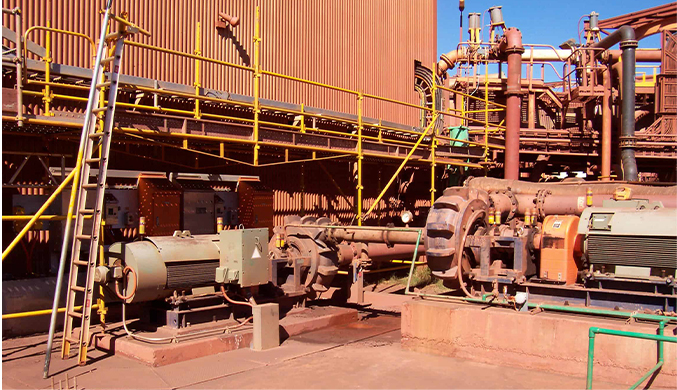
OEM rubber lined slurry pumps are critical components in industries handling abrasive and corrosive fluids, including mining, mineral processing, wastewater treatment, and chemical processing. Their primary function is to reliably transport slurries—mixtures of liquids and solid particles—often over significant distances and against substantial head pressures. The ‘rubber lining’ is not merely a coating, but a carefully engineered protective layer designed to mitigate erosion and corrosion, extending pump lifespan and reducing operational downtime. These pumps represent a significant cost center for operations, making component selection and long-term reliability paramount. This guide provides an in-depth technical examination of rubber lined slurry pumps, covering material science, manufacturing processes, performance characteristics, failure modes, maintenance protocols, and relevant industry standards, targeting procurement managers and engineers responsible for pump specification and lifecycle management. OEM suppliers provide customization and often offer specialized solutions tailored to specific slurry compositions and operating conditions. The performance of these pumps is directly linked to the properties of the rubber lining and the integrity of its bond to the pump casing.
Material Science & Manufacturing
The performance of a rubber lined slurry pump fundamentally depends on the properties of the materials employed. Pump casings are typically constructed from high-strength cast iron, alloy steel, or ductile iron. However, these materials are susceptible to erosion and corrosion when exposed to abrasive slurries and aggressive chemical environments. This is where the rubber lining becomes crucial. Common rubber materials include natural rubber, styrene-butadiene rubber (SBR), chloroprene rubber (CR, Neoprene), ethylene propylene diene monomer (EPDM), and polyurethane. Each elastomer possesses unique chemical resistance and abrasion resistance characteristics. Natural rubber exhibits high resilience and tear strength but has limited resistance to oils and ozone. SBR offers improved abrasion resistance and lower cost but similar chemical limitations. Chloroprene rubber provides excellent resistance to oil, ozone, and weathering, making it suitable for a broader range of applications. EPDM excels in resistance to heat, ozone, and weathering, and is often chosen for demanding chemical applications. Polyurethane offers the highest abrasion resistance but can be susceptible to hydrolysis.
The manufacturing process involves several key stages. Firstly, the metallic pump casing undergoes rigorous surface preparation, including grit blasting to create a profile for optimal bonding. Secondly, the rubber compound is mixed and molded, often using a pre-vulcanization process to partially cure the rubber before application. The rubber lining is then applied to the casing using various techniques, including: continuous sheet lining, where a single sheet of rubber is vulcanized onto the casing; block lining, utilizing pre-formed rubber blocks; and spray lining, employing a rubber compound sprayed onto the casing. Vulcanization, a chemical process involving cross-linking of rubber polymers with sulfur or other curing agents, is critical for achieving the desired mechanical properties and chemical resistance. Precise control of temperature, pressure, and curing time is essential to ensure a uniform and durable lining. Quality control checks include visual inspection for defects, bond strength testing, and thickness measurements.
Performance & Engineering
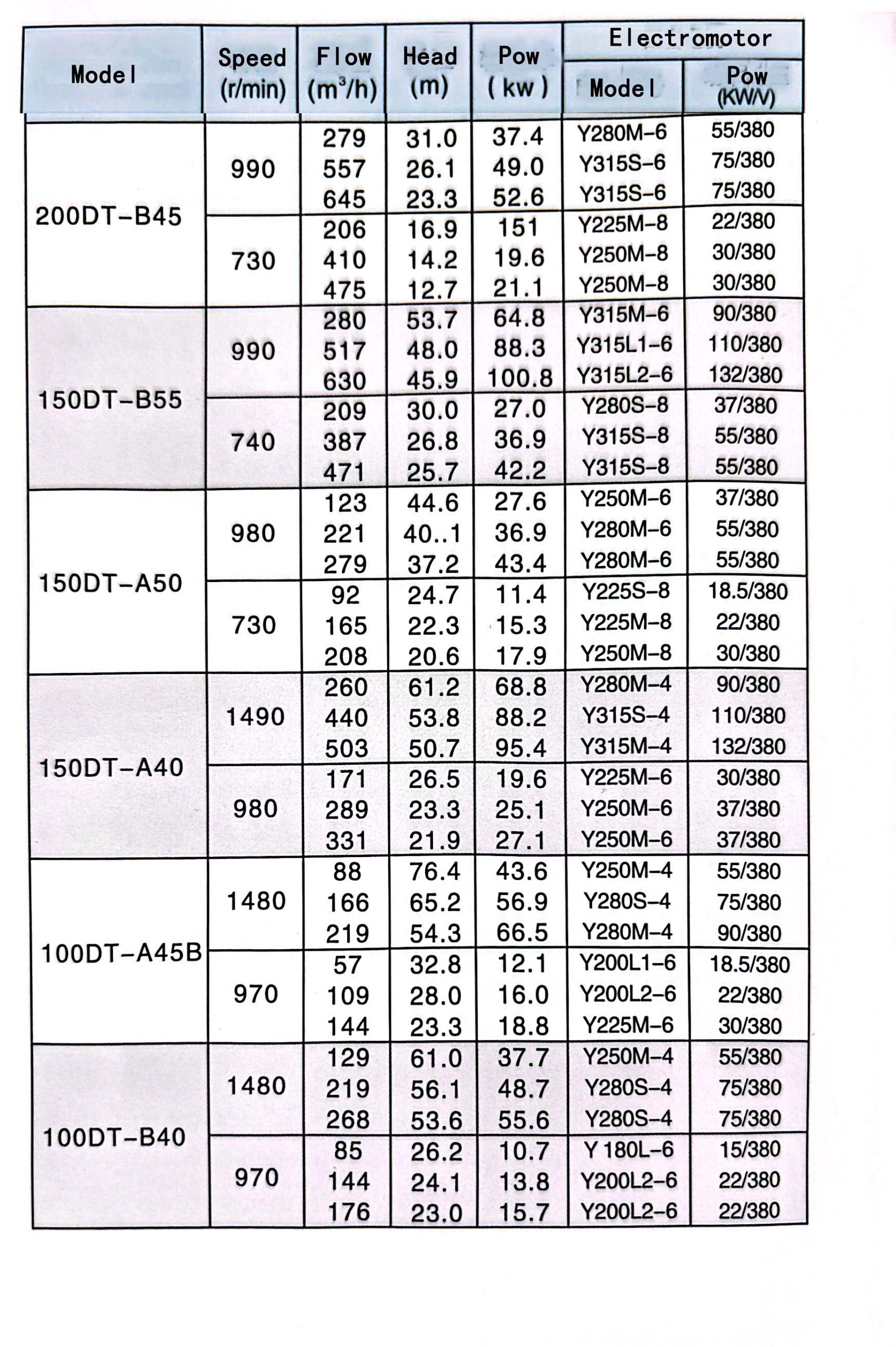
The performance of a rubber lined slurry pump is dictated by several engineering considerations. Hydraulic design focuses on maximizing efficiency and minimizing erosion. Impeller design, specifically the impeller diameter, blade angle, and number of blades, influences flow rate, head, and power consumption. Volute casing design also plays a crucial role in guiding the slurry flow and converting velocity energy into pressure energy. A critical performance parameter is the pump's Net Positive Suction Head Required (NPSHr), which must be less than the Net Positive Suction Head Available (NPSHa) to prevent cavitation. Cavitation, the formation and collapse of vapor bubbles, can severely damage the pump’s impeller and lining.
Force analysis is vital in understanding the stresses acting on the pump components. Slurry flow induces both hydrodynamic forces and impact forces due to particle collisions. The rubber lining must withstand these forces without deformation or delamination. The pump's mechanical seals are also subject to significant wear and require careful selection and maintenance. Environmental resistance considerations include temperature variations, exposure to UV radiation, and corrosive chemicals. The rubber lining must maintain its integrity under these conditions. Compliance requirements vary by industry and region. For example, pumps used in the food and beverage industry must comply with FDA regulations, while pumps used in hazardous environments must meet ATEX or IECEx standards. Proper material selection and design are crucial for meeting these requirements. Furthermore, the pump’s hydrodynamic performance must be carefully balanced against the wear resistance of the rubber lining to optimize lifecycle costs.
Technical Specifications
| Parameter | Unit | Typical Range (OEM Supplier A) | Typical Range (OEM Supplier B) |
|---|---|---|---|
| Flow Rate | m³/hr | 5 – 500 | 10 – 600 |
| Head | m | 10 – 100 | 15 – 120 |
| Slurry Concentration (Max) | % by weight | Up to 70 | Up to 60 |
| Rubber Lining Thickness | mm | 6 – 12 | 8 – 15 |
| Rubber Hardness (Shore A) | - | 60 – 95 | 55 – 90 |
| Maximum Slurry Temperature | °C | -40 to 120 | -30 to 150 |
Failure Mode & Maintenance
Rubber lined slurry pumps are subject to various failure modes. Erosion is the most common, particularly in areas of high slurry velocity, such as the impeller and volute. This manifests as gradual material loss from the rubber lining. Corrosion can occur when the rubber lining is exposed to aggressive chemicals, leading to degradation and cracking. Fatigue cracking can develop due to cyclic loading and stress concentrations, especially in the pump casing. Delamination, the separation of the rubber lining from the metallic substrate, is a critical failure mode often caused by poor surface preparation or inadequate bonding. Oxidation can occur over time, leading to hardening and cracking of the rubber lining.
Preventative maintenance is crucial for maximizing pump lifespan. Regular inspection of the rubber lining for wear and damage is essential. Visual inspection should be supplemented by non-destructive testing methods such as ultrasonic thickness measurement. Lubrication of bearings and seals is critical for preventing premature failure. Monitoring pump performance parameters, such as flow rate, head, and power consumption, can provide early warning signs of impending failure. In the event of rubber lining failure, repair options include patch repairs, localized relining, or complete relining. Patch repairs are suitable for minor damage, while complete relining is necessary for extensive wear or delamination. The selection of a qualified OEM supplier for relining services is crucial for ensuring a durable and reliable repair. Proper storage of spare parts, including impellers, seals, and rubber lining sheets, is also essential for minimizing downtime.
Industry FAQ
Q: What is the optimal rubber lining material for handling a highly abrasive slurry containing silica particles?
A: For highly abrasive silica slurries, a high-hardness polyurethane lining is generally recommended due to its superior abrasion resistance. However, the specific chemical composition of the slurry must also be considered, as some polyurethane formulations are susceptible to hydrolysis. A detailed slurry analysis is essential to confirm compatibility. Alternatively, a natural rubber blend with high filler content can provide a cost-effective solution, though it may require more frequent replacement.
Q: How does the rubber lining thickness affect pump performance and lifespan?
A: Increasing rubber lining thickness generally enhances erosion resistance and extends pump lifespan, particularly in abrasive applications. However, excessive thickness can reduce the internal flow area, potentially decreasing pump efficiency and increasing power consumption. A balance must be struck between erosion protection and hydraulic performance. The optimal thickness depends on the slurry’s abrasiveness, velocity, and operating conditions.
Q: What are the key considerations for ensuring a strong bond between the rubber lining and the pump casing?
A: Proper surface preparation is paramount. This includes thorough grit blasting to create a rough surface profile and removal of all contaminants, such as oil, grease, and rust. The rubber compound must be compatible with the casing material. The vulcanization process must be carefully controlled to ensure complete bonding. Bond strength testing should be performed to verify the integrity of the bond.
Q: What maintenance procedures are recommended for pumps handling slurries with high solids content?
A: Frequent inspection of the impeller and volute for wear is crucial. Regular flushing of the pump casing can help prevent solids buildup. Monitoring bearing temperatures and lubrication levels is essential. Vibration analysis can detect early signs of mechanical problems. Consider installing wear-resistant liners in the suction and discharge piping to protect against erosion.
Q: What certifications should an OEM supplier for rubber lined slurry pumps possess?
A: Relevant certifications include ISO 9001 (Quality Management System), ISO 14001 (Environmental Management System), and OHSAS 18001/ISO 45001 (Occupational Health and Safety Management System). Depending on the application, certifications such as ATEX or IECEx (for hazardous environments) and FDA compliance (for food and beverage applications) may also be required.
Conclusion
Rubber lined slurry pumps are engineered systems designed to withstand the demanding conditions of abrasive and corrosive slurry handling. The selection of appropriate rubber materials, precise manufacturing processes, and meticulous maintenance procedures are all vital for maximizing pump lifespan and minimizing operational costs. OEM suppliers play a critical role in providing customized solutions tailored to specific application requirements. Understanding the underlying material science, performance characteristics, and potential failure modes is essential for procurement managers and engineers tasked with specifying and maintaining these critical components.
Future advancements in rubber technology, such as the development of novel elastomers with enhanced abrasion and chemical resistance, will further improve the performance and reliability of rubber lined slurry pumps. The integration of advanced monitoring systems, including sensors for detecting wear and corrosion, will enable predictive maintenance and minimize unplanned downtime. Continued research and development in pump hydraulics will optimize efficiency and reduce energy consumption, contributing to more sustainable and cost-effective slurry handling operations.
-
Comprehensive Guide to Waterproof ORings for Optimal Sealing Solutions
News2026-06-09
-
submergable pump Material Science
News2026-06-23
-
sewer injection pump Performance Engineering
News2026-06-23
-
Sewer Ejector Pump System Performance Analysis
News2026-06-23
-
septic tank pump for sale Performance Engineering
News2026-06-23
-
septic pump for sale Performance Engineering
News2026-06-23
-
septic ejector system Performance Analysis
News2026-06-22
-
replace septic pump Performance Analysis
News2026-06-22
-
pump system septic tank Performance Analysis
News2026-06-22
-
lift pump for sewer Performance and Engineering
News2026-06-22
-
industrial submersible water pump Material Science
News2026-06-22
-
industrial submersible pumps Material Science and Manufacturing
News2026-06-21
-
best sewer ejector pump Performance Analysis
News2026-06-21
-
best septic pump Performance Analysis
News2026-06-21
-
1 2 hp septic pump Performance Engineering
News2026-06-21




