English
- Afrikaans
- Albanian
- Amharic
- Arabic
- Armenian
- Azerbaijani
- Basque
- Belarusian
- Bengali
- Bosnian
- Bulgarian
- Catalan
- Cebuano
- Corsican
- Croatian
- Czech
- Danish
- Dutch
- English
- Esperanto
- Estonian
- Finnish
- French
- Frisian
- Galician
- Georgian
- German
- Greek
- Gujarati
- Haitian Creole
- hausa
- hawaiian
- Hebrew
- Hindi
- Miao
- Hungarian
- Icelandic
- igbo
- Indonesian
- irish
- Italian
- Japanese
- Javanese
- Kannada
- kazakh
- Khmer
- Rwandese
- Korean
- Kurdish
- Kyrgyz
- Lao
- Latin
- Latvian
- Lithuanian
- Luxembourgish
- Macedonian
- Malgashi
- Malay
- Malayalam
- Maltese
- Maori
- Marathi
- Mongolian
- Myanmar
- Nepali
- Norwegian
- Norwegian
- Occitan
- Pashto
- Persian
- Polish
- Portuguese
- Punjabi
- Romanian
- Russian
- Samoan
- Scottish Gaelic
- Serbian
- Sesotho
- Shona
- Sindhi
- Sinhala
- Slovak
- Slovenian
- Somali
- Spanish
- Sundanese
- Swahili
- Swedish
- Tagalog
- Tajik
- Tamil
- Tatar
- Telugu
- Thai
- Turkish
- Turkmen
- Ukrainian
- Urdu
- Uighur
- Uzbek
- Vietnamese
- Welsh
- Bantu
- Yiddish
- Yoruba
- Zulu

Telephone: +86 13120555503
Email: frank@cypump.com


Apr . 01, 2024 17:55 Back to list
oem rubber lined slurry pump supplier Performance Analysis
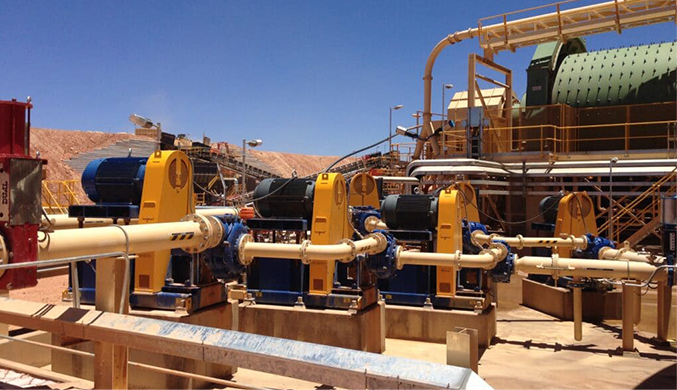
Introduction
Rubber-lined slurry pumps are critical components in industries handling abrasive and corrosive fluids, including mining, chemical processing, wastewater treatment, and dredging. OEM (Original Equipment Manufacturer) rubber lined slurry pump suppliers provide engineered solutions designed for the reliable and efficient transfer of challenging slurries. These pumps utilize a robust construction, with a metallic pump casing protected internally by a resilient rubber lining, mitigating corrosion and erosion. This guide provides a comprehensive technical overview of these pumps, covering materials, manufacturing, performance, failure modes, and relevant industry standards. The primary challenges addressed by these pumps include minimizing downtime, reducing total cost of ownership, and ensuring environmental compliance by preventing leakage and spillage of hazardous materials. The effective selection and maintenance of a rubber-lined slurry pump directly impacts operational efficiency and long-term profitability.
Material Science & Manufacturing
The performance of a rubber-lined slurry pump hinges on the material selection for both the pump casing and the rubber lining. Pump casings are typically constructed from carbon steel, ductile iron, or alloy steels, chosen based on the fluid’s corrosivity and the operating pressure. The rubber lining, however, is the key to resisting abrasive and corrosive attack. Commonly used rubber compounds include natural rubber (NR), styrene-butadiene rubber (SBR), chloroprene rubber (CR, Neoprene), ethylene propylene diene monomer (EPDM) rubber, and nitrile rubber (NBR). Natural rubber offers excellent abrasion resistance but limited chemical resistance. SBR provides a balance of properties and is cost-effective. Chloroprene rubber exhibits good resistance to oils, chemicals, and weathering. EPDM excels in resistance to ozone, UV radiation, and high temperatures. NBR offers resistance to fuels and oils.
Manufacturing involves several critical steps. The pump casing is first prepared through surface treatment, often including grit blasting to create a profile for optimal rubber adhesion. The rubber lining is then applied using various methods, including molding, layering, and vulcanization. Molding involves casting the rubber directly into the casing, providing a seamless and uniform lining. Layering involves building up the rubber thickness in multiple layers, often with fabric reinforcement for increased strength. Vulcanization is a crucial process where the rubber is heated and chemically cross-linked, improving its elasticity, strength, and resistance to degradation. Critical parameters during vulcanization include temperature, pressure, and curing time, which must be carefully controlled to achieve the desired rubber properties. Quality control measures include rubber hardness testing (Durometer), adhesion testing, and thickness measurements to ensure the lining meets specifications. The impeller and shaft are also manufactured to specific tolerances, with materials selected for their wear resistance and corrosion resistance.
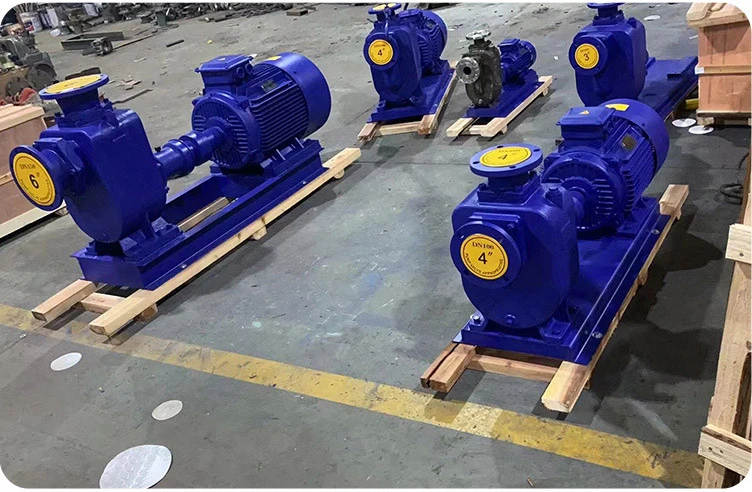
Performance & Engineering
The performance of rubber-lined slurry pumps is characterized by their flow rate, head (pressure), and efficiency. These parameters are affected by factors such as impeller design, pump speed, and slurry properties (solids concentration, particle size, density). Impeller design is crucial; high-head pumps typically utilize impellers with narrower passages and higher blade angles, while high-flow pumps feature wider passages and lower blade angles. The pump’s hydraulic design must account for the increased head loss associated with slurry flow due to the presence of solids. Force analysis is vital to understand the stresses acting on the pump components, particularly the impeller and shaft, under varying operating conditions. Finite element analysis (FEA) is often used to optimize the design and predict component life.
Environmental resistance is a key consideration. The rubber lining must withstand the chemical attack of the slurry and the abrasive wear caused by solid particles. Temperature also affects rubber properties; high temperatures can accelerate degradation and reduce elasticity. Compliance requirements vary depending on the application and region. Pumps handling hazardous materials must meet stringent safety standards, such as ATEX certification for potentially explosive atmospheres or API 610 for centrifugal pumps used in the petroleum, petrochemical, and chemical industries. The pump’s mechanical seal must prevent leakage and maintain pressure containment. Seal selection depends on the slurry’s characteristics and the operating conditions. Regular monitoring of pump performance, including vibration analysis and pressure readings, can help detect potential problems and prevent failures.
Technical Specifications
| Parameter | Unit | Typical Range | Material Specification |
|---|---|---|---|
| Flow Rate | m³/h | 10 – 1500 | Based on impeller diameter & speed |
| Head | m | 5 – 100 | Dependent on impeller design |
| Pump Casing Material | - | Carbon Steel, Ductile Iron, Alloy Steel | ASTM A532, ASTM A48 |
| Rubber Lining Material | - | Natural Rubber, SBR, Chloroprene, EPDM, NBR | ISO 1629-12 |
| Rubber Lining Thickness | mm | 3 – 12 | Varies by application & slurry corrosivity |
| Maximum Solids Concentration | % by weight | Up to 70 | Dependent on pump design & slurry characteristics |
Failure Mode & Maintenance
Rubber-lined slurry pumps are susceptible to several failure modes. Abrasive wear is a common issue, particularly in high-solids concentration applications, leading to thinning of the rubber lining and eventual perforation. Corrosion can degrade the rubber lining, reducing its elasticity and protective properties. Fatigue cracking can occur due to cyclic stresses, especially at the impeller attachment points. Delamination, the separation of the rubber lining from the metallic casing, can result from inadequate surface preparation or improper vulcanization. Oxidation and UV degradation can affect the rubber lining’s long-term performance, particularly in outdoor applications.
Preventive maintenance is crucial to maximizing pump life. Regular inspections should focus on checking the rubber lining for wear, cracks, and delamination. Monitoring vibration levels can indicate bearing wear or impeller imbalance. Lubrication of bearings and seals is essential. If the rubber lining becomes significantly worn, it may be necessary to re-line the pump casing. Proper slurry handling practices, such as minimizing solids concentration and controlling particle size, can reduce abrasive wear. The correct selection of rubber lining material for the specific slurry is also vital. When replacing parts, always use OEM-approved components to ensure compatibility and performance. Record keeping of maintenance activities and pump performance data can help identify trends and optimize maintenance schedules.
Industry FAQ
Q: What is the optimal rubber lining material for a highly abrasive slurry containing silica sand?
A: For highly abrasive silica sand slurries, a natural rubber (NR) or a high-SBR content rubber lining is generally recommended. NR provides excellent abrasion resistance, while high-SBR blends offer a good balance of abrasion resistance and cost-effectiveness. The rubber hardness should be optimized based on the particle size and impact velocity of the sand; a slightly harder rubber compound may offer better wear resistance for larger particles.
Q: How often should the rubber lining be inspected for wear?
A: The frequency of inspection depends on the slurry’s abrasivity and corrosivity. For highly abrasive slurries, inspections should be conducted monthly or even more frequently. Visual inspections should focus on areas prone to wear, such as the impeller, volute casing, and suction/discharge connections. Ultrasonic thickness testing can provide a more accurate assessment of rubber lining thickness.
Q: What are the key considerations when selecting a mechanical seal for a rubber-lined slurry pump?
A: Mechanical seal selection must consider the slurry’s abrasiveness, corrosivity, temperature, and pressure. Seal face materials should be resistant to wear and corrosion. Double mechanical seals with a barrier fluid are recommended for hazardous or corrosive slurries to prevent leakage. The seal’s flushing system must effectively remove abrasive particles from the seal faces.
Q: What is the typical lifespan of a rubber-lined slurry pump?
A: The lifespan varies significantly depending on the operating conditions and maintenance practices. Under ideal conditions, with low-abrasive slurries and proper maintenance, a rubber-lined slurry pump can last 5-10 years or longer. However, in harsh applications, the lifespan may be as short as 1-3 years.
Q: Can the rubber lining be repaired if it is partially damaged?
A: Minor damage, such as small cuts or abrasions, can sometimes be repaired using specialized rubber repair compounds. However, extensive damage or delamination typically requires complete re-lining of the pump casing. Attempting to repair severely damaged linings may compromise the pump’s integrity and lead to premature failure.
Conclusion
Rubber-lined slurry pumps are indispensable assets in industries dealing with abrasive and corrosive fluids. Their longevity and performance are critically dependent on a meticulous understanding of material science, precise manufacturing processes, and proactive maintenance strategies. The selection of the appropriate rubber compound, tailored to the specific slurry characteristics, is paramount. OEM suppliers play a vital role in providing engineered solutions optimized for demanding applications.
Looking forward, advancements in rubber technology, such as the development of new polymer blends and improved vulcanization techniques, will further enhance the durability and performance of these pumps. Furthermore, the integration of predictive maintenance technologies, utilizing sensors and data analytics, will enable more efficient monitoring and maintenance schedules, minimizing downtime and reducing total cost of ownership. Careful consideration of these technical factors is crucial for maximizing the return on investment in rubber-lined slurry pump systems.
-
Comprehensive Guide to Waterproof ORings for Optimal Sealing Solutions
News2026-06-09
-
submergable pump Material Science
News2026-06-23
-
sewer injection pump Performance Engineering
News2026-06-23
-
Sewer Ejector Pump System Performance Analysis
News2026-06-23
-
septic tank pump for sale Performance Engineering
News2026-06-23
-
septic pump for sale Performance Engineering
News2026-06-23
-
septic ejector system Performance Analysis
News2026-06-22
-
replace septic pump Performance Analysis
News2026-06-22
-
pump system septic tank Performance Analysis
News2026-06-22
-
lift pump for sewer Performance and Engineering
News2026-06-22
-
industrial submersible water pump Material Science
News2026-06-22
-
industrial submersible pumps Material Science and Manufacturing
News2026-06-21
-
best sewer ejector pump Performance Analysis
News2026-06-21
-
best septic pump Performance Analysis
News2026-06-21
-
1 2 hp septic pump Performance Engineering
News2026-06-21




