English
- Afrikaans
- Albanian
- Amharic
- Arabic
- Armenian
- Azerbaijani
- Basque
- Belarusian
- Bengali
- Bosnian
- Bulgarian
- Catalan
- Cebuano
- Corsican
- Croatian
- Czech
- Danish
- Dutch
- English
- Esperanto
- Estonian
- Finnish
- French
- Frisian
- Galician
- Georgian
- German
- Greek
- Gujarati
- Haitian Creole
- hausa
- hawaiian
- Hebrew
- Hindi
- Miao
- Hungarian
- Icelandic
- igbo
- Indonesian
- irish
- Italian
- Japanese
- Javanese
- Kannada
- kazakh
- Khmer
- Rwandese
- Korean
- Kurdish
- Kyrgyz
- Lao
- Latin
- Latvian
- Lithuanian
- Luxembourgish
- Macedonian
- Malgashi
- Malay
- Malayalam
- Maltese
- Maori
- Marathi
- Mongolian
- Myanmar
- Nepali
- Norwegian
- Norwegian
- Occitan
- Pashto
- Persian
- Polish
- Portuguese
- Punjabi
- Romanian
- Russian
- Samoan
- Scottish Gaelic
- Serbian
- Sesotho
- Shona
- Sindhi
- Sinhala
- Slovak
- Slovenian
- Somali
- Spanish
- Sundanese
- Swahili
- Swedish
- Tagalog
- Tajik
- Tamil
- Tatar
- Telugu
- Thai
- Turkish
- Turkmen
- Ukrainian
- Urdu
- Uighur
- Uzbek
- Vietnamese
- Welsh
- Bantu
- Yiddish
- Yoruba
- Zulu

Telephone: +86 13120555503
Email: frank@cypump.com


Apr . 01, 2024 17:55 Back to list
oem rubber lined slurry pump Performance and Engineering
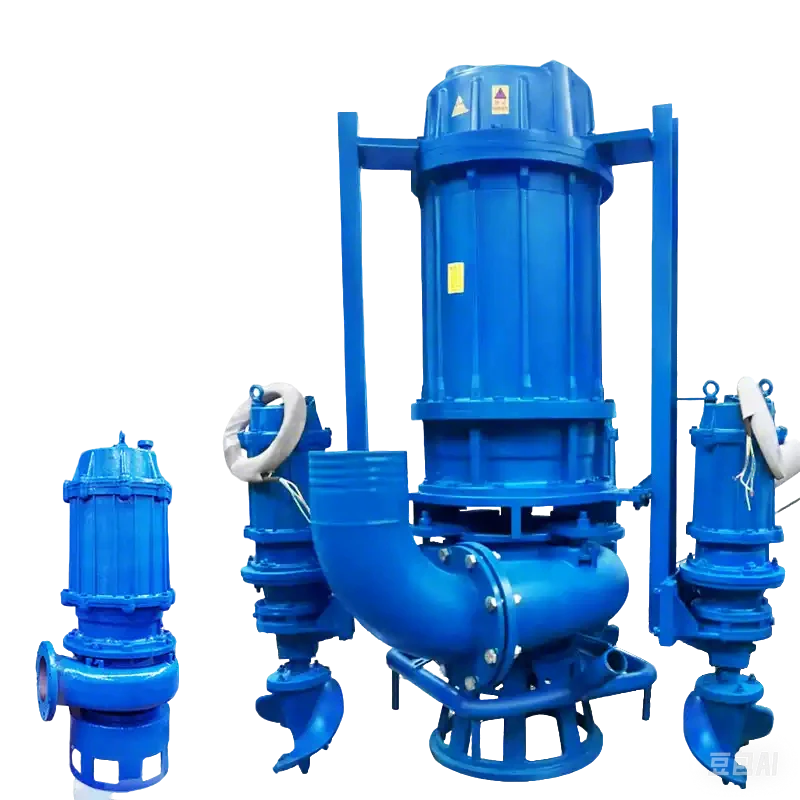
Introduction
OEM rubber lined slurry pumps are centrifugal pumps specifically designed for the handling of abrasive, corrosive, and erosive slurries. Positioned within the mineral processing, chemical processing, wastewater treatment, and dredging industries, these pumps serve as critical components in conveying solid-liquid mixtures. Their construction utilizes a metallic pump casing internally lined with a protective rubber compound, providing enhanced resistance compared to pumps constructed solely from metallic alloys. Core performance characteristics center around high head generation, flow rate control, and extended service life in aggressive environments. The selection criteria revolve around solids handling capability (particle size and concentration), slurry composition (pH, chemical reactivity), abrasion resistance (hardness of solids), and required pumping efficiency. Industry pain points often involve premature wear of pump components, leading to frequent downtime and increased maintenance costs, particularly with improper rubber lining selection or inadequate operational monitoring.
Material Science & Manufacturing
The core materials in an OEM rubber lined slurry pump are the metallic casing (typically cast iron, ductile iron, or alloy steels) and the rubber lining (natural rubber, styrene-butadiene rubber – SBR, chloroprene rubber – CR, ethylene propylene diene monomer – EPDM, or polyurethane). Metallic casing selection is dictated by tensile strength, impact resistance, and weldability. The rubber lining serves as the primary barrier against corrosion and erosion. Natural rubber offers excellent abrasion resistance but limited chemical resistance. SBR provides a balance of properties at a lower cost. CR demonstrates superior resistance to oils, weathering, and moderate chemical attack. EPDM excels in resistance to heat, ozone, and alkaline chemicals. Polyurethane offers the highest abrasion resistance but may be susceptible to hydrolysis.
Manufacturing processes involve several key stages. Casing casting utilizes sand casting or investment casting, followed by machining to achieve precise dimensions and surface finishes. Rubber lining is typically applied using a vulcanization process. This involves bonding the rubber compound to the prepared metal surface using heat and pressure, creating a durable, chemically resistant barrier. Surface preparation is crucial and often includes grit blasting to create a mechanical key for adhesion. Rubber compound formulation is tailored to specific slurry compositions, factoring in chemical compatibility, hardness (measured via Shore A durometer), and elongation at break. Quality control includes non-destructive testing (NDT) such as ultrasonic testing to verify lining thickness and bond integrity, as well as hydrostatic testing to ensure casing pressure containment. Key parameter control focuses on rubber compound viscosity, curing temperature, pressure uniformity during vulcanization, and final lining thickness verification. Improper curing can lead to delamination and premature failure.
Performance & Engineering
The performance of a rubber-lined slurry pump is governed by fundamental hydraulic principles, including Bernoulli's equation and the affinity laws for centrifugal pumps. Force analysis considers the impact forces exerted by solid particles on the impeller and lining, contributing to erosive wear. Impeller design is critical, with high-lift impellers used for high-head applications and lower-lift impellers for high-flow, low-head applications. Volute casing design optimizes flow distribution and minimizes turbulence, enhancing pump efficiency. Environmental resistance is a primary concern. Slurry temperature, pH, and chemical composition dictate the selection of compatible rubber compounds. Extreme temperatures can accelerate rubber degradation, while highly acidic or alkaline conditions can cause chemical attack. Compliance requirements vary depending on the application. For example, pumps used in potable water applications must meet NSF/ANSI 61 standards for lead content and material leachability. Pumps operating in hazardous locations must comply with ATEX or IECEx standards for explosion protection. Functional implementation involves proper pump sizing (flow rate and head calculation), suction and discharge piping design (minimizing cavitation and pressure drop), and installation guidelines (alignment and anchoring).
Technical Specifications
| Parameter | Unit | Typical Range | Industry Standard/Testing Method |
|---|---|---|---|
| Flow Rate | m³/h | 10 – 1000 | ISO 9906 |
| Discharge Head | m | 10 – 120 | ISO 9906 |
| Solids Handling Size | mm | Up to 100 | Manufacturer Specification |
| Slurry Concentration (Weight %) | % | Up to 70 | Manufacturer Specification |
| Rubber Hardness (Shore A) | Shore A | 40 – 95 | ASTM D2240 |
| Operating Temperature | °C | -40 to +150 (depending on rubber) | Manufacturer Specification |
Failure Mode & Maintenance
Common failure modes in rubber-lined slurry pumps include rubber lining delamination, abrasion wear of the rubber lining, erosion wear of the metallic casing (due to lining failure), impeller wear, shaft seal failure, and bearing failure. Delamination is often caused by inadequate surface preparation during rubber application, improper vulcanization, or exposure to high stresses. Abrasion wear occurs due to the impact of solid particles within the slurry. Erosion wear results from the removal of metallic material by high-velocity slurry flow after lining degradation. Fatigue cracking can develop in the casing due to cyclical pressure loads.
Professional maintenance solutions involve regular inspections of the rubber lining for signs of wear, cracking, or delamination. Periodic measurement of lining thickness using ultrasonic testing. Replacement of worn impellers and shaft seals. Lubrication of bearings according to manufacturer recommendations. Monitoring of pump vibration to detect bearing wear or misalignment. Preventative maintenance includes proper slurry composition control (reducing solids concentration and particle size), optimizing pump speed to minimize erosion, and implementing a scheduled maintenance program. In the event of delamination, complete relining of the pump casing is typically required. For minor abrasion wear, patching may be possible, but a full relining is usually recommended for long-term reliability.
Industry FAQ
Q: What rubber compound is best suited for handling highly abrasive silica slurries with a pH of 2?
A: For highly abrasive silica slurries at a pH of 2 (strongly acidic), a chloroprene rubber (CR) lining is generally recommended. CR demonstrates excellent resistance to acidic environments and provides good abrasion resistance. While polyurethane offers superior abrasion resistance, its susceptibility to hydrolysis at low pH makes it less suitable. Natural rubber and SBR would be rapidly degraded by the acidic conditions.
Q: How does pump speed affect the service life of the rubber lining?
A: Increasing pump speed generally reduces the service life of the rubber lining. Higher speeds lead to increased slurry velocity, resulting in greater erosive wear. Optimizing pump speed to the minimum required to achieve the desired flow rate and head is crucial for maximizing lining life. Variable frequency drives (VFDs) allow for precise speed control and can significantly extend lining service life.
Q: What is the typical service life of a rubber-lined slurry pump in a continuous mining application?
A: The typical service life of a rubber-lined slurry pump in a continuous mining application varies greatly depending on the abrasive nature of the slurry, the pump’s operating conditions, and the quality of the rubber lining. Generally, a well-maintained pump can operate for 12-24 months before requiring relining, though this can be shorter in particularly harsh applications. Regular inspections and preventative maintenance are vital for extending service life.
Q: What NDT methods are used to assess the integrity of the rubber lining before commissioning a new pump?
A: Ultrasonic testing (UT) is the primary NDT method used to assess the integrity of the rubber lining. UT measures the thickness of the rubber lining and detects any voids or delaminations. Visual inspection is also performed to identify any surface defects. Holiday detection (high-voltage spark testing) can be used to verify the continuity of the rubber lining and identify pinholes or cracks.
Q: What are the key considerations for selecting a pump casing material when using a rubber lining?
A: The pump casing material must be metallurgically compatible with the rubber compound to ensure good adhesion during vulcanization. Cast iron and ductile iron are commonly used due to their cost-effectiveness and good machinability. Alloy steels are used for more corrosive or high-pressure applications. The casing material’s tensile strength and impact resistance should also be adequate to withstand the operating conditions.
Conclusion
OEM rubber lined slurry pumps represent a vital technology for the efficient and reliable handling of abrasive and corrosive slurries across numerous industrial sectors. Their performance is fundamentally linked to material selection, manufacturing precision, and adherence to rigorous engineering principles. Careful consideration of slurry characteristics, operating parameters, and industry standards is paramount to maximizing pump lifespan and minimizing operational costs.
The ongoing development of advanced rubber compounds and improved lining application techniques will continue to drive advancements in slurry pump technology. Implementing predictive maintenance programs utilizing vibration analysis and wear monitoring will further enhance pump reliability and reduce unplanned downtime. Proper pump selection, coupled with comprehensive operational monitoring and proactive maintenance, remains the key to achieving optimal performance and long-term cost savings.
-
Comprehensive Guide to Waterproof ORings for Optimal Sealing Solutions
News2026-06-09
-
submergable pump Material Science
News2026-06-23
-
sewer injection pump Performance Engineering
News2026-06-23
-
Sewer Ejector Pump System Performance Analysis
News2026-06-23
-
septic tank pump for sale Performance Engineering
News2026-06-23
-
septic pump for sale Performance Engineering
News2026-06-23
-
septic ejector system Performance Analysis
News2026-06-22
-
replace septic pump Performance Analysis
News2026-06-22
-
pump system septic tank Performance Analysis
News2026-06-22
-
lift pump for sewer Performance and Engineering
News2026-06-22
-
industrial submersible water pump Material Science
News2026-06-22
-
industrial submersible pumps Material Science and Manufacturing
News2026-06-21
-
best sewer ejector pump Performance Analysis
News2026-06-21
-
best septic pump Performance Analysis
News2026-06-21
-
1 2 hp septic pump Performance Engineering
News2026-06-21




