English
- Afrikaans
- Albanian
- Amharic
- Arabic
- Armenian
- Azerbaijani
- Basque
- Belarusian
- Bengali
- Bosnian
- Bulgarian
- Catalan
- Cebuano
- Corsican
- Croatian
- Czech
- Danish
- Dutch
- English
- Esperanto
- Estonian
- Finnish
- French
- Frisian
- Galician
- Georgian
- German
- Greek
- Gujarati
- Haitian Creole
- hausa
- hawaiian
- Hebrew
- Hindi
- Miao
- Hungarian
- Icelandic
- igbo
- Indonesian
- irish
- Italian
- Japanese
- Javanese
- Kannada
- kazakh
- Khmer
- Rwandese
- Korean
- Kurdish
- Kyrgyz
- Lao
- Latin
- Latvian
- Lithuanian
- Luxembourgish
- Macedonian
- Malgashi
- Malay
- Malayalam
- Maltese
- Maori
- Marathi
- Mongolian
- Myanmar
- Nepali
- Norwegian
- Norwegian
- Occitan
- Pashto
- Persian
- Polish
- Portuguese
- Punjabi
- Romanian
- Russian
- Samoan
- Scottish Gaelic
- Serbian
- Sesotho
- Shona
- Sindhi
- Sinhala
- Slovak
- Slovenian
- Somali
- Spanish
- Sundanese
- Swahili
- Swedish
- Tagalog
- Tajik
- Tamil
- Tatar
- Telugu
- Thai
- Turkish
- Turkmen
- Ukrainian
- Urdu
- Uighur
- Uzbek
- Vietnamese
- Welsh
- Bantu
- Yiddish
- Yoruba
- Zulu

Telephone: +86 13120555503
Email: frank@cypump.com


Apr . 01, 2024 17:55 Back to list
oem rubber lined slurry pump manufacturers Performance Analysis
Introduction
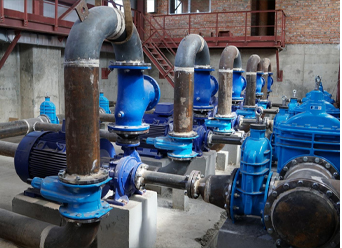
OEM rubber lined slurry pumps are critical components in numerous industrial processes involving abrasive or corrosive fluids. These pumps are designed to transport slurries – mixtures of liquids and solid particles – across industries like mining, mineral processing, wastewater treatment, chemical processing, and power generation. The core functionality relies on a robust pump casing internally lined with a protective rubber compound, mitigating erosion, corrosion, and abrasion that would rapidly degrade unprotected metallic components. This guide provides a detailed examination of rubber lined slurry pump technology, covering material science, manufacturing processes, performance characteristics, common failure modes, and relevant industry standards. The increasing demand for efficient and reliable slurry handling, coupled with stringent environmental regulations driving the need for leak-free operation, has propelled advancements in rubber lining materials and pump designs. OEM manufacturers play a crucial role in tailoring pump specifications to meet specific application requirements, making a thorough understanding of these pumps essential for procurement and maintenance professionals.
Material Science & Manufacturing
The performance of a rubber lined slurry pump is fundamentally dictated by the properties of both the metallic casing and the rubber lining. Pump casings are typically constructed from cast iron (ASTM A48 Class 30), ductile iron (ASTM A536 65-45-12), or alloy steels (ASTM A532 Type I) chosen for their strength, castability, and machinability. The selection depends on the anticipated operating pressure and fluid corrosivity. However, it is the rubber lining that provides the primary defense against aggressive media. Common rubber compounds include natural rubber, SBR (Styrene-Butadiene Rubber), EPDM (Ethylene Propylene Diene Monomer), chlorobutyl rubber, and polyurethane. Natural rubber exhibits excellent abrasion resistance but limited chemical resistance. SBR provides a balance of properties and is cost-effective. EPDM offers superior resistance to acids, alkalis, and weathering. Chlorobutyl rubber excels in resisting ozone and oxidation. Polyurethane delivers exceptional abrasion resistance and high load-bearing capacity, but may be more susceptible to hydrolysis.
Manufacturing involves several key stages: casing preparation, rubber compounding, lining application, and vulcanization. Casing preparation includes grit blasting to create a surface profile that promotes adhesion. Rubber compounds are meticulously formulated, incorporating fillers (carbon black, silica), plasticizers, accelerators, and antioxidants to achieve desired mechanical and chemical properties. The lining is applied using various techniques: sheet lining (vulcanized rubber sheets bonded to the casing), molded lining (rubber directly molded onto the casing), and spray lining (rubber sprayed and subsequently vulcanized). Vulcanization, a crucial heat-treating process, cross-links the rubber molecules, transforming the material from a pliable state to a durable, elastic solid. Precise control of temperature, pressure, and time during vulcanization is paramount to ensure optimal lining adhesion and performance. Quality control includes adhesion testing, hardness measurements, and visual inspections for defects.
Performance & Engineering
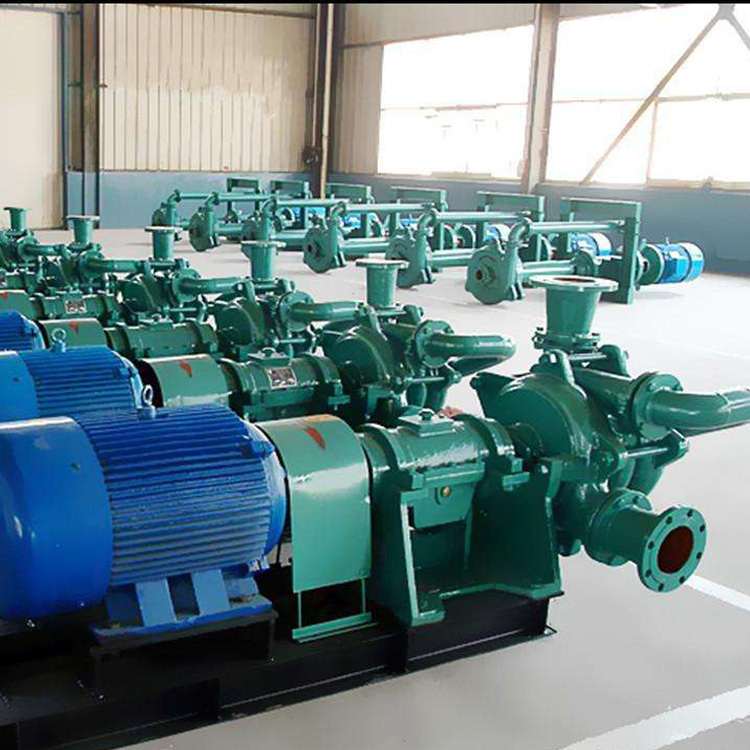
The engineering of rubber lined slurry pumps focuses on optimizing hydraulic performance while maximizing lining lifespan. Key performance parameters include flow rate, head (pressure), efficiency, and Net Positive Suction Head Required (NPSHr). Pump designs are categorized based on impeller type: centrifugal, axial, or positive displacement. Centrifugal pumps are most common due to their simplicity and cost-effectiveness. Impeller design (radial, mixed flow, axial) directly influences the pump's performance curve and its suitability for different slurry characteristics (particle size, concentration, specific gravity). Force analysis considers centrifugal forces generated by the impeller, hydrodynamic forces acting on the lining, and external loads imposed by the piping system. Finite Element Analysis (FEA) is often employed to model stress distribution within the pump casing and lining, identifying potential areas of weakness. Environmental resistance is critical; pumps must withstand temperature extremes, UV exposure, and potential chemical attack. Compliance with industry standards (e.g., ISO 13709 for centrifugal pumps) ensures adherence to safety and performance criteria. Proper selection of the lining compound is crucial to withstand the specific chemical composition and abrasion characteristics of the transported slurry. The pump’s volute and impeller are meticulously designed to minimize turbulence and erosion, maximizing efficiency and prolonging component life.
Technical Specifications
| Parameter | Unit | Typical Range | Testing Standard |
|---|---|---|---|
| Flow Rate | m³/hr | 10 – 1000 | ISO 9906 |
| Discharge Head | m | 5 – 150 | ISO 9906 |
| Maximum Solid Particle Size | mm | 6 – 75 | In-house testing |
| Lining Material Hardness (Shore A) | - | 60 – 95 | ASTM D2240 |
| Lining Thickness | mm | 6 – 25 | Visual Inspection & NDT |
| Operating Temperature | °C | -40 – 120 | Material Datasheet |
Failure Mode & Maintenance
Rubber lined slurry pumps, despite their robust design, are susceptible to several failure modes. Fatigue cracking in the rubber lining can occur due to cyclic stresses induced by slurry flow and pressure fluctuations. Delamination – separation of the lining from the metallic casing – is often caused by inadequate surface preparation, improper vulcanization, or thermal stresses. Chemical degradation arises from exposure to incompatible fluids, leading to swelling, softening, or embrittlement of the rubber. Abrasion, particularly with high-solids slurries, causes gradual wear of the lining surface. Oxidation and UV exposure can degrade the rubber over time, reducing its elasticity and strength. Cavitation, the formation and collapse of vapor bubbles, can erode both the impeller and the lining.
Preventive maintenance is crucial to extend pump lifespan. Regular visual inspections should be conducted to identify signs of lining wear, cracking, or delamination. Non-Destructive Testing (NDT) methods, such as ultrasonic testing or impact echo, can detect subsurface defects. Periodic monitoring of pump vibration can indicate bearing wear or impeller imbalance. Lubrication of bearings is essential to prevent failure. The slurry composition should be closely monitored to ensure compatibility with the lining material. When replacing the lining, meticulous surface preparation and proper vulcanization procedures must be followed. In the event of lining failure, immediate replacement is recommended to prevent catastrophic pump damage and costly downtime.
Industry FAQ
Q: What is the optimal rubber lining thickness for a highly abrasive slurry containing 80% solids by weight?
A: For highly abrasive slurries with 80% solids content, a rubber lining thickness of 12-25mm is typically recommended. This provides a sufficient wear allowance to withstand the intense abrasive forces. The specific thickness should be determined based on the slurry's particle size distribution, shape, and hardness, as well as the pump's operating velocity.
Q: How does the choice of rubber compound affect the pump’s resistance to specific chemicals?
A: The rubber compound is paramount for chemical resistance. EPDM is excellent for acids and alkalis, while chlorobutyl rubber resists oxidation and ozone. Polyurethane offers broad chemical resistance but can be susceptible to hydrolysis. A chemical compatibility chart should always be consulted before selecting a lining material, verifying its resistance to all components of the slurry.
Q: What are the limitations of spray-applied rubber lining compared to sheet lining?
A: Spray-applied linings offer greater design flexibility and can conform to complex geometries. However, sheet linings generally provide superior adhesion and durability due to the mechanical bonding achieved during vulcanization. Spray linings are more prone to pinholes and variations in thickness if not applied correctly.
Q: What are the key indicators that a rubber lining needs to be replaced?
A: Key indicators include visible cracking, delamination, significant wear exceeding allowable limits, changes in pump performance (reduced flow or head), and increased vibration levels. Regular visual inspections and NDT are essential for early detection of potential problems.
Q: How does pump speed affect the wear rate of the rubber lining?
A: Increasing pump speed generally increases the wear rate of the rubber lining due to higher slurry velocities and increased impact forces from the solid particles. Optimized pump speed selection is crucial to minimize wear and maximize lining lifespan. Variable Frequency Drives (VFDs) can be used to adjust pump speed based on slurry characteristics and flow requirements.
Conclusion
Rubber lined slurry pumps represent a vital technology for industries handling abrasive and corrosive fluids. The selection of appropriate materials, coupled with meticulous manufacturing and rigorous quality control, is paramount to achieving long-term reliability and performance. Understanding the failure modes and implementing proactive maintenance strategies are critical to minimizing downtime and maximizing the return on investment.
Future advancements in rubber lining technology will likely focus on developing novel rubber compounds with enhanced abrasion resistance, chemical compatibility, and thermal stability. Improvements in lining application techniques and NDT methods will further enhance pump performance and reliability. The continued integration of digital technologies, such as predictive maintenance algorithms and remote monitoring systems, will enable proactive identification of potential failures and optimize pump operation.
-
Comprehensive Guide to Waterproof ORings for Optimal Sealing Solutions
News2026-06-09
-
submergable pump Material Science
News2026-06-23
-
sewer injection pump Performance Engineering
News2026-06-23
-
Sewer Ejector Pump System Performance Analysis
News2026-06-23
-
septic tank pump for sale Performance Engineering
News2026-06-23
-
septic pump for sale Performance Engineering
News2026-06-23
-
septic ejector system Performance Analysis
News2026-06-22
-
replace septic pump Performance Analysis
News2026-06-22
-
pump system septic tank Performance Analysis
News2026-06-22
-
lift pump for sewer Performance and Engineering
News2026-06-22
-
industrial submersible water pump Material Science
News2026-06-22
-
industrial submersible pumps Material Science and Manufacturing
News2026-06-21
-
best sewer ejector pump Performance Analysis
News2026-06-21
-
best septic pump Performance Analysis
News2026-06-21
-
1 2 hp septic pump Performance Engineering
News2026-06-21




