English
- Afrikaans
- Albanian
- Amharic
- Arabic
- Armenian
- Azerbaijani
- Basque
- Belarusian
- Bengali
- Bosnian
- Bulgarian
- Catalan
- Cebuano
- Corsican
- Croatian
- Czech
- Danish
- Dutch
- English
- Esperanto
- Estonian
- Finnish
- French
- Frisian
- Galician
- Georgian
- German
- Greek
- Gujarati
- Haitian Creole
- hausa
- hawaiian
- Hebrew
- Hindi
- Miao
- Hungarian
- Icelandic
- igbo
- Indonesian
- irish
- Italian
- Japanese
- Javanese
- Kannada
- kazakh
- Khmer
- Rwandese
- Korean
- Kurdish
- Kyrgyz
- Lao
- Latin
- Latvian
- Lithuanian
- Luxembourgish
- Macedonian
- Malgashi
- Malay
- Malayalam
- Maltese
- Maori
- Marathi
- Mongolian
- Myanmar
- Nepali
- Norwegian
- Norwegian
- Occitan
- Pashto
- Persian
- Polish
- Portuguese
- Punjabi
- Romanian
- Russian
- Samoan
- Scottish Gaelic
- Serbian
- Sesotho
- Shona
- Sindhi
- Sinhala
- Slovak
- Slovenian
- Somali
- Spanish
- Sundanese
- Swahili
- Swedish
- Tagalog
- Tajik
- Tamil
- Tatar
- Telugu
- Thai
- Turkish
- Turkmen
- Ukrainian
- Urdu
- Uighur
- Uzbek
- Vietnamese
- Welsh
- Bantu
- Yiddish
- Yoruba
- Zulu

Telephone: +86 13120555503
Email: frank@cypump.com


Apr . 01, 2024 17:55 Back to list
oem r55 slurry pump liner Material Science
Introduction
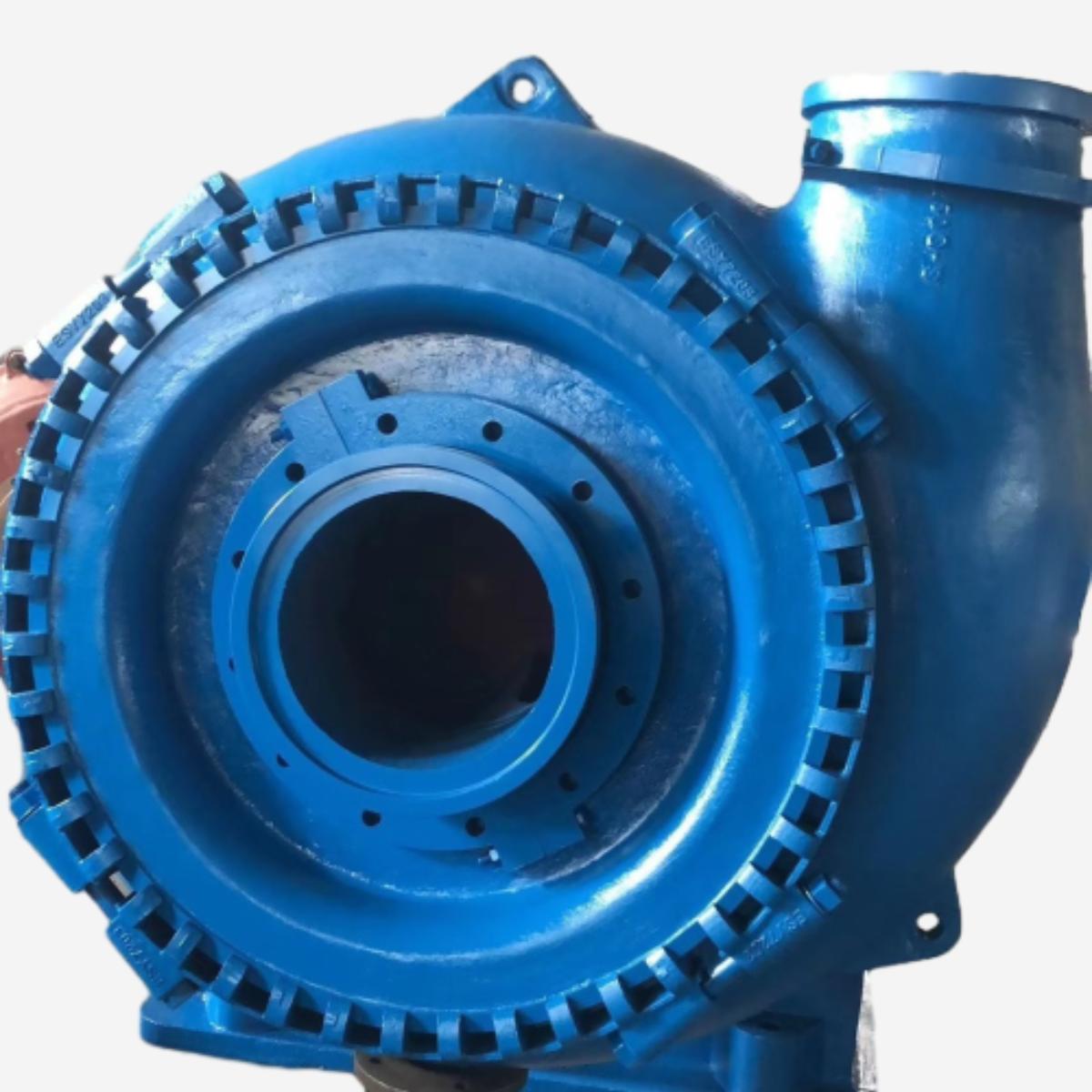
The OEM R55 slurry pump liner is a critical wear component utilized in centrifugal slurry pumps, primarily within the mining, dredging, mineral processing, and heavy industrial sectors. Positioned as a direct interface between the abrasive slurry and the pump casing, the liner’s primary function is to protect the pump housing from erosion and corrosion, extending pump service life and maintaining hydraulic efficiency. These liners are generally constructed from high-chromium cast irons, specialized rubber compounds, or ceramic materials, selected based on the slurry’s specific characteristics—abrasiveness, corrosivity, and impact velocity. Effective liner selection and regular inspection are paramount to minimizing downtime and operational costs associated with slurry pump applications. The R55 designation refers to a specific impeller diameter and casing geometry, dictating the liner's dimensions and fastening mechanisms. The performance of the OEM R55 liner directly impacts the overall system efficiency and operational reliability.
Material Science & Manufacturing
OEM R55 slurry pump liners are commonly manufactured from several key materials, each with distinct properties. High-chromium white cast irons (typically 13-30% Cr) offer exceptional abrasion resistance due to the formation of hard chromium carbides. These carbides resist wear from impacting solids in the slurry. However, they are brittle and susceptible to impact fracture. Natural rubber liners, frequently incorporating fillers like silica, provide excellent resistance to abrasion and impact, along with damping characteristics that reduce noise. Synthetic elastomers, such as polyurethane, offer superior tear strength and oil resistance compared to natural rubber. Ceramic liners, typically alumina or zirconia, deliver the highest abrasion resistance but are more expensive and can be brittle. Manufacturing processes vary based on material. Cast iron liners are produced through sand casting, followed by heat treatment to optimize carbide distribution and hardness. Rubber liners are molded using compression or transfer molding techniques. Ceramic liners are formed through pressing and sintering. Critical parameters during manufacturing include alloy composition control (for cast iron), rubber compound formulation (for elastomers), sintering temperature (for ceramics), and dimensional accuracy. Post-processing steps, such as machining and surface finishing, are essential to ensure proper fit and sealing within the pump casing. Welding is sometimes used for repair, but heat affected zones must be carefully managed to prevent cracking.
Performance & Engineering
The performance of the OEM R55 slurry pump liner is dictated by a complex interplay of hydrodynamic forces, abrasive wear, and material properties. Force analysis reveals that liners experience both static and dynamic stresses. Static stresses arise from the slurry pressure, while dynamic stresses are induced by the impact of solid particles. The liner's thickness and geometry are engineered to withstand these stresses without deformation or failure. Environmental resistance is crucial; liners operating in corrosive slurries must resist chemical attack. Factors such as pH, salinity, and the presence of oxidizing agents influence the corrosion rate. Compliance requirements, such as those outlined by API 610, dictate minimum liner hardness and material specifications for specific applications. Functional implementation involves precise fitting of the liner to the pump casing, ensuring a leak-proof seal. The liner's surface roughness influences slurry flow and wear rates; smoother surfaces generally reduce wear. Finite Element Analysis (FEA) is frequently used to optimize liner geometry and predict stress distribution under various operating conditions. Liner design must consider the slurry’s particle size distribution (PSD) and concentration, as larger particles and higher concentrations lead to increased wear. Cavitation, the formation and collapse of vapor bubbles, can also contribute to liner erosion.
Technical Specifications
| Material | Hardness (BHN) | Tensile Strength (MPa) | Impact Resistance (J) |
|---|---|---|---|
| High-Chromium Cast Iron (27% Cr) | 550-650 | 400-600 | 15-25 |
| Natural Rubber (with Silica Filler) | 40-60 (Shore A) | 10-20 | 50-80 |
| Polyurethane | 70-90 (Shore A) | 30-50 | 30-50 |
| Alumina Ceramic | 900-1100 HV | 200-300 | 5-10 |
| White Iron (18% Cr) | 450-550 | 350-500 | 10-20 |
| EPDM Rubber | 50-70 (Shore A) | 15-25 | 40-60 |
Failure Mode & Maintenance
The OEM R55 slurry pump liner is susceptible to several failure modes. Abrasion is the most common, occurring due to the constant impact of solid particles in the slurry. This leads to gradual material loss and eventual liner replacement. Impact fracture can occur in brittle materials like cast iron, particularly when handling large or irregularly shaped solids. Corrosion, especially in acidic or alkaline slurries, weakens the liner material and accelerates wear. Fatigue cracking, induced by cyclic stresses, can develop over time, eventually leading to complete failure. Delamination, common in rubber liners, occurs when the rubber bond to the metal substrate weakens. Oxidation, at elevated temperatures, can degrade rubber and polymer liners. Maintenance involves regular visual inspection for wear, corrosion, and cracks. Non-destructive testing (NDT) methods, such as ultrasonic testing, can detect subsurface flaws. Liners should be replaced when the remaining thickness falls below a specified minimum value. Proper storage of spare liners is crucial to prevent deterioration. Regularly cleaning the pump casing and liners can help prevent abrasive build-up. Optimizing slurry flow rates and minimizing solids concentration can reduce wear rates. When welding repairs are performed, preheating and post-weld heat treatment are essential to prevent cracking.
Industry FAQ
Q: What is the optimal liner material for a highly abrasive slurry containing angular quartz particles?
A: For a highly abrasive slurry with angular quartz particles, a high-chromium white cast iron liner (27-30% Cr) is generally recommended. The hard chromium carbides provide excellent resistance to abrasion. However, consider the impact energy – if impact is significant, a rubber liner with high tear strength might be preferable, or a hybrid liner combining cast iron and rubber.
Q: How does the slurry pH affect liner corrosion?
A: Slurry pH significantly affects liner corrosion. Highly acidic (low pH) or highly alkaline (high pH) slurries are more corrosive. Cast iron liners are particularly vulnerable to corrosion in acidic environments. Rubber and polyurethane liners offer better resistance to chemical attack, but specific chemical compatibility should be verified. Selecting a liner material resistant to the specific pH range is crucial.
Q: What is the typical service life of an OEM R55 rubber liner in a moderate abrasive slurry?
A: The service life of an OEM R55 rubber liner in a moderate abrasive slurry typically ranges from 6 to 18 months. This is highly dependent on slurry characteristics (particle size, concentration, shape), flow velocity, and operating hours. Regular inspection and monitoring of liner thickness are essential to determine the optimal replacement interval.
Q: Can the liner be repaired if minor wear or pitting is observed?
A: Minor wear and pitting can sometimes be repaired using welding or epoxy-based patching compounds. However, repairs should be carefully evaluated to ensure they do not compromise the liner's structural integrity or hydraulic performance. Extensive wear or cracking typically necessitates complete liner replacement.
Q: How does liner surface roughness influence pump efficiency and wear rate?
A: Increased liner surface roughness generally leads to higher wear rates due to increased turbulence and friction. Smoother liners reduce frictional losses and improve pump efficiency. However, excessively smooth surfaces can reduce the slurry’s ability to form a protective film, potentially accelerating wear in certain applications.
Conclusion
The OEM R55 slurry pump liner represents a crucial component in ensuring the reliable and efficient operation of centrifugal slurry pumps. Its selection necessitates a thorough understanding of slurry characteristics, including abrasiveness, corrosivity, and impact energy. Material selection, encompassing high-chromium cast irons, elastomers, and ceramics, dictates performance and longevity. Proper manufacturing processes and adherence to industry standards, such as API 610, are paramount for ensuring liner quality and dimensional accuracy.
Continued advancements in liner materials and coating technologies, along with improved monitoring and predictive maintenance strategies, will further enhance the performance and service life of these critical components. Focusing on minimizing downtime, optimizing energy consumption, and reducing the total cost of ownership will be key drivers in the ongoing evolution of slurry pump liner technology.
-
Comprehensive Guide to Waterproof ORings for Optimal Sealing Solutions
News2026-06-09
-
submergable pump Material Science
News2026-06-23
-
sewer injection pump Performance Engineering
News2026-06-23
-
Sewer Ejector Pump System Performance Analysis
News2026-06-23
-
septic tank pump for sale Performance Engineering
News2026-06-23
-
septic pump for sale Performance Engineering
News2026-06-23
-
septic ejector system Performance Analysis
News2026-06-22
-
replace septic pump Performance Analysis
News2026-06-22
-
pump system septic tank Performance Analysis
News2026-06-22
-
lift pump for sewer Performance and Engineering
News2026-06-22
-
industrial submersible water pump Material Science
News2026-06-22
-
industrial submersible pumps Material Science and Manufacturing
News2026-06-21
-
best sewer ejector pump Performance Analysis
News2026-06-21
-
best septic pump Performance Analysis
News2026-06-21
-
1 2 hp septic pump Performance Engineering
News2026-06-21




