English
- Afrikaans
- Albanian
- Amharic
- Arabic
- Armenian
- Azerbaijani
- Basque
- Belarusian
- Bengali
- Bosnian
- Bulgarian
- Catalan
- Cebuano
- Corsican
- Croatian
- Czech
- Danish
- Dutch
- English
- Esperanto
- Estonian
- Finnish
- French
- Frisian
- Galician
- Georgian
- German
- Greek
- Gujarati
- Haitian Creole
- hausa
- hawaiian
- Hebrew
- Hindi
- Miao
- Hungarian
- Icelandic
- igbo
- Indonesian
- irish
- Italian
- Japanese
- Javanese
- Kannada
- kazakh
- Khmer
- Rwandese
- Korean
- Kurdish
- Kyrgyz
- Lao
- Latin
- Latvian
- Lithuanian
- Luxembourgish
- Macedonian
- Malgashi
- Malay
- Malayalam
- Maltese
- Maori
- Marathi
- Mongolian
- Myanmar
- Nepali
- Norwegian
- Norwegian
- Occitan
- Pashto
- Persian
- Polish
- Portuguese
- Punjabi
- Romanian
- Russian
- Samoan
- Scottish Gaelic
- Serbian
- Sesotho
- Shona
- Sindhi
- Sinhala
- Slovak
- Slovenian
- Somali
- Spanish
- Sundanese
- Swahili
- Swedish
- Tagalog
- Tajik
- Tamil
- Tatar
- Telugu
- Thai
- Turkish
- Turkmen
- Ukrainian
- Urdu
- Uighur
- Uzbek
- Vietnamese
- Welsh
- Bantu
- Yiddish
- Yoruba
- Zulu

Telephone: +86 13120555503
Email: frank@cypump.com


Apr . 01, 2024 17:55 Back to list
oem metal lined slurry pump suppliers Performance Analysis
Introduction
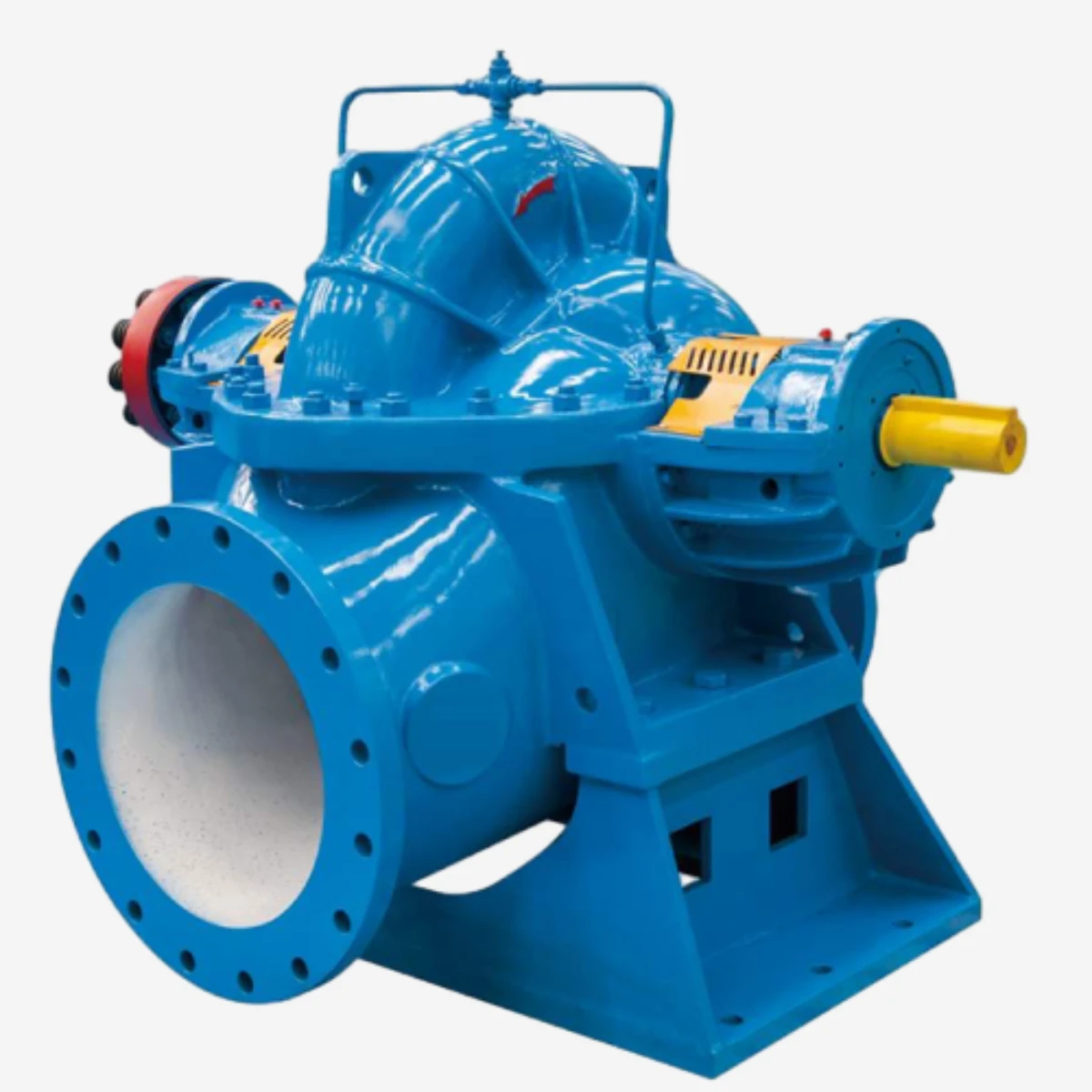
OEM metal lined slurry pumps are critical components in demanding industrial applications involving abrasive and corrosive fluids. These pumps, typically employed in mining, chemical processing, wastewater treatment, and power generation, are engineered to handle slurries that would rapidly degrade conventional pumps. The ‘metal lining’ refers to a protective layer, often composed of high-hardness alloys or ceramics, bonded to the pump casing and impeller, significantly extending service life and reducing operational downtime. This guide provides an in-depth technical overview of these pumps, covering material science, manufacturing processes, performance characteristics, failure modes, and relevant industry standards. The core performance revolves around abrasion resistance, corrosion resistance, and hydraulic efficiency, all critical factors impacting total cost of ownership. A key pain point for operators is selecting the optimal lining material for a specific slurry composition; improper selection leads to premature failure and costly repairs. OEM suppliers offer customization and materials expertise to mitigate this risk.
Material Science & Manufacturing
The performance of a metal-lined slurry pump is fundamentally tied to the properties of both the base metal and the lining material. Common base metals include cast iron (ASTM A48 Class 30) and ductile iron (ASTM A536 65-45-12), providing structural integrity. Lining materials are selected based on the slurry’s characteristics. High-chromium white iron (typically 15-30% Cr) offers exceptional abrasion resistance due to the formation of hard chromium carbides. However, it's susceptible to corrosion in acidic environments. Ceramic linings, such as alumina (Al2O3) and zirconia (ZrO2), provide superior corrosion resistance but are brittle and sensitive to thermal shock. Polymeric linings, like polyurethane and rubber, offer good impact resistance and are cost-effective for less abrasive slurries. Manufacturing involves several critical steps. The lining is typically applied via arc welding (for metallic linings) or bonding with high-strength adhesives (for ceramic or polymeric linings). Welding parameters – amperage, voltage, travel speed, and filler metal composition – must be precisely controlled to ensure a metallurgical bond free of porosity and defects. For ceramic linings, surface preparation is crucial; the metal surface must be roughened to maximize adhesion. Quality control includes radiographic inspection to detect weld defects and adhesion pull tests to verify bonding strength. Heat treatment post-welding is often necessary to relieve stresses and optimize the hardness of the lining.
Performance & Engineering
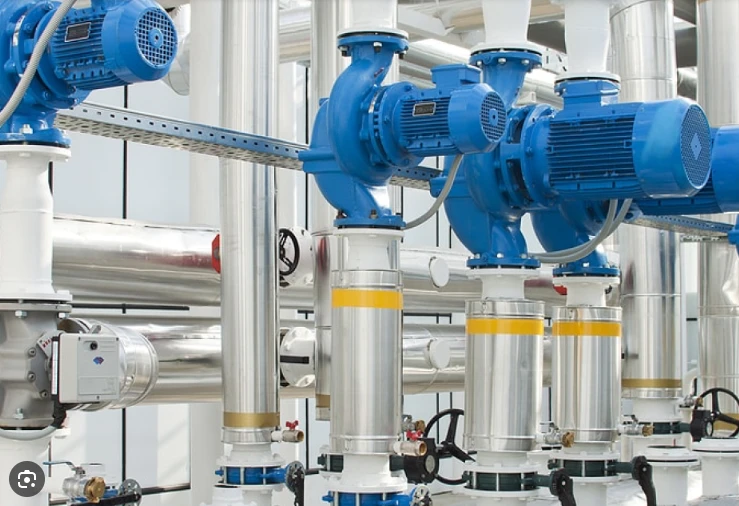
Slurry pump performance is assessed through a combination of hydraulic efficiency, wear resistance, and mechanical reliability. Hydraulic efficiency is governed by impeller design, casing geometry, and operating speed. Impeller design – including vane angle, width, and number – influences the pump's head-capacity curve. Computational Fluid Dynamics (CFD) analysis is routinely employed to optimize impeller geometry for specific slurry characteristics. Wear resistance is paramount, particularly in abrasive applications. The wear rate is dependent on the slurry’s particle size, shape, hardness, and concentration, as well as the fluid velocity. Hardness testing (Vickers or Rockwell) of the lining material is a standard practice. Engineering considerations include stress analysis of the pump casing to withstand internal pressure and external loads. Finite Element Analysis (FEA) is used to identify stress concentration points and optimize the casing’s structural design. Corrosion resistance is addressed by selecting compatible lining materials and implementing corrosion inhibitors. Pump selection must account for NPSH available (NPSHa) to prevent cavitation, a major cause of impeller damage. Compliance requirements include adherence to API 610 standards for centrifugal pumps and specific industry regulations regarding environmental emissions and safety.
Technical Specifications
| Parameter | Unit | Typical Range (Metallic Lined) | Typical Range (Ceramic Lined) |
|---|---|---|---|
| Flow Rate | m3/h | 10 – 1500 | 5 – 800 |
| Head | m | 10 – 120 | 5 – 100 |
| Suction Specific Gravity | - | Up to 1.3 | Up to 1.3 |
| Discharge Pressure | bar | Up to 25 | Up to 20 |
| Lining Material Hardness (Brinell) | HB | 500 – 700 (High-Chrome Iron) | 1500 – 2000 (Alumina) |
| Maximum Slurry Concentration | % by weight | Up to 70 | Up to 60 |
Failure Mode & Maintenance
Slurry pump failures typically stem from abrasive wear, corrosion, erosion, and cavitation. Abrasive wear is the most common failure mode, manifesting as material loss from the impeller and casing lining. This is exacerbated by high slurry velocities and large particle sizes. Corrosion occurs when the slurry contains corrosive agents, leading to material degradation. Erosion is a combination of abrasive wear and corrosion, accelerated by high fluid velocities. Cavitation results from a pressure drop below the vapor pressure of the liquid, forming vapor bubbles that collapse violently, causing pitting and erosion. Failure analysis involves visual inspection, microscopic examination of fracture surfaces, and chemical analysis of the failed components. Maintenance strategies include regular inspections to detect wear patterns, replacement of worn components, and implementation of preventative maintenance programs. Proper lubrication of bearings is crucial to prevent premature failure. Periodic monitoring of pump performance (flow rate, pressure, power consumption) can identify early signs of degradation. Protective coatings can be applied to susceptible areas to enhance corrosion resistance. Selecting the correct impeller material and lining based on slurry composition and flow conditions are paramount to extending pump life.
Industry FAQ
Q: What is the expected lifespan of a high-chromium white iron lined pump handling 80% solids by weight silica slurry?
A: The lifespan is highly variable, dependent on particle size distribution, impact velocity, and operating hours. However, expect between 6-18 months of continuous service before significant lining wear necessitates repair or replacement. Regular inspections are critical. Consider a more wear-resistant ceramic lining if downtime is a major concern.
Q: How do you mitigate cavitation damage in a slurry pump operating with low NPSHa?
A: Increase suction pressure, reduce pump speed, or consider using an impeller designed for low NPSH operation. Impeller trim can also increase NPSH available. Regular monitoring of vibration levels can indicate cavitation onset.
Q: What are the advantages of ceramic linings over metallic linings in highly corrosive applications?
A: Ceramic linings, particularly alumina and zirconia, offer superior resistance to a wider range of corrosive chemicals than high-chromium iron. They are less susceptible to pitting and uniform corrosion, leading to longer service life in harsh chemical environments.
Q: What quality control measures are employed to ensure the integrity of the metal-lining bond?
A: Radiographic testing (X-ray) is used to detect porosity and cracks in the weld. Destructive testing, such as pull tests, is performed to verify the adhesion strength between the lining and the base metal. Liquid penetrant testing identifies surface cracks.
Q: What considerations should be made when selecting a slurry pump for fluctuating flow rates and solids concentrations?
A: Choose a pump with a robust impeller design and adjustable speed drive (VFD) to optimize performance across a range of operating conditions. Consider a pump with a wider head-capacity curve to accommodate flow variations. Regularly monitor the pump’s performance and adjust operating parameters as needed.
Conclusion
OEM metal lined slurry pumps represent a critical engineering solution for handling abrasive and corrosive slurries across numerous industries. The selection of appropriate materials, precise manufacturing processes, and diligent maintenance practices are essential for maximizing pump lifespan and minimizing operational costs. Understanding the specific slurry characteristics – particle size, hardness, concentration, and chemical composition – is paramount to choosing the optimal lining material and pump configuration.
Future advancements in slurry pump technology will likely focus on developing novel lining materials with enhanced wear and corrosion resistance, implementing advanced monitoring systems for predictive maintenance, and optimizing pump designs for energy efficiency. A proactive approach to pump selection, maintenance, and monitoring will continue to be vital for ensuring reliable and cost-effective operation in demanding industrial environments.
-
Comprehensive Guide to Waterproof ORings for Optimal Sealing Solutions
News2026-06-09
-
submergable pump Material Science
News2026-06-23
-
sewer injection pump Performance Engineering
News2026-06-23
-
Sewer Ejector Pump System Performance Analysis
News2026-06-23
-
septic tank pump for sale Performance Engineering
News2026-06-23
-
septic pump for sale Performance Engineering
News2026-06-23
-
septic ejector system Performance Analysis
News2026-06-22
-
replace septic pump Performance Analysis
News2026-06-22
-
pump system septic tank Performance Analysis
News2026-06-22
-
lift pump for sewer Performance and Engineering
News2026-06-22
-
industrial submersible water pump Material Science
News2026-06-22
-
industrial submersible pumps Material Science and Manufacturing
News2026-06-21
-
best sewer ejector pump Performance Analysis
News2026-06-21
-
best septic pump Performance Analysis
News2026-06-21
-
1 2 hp septic pump Performance Engineering
News2026-06-21




