English
- Afrikaans
- Albanian
- Amharic
- Arabic
- Armenian
- Azerbaijani
- Basque
- Belarusian
- Bengali
- Bosnian
- Bulgarian
- Catalan
- Cebuano
- Corsican
- Croatian
- Czech
- Danish
- Dutch
- English
- Esperanto
- Estonian
- Finnish
- French
- Frisian
- Galician
- Georgian
- German
- Greek
- Gujarati
- Haitian Creole
- hausa
- hawaiian
- Hebrew
- Hindi
- Miao
- Hungarian
- Icelandic
- igbo
- Indonesian
- irish
- Italian
- Japanese
- Javanese
- Kannada
- kazakh
- Khmer
- Rwandese
- Korean
- Kurdish
- Kyrgyz
- Lao
- Latin
- Latvian
- Lithuanian
- Luxembourgish
- Macedonian
- Malgashi
- Malay
- Malayalam
- Maltese
- Maori
- Marathi
- Mongolian
- Myanmar
- Nepali
- Norwegian
- Norwegian
- Occitan
- Pashto
- Persian
- Polish
- Portuguese
- Punjabi
- Romanian
- Russian
- Samoan
- Scottish Gaelic
- Serbian
- Sesotho
- Shona
- Sindhi
- Sinhala
- Slovak
- Slovenian
- Somali
- Spanish
- Sundanese
- Swahili
- Swedish
- Tagalog
- Tajik
- Tamil
- Tatar
- Telugu
- Thai
- Turkish
- Turkmen
- Ukrainian
- Urdu
- Uighur
- Uzbek
- Vietnamese
- Welsh
- Bantu
- Yiddish
- Yoruba
- Zulu

Telephone: +86 13120555503
Email: frank@cypump.com


Apr . 01, 2024 17:55 Back to list
oem metal lined slurry pump supplier Performance Analysis
Introduction
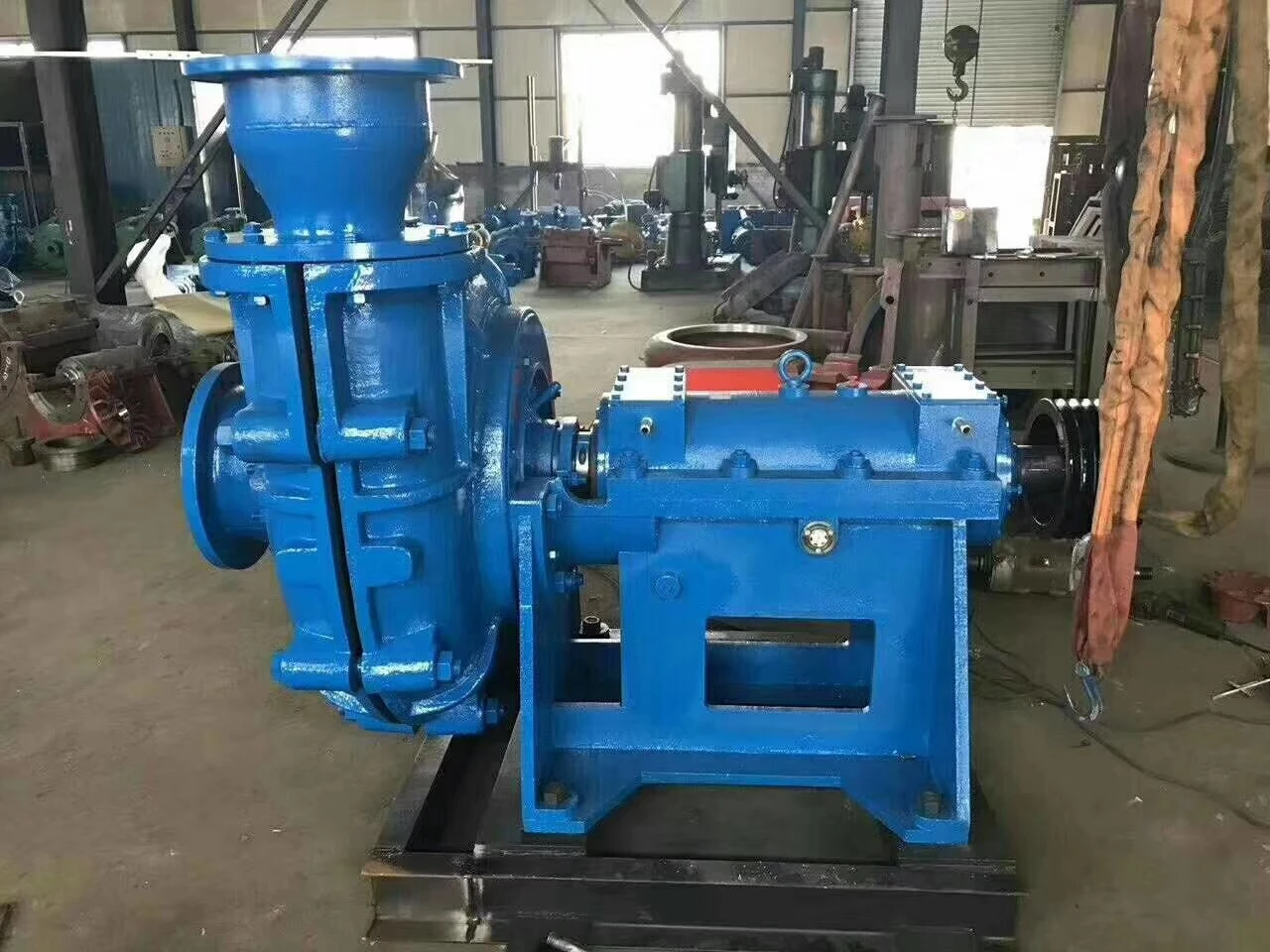
OEM metal lined slurry pumps are critical components in numerous industrial processes involving the transportation of abrasive or corrosive fluids. Positioned within the fluid handling equipment sector, these pumps represent a specialized subset designed for demanding applications where standard pumps would rapidly degrade. The core performance characteristic lies in their ability to maintain volumetric efficiency and structural integrity when handling highly abrasive slurries containing solids, varying in size and concentration. The lining, typically composed of high-hardness materials, provides a barrier against wear, corrosion, and erosion, extending pump life and reducing total cost of ownership. The selection criteria center around fluid properties (solids concentration, particle size, corrosivity, specific gravity), flow rate, head requirements, and operating temperature. A key industry pain point is balancing the cost of the lining material (e.g., rubber, ceramic, high-chrome alloys) with the required lifespan and operational efficiency. Incorrect material selection leads to premature failure and costly downtime. This guide provides a comprehensive overview of metal-lined slurry pumps, covering material science, manufacturing, performance, failure modes, and maintenance best practices.
Material Science & Manufacturing
The construction of a metal-lined slurry pump necessitates a careful selection of materials based on the intended application. The pump casing is typically manufactured from ductile iron (ASTM A536) or carbon steel (ASTM A516 Grade 70), providing a robust structural foundation. However, the internal surfaces that come into contact with the slurry are lined with materials chosen for their superior wear and corrosion resistance. Common lining materials include: Natural Rubber (NR) - offering excellent resistance to abrasion and low cost; Butyl Rubber - providing superior chemical resistance, particularly to acids; EPDM Rubber - exhibiting excellent resistance to alkalis and moderate abrasion; High-Chrome White Iron (typically 27-30% Cr) – providing extreme abrasion resistance, ideal for handling hard particles; Ceramic linings (Alumina, Silicon Carbide) - offering the highest level of abrasion and corrosion resistance but at a higher cost. Manufacturing processes vary depending on the lining material. Rubber lining typically involves vulcanization – a chemical process that cross-links the rubber molecules, creating a durable, seamless bond to the metallic substrate. This is often achieved through molding techniques under high pressure and temperature. Ceramic lining is often applied through a high-velocity oxygen fuel (HVOF) thermal spray process, creating a dense, adherent coating. Welding processes, such as shielded metal arc welding (SMAW) or submerged arc welding (SAW) (AWS D1.1 compliant), are used to join the various metallic components. Parameter control during welding is critical to maintain the integrity of the base metal and prevent distortion. Critical parameters include welding current, voltage, travel speed, and pre/post-heat temperatures. Quality control procedures include radiographic inspection (ASTM E94), ultrasonic testing (ASTM E797), and liquid penetrant inspection (ASTM E165) to detect defects in the weldments and lining.
Performance & Engineering
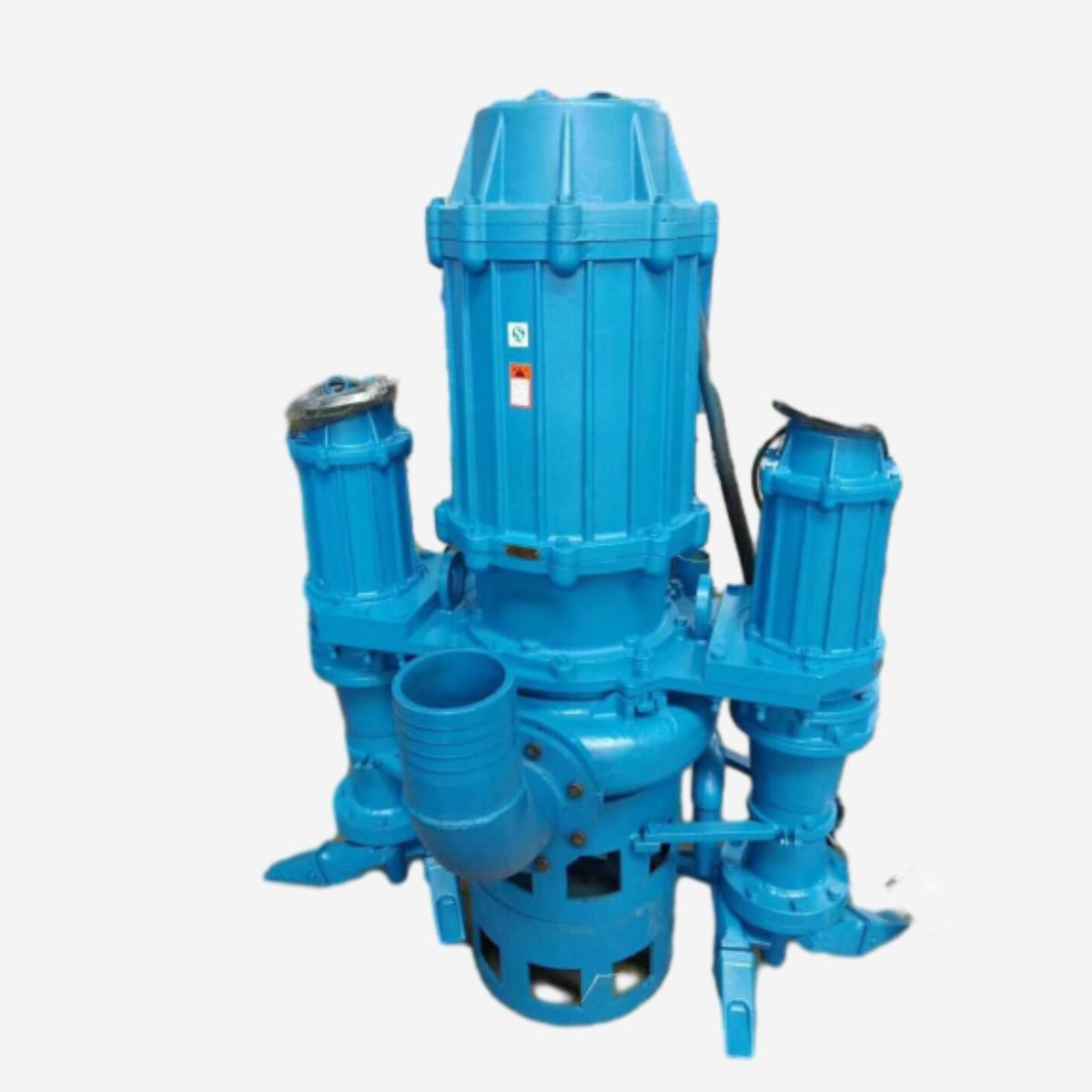
The performance of a metal-lined slurry pump is governed by fundamental hydraulic principles and the mechanical properties of its components. Force analysis considers hydrostatic pressure, dynamic pressure from the slurry flow, and mechanical stresses induced by the pump’s operation. Cavitation, a major concern, occurs when the absolute pressure at the pump inlet falls below the vapor pressure of the fluid, forming vapor bubbles that implode and cause localized erosion. Net Positive Suction Head Required (NPSHr) calculations (ANSI/HI Standard 1-1.6) are crucial to prevent cavitation. Environmental resistance is paramount. Chemical compatibility between the slurry and the lining material must be rigorously assessed. Prolonged exposure to incompatible fluids can cause swelling, degradation, or chemical attack of the lining, leading to premature failure. Temperature extremes also impact performance. High temperatures can reduce the strength and elasticity of rubber linings, while low temperatures can increase their brittleness. Compliance requirements often dictate material selection and pump design. For example, pumps used in the food and beverage industry must comply with 3-A Sanitary Standards. Pumps handling hazardous materials must meet ATEX or IECEx standards for explosion protection. Proper impeller design is vital. Impellers are often designed with open or semi-open configurations to minimize clogging and wear. Mechanical seals (API 682 standard) are used to prevent leakage and are often constructed from materials compatible with the slurry being pumped. The selection of the seal type (e.g., single, double, tandem) depends on the fluid’s properties and the severity of the application.
Technical Specifications
| Parameter | Unit | Typical Range (Rubber Lined) | Typical Range (High-Chrome Iron Lined) |
|---|---|---|---|
| Flow Rate | m³/hr | 10 – 500 | 20 – 800 |
| Discharge Head | m | 10 – 80 | 20 – 120 |
| Solids Handling Capacity | % by Weight | Up to 30% | Up to 60% |
| Maximum Particle Size | mm | 25 – 75 | 50 – 150 |
| Operating Temperature | °C | -40 to +120 | -30 to +200 |
| Lining Hardness (Shore A) | - | 60 – 90 | N/A – Metallic |
Failure Mode & Maintenance
Slurry pump failures typically stem from a combination of abrasive wear, corrosion, erosion, and mechanical fatigue. Abrasive wear occurs due to the impact of solid particles on the lining and impeller. Corrosion is initiated by chemical reactions between the slurry and the metallic or polymeric components. Erosion results from the combined effect of abrasion and corrosion, accelerated by high flow velocities. Fatigue cracking can develop in the pump casing or impeller due to cyclic loading. Delamination of the lining can occur if the bond between the lining and substrate is compromised due to improper vulcanization or thermal stresses. Oxidation of metallic components can occur at elevated temperatures. Common failure analysis techniques include visual inspection, metallographic analysis, and scanning electron microscopy (SEM). Preventive maintenance is crucial to prolong pump life. This includes regular inspection of the lining for wear, monitoring bearing temperatures, and checking seal integrity. Lubrication schedules must be strictly adhered to (ISO 287). Impeller replacement is often necessary when significant wear occurs, impacting pump performance. Re-lining the pump casing is a cost-effective alternative to replacing the entire pump. A robust maintenance program should also include vibration analysis (ISO 10816) to detect early signs of mechanical issues. Proper slurry management – controlling solids concentration, particle size distribution, and slurry chemistry – can significantly reduce wear and corrosion rates.
Industry FAQ
Q: What are the key considerations when selecting a lining material for a slurry pump handling a highly acidic slurry?
A: For highly acidic slurries, the lining material must exhibit excellent chemical resistance. While high-chrome iron offers good abrasion resistance, it’s susceptible to acid attack. Butyl rubber or specialized fluoropolymers (e.g., PTFE, PFA) are typically preferred due to their superior chemical inertness. However, fluoropolymers are generally more expensive and may have lower abrasion resistance than rubber. A detailed chemical compatibility study is crucial.
Q: How does impeller design impact pump efficiency when handling slurries with high solids content?
A: Impeller design significantly affects pump efficiency. Open or semi-open impeller designs are preferred for slurries with high solids content to minimize clogging and reduce wear. The impeller vane geometry should be optimized to promote efficient slurry flow while minimizing turbulence. Larger impeller passages are also necessary to accommodate the solids without causing excessive wear.
Q: What are the limitations of using ceramic linings in slurry pumps?
A: While ceramic linings offer exceptional abrasion and corrosion resistance, they are relatively brittle and susceptible to thermal shock. This means they can crack or chip if subjected to sudden temperature changes or impact loads. Ceramic linings are also more expensive than other lining materials, and their installation requires specialized expertise.
Q: How often should the pump casing be re-lined?
A: The frequency of re-lining depends on several factors, including the slurry’s abrasiveness, solids concentration, flow velocity, and the lining material used. Regular inspection of the lining is crucial. As a general guideline, re-lining is typically considered when the lining thickness is reduced by 20-30% or when noticeable wear patterns are observed. Vibration analysis can also indicate increased wear.
Q: What are the best practices for storing slurry pump spare parts to prevent corrosion and degradation?
A: Spare parts should be stored in a clean, dry, and climate-controlled environment. Metallic parts should be protected from moisture with corrosion inhibitors. Rubber components should be stored away from direct sunlight, ozone, and heat. Proper packaging and labeling are essential to prevent damage and ensure traceability. Follow the manufacturer’s recommendations for storage conditions.
Conclusion
OEM metal-lined slurry pumps are vital for reliable fluid handling in abrasive and corrosive environments. The selection process demands a thorough understanding of slurry characteristics, material science principles, and hydraulic engineering. Optimizing material choices, manufacturing processes, and maintenance strategies is crucial for maximizing pump life and minimizing total cost of ownership. The continued development of advanced lining materials and improved pump designs will further enhance the performance and durability of these critical industrial components.
Proactive failure analysis, coupled with adherence to established industry standards and best practices, will ensure the long-term reliability and efficiency of slurry pump operations. Implementing a comprehensive maintenance program, including regular inspections, lubrication, and vibration analysis, remains the cornerstone of successful slurry pump management. The future of slurry pump technology lies in the integration of sensor-based monitoring and predictive maintenance techniques, enabling proactive interventions and minimizing unplanned downtime.
-
Comprehensive Guide to Waterproof ORings for Optimal Sealing Solutions
News2026-06-09
-
submersible pump set Performance Analysis
News2026-06-16
-
Sewer Ejector Pumps Material Science
News2026-06-16
-
septic water pump Performance Analysis
News2026-06-16
-
septic tank water pump Performance Analysis
News2026-06-16
-
Septic Tank Pump to Drain Field Performance Analysis
News2026-06-16
-
septic tank pump system Performance Analysis
News2026-06-15
-
septic system lift pump Performance Analysis
News2026-06-15
-
septic pumps for sale Performance Analysis
News2026-06-15
-
lift pump for septic system Material Science Manufacturing
News2026-06-15
-
Ejector Pit and Pump System Performance
News2026-06-15
-
basement plumbing pump Performance Engineering
News2026-06-14
-
water submersible pump Performance Engineering
News2026-06-14
-
Septic Systems with Pumps Performance Analysis
News2026-06-14
-
Septic Pump Systems Performance Analysis
News2026-06-14




