English
- Afrikaans
- Albanian
- Amharic
- Arabic
- Armenian
- Azerbaijani
- Basque
- Belarusian
- Bengali
- Bosnian
- Bulgarian
- Catalan
- Cebuano
- Corsican
- Croatian
- Czech
- Danish
- Dutch
- English
- Esperanto
- Estonian
- Finnish
- French
- Frisian
- Galician
- Georgian
- German
- Greek
- Gujarati
- Haitian Creole
- hausa
- hawaiian
- Hebrew
- Hindi
- Miao
- Hungarian
- Icelandic
- igbo
- Indonesian
- irish
- Italian
- Japanese
- Javanese
- Kannada
- kazakh
- Khmer
- Rwandese
- Korean
- Kurdish
- Kyrgyz
- Lao
- Latin
- Latvian
- Lithuanian
- Luxembourgish
- Macedonian
- Malgashi
- Malay
- Malayalam
- Maltese
- Maori
- Marathi
- Mongolian
- Myanmar
- Nepali
- Norwegian
- Norwegian
- Occitan
- Pashto
- Persian
- Polish
- Portuguese
- Punjabi
- Romanian
- Russian
- Samoan
- Scottish Gaelic
- Serbian
- Sesotho
- Shona
- Sindhi
- Sinhala
- Slovak
- Slovenian
- Somali
- Spanish
- Sundanese
- Swahili
- Swedish
- Tagalog
- Tajik
- Tamil
- Tatar
- Telugu
- Thai
- Turkish
- Turkmen
- Ukrainian
- Urdu
- Uighur
- Uzbek
- Vietnamese
- Welsh
- Bantu
- Yiddish
- Yoruba
- Zulu

Telephone: +86 13120555503
Email: frank@cypump.com


Apr . 01, 2024 17:55 Back to list
oem metal lined slurry pump manufacturer Performance Analysis
Introduction
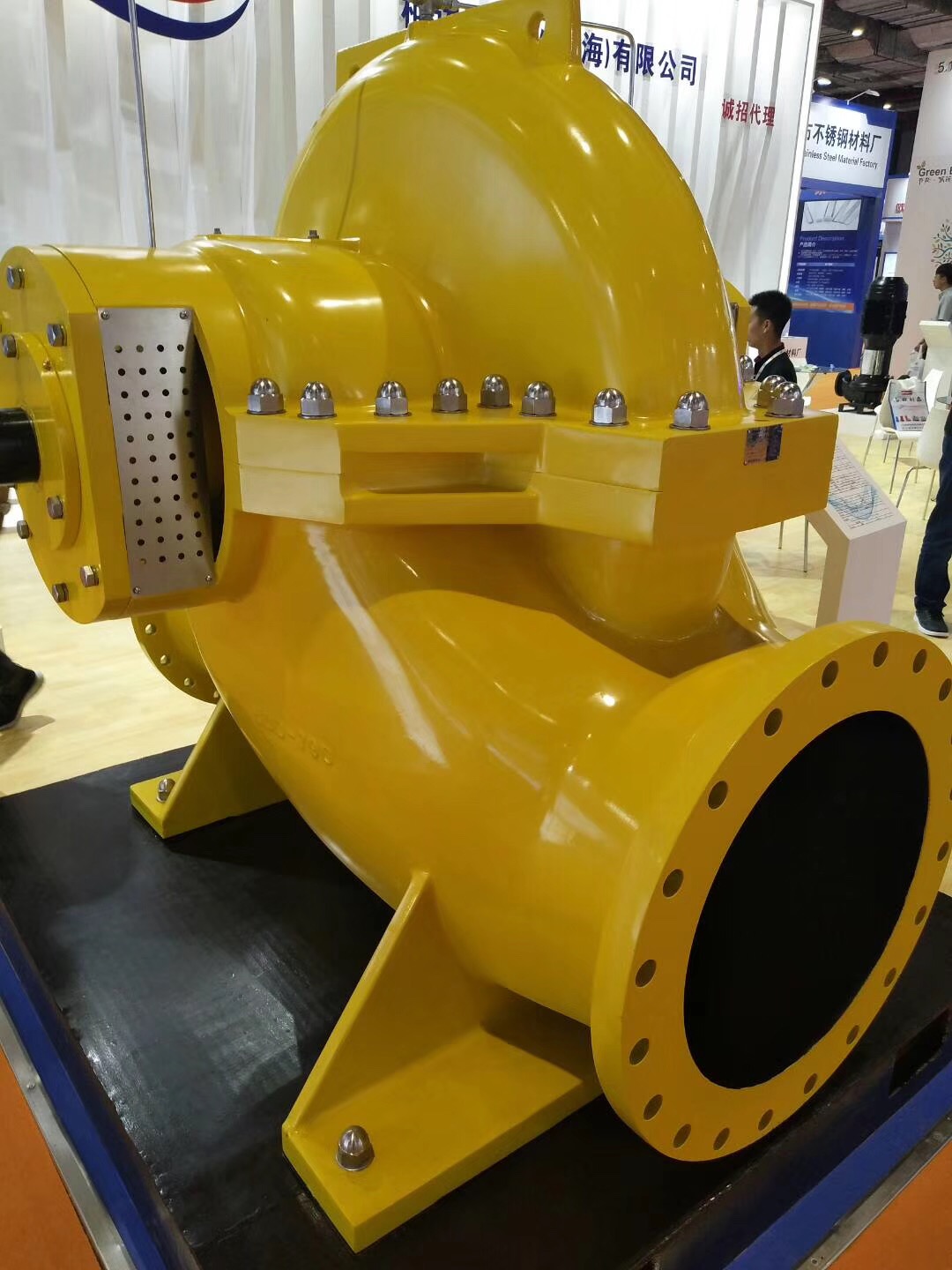
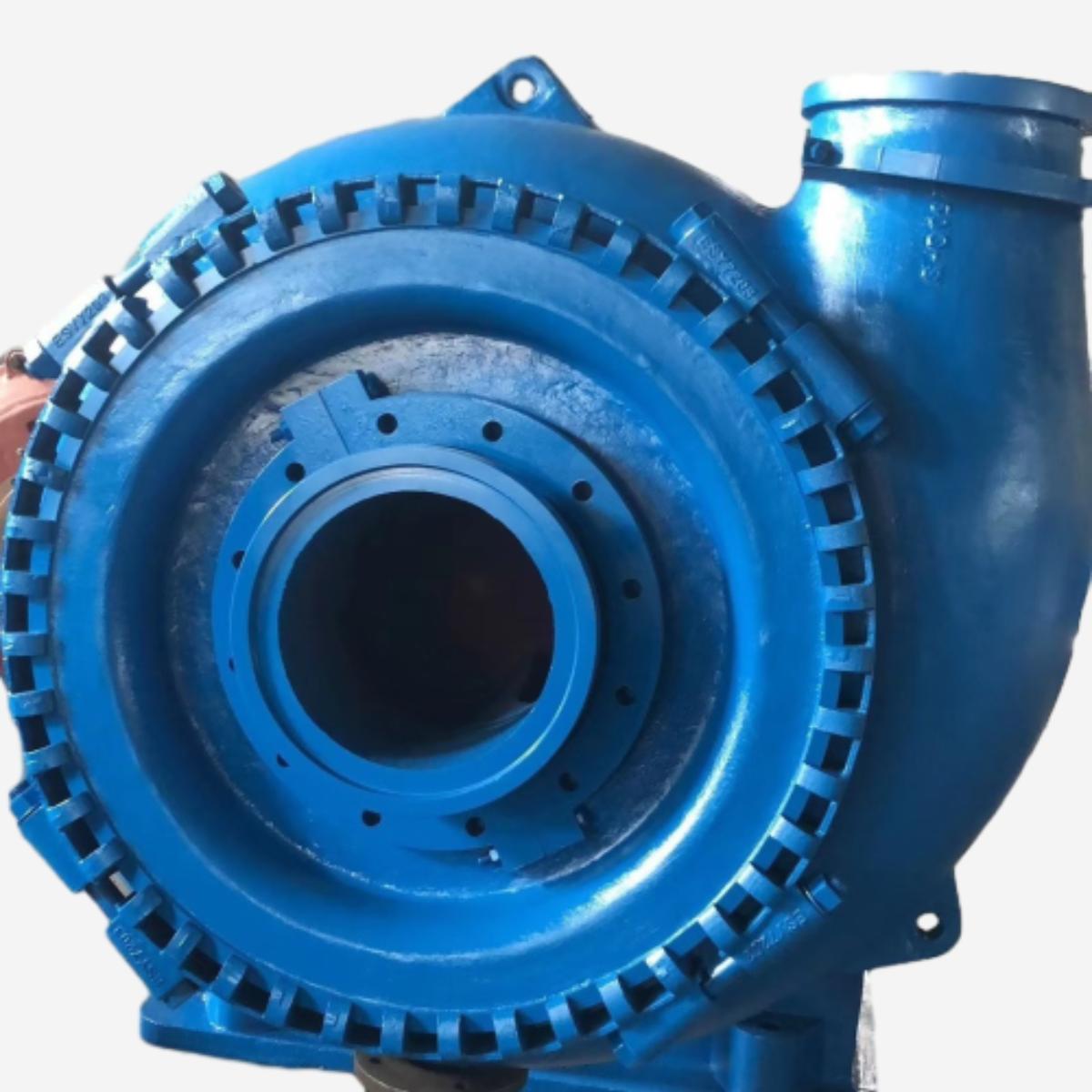
Metal-lined slurry pumps are critical components in industries dealing with abrasive or corrosive fluids, including mining, chemical processing, wastewater treatment, and power generation. An OEM (Original Equipment Manufacturer) metal-lined slurry pump manufacturer specializes in the design, engineering, and fabrication of these pumps, offering tailored solutions rather than generic off-the-shelf products. The core performance characteristics of these pumps are defined by their ability to withstand high levels of abrasion, resist chemical attack, and maintain volumetric efficiency over extended periods. The selection of lining material, pump casing design, impeller geometry, and seal arrangement directly influences pump lifespan, operating costs, and overall system reliability. These pumps are positioned within the fluid handling chain as the critical pressure-boosting element for moving slurries from process to process or disposal locations, often operating continuously in harsh environments. A key pain point in the industry revolves around pump component failure due to premature wear, leading to costly downtime, maintenance, and replacement costs. OEM specialization addresses this by offering optimized materials and designs for specific slurry characteristics.
Material Science & Manufacturing
The performance of a metal-lined slurry pump is fundamentally linked to the material science of both the pump casing and the lining itself. Common lining materials include various alloys of cast iron (white iron, ductile iron), high-chromium cast iron, and specialized corrosion-resistant alloys such as duplex stainless steels, Hastelloy, and rubber linings. White iron linings exhibit exceptional abrasion resistance due to the presence of hard iron carbides, though they are brittle and susceptible to impact damage. High-chromium cast irons balance abrasion resistance with improved toughness. The selection depends heavily on the slurry’s particle size, shape, and concentration, as well as its chemical composition. Pump casings are typically constructed from carbon steel or stainless steel, chosen based on the process fluid and environmental conditions. Manufacturing processes for metal-lined pumps involve several critical steps: pattern making, sand casting for both the casing and lining, heat treatment (for achieving desired hardness and microstructure in the lining), precision machining (for impeller and casing fit), and rubber lining application (vulcanization process for rubber-lined pumps). Key parameter control during manufacturing includes maintaining precise chemical composition of the alloys, controlling cooling rates during casting to minimize stress and distortion, and ensuring proper bonding between the lining and the casing. Welding procedures for joining components must be meticulously controlled to prevent defects and maintain structural integrity, often utilizing specialized welding techniques like submerged arc welding (SAW) or gas tungsten arc welding (GTAW) with appropriate filler metals to ensure compatibility and corrosion resistance.
Performance & Engineering
Slurry pump performance is governed by a complex interplay of hydraulic forces and material properties. Force analysis, including consideration of impeller centrifugal forces, slurry impact forces, and hydrostatic pressure, is critical in designing robust pump components. Cavitation is a significant concern, particularly with high-suction lift applications or when handling fluids with high vapor pressures. Proper impeller design, including blade angles and profile, is essential to minimize cavitation. Environmental resistance encompasses both corrosion resistance and temperature stability. Slurries containing acids, alkalis, or chlorides necessitate the use of corrosion-resistant alloys for both the lining and the pump casing. Temperature extremes can affect material strength and viscosity, impacting pump performance. Compliance requirements vary by region and industry, with standards like ISO 9001 (quality management), ATEX (for potentially explosive atmospheres), and various environmental regulations playing a role. Functional implementation requires careful consideration of the entire system, including pipework, valves, and control systems. Proper pump sizing is crucial to avoid overloading or operating at inefficient points on the pump curve. Mechanical seals are critical for preventing leakage and maintaining pump efficiency. Selection of the appropriate seal type (e.g., mechanical seal, packing) depends on the slurry’s properties and operating conditions.
Technical Specifications
| Parameter | Unit | Typical Range (High-Chrome Iron Lined) | Typical Range (Rubber Lined) |
|---|---|---|---|
| Flow Rate | m³/hr | 10 – 1500 | 5 – 800 |
| Head | m | 10 – 120 | 15 – 60 |
| Solids Handling Size | mm | Up to 75 | Up to 60 |
| Slurry Concentration (Weight %) | % | Up to 70 | Up to 80 |
| Operating Temperature | °C | -20 to 120 | -40 to 80 |
| Maximum Operating Pressure | bar | Up to 30 | Up to 10 |
Failure Mode & Maintenance
Common failure modes in metal-lined slurry pumps include abrasive wear of the lining and impeller, corrosion of the pump casing and impeller, fatigue cracking of the shaft or casing, and seal failures. Abrasive wear is the most prevalent failure mechanism, particularly in high-solids concentration slurries. Fatigue cracking can occur due to cyclic loading and stress concentrations, especially around impeller blades or casing welds. Corrosion can lead to material thinning and eventual failure of pump components. Seal failures result in leakage and reduced pump efficiency. Failure analysis involves visual inspection, non-destructive testing (NDT) methods such as dye penetrant inspection and ultrasonic testing, and metallurgical analysis of failed components. Maintenance solutions include regular inspection of pump components for wear and corrosion, replacement of worn liners and impellers, lubrication of bearings, and proper seal maintenance. Proactive maintenance strategies, such as vibration analysis and oil analysis, can help detect potential problems before they lead to catastrophic failures. Periodic impeller rebalancing and alignment checks are also essential for maintaining pump performance and extending its lifespan. Implementing a robust preventative maintenance schedule is crucial for minimizing downtime and maximizing the return on investment in slurry pump technology.
Industry FAQ
Q: What is the primary difference between a high-chrome iron lining and a rubber lining in terms of abrasion resistance and application?
A: High-chrome iron linings offer superior abrasion resistance against hard, sharp particles, making them ideal for handling mineral slurries, tailings, and other aggressive abrasive media. Rubber linings, while less abrasion resistant to hard particles, excel in applications involving larger, rounded particles and offer excellent resistance to impact and corrosion. Rubber linings are preferred for slurries containing significant amounts of large gravel or where corrosion is a primary concern.
Q: How does impeller design impact pump efficiency and susceptibility to cavitation?
A: Impeller design significantly affects pump efficiency and cavitation performance. Optimized blade angles and profiles minimize hydraulic losses, improving efficiency. Proper impeller geometry also ensures a smooth flow of slurry, reducing the formation of low-pressure zones that can lead to cavitation. Impellers designed with a greater suction-specific speed are more prone to cavitation.
Q: What are the key considerations when selecting a mechanical seal for a slurry pump?
A: Key considerations include the slurry’s particle size, concentration, and abrasiveness, as well as the pump’s operating pressure and temperature. Seal materials must be compatible with the slurry’s chemical composition. Seal face configurations (e.g., single, double) and flushing arrangements are selected based on the slurry’s characteristics and the potential for abrasive particle build-up. Double mechanical seals with barrier fluids provide enhanced protection against leakage and prolong seal life.
Q: What is the role of NDT (Non-Destructive Testing) in maintaining slurry pump reliability?
A: NDT methods, such as ultrasonic testing, dye penetrant inspection, and magnetic particle inspection, are used to detect internal flaws, cracks, and corrosion without dismantling the pump. These inspections allow for proactive identification of potential failure points, enabling timely repairs and preventing catastrophic failures. Regular NDT inspections are a crucial part of a comprehensive preventative maintenance program.
Q: What are the typical lead times for an OEM-manufactured metal-lined slurry pump compared to a standard off-the-shelf pump?
A: OEM-manufactured pumps, due to their customized nature and material sourcing requirements, typically have longer lead times than standard pumps. Lead times can range from 12 to 24 weeks depending on the complexity of the design, material availability, and the manufacturer's production schedule. Standard pumps are generally available within 4-8 weeks. The extended lead time for OEM pumps is justified by the increased performance, reliability, and longevity they offer in demanding applications.
Conclusion
The selection and maintenance of metal-lined slurry pumps are critical for optimizing performance and minimizing downtime in abrasive and corrosive environments. OEM manufacturers play a vital role in providing tailored solutions that address specific application requirements, utilizing advanced material science and engineering principles. Understanding the interplay between material properties, manufacturing processes, and operating conditions is paramount for ensuring long-term pump reliability and maximizing return on investment.
Future advancements in slurry pump technology will likely focus on the development of new lining materials with enhanced abrasion and corrosion resistance, improved impeller designs for increased efficiency and cavitation control, and the integration of smart sensors and data analytics for predictive maintenance. Continued collaboration between OEMs and end-users will be essential for driving innovation and addressing the evolving challenges of slurry handling.
-
Comprehensive Guide to Waterproof ORings for Optimal Sealing Solutions
News2026-06-09
-
submersible pump set Performance Analysis
News2026-06-16
-
Sewer Ejector Pumps Material Science
News2026-06-16
-
septic water pump Performance Analysis
News2026-06-16
-
septic tank water pump Performance Analysis
News2026-06-16
-
Septic Tank Pump to Drain Field Performance Analysis
News2026-06-16
-
septic tank pump system Performance Analysis
News2026-06-15
-
septic system lift pump Performance Analysis
News2026-06-15
-
septic pumps for sale Performance Analysis
News2026-06-15
-
lift pump for septic system Material Science Manufacturing
News2026-06-15
-
Ejector Pit and Pump System Performance
News2026-06-15
-
basement plumbing pump Performance Engineering
News2026-06-14
-
water submersible pump Performance Engineering
News2026-06-14
-
Septic Systems with Pumps Performance Analysis
News2026-06-14
-
Septic Pump Systems Performance Analysis
News2026-06-14




