English
- Afrikaans
- Albanian
- Amharic
- Arabic
- Armenian
- Azerbaijani
- Basque
- Belarusian
- Bengali
- Bosnian
- Bulgarian
- Catalan
- Cebuano
- Corsican
- Croatian
- Czech
- Danish
- Dutch
- English
- Esperanto
- Estonian
- Finnish
- French
- Frisian
- Galician
- Georgian
- German
- Greek
- Gujarati
- Haitian Creole
- hausa
- hawaiian
- Hebrew
- Hindi
- Miao
- Hungarian
- Icelandic
- igbo
- Indonesian
- irish
- Italian
- Japanese
- Javanese
- Kannada
- kazakh
- Khmer
- Rwandese
- Korean
- Kurdish
- Kyrgyz
- Lao
- Latin
- Latvian
- Lithuanian
- Luxembourgish
- Macedonian
- Malgashi
- Malay
- Malayalam
- Maltese
- Maori
- Marathi
- Mongolian
- Myanmar
- Nepali
- Norwegian
- Norwegian
- Occitan
- Pashto
- Persian
- Polish
- Portuguese
- Punjabi
- Romanian
- Russian
- Samoan
- Scottish Gaelic
- Serbian
- Sesotho
- Shona
- Sindhi
- Sinhala
- Slovak
- Slovenian
- Somali
- Spanish
- Sundanese
- Swahili
- Swedish
- Tagalog
- Tajik
- Tamil
- Tatar
- Telugu
- Thai
- Turkish
- Turkmen
- Ukrainian
- Urdu
- Uighur
- Uzbek
- Vietnamese
- Welsh
- Bantu
- Yiddish
- Yoruba
- Zulu

Telephone: +86 13120555503
Email: frank@cypump.com


Apr . 01, 2024 17:55 Back to list
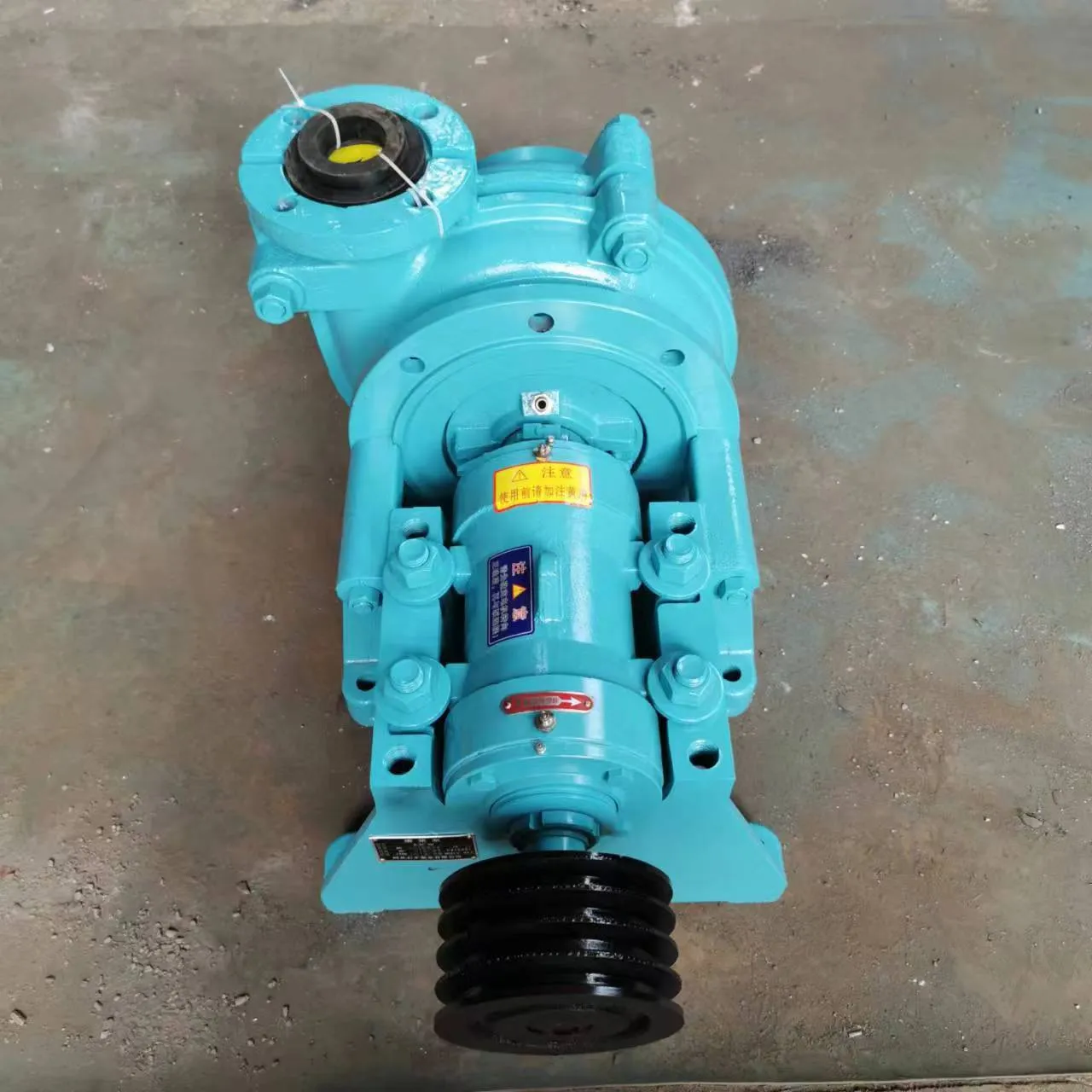
oem metal lined slurry pump factories Performance Analysis
Introduction
OEM metal-lined slurry pumps are critical components in industries dealing with abrasive or corrosive fluids. These pumps, often employed in mining, chemical processing, wastewater treatment, and dredging, utilize a metallic liner – typically high-chromium cast iron, duplex stainless steel, or specialized alloys – to protect the pump casing from wear and corrosion. Their technical position in the industry chain sits between raw material suppliers (metals, elastomers), pump component manufacturers, and end-user facilities. Core performance indicators revolve around volumetric efficiency, hydraulic efficiency, and material degradation rates under specific operating conditions. Selection hinges on fluid characteristics (solids content, pH, temperature, specific gravity), flow rate, head pressure requirements, and long-term operational costs considering wear resistance and maintenance intervals. A key industry pain point is balancing initial cost with lifecycle cost, as cheaper materials often require more frequent replacement and incur higher downtime.
Material Science & Manufacturing
The manufacturing of metal-lined slurry pumps involves several critical material science and engineering considerations. The most common lining materials include: High-Chromium White Iron (typically 27-30% Cr), offering exceptional abrasion resistance due to the formation of hard chromium carbides; Duplex Stainless Steels (e.g., 2205, 2507), providing superior corrosion resistance and moderate abrasion resistance; and Alloy Cast Irons (Ni-Hard, for example) combining toughness and wear resistance. The pump casing material is generally gray or ductile iron, chosen for its castability and cost-effectiveness.
Manufacturing processes vary depending on pump size and complexity. The metallic liner is often produced via casting, utilizing sand casting or investment casting to achieve the desired shape and dimensional accuracy. Critical parameters during casting include melt temperature, cooling rate, and mold material properties to control microstructure and carbide distribution in high-chromium irons. The liner is then precisely fitted into the pump casing, typically using a shrinkage fit or adhesive bonding. Welding is utilized extensively to join pump components, requiring stringent quality control of weld procedures (SMAW, GMAW, GTAW) to ensure structural integrity and prevent corrosion initiation at weld seams. Surface treatments such as heat treatment (hardening, tempering) and coating (epoxy, ceramic) are applied to further enhance wear and corrosion resistance. Key parameter control involves precise measurement of alloy composition, hardness testing (Rockwell, Brinell), and metallographic analysis to verify microstructure.
Performance & Engineering
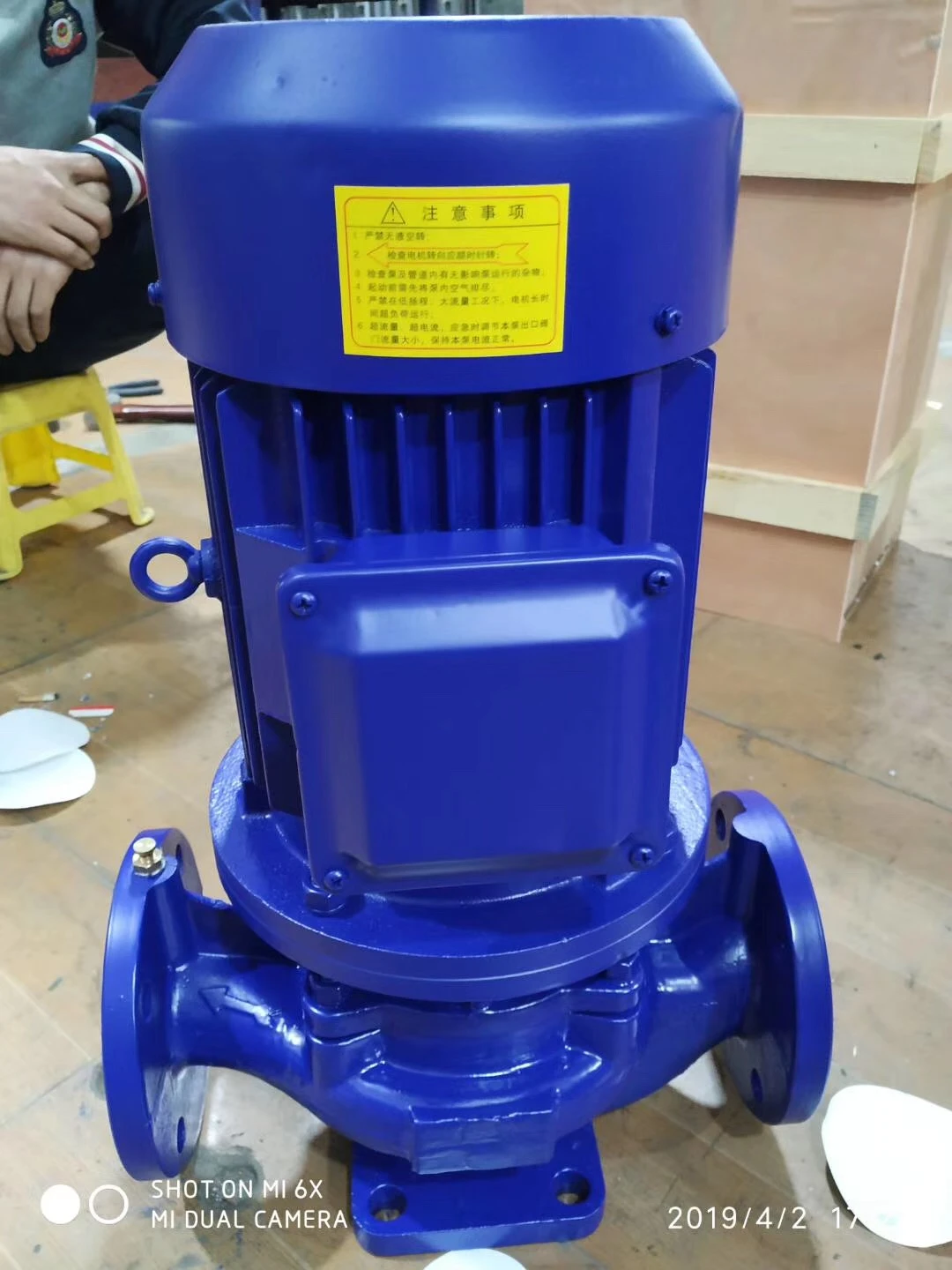
Slurry pump performance is fundamentally governed by hydraulic principles, specifically the relationship between flow rate, head pressure, and impeller design. The impeller’s geometry (vane angle, number of vanes, diameter) directly influences the pump’s hydraulic efficiency and solids handling capability. Force analysis considers both steady-state and transient forces acting on the impeller and shaft, including centrifugal forces, hydrodynamic forces, and impact forces from solid particles. Environmental resistance is a major design consideration. Corrosion rates are influenced by fluid pH, temperature, and the presence of dissolved salts. Abrasion is governed by particle size, shape, hardness, and concentration. Pump designs must incorporate features to mitigate these effects, such as wear plates, replaceable liners, and optimized impeller clearances.
Compliance requirements vary based on the target market. In North America, Hydraulic Institute (HI) standards define pump performance testing and classification. European regulations (ATEX directives) address explosion-proof requirements for pumps operating in hazardous environments. For potable water applications, NSF/ANSI 61 certification is essential. Functional implementation considerations include pump selection based on system curves (head-capacity relationships), motor sizing to meet power requirements, and installation practices to minimize cavitation and vibration. Dynamic balancing of the impeller is crucial to reduce vibration and extend bearing life. The choice of sealing mechanisms (mechanical seals, packing) is dictated by the fluid properties and operational requirements.
Technical Specifications
| Parameter | Unit | High-Chromium Iron Lined Pump | Duplex Stainless Steel Lined Pump |
|---|---|---|---|
| Maximum Flow Rate | m³/h | 500 | 350 |
| Maximum Head | m | 80 | 120 |
| Maximum Solids Handling | mm | 75 | 50 |
| Liner Material Hardness | HRC | 60-65 | N/A (Stainless Steel) |
| Maximum Operating Temperature | °C | 150 | 200 |
| pH Range | - | 5-10 | 2-12 |
Failure Mode & Maintenance
Slurry pump failures commonly arise from several mechanisms. Abrasion is a primary cause, leading to liner wear and impeller erosion, particularly when handling hard, sharp particles. Corrosion can occur due to aggressive chemical constituents in the fluid, resulting in pitting, crevice corrosion, or galvanic corrosion. Fatigue cracking can develop in the pump casing or impeller due to cyclic loading and stress concentrations. Cavitation, caused by low suction pressure, can erode impeller vanes and casing surfaces. Delamination of the metallic liner from the pump casing can occur due to improper bonding or thermal stresses. Oxidation, particularly at elevated temperatures, can weaken metallic components.
Professional maintenance solutions involve regular inspections for wear and corrosion, volumetric and non-destructive testing (ultrasonic testing, radiographic testing) to detect cracks and defects, and replacement of worn components. Preventative maintenance schedules should include lubrication of bearings, tightening of bolts, and adjustment of seals. Impeller balancing should be performed periodically. For corrosion-related failures, cathodic protection or the use of corrosion inhibitors may be necessary. In cases of severe liner wear, relining the pump casing with a new liner is often the most cost-effective solution. Root cause analysis of failures is essential to identify underlying problems and implement corrective actions to prevent recurrence.
Industry FAQ
Q: What are the key differences between high-chromium iron and duplex stainless steel liners in terms of lifespan and application?
A: High-chromium iron offers superior abrasion resistance, making it ideal for handling highly abrasive slurries with lower corrosion potential. However, it's susceptible to corrosion in acidic or chloride-rich environments. Duplex stainless steel provides excellent corrosion resistance across a wider pH range and moderate abrasion resistance. Its lifespan in abrasive applications may be shorter than high-chromium iron, but it significantly outperforms in corrosive environments, particularly in saltwater or chemical processing.
Q: How does impeller design impact the pump's solids handling capability?
A: Impeller design directly influences solids handling. Open impellers, with larger passageways, are better suited for handling large solids and stringy materials. Closed impellers offer higher efficiency for clean fluids but are more prone to clogging with solids. Vane angle and impeller diameter also play a crucial role; a larger vane angle typically improves solids handling but reduces head. Impeller back vanes help to reduce axial thrust and improve pump stability when handling solids.
Q: What are the common causes of cavitation in slurry pumps and how can it be prevented?
A: Cavitation occurs when the absolute pressure at the pump suction falls below the vapor pressure of the fluid, causing vapor bubbles to form and collapse, eroding the impeller. Common causes include low suction head, high fluid temperature, high flow rate, and obstructions in the suction line. Prevention strategies include increasing suction head, reducing fluid temperature, lowering flow rate, ensuring proper suction line sizing, and removing obstructions.
Q: How important is proper pump alignment, and what methods are used to ensure it?
A: Proper pump alignment is crucial for minimizing vibration, bearing wear, and seal failure. Misalignment creates excessive stress on the pump shaft and bearings, leading to premature failure. Alignment is typically achieved using laser alignment tools, which provide precise measurements of shaft position and angle. Dial indicators are also used, but laser alignment offers higher accuracy and efficiency.
Q: What are the considerations when selecting a mechanical seal versus packing for a slurry pump?
A: Mechanical seals provide a tighter seal than packing, reducing leakage and minimizing environmental contamination. They are preferred for handling hazardous or expensive fluids. However, mechanical seals are more susceptible to damage from abrasive particles. Packing is more tolerant of abrasives but requires regular adjustment to maintain a leak-free seal and can lead to higher fluid loss. Seal selection depends on fluid properties, abrasive content, and the criticality of leak prevention.
Conclusion
OEM metal-lined slurry pumps represent a crucial engineering solution for the demanding challenges of fluid handling in abrasive and corrosive environments. The selection process necessitates a thorough understanding of material science, hydraulic principles, and application-specific requirements. Optimizing liner material, impeller design, and maintenance practices are paramount to maximizing pump lifespan and minimizing lifecycle costs.
Future advancements will likely focus on developing more wear-resistant materials, improving impeller designs for enhanced solids handling, and implementing predictive maintenance technologies utilizing sensor data and machine learning to anticipate failures and optimize maintenance schedules. Continued innovation in coating technologies and sealing solutions will further enhance the performance and reliability of these critical industrial components.
-
Comprehensive Guide to Waterproof ORings for Optimal Sealing Solutions
News2026-06-09
-
submersible pump set Performance Analysis
News2026-06-16
-
Sewer Ejector Pumps Material Science
News2026-06-16
-
septic water pump Performance Analysis
News2026-06-16
-
septic tank water pump Performance Analysis
News2026-06-16
-
Septic Tank Pump to Drain Field Performance Analysis
News2026-06-16
-
septic tank pump system Performance Analysis
News2026-06-15
-
septic system lift pump Performance Analysis
News2026-06-15
-
septic pumps for sale Performance Analysis
News2026-06-15
-
lift pump for septic system Material Science Manufacturing
News2026-06-15
-
Ejector Pit and Pump System Performance
News2026-06-15
-
basement plumbing pump Performance Engineering
News2026-06-14
-
water submersible pump Performance Engineering
News2026-06-14
-
Septic Systems with Pumps Performance Analysis
News2026-06-14
-
Septic Pump Systems Performance Analysis
News2026-06-14




