English
- Afrikaans
- Albanian
- Amharic
- Arabic
- Armenian
- Azerbaijani
- Basque
- Belarusian
- Bengali
- Bosnian
- Bulgarian
- Catalan
- Cebuano
- Corsican
- Croatian
- Czech
- Danish
- Dutch
- English
- Esperanto
- Estonian
- Finnish
- French
- Frisian
- Galician
- Georgian
- German
- Greek
- Gujarati
- Haitian Creole
- hausa
- hawaiian
- Hebrew
- Hindi
- Miao
- Hungarian
- Icelandic
- igbo
- Indonesian
- irish
- Italian
- Japanese
- Javanese
- Kannada
- kazakh
- Khmer
- Rwandese
- Korean
- Kurdish
- Kyrgyz
- Lao
- Latin
- Latvian
- Lithuanian
- Luxembourgish
- Macedonian
- Malgashi
- Malay
- Malayalam
- Maltese
- Maori
- Marathi
- Mongolian
- Myanmar
- Nepali
- Norwegian
- Norwegian
- Occitan
- Pashto
- Persian
- Polish
- Portuguese
- Punjabi
- Romanian
- Russian
- Samoan
- Scottish Gaelic
- Serbian
- Sesotho
- Shona
- Sindhi
- Sinhala
- Slovak
- Slovenian
- Somali
- Spanish
- Sundanese
- Swahili
- Swedish
- Tagalog
- Tajik
- Tamil
- Tatar
- Telugu
- Thai
- Turkish
- Turkmen
- Ukrainian
- Urdu
- Uighur
- Uzbek
- Vietnamese
- Welsh
- Bantu
- Yiddish
- Yoruba
- Zulu

Telephone: +86 13120555503
Email: frank@cypump.com


Apr . 01, 2024 17:55 Back to list
oem medium head heavy duty slurry pump suppliers Performance Analysis
Introduction
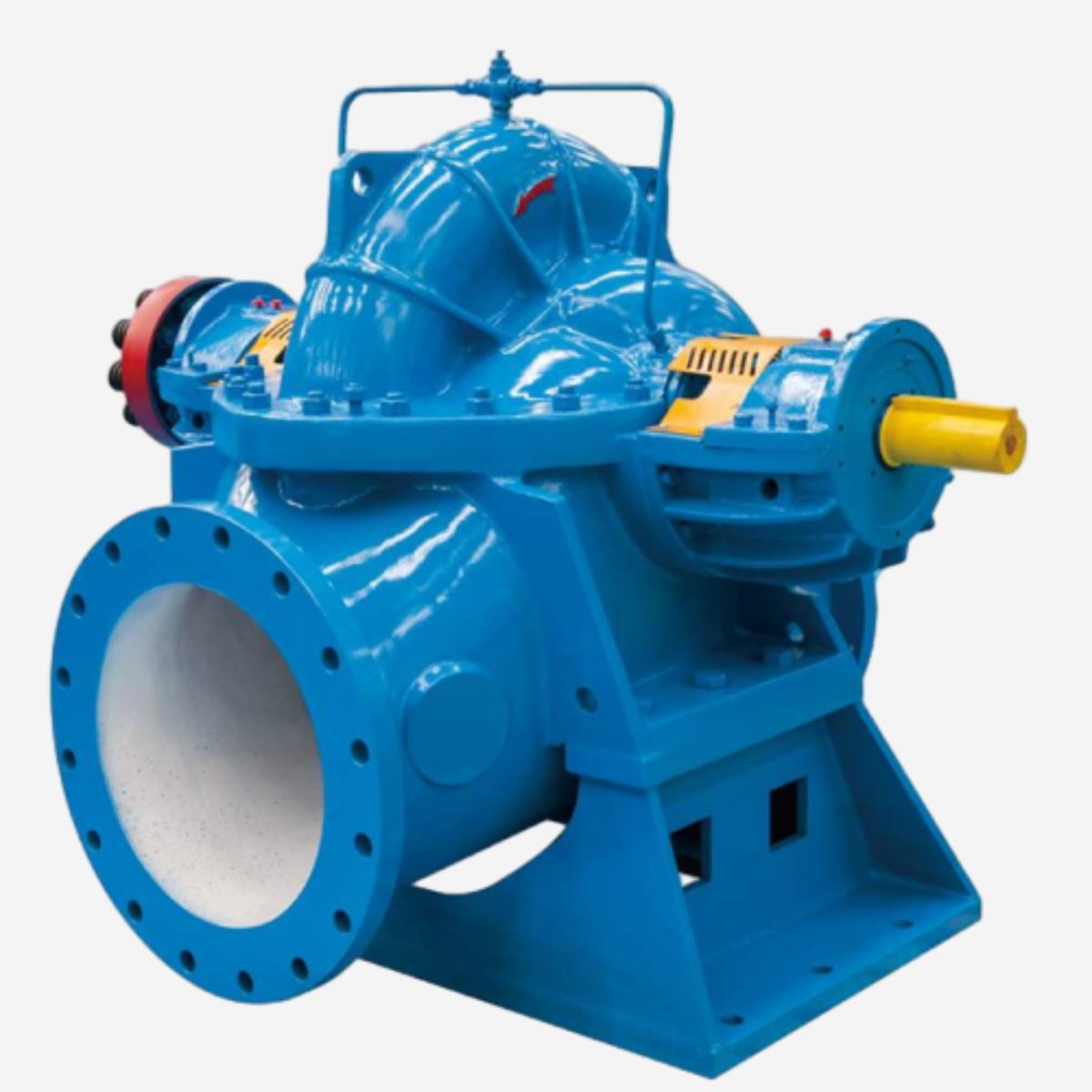
OEM medium head heavy duty slurry pumps represent a critical component in numerous industrial processes involving the transportation of abrasive or corrosive fluids. These pumps are integral to industries such as mining, wastewater treatment, chemical processing, and dredging, where consistent and reliable fluid handling is paramount. Positioned within the fluid handling equipment supply chain, these pumps bridge the gap between raw material processing and downstream operational efficiency. Their classification as “medium head” signifies a specific capability to generate discharge pressure suitable for moderate elevation lifts and distances, typically ranging between 30-100 meters. “Heavy duty” denotes a robust construction designed to withstand the demanding operational conditions inherent in slurry applications – high solids content, abrasive particle size, and often, chemically aggressive environments. Core performance characteristics include flow rate (m³/hr), head (meters), solids handling capability (particle size and concentration), and overall pump efficiency. Failure to select and maintain the appropriate slurry pump can lead to significant downtime, increased operational costs, and potential environmental hazards.
Material Science & Manufacturing
The construction of OEM medium head heavy duty slurry pumps necessitates a careful selection of materials resistant to both abrasion and corrosion. Pump casings are commonly manufactured from high-chrome cast iron (typically 27% Cr), offering exceptional wear resistance against abrasive slurries. However, for highly corrosive environments, duplex stainless steels (e.g., 2205, 2507) or high-silicon cast irons are employed. Impeller materials mirror the casing selection, with high-chrome iron dominating due to its cost-effectiveness and abrasion resistance. Elastomeric components, such as liners and seals, are often constructed from natural rubber, nitrile rubber, or EPDM, depending on the chemical compatibility requirements of the transported slurry. Manufacturing processes vary based on component complexity. Casings are typically produced via sand casting followed by heat treatment and machining. Impellers can be cast or forged, with final machining ensuring dimensional accuracy and hydrodynamic efficiency. Shafts are forged from alloy steel (e.g., 4140, 4340) and undergo rigorous quality control including non-destructive testing (NDT) such as ultrasonic inspection and magnetic particle inspection to ensure structural integrity. Critical parameters during manufacturing include casting solidification rates to minimize porosity, heat treatment temperatures to achieve optimal hardness and toughness, and machining tolerances to maintain precise clearances and minimize vibration. Welding, when required, is performed using shielded metal arc welding (SMAW) or gas tungsten arc welding (GTAW) with certified welders following strict welding procedures to ensure weld integrity and prevent cracking.
Performance & Engineering
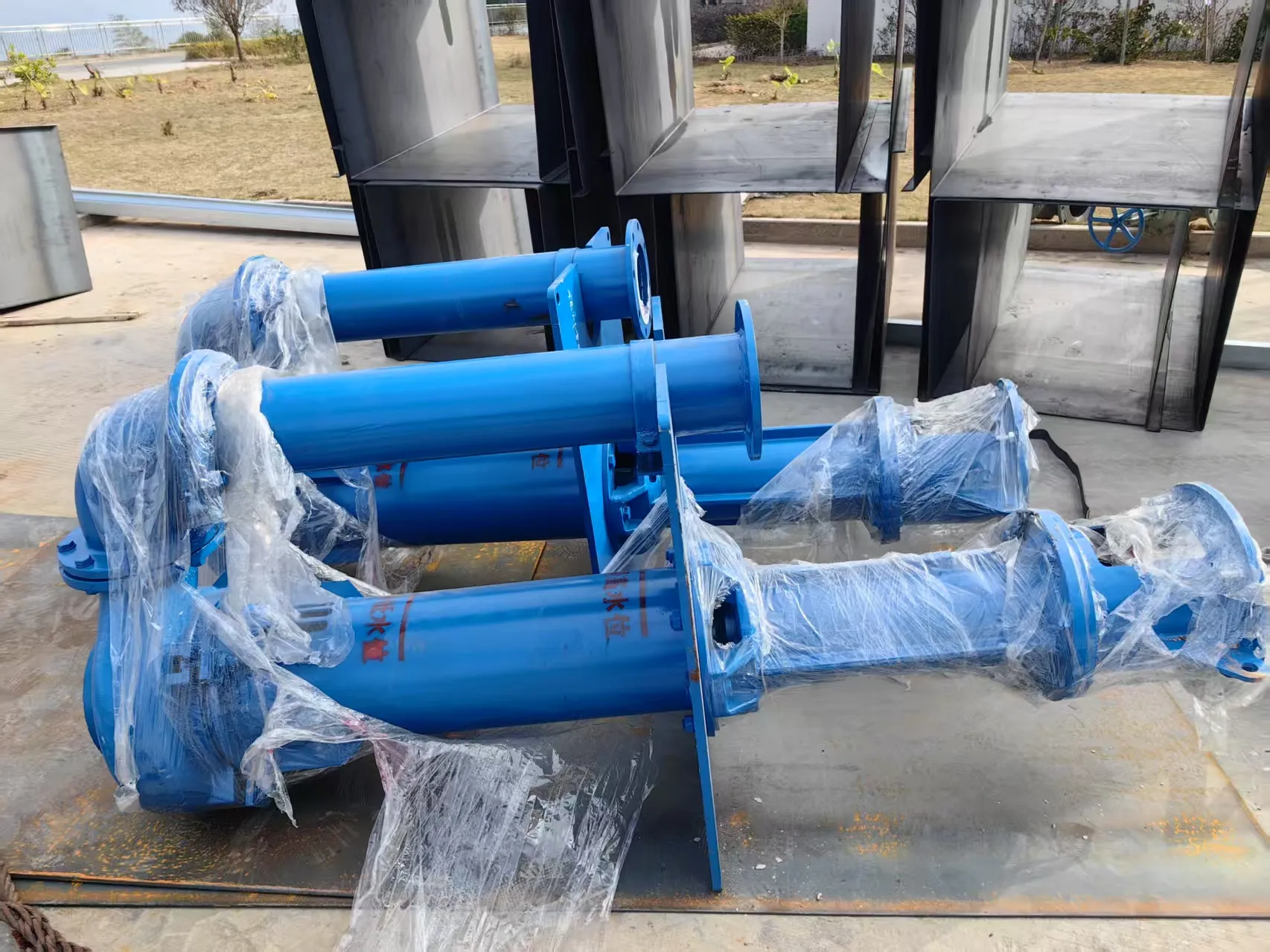
The performance of medium head heavy duty slurry pumps is governed by fundamental hydraulic principles and material properties. Force analysis centers on the hydrodynamic forces exerted by the slurry on the impeller and casing, as well as the mechanical stresses induced by pressure differentials and rotational forces. Impeller design is critical; backward-curved vanes are preferred for their stable performance across a wide range of flow rates and heads. The pump's head-capacity curve illustrates the relationship between discharge head and flow rate, a key factor in matching the pump to the system requirements. Environmental resistance considerations include temperature effects on material properties (thermal expansion/contraction), exposure to corrosive agents (leading to material degradation), and the impact of abrasive particles on wear rates. Compliance requirements are stringent, particularly concerning environmental regulations relating to leakage and discharge. Pump seals must prevent leakage of the slurry and any lubricating fluids. Furthermore, the pump's electrical components must comply with relevant safety standards (e.g., IECEx for hazardous locations). Functional implementation relies on accurate system sizing, proper piping configuration (minimizing bends and restrictions), and the implementation of appropriate wear protection measures (e.g., replaceable liners, coatings). Cavitation, a destructive phenomenon caused by vapor bubble formation and collapse, must be avoided through careful pump selection and system design to prevent impeller damage. Net Positive Suction Head Required (NPSHr) must be less than Net Positive Suction Head Available (NPSHa) to avoid cavitation.
Technical Specifications
| Parameter | Unit | Typical Range (Medium Head, Heavy Duty) | Material Options |
|---|---|---|---|
| Flow Rate | m³/hr | 50 - 500 | Dependent on Impeller Diameter & Speed |
| Head | m | 30 – 100 | Dependent on Impeller Design |
| Solids Handling Size | mm | Up to 75 | Dependent on Impeller Design & Casing Geometry |
| Slurry Concentration (Max) | % by Weight | Up to 70 | Dependent on Slurry Characteristics |
| Casing Material | - | High Chrome Iron, Duplex Stainless Steel | Cast Iron, Stainless Steel, Alloy Steel |
| Impeller Material | - | High Chrome Iron, Rubber Lined | Cast Iron, Stainless Steel, Rubber |
Failure Mode & Maintenance
Slurry pumps are susceptible to several failure modes in practical applications. Fatigue cracking, particularly in the pump casing and impeller, arises from cyclic stresses induced by pressure fluctuations and abrasive wear. Delamination of rubber liners occurs due to adhesive failure between the rubber and the metal substrate, often exacerbated by improper bonding procedures or aggressive slurry conditions. Corrosion, especially in pumps handling acidic or alkaline slurries, leads to material degradation and loss of structural integrity. Oxidation of metal components can occur at elevated temperatures, reducing material strength and increasing susceptibility to corrosion. Abrasive wear, the most common failure mode, results in gradual material loss from the impeller, casing, and liners due to the impact of abrasive particles. Maintenance solutions include regular inspection for wear and corrosion, replacement of worn components (liners, impellers, seals), proper lubrication of bearings, and monitoring of pump performance parameters (flow rate, pressure, vibration). Predictive maintenance techniques, such as vibration analysis and oil analysis, can help identify potential failures before they occur. Proper pump alignment is crucial to minimize bearing wear and vibration. Implement a routine flushing system to prevent solids buildup and clogging. Consider utilizing sacrificial liners to protect critical pump components. Regular coating inspection and re-application is recommended to protect against corrosion.
Industry FAQ
Q: What is the impact of slurry particle size distribution on pump selection?
A: Slurry particle size distribution significantly affects pump selection. Larger particle sizes require pumps with larger impeller passages and increased solids handling capabilities. A wider particle size distribution necessitates a robust impeller design that can withstand the impact of both large and small particles. Ignoring particle size distribution can lead to impeller abrasion, clogging, and reduced pump efficiency.
Q: How does the specific gravity of the slurry affect pump performance?
A: The specific gravity of the slurry directly influences the pump's head and power requirements. Higher specific gravity slurries are denser and require more energy to pump. Pump curves are typically provided for water (specific gravity = 1.0). Performance corrections must be applied when pumping slurries with higher specific gravities, accounting for the increased density and viscosity.
Q: What are the considerations for selecting pump seals for abrasive slurries?
A: Selecting appropriate pump seals for abrasive slurries is critical. Mechanical seals with hardened faces (e.g., tungsten carbide) are generally preferred for their abrasion resistance. Double mechanical seals with a barrier fluid are recommended for highly abrasive or toxic slurries to provide an additional layer of protection against leakage and seal failure. Seal flush plans should be carefully considered to ensure adequate cooling and lubrication of the seal faces.
Q: What role does impeller metallurgy play in extending pump life?
A: Impeller metallurgy is paramount in extending pump life in abrasive slurry applications. High-chrome cast iron is the most common choice, offering an excellent balance of abrasion resistance and cost. However, for highly abrasive or corrosive slurries, alternative materials like white iron, duplex stainless steels, or ceramic coatings may be necessary. Proper heat treatment of the impeller material is also crucial to achieve optimal hardness and toughness.
Q: What preventative maintenance practices are crucial for long-term pump reliability?
A: Crucial preventative maintenance practices include regular visual inspections for wear and corrosion, lubrication of bearings according to manufacturer recommendations, vibration analysis to detect imbalances or bearing failures, monitoring of pump performance parameters (flow, pressure, power consumption), and periodic replacement of wear parts (liners, impellers, seals). Implement a logbook to track maintenance activities and performance data.
Conclusion
OEM medium head heavy duty slurry pumps are complex engineered systems critical to a multitude of industrial processes. Successful implementation requires a comprehensive understanding of material science, hydraulic principles, and failure mechanisms. Selecting the appropriate pump, considering the specific slurry characteristics and operating conditions, is paramount for ensuring reliable performance and minimizing downtime.
Looking forward, advancements in materials technology, such as the development of new abrasion-resistant alloys and coatings, will continue to improve the lifespan and efficiency of slurry pumps. The integration of sensor technology and data analytics will enable more sophisticated predictive maintenance strategies, further enhancing pump reliability and reducing operational costs. A proactive approach to maintenance and a deep understanding of the underlying technical principles are vital for maximizing the return on investment in this essential equipment.
-
Comprehensive Guide to Waterproof ORings for Optimal Sealing Solutions
News2026-06-09
-
submersible pump set Performance Analysis
News2026-06-16
-
Sewer Ejector Pumps Material Science
News2026-06-16
-
septic water pump Performance Analysis
News2026-06-16
-
septic tank water pump Performance Analysis
News2026-06-16
-
Septic Tank Pump to Drain Field Performance Analysis
News2026-06-16
-
septic tank pump system Performance Analysis
News2026-06-15
-
septic system lift pump Performance Analysis
News2026-06-15
-
septic pumps for sale Performance Analysis
News2026-06-15
-
lift pump for septic system Material Science Manufacturing
News2026-06-15
-
Ejector Pit and Pump System Performance
News2026-06-15
-
basement plumbing pump Performance Engineering
News2026-06-14
-
water submersible pump Performance Engineering
News2026-06-14
-
Septic Systems with Pumps Performance Analysis
News2026-06-14
-
Septic Pump Systems Performance Analysis
News2026-06-14




