English
- Afrikaans
- Albanian
- Amharic
- Arabic
- Armenian
- Azerbaijani
- Basque
- Belarusian
- Bengali
- Bosnian
- Bulgarian
- Catalan
- Cebuano
- Corsican
- Croatian
- Czech
- Danish
- Dutch
- English
- Esperanto
- Estonian
- Finnish
- French
- Frisian
- Galician
- Georgian
- German
- Greek
- Gujarati
- Haitian Creole
- hausa
- hawaiian
- Hebrew
- Hindi
- Miao
- Hungarian
- Icelandic
- igbo
- Indonesian
- irish
- Italian
- Japanese
- Javanese
- Kannada
- kazakh
- Khmer
- Rwandese
- Korean
- Kurdish
- Kyrgyz
- Lao
- Latin
- Latvian
- Lithuanian
- Luxembourgish
- Macedonian
- Malgashi
- Malay
- Malayalam
- Maltese
- Maori
- Marathi
- Mongolian
- Myanmar
- Nepali
- Norwegian
- Norwegian
- Occitan
- Pashto
- Persian
- Polish
- Portuguese
- Punjabi
- Romanian
- Russian
- Samoan
- Scottish Gaelic
- Serbian
- Sesotho
- Shona
- Sindhi
- Sinhala
- Slovak
- Slovenian
- Somali
- Spanish
- Sundanese
- Swahili
- Swedish
- Tagalog
- Tajik
- Tamil
- Tatar
- Telugu
- Thai
- Turkish
- Turkmen
- Ukrainian
- Urdu
- Uighur
- Uzbek
- Vietnamese
- Welsh
- Bantu
- Yiddish
- Yoruba
- Zulu

Telephone: +86 13120555503
Email: frank@cypump.com


Apr . 01, 2024 17:55 Back to list
oem medium head heavy duty slurry pump supplier Performance Analysis
Introduction
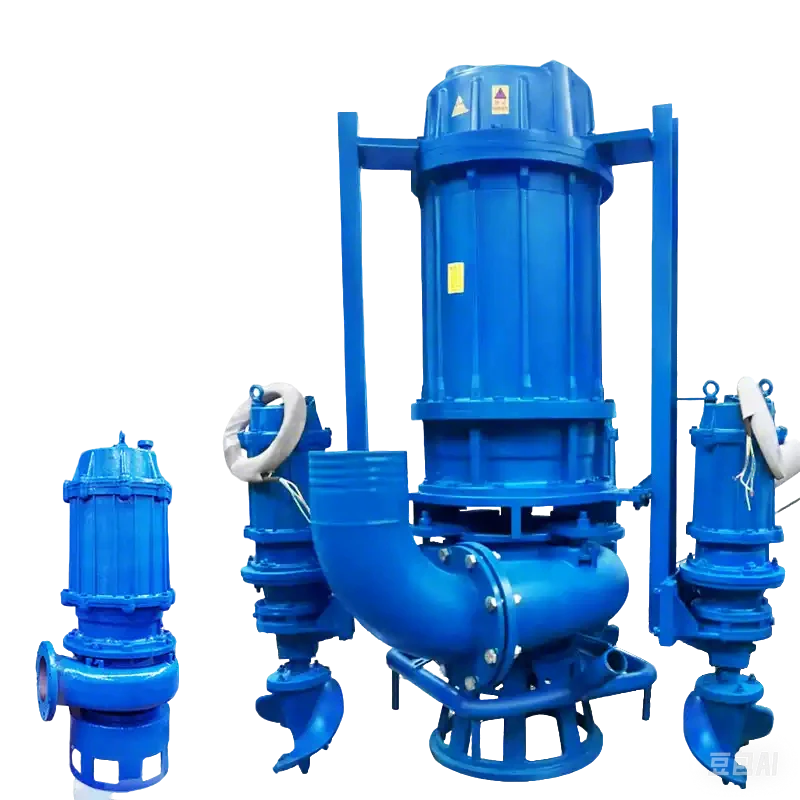
OEM medium head heavy duty slurry pumps are critical components in industries dealing with abrasive or corrosive fluid transfer. These pumps occupy a specific niche within the broader pump industry, distinguished by their robust construction, capability to handle high solid content slurries, and moderate head pressures. They bridge the gap between centrifugal pumps unsuitable for abrasive materials and positive displacement pumps which often struggle with large solids. Their application spans across mining, wastewater treatment, chemical processing, and dredging, where reliability and resistance to wear are paramount. Core performance metrics include flow rate (typically measured in gallons per minute or cubic meters per hour), head (expressed in feet or meters), and solids handling capability (defined by maximum particle size and concentration). Understanding the nuances of pump selection and maintenance is crucial for minimizing downtime and operational costs in these demanding environments.
Material Science & Manufacturing
The performance and longevity of a medium head heavy duty slurry pump are directly tied to the material science of its components and the precision of its manufacturing processes. Pump casings are frequently constructed from high-chrome cast iron (typically 27% Cr) for exceptional abrasion resistance, though alternative materials like stainless steel (316, duplex) or rubber-lined steel are employed for corrosive environments. Impellers, the rotating components responsible for imparting energy to the slurry, are similarly made from high-chrome iron or specialized polymers. Shafts require high tensile strength alloys like 4140 steel, heat-treated for increased durability. Manufacturing commonly involves sand casting for complex geometries, followed by meticulous machining to ensure precise tolerances. Welding processes, particularly submerged arc welding (SAW), are utilized for casing fabrication and require stringent quality control to prevent porosity and cracking. Key parameters in manufacturing include: impeller balancing (to minimize vibration), casing hardness (measured via Rockwell hardness testing), and weld integrity (verified through radiographic inspection). Liners, often rubber or polyurethane, are bonded to the casing through vulcanization or adhesive bonding, demanding careful surface preparation and curing cycles. Selection of elastomer durometers is critical, balancing abrasion resistance with flexibility to accommodate deformation under pressure.
Performance & Engineering
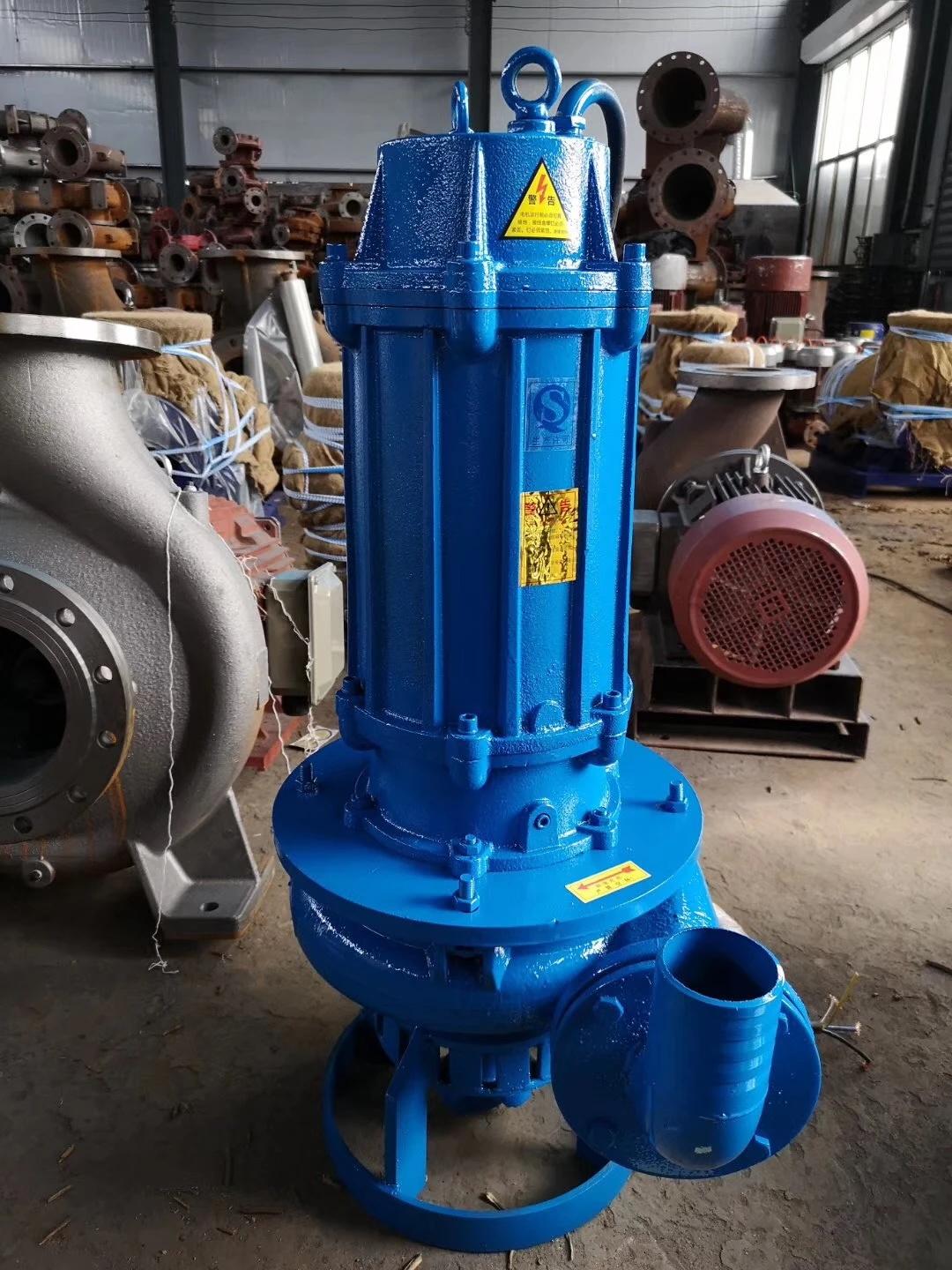
The hydraulic design of medium head slurry pumps is a complex interplay of impeller geometry, casing volute shape, and flow velocity management. Pump performance is dictated by affinity laws: flow rate varies directly with pump speed, head varies with the square of pump speed, and power varies with the cube of pump speed. Force analysis must account for both hydrodynamic forces exerted by the slurry and mechanical forces arising from impeller rotation and bearing loads. Environmental resistance is critical; pumps operating in corrosive environments require careful selection of materials and sealing systems (mechanical seals, packing glands). Compliance with industry standards, such as Hydraulic Institute (HI) standards for pump testing and performance curves, is essential. Engineering considerations include NPSH (Net Positive Suction Head) requirements, ensuring adequate pressure at the impeller inlet to prevent cavitation. Pump curves, illustrating head-capacity relationships, are fundamental for system design and pump selection. Furthermore, bearing arrangement (e.g., deep groove ball bearings, tapered roller bearings) dictates the pump's load-carrying capacity and operational lifespan. The pump's efficiency is heavily influenced by minimizing hydraulic losses due to friction and turbulence within the impeller and casing.
Technical Specifications
| Parameter | Unit | Typical Range | Material |
|---|---|---|---|
| Flow Rate | GPM (US) | 50 – 500 | Cast Iron/Stainless Steel |
| Head | ft | 50 – 200 | Cast Iron/Stainless Steel |
| Solids Handling | inches | Up to 3 | High-Chrome Iron |
| Pump Speed | RPM | 500 - 1800 | Cast Iron/Steel |
| Power | HP | 5 – 100 | Electric Motor/Diesel Engine |
| Casing Pressure Rating | PSI | 150 – 300 | Cast Iron/Stainless Steel |
Failure Mode & Maintenance
Slurry pump failure modes are diverse and often interconnected. Abrasive wear, caused by the erosive action of solid particles, is the most prevalent cause of impeller and casing failure. Corrosion, induced by chemically aggressive slurries, leads to material degradation and reduced wall thickness. Fatigue cracking, originating from cyclic stress, can occur in the shaft, impeller vanes, or casing. Cavitation, resulting from insufficient NPSH, creates imploding bubbles that damage impeller surfaces. Seal failure allows slurry leakage and reduces pump efficiency. Maintenance strategies include regular visual inspections for wear and corrosion, bearing lubrication (using appropriate greases), seal replacement, impeller and casing replacement when wear exceeds acceptable limits, and vibration analysis to detect mechanical imbalances. Preventive maintenance programs should be implemented based on operational hours and slurry characteristics. Failure analysis, involving metallurgical examination of failed components, is critical for identifying root causes and preventing recurrence. Proper impeller balancing is essential to minimize vibration and extend bearing life. Regular cleaning of the pump and suction/discharge lines prevents clogging and maintains optimal performance.
Industry FAQ
Q: What are the key differences between high-chrome iron and stainless steel for slurry pump components?
A: High-chrome iron excels in abrasion resistance due to the formation of hard carbides, making it ideal for handling abrasive slurries. However, it has limited corrosion resistance. Stainless steel, particularly duplex stainless steel, offers superior corrosion resistance but typically exhibits lower abrasion resistance than high-chrome iron. The choice depends on the slurry’s composition; if corrosion is a dominant concern, stainless steel is preferred. If abrasion is paramount and corrosion is minimal, high-chrome iron is the more cost-effective solution.
Q: How does impeller diameter affect pump performance?
A: Impeller diameter is directly related to pump head. A larger impeller diameter generates higher head at a given speed. However, increasing the impeller diameter also increases power consumption. The optimal impeller diameter is determined by the required head and flow rate, and it is crucial to select an impeller size that matches the system requirements for efficient operation.
Q: What is NPSH, and why is it critical for slurry pump operation?
A: NPSH (Net Positive Suction Head) is the absolute pressure at the pump suction inlet minus the vapor pressure of the liquid. Insufficient NPSH leads to cavitation, where vapor bubbles form and collapse, causing noise, vibration, and damage to the impeller. Maintaining adequate NPSH is vital to prevent cavitation and ensure reliable pump operation. System design must consider suction lift, pipe losses, and liquid temperature to ensure sufficient NPSH available.
Q: What type of mechanical seal is best suited for abrasive slurries?
A: For abrasive slurries, robust mechanical seals with hardened seal faces (e.g., silicon carbide, tungsten carbide) are recommended. Double mechanical seals with a flush system are preferred, providing a barrier fluid between the seal faces to lubricate, cool, and remove abrasive particles, extending seal life. The choice of elastomer O-rings must also be compatible with the slurry composition.
Q: How often should a slurry pump be inspected for wear?
A: The frequency of inspection depends on the abrasiveness of the slurry and the pump’s operating hours. As a general guideline, visual inspections should be conducted monthly, with more detailed inspections (including impeller and casing measurements) every six months. Vibration analysis should be performed quarterly to detect potential mechanical issues early on. Regular monitoring and data logging are crucial for proactive maintenance.
Conclusion
OEM medium head heavy duty slurry pumps represent a highly specialized category of fluid handling equipment, engineered to withstand the challenges posed by abrasive and corrosive materials. Their successful operation hinges upon meticulous material selection, precise manufacturing processes, and adherence to rigorous performance standards. Understanding the intricacies of pump design, failure modes, and maintenance protocols is paramount for maximizing lifespan and minimizing operational downtime.
Moving forward, advancements in materials science (e.g., ceramic composites, advanced polymers) and computational fluid dynamics (CFD) will further optimize pump efficiency and durability. Predictive maintenance strategies, leveraging sensor data and machine learning algorithms, will become increasingly prevalent, enabling proactive interventions and reducing unplanned outages. Continued adherence to industry standards and a commitment to robust quality control will remain essential for ensuring the reliability and performance of these critical industrial components.
-
Comprehensive Guide to Waterproof ORings for Optimal Sealing Solutions
News2026-06-09
-
septic tank pump system Performance Analysis
News2026-06-15
-
septic system lift pump Performance Analysis
News2026-06-15
-
septic pumps for sale Performance Analysis
News2026-06-15
-
lift pump for septic system Material Science Manufacturing
News2026-06-15
-
Ejector Pit and Pump System Performance
News2026-06-15
-
basement plumbing pump Performance Engineering
News2026-06-14
-
water submersible pump Performance Engineering
News2026-06-14
-
Septic Systems with Pumps Performance Analysis
News2026-06-14
-
Septic Pump Systems Performance Analysis
News2026-06-14
-
septic ejector pump Material Science and Manufacturing
News2026-06-14
-
septic effluent pump Performance and Engineering
News2026-06-13
-
ejector sump pump Performance Engineering
News2026-06-13
-
Wastewater Pump Performance Analysis
News2026-06-13
-
waste water pumps Material Science Manufacturing
News2026-06-13




