English
- Afrikaans
- Albanian
- Amharic
- Arabic
- Armenian
- Azerbaijani
- Basque
- Belarusian
- Bengali
- Bosnian
- Bulgarian
- Catalan
- Cebuano
- Corsican
- Croatian
- Czech
- Danish
- Dutch
- English
- Esperanto
- Estonian
- Finnish
- French
- Frisian
- Galician
- Georgian
- German
- Greek
- Gujarati
- Haitian Creole
- hausa
- hawaiian
- Hebrew
- Hindi
- Miao
- Hungarian
- Icelandic
- igbo
- Indonesian
- irish
- Italian
- Japanese
- Javanese
- Kannada
- kazakh
- Khmer
- Rwandese
- Korean
- Kurdish
- Kyrgyz
- Lao
- Latin
- Latvian
- Lithuanian
- Luxembourgish
- Macedonian
- Malgashi
- Malay
- Malayalam
- Maltese
- Maori
- Marathi
- Mongolian
- Myanmar
- Nepali
- Norwegian
- Norwegian
- Occitan
- Pashto
- Persian
- Polish
- Portuguese
- Punjabi
- Romanian
- Russian
- Samoan
- Scottish Gaelic
- Serbian
- Sesotho
- Shona
- Sindhi
- Sinhala
- Slovak
- Slovenian
- Somali
- Spanish
- Sundanese
- Swahili
- Swedish
- Tagalog
- Tajik
- Tamil
- Tatar
- Telugu
- Thai
- Turkish
- Turkmen
- Ukrainian
- Urdu
- Uighur
- Uzbek
- Vietnamese
- Welsh
- Bantu
- Yiddish
- Yoruba
- Zulu

Telephone: +86 13120555503
Email: frank@cypump.com


Apr . 01, 2024 17:55 Back to list
oem medium head heavy duty slurry pump manufacturers Performance Analysis
Introduction
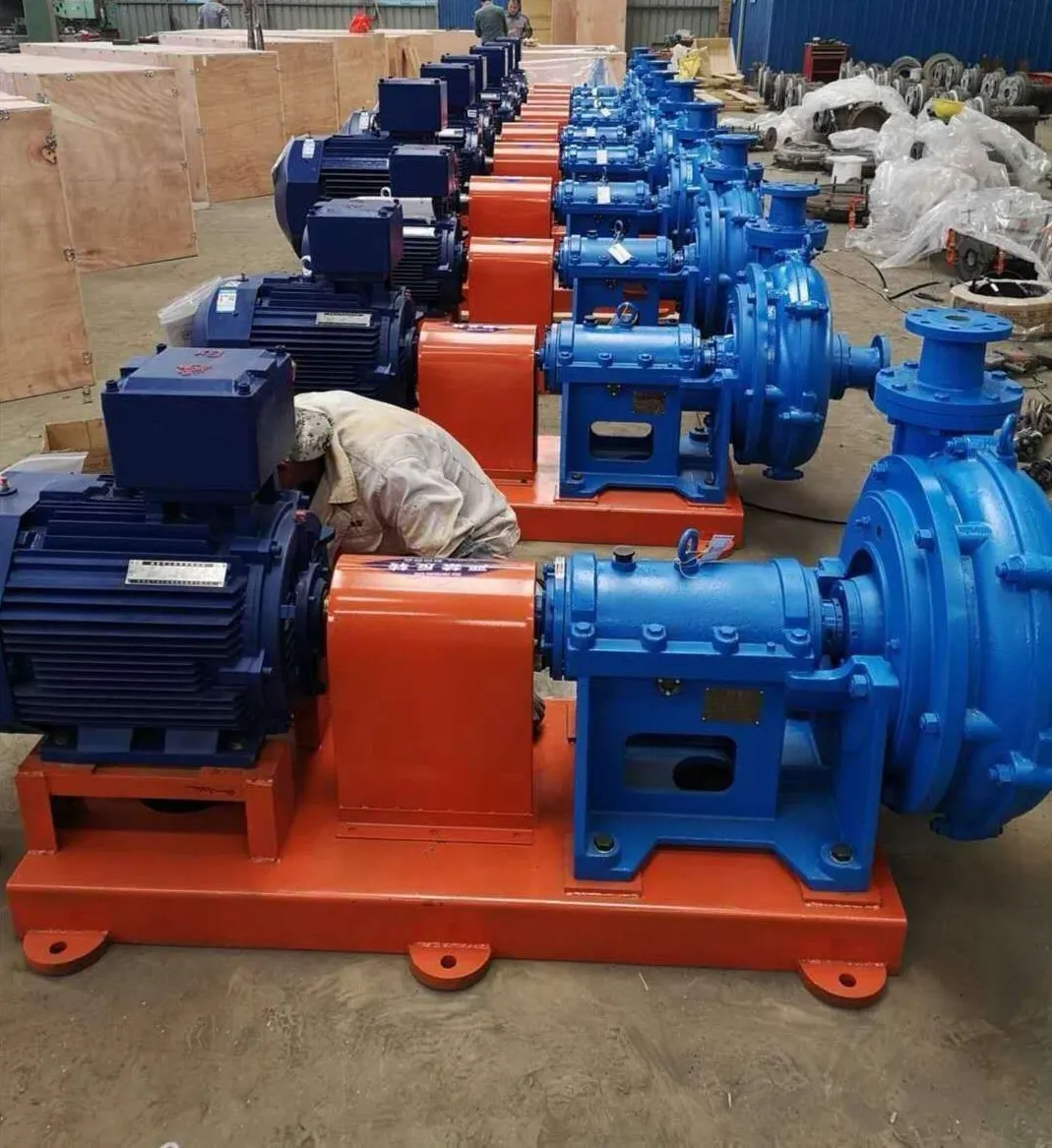
OEM medium head heavy duty slurry pumps are critical components in numerous industrial processes involving abrasive or corrosive materials. These pumps are engineered to efficiently transfer slurries – a mixture of liquids and solid particles – across a range of flow rates and pressures, falling within the 'medium head' category. Their position in the industrial chain is typically downstream of material processing (mining, dredging, wastewater treatment) and upstream of separation or further refining stages. Core performance characteristics center around wear resistance, volumetric efficiency, and the ability to handle high solids content without significant degradation. Unlike centrifugal pumps optimized for clean fluids, slurry pumps are designed with specific hydraulic designs and materials to mitigate erosion, corrosion, and abrasion, representing a substantial engineering challenge and a vital element in operational efficiency for industries relying on slurry transport. A key differentiator is customization; OEM (Original Equipment Manufacturer) suppliers offer tailored solutions based on slurry characteristics and application demands, often exceeding the capabilities of off-the-shelf pumps. Failure to select the appropriate pump can lead to rapid wear, reduced efficiency, increased downtime, and significant maintenance costs.
Material Science & Manufacturing
The construction of OEM medium head heavy duty slurry pumps relies heavily on specific material selections and robust manufacturing processes. The primary materials include high-chrome cast iron, alloy steels, stainless steels (304, 316, duplex), and elastomer linings (rubber, polyurethane). High-chrome cast iron is favored for impeller and volute components due to its exceptional abrasion resistance, achieved through the formation of hard chromium carbides during the casting process. However, its corrosion resistance is limited. Alloy steels, often incorporating molybdenum or nickel, provide enhanced strength and toughness, extending service life in more demanding environments. Stainless steels are crucial for handling corrosive slurries, preventing chemical attack and maintaining pump integrity. Elastomer linings are applied to pump casings and impellers to provide a barrier against abrasion and corrosion, particularly with highly aggressive slurries.
Manufacturing processes are equally critical. Pump casings are typically produced via sand casting or investment casting, allowing for complex geometries and precise dimensional control. Impellers are often cast or forged, followed by machining to achieve the required hydraulic profile. Welding is extensively used to join components, requiring qualified welders and stringent quality control procedures (NDT – Non-Destructive Testing including radiography, ultrasonic testing, and dye penetrant inspection) to ensure structural integrity. Shaft alignment and bearing installation are critical for minimizing vibration and maximizing pump life. Rubber or polyurethane linings are applied via molding or bonding processes, demanding careful surface preparation and adhesive selection to ensure durable adhesion. Parameter control during manufacturing is paramount: chemical composition verification, hardness testing, dimensional inspection, and hydrostatic testing are essential steps to guarantee conformance to specifications.
Performance & Engineering
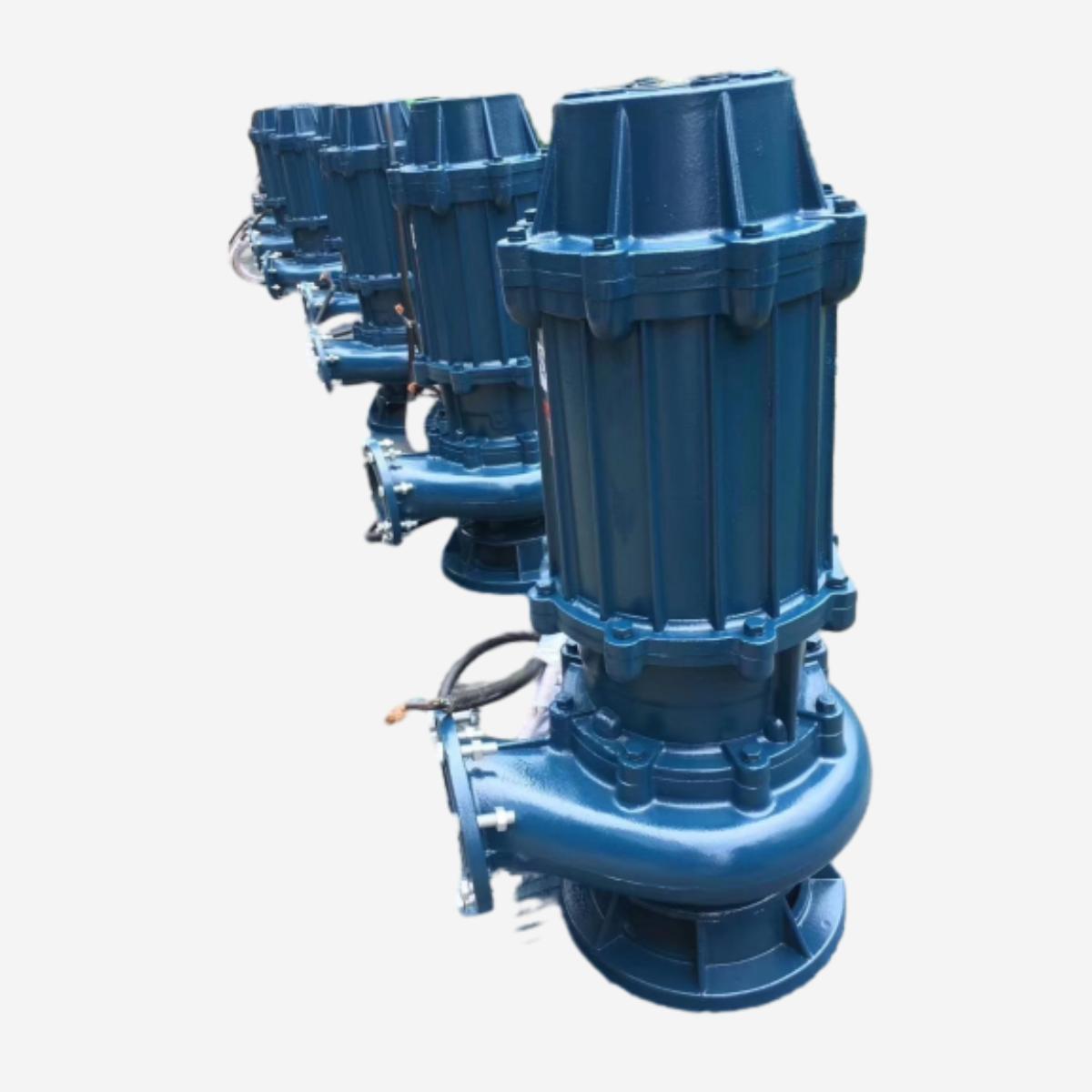
The performance of a medium head heavy duty slurry pump is governed by a complex interplay of hydraulic forces, material properties, and operating conditions. Force analysis involves consideration of centrifugal force (generated by impeller rotation), hydrostatic pressure (from the slurry column), and external loads (piping stresses). The pump's head (pressure) is directly related to impeller diameter and rotational speed. The flow rate is dependent on impeller design, slurry viscosity, and solids concentration. Cavitation, a destructive phenomenon caused by vapor bubble formation and collapse, must be avoided by maintaining sufficient net positive suction head available (NPSHa) – a critical engineering parameter.
Environmental resistance is a crucial design consideration. Pumps operating in corrosive environments require materials that are resistant to chemical attack (e.g., duplex stainless steel). Pumps operating in extreme temperatures demand materials with appropriate thermal expansion coefficients and creep resistance. Compliance requirements vary by region but typically include adherence to API 610 (Centrifugal Pumps) standards, as well as local regulations regarding emissions and safety. Functional implementation involves careful selection of pump curves (head-flow characteristics) to match the specific application requirements. Variable frequency drives (VFDs) are increasingly employed to control pump speed and flow rate, optimizing energy consumption and process control. Seal selection is also vital – mechanical seals, packing glands, or sealless designs are chosen based on slurry abrasiveness and fluid compatibility. Proper piping design, including the use of wear-resistant liners and strategic bend placement, is essential to minimize erosion and maintain pump efficiency.
Technical Specifications
| Parameter | Unit | Typical Range (Medium Head) | Material Options |
|---|---|---|---|
| Flow Rate | m³/hr | 50 - 500 | Cast Iron, Alloy Steel, Stainless Steel |
| Head | m | 20 - 80 | Cast Iron, Alloy Steel, Stainless Steel |
| Solids Handling Capability | mm | Up to 75 | High-Chrome Iron, Rubber Lining |
| Slurry Concentration (Max) | % by Weight | Up to 60 | Various Materials (application specific) |
| Impeller Diameter | mm | 150 - 400 | High-Chrome Iron, Stainless Steel |
| Power | kW | 5.5 – 90 | Dependent on motor selection |
Failure Mode & Maintenance
Slurry pump failures typically manifest as reduced performance, increased vibration, leakage, or complete pump stoppage. Common failure modes include impeller wear (erosion, abrasion), casing wear, seal failure, bearing failure, and shaft breakage. Erosion is a primary concern, particularly at the impeller's leading edge and within the volute. Abrasion, caused by hard particles impacting pump components, leads to material loss and dimensional changes. Seal failure can result from abrasive slurry particles damaging the seal faces or from chemical attack degrading the seal materials. Bearing failure is often linked to improper lubrication, misalignment, or excessive load. Shaft breakage can occur due to fatigue cracking initiated by stress concentrations or corrosion.
Preventive maintenance is crucial for extending pump life and minimizing downtime. This includes regular inspection of wear parts (impeller, casing, liners), lubrication of bearings, monitoring of vibration levels, and leak detection. Scheduled replacement of wear parts is essential, with replacement intervals determined by slurry characteristics and operating conditions. Corrective maintenance involves addressing specific failures. Impeller and casing repairs can be performed via welding or machining, but complete replacement is often more cost-effective for severely worn components. Seal replacement requires careful attention to seal selection and installation procedures. Proper shaft alignment is critical after any maintenance activity. A robust maintenance program, incorporating predictive maintenance techniques (vibration analysis, oil analysis), can significantly reduce unplanned downtime and optimize pump performance. Implementing a comprehensive wear rate monitoring program to track component degradation and predict replacement intervals is highly recommended.
Industry FAQ
Q: What is the primary difference between a slurry pump and a standard centrifugal pump?
A: A standard centrifugal pump is designed for low-viscosity fluids with minimal solids content. Slurry pumps are specifically engineered to handle abrasive particles and higher viscosity fluids without experiencing rapid wear or performance degradation. Key differences include hardened materials, optimized impeller designs, and larger clearances to accommodate solids passage.
Q: How does solids concentration affect slurry pump selection?
A: Higher solids concentrations increase the slurry's viscosity and abrasiveness, demanding pumps with larger flow passages, more robust materials, and potentially lower rotational speeds. Pump selection must account for the settling velocity of the solids to prevent clogging and ensure efficient transport.
Q: What are the key considerations when selecting a liner material for a slurry pump?
A: Liner material selection depends on the slurry's chemical composition and abrasiveness. Rubber linings are effective for abrasive slurries with low chemical aggression, while polyurethane linings offer better resistance to both abrasion and chemical attack. For highly corrosive slurries, specialized polymers or metallic linings are often necessary.
Q: How can I mitigate cavitation in a slurry pump?
A: Cavitation can be minimized by ensuring adequate Net Positive Suction Head Available (NPSHa). This involves optimizing suction piping design (diameter, length, elevation), reducing slurry viscosity, and controlling pump speed. Regular inspection for impeller damage is also crucial.
Q: What is the role of mechanical seals versus packing glands in slurry pump applications?
A: Mechanical seals offer better sealing performance and reduced leakage compared to packing glands, but are more susceptible to damage from abrasive particles. Packing glands are more tolerant of solids but require more frequent adjustment and can lead to higher leakage rates. The choice depends on the slurry's abrasiveness and the application's environmental requirements.
Conclusion
OEM medium head heavy duty slurry pumps represent a sophisticated engineering solution for demanding industrial applications. Their performance is inextricably linked to material science, precise manufacturing, and careful attention to hydraulic principles. Selecting the appropriate pump requires a thorough understanding of slurry characteristics, operating conditions, and applicable industry standards. Optimized material selection, robust construction, and proactive maintenance are critical for maximizing pump life and minimizing operational costs.
Future trends in slurry pump technology include the development of more wear-resistant materials (e.g., advanced ceramics, composite materials), intelligent pump monitoring systems (utilizing sensors and data analytics to predict failures), and improved hydraulic designs (to enhance efficiency and reduce energy consumption). These advancements will further enhance the reliability and performance of slurry pumps, contributing to increased productivity and reduced environmental impact across a wide range of industries.
-
Comprehensive Guide to Waterproof ORings for Optimal Sealing Solutions
News2026-06-09
-
septic tank pump system Performance Analysis
News2026-06-15
-
septic system lift pump Performance Analysis
News2026-06-15
-
septic pumps for sale Performance Analysis
News2026-06-15
-
lift pump for septic system Material Science Manufacturing
News2026-06-15
-
Ejector Pit and Pump System Performance
News2026-06-15
-
basement plumbing pump Performance Engineering
News2026-06-14
-
water submersible pump Performance Engineering
News2026-06-14
-
Septic Systems with Pumps Performance Analysis
News2026-06-14
-
Septic Pump Systems Performance Analysis
News2026-06-14
-
septic ejector pump Material Science and Manufacturing
News2026-06-14
-
septic effluent pump Performance and Engineering
News2026-06-13
-
ejector sump pump Performance Engineering
News2026-06-13
-
Wastewater Pump Performance Analysis
News2026-06-13
-
waste water pumps Material Science Manufacturing
News2026-06-13




