English
- Afrikaans
- Albanian
- Amharic
- Arabic
- Armenian
- Azerbaijani
- Basque
- Belarusian
- Bengali
- Bosnian
- Bulgarian
- Catalan
- Cebuano
- Corsican
- Croatian
- Czech
- Danish
- Dutch
- English
- Esperanto
- Estonian
- Finnish
- French
- Frisian
- Galician
- Georgian
- German
- Greek
- Gujarati
- Haitian Creole
- hausa
- hawaiian
- Hebrew
- Hindi
- Miao
- Hungarian
- Icelandic
- igbo
- Indonesian
- irish
- Italian
- Japanese
- Javanese
- Kannada
- kazakh
- Khmer
- Rwandese
- Korean
- Kurdish
- Kyrgyz
- Lao
- Latin
- Latvian
- Lithuanian
- Luxembourgish
- Macedonian
- Malgashi
- Malay
- Malayalam
- Maltese
- Maori
- Marathi
- Mongolian
- Myanmar
- Nepali
- Norwegian
- Norwegian
- Occitan
- Pashto
- Persian
- Polish
- Portuguese
- Punjabi
- Romanian
- Russian
- Samoan
- Scottish Gaelic
- Serbian
- Sesotho
- Shona
- Sindhi
- Sinhala
- Slovak
- Slovenian
- Somali
- Spanish
- Sundanese
- Swahili
- Swedish
- Tagalog
- Tajik
- Tamil
- Tatar
- Telugu
- Thai
- Turkish
- Turkmen
- Ukrainian
- Urdu
- Uighur
- Uzbek
- Vietnamese
- Welsh
- Bantu
- Yiddish
- Yoruba
- Zulu

Telephone: +86 13120555503
Email: frank@cypump.com


Apr . 01, 2024 17:55 Back to list
oem medium head heavy duty slurry pump manufacturer Performance Analysis
Introduction
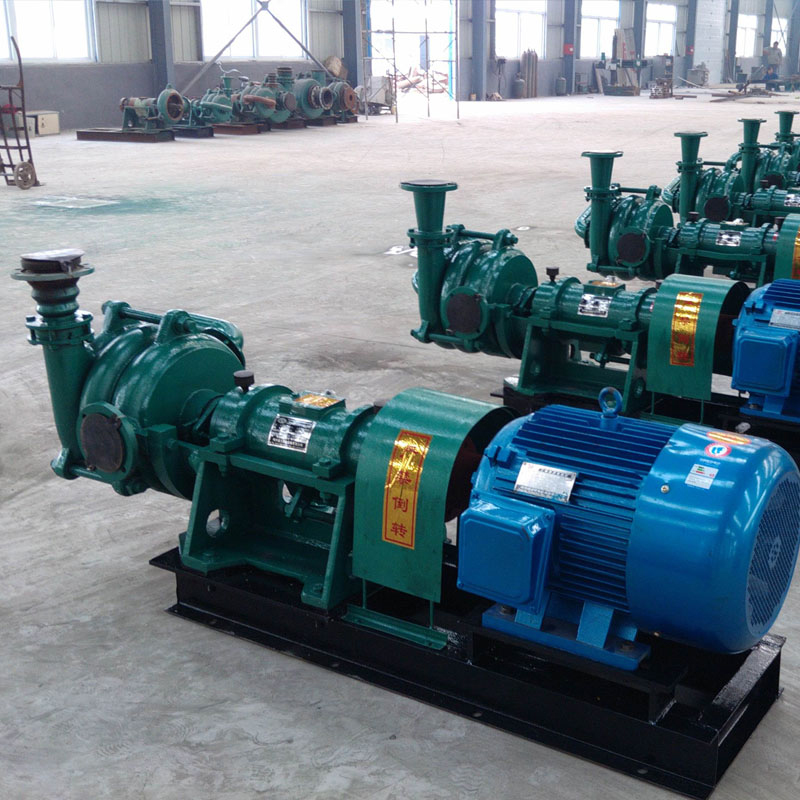
OEM medium head heavy duty slurry pumps are critical components in numerous industrial processes involving abrasive or corrosive fluid transport. These pumps, engineered for robustness and longevity, find applications across mining, wastewater treatment, chemical processing, and dredging industries. Positioned within the fluid handling equipment supply chain, they represent a significant capital expenditure for operators. Core performance characteristics include flow rate (typically measured in gallons per minute or cubic meters per hour), head (expressed in feet or meters, denoting the pumping height), and solids handling capability (defined by the maximum particle size and concentration). Unlike centrifugal pumps designed for clean fluids, slurry pumps are specifically designed to withstand wear from solid particles and maintain efficient operation even with highly viscous mixtures. The demand for these pumps is directly correlated with industrial output and infrastructure development, making them a vital part of maintaining operational continuity and minimizing downtime. Their design considerations prioritize wear resistance, hydraulic efficiency, and reliability under demanding conditions.
Material Science & Manufacturing
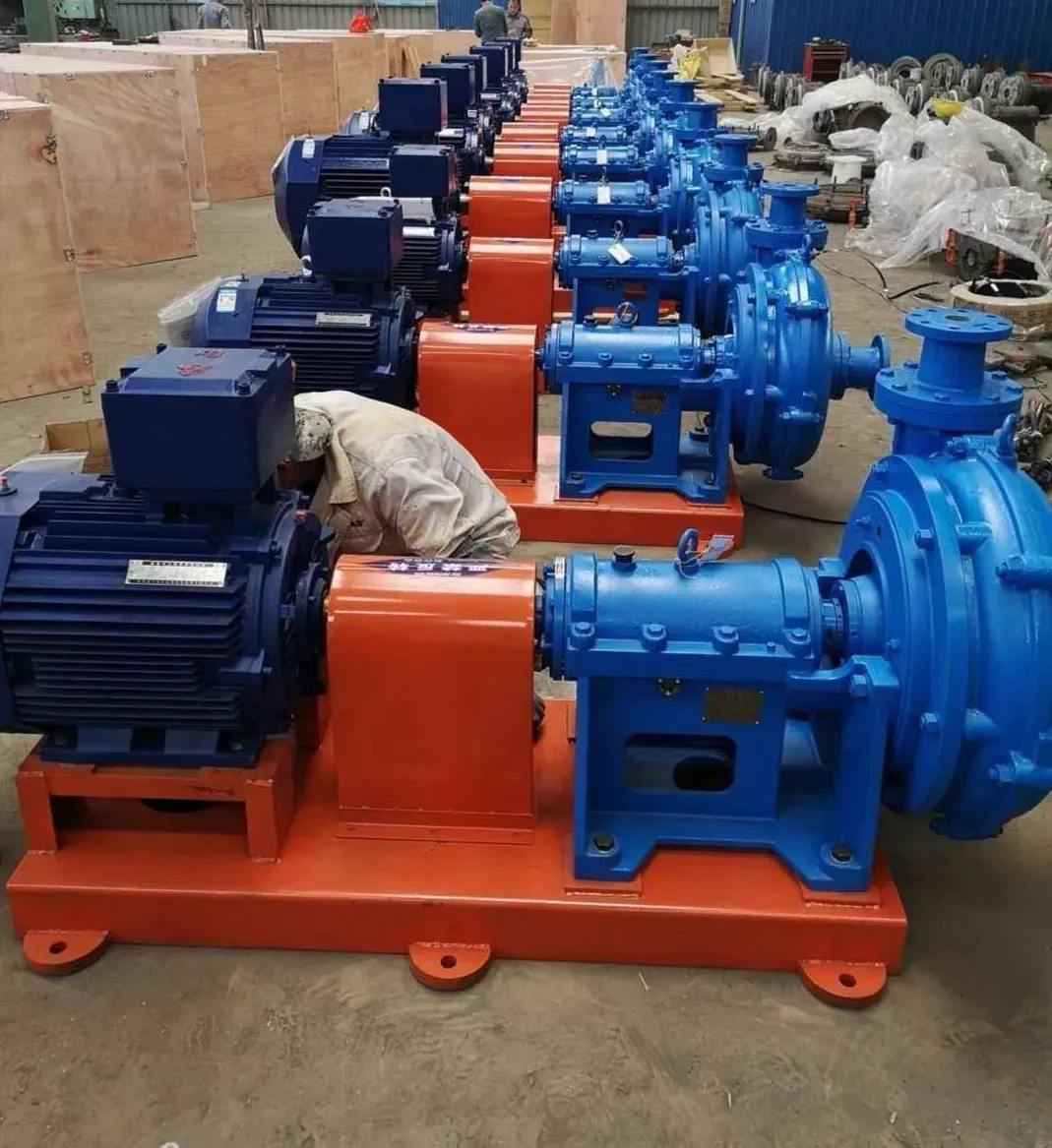
The construction of a heavy-duty slurry pump heavily relies on specific material selection to combat abrasive wear, corrosion, and erosion. Pump casings are commonly manufactured from high-chrome cast iron (typically 26-28% chromium content), offering excellent abrasion resistance due to the formation of hard chromium carbides. Alternatively, ductile iron with a protective lining of rubber or polyurethane is employed for handling highly corrosive slurries. Impellers, the rotating components that impart energy to the slurry, are subject to the most severe wear. Materials used include high-chrome iron, hardened stainless steels (e.g., duplex stainless steel – UNS S31803, offering both strength and corrosion resistance), and ceramic materials for extremely abrasive applications. Shafts are usually made from alloy steels (e.g., 4140 or 4340) and undergo heat treatment and surface hardening to resist bending and torsional stress. Elastomeric liners, often made of natural rubber, synthetic rubbers (e.g., EPDM, neoprene), or polyurethane, protect the pump casing from corrosion and impact damage. Manufacturing processes involve sand casting for the casing and impeller, followed by machining to precise tolerances. Welding processes, such as shielded metal arc welding (SMAW) or gas tungsten arc welding (GTAW), are used for joining components, requiring careful control of heat input and filler metal composition to maintain material properties. Impeller balancing is crucial to minimize vibration and ensure operational efficiency. Non-destructive testing (NDT) methods like radiography and ultrasonic testing are employed to verify weld integrity and detect internal flaws.
Performance & Engineering
The performance of a medium head heavy duty slurry pump is governed by several key engineering principles. Hydraulic design focuses on maximizing impeller efficiency and minimizing energy losses due to friction and turbulence. Computational Fluid Dynamics (CFD) simulations are routinely used to optimize impeller geometry and volute design for specific slurry characteristics. Force analysis involves evaluating the stresses induced by fluid pressure, centrifugal forces, and the impact of solid particles. Pump casings are designed with sufficient wall thickness to withstand internal pressures and external loads. The selection of shaft diameter and bearing configuration is critical to prevent shaft deflection and ensure long bearing life. Environmental resistance is paramount. Pumps operating in corrosive environments require appropriate material selection and protective coatings. Temperature control is essential, as excessive temperatures can degrade elastomer components and reduce pump efficiency. Compliance requirements often include adherence to API 610 standards for centrifugal pumps (although specialized for slurry applications) and relevant environmental regulations regarding leakage and emissions. Proper sealing mechanisms (e.g., mechanical seals, packing glands) are essential to prevent slurry leakage and maintain pump efficiency. The pump's Net Positive Suction Head Required (NPSHr) must be carefully matched to the Net Positive Suction Head Available (NPSHa) in the system to prevent cavitation, which can cause severe damage to the impeller. The pump curve, detailing head versus flow rate, is a critical engineering tool for system design and pump selection.
Technical Specifications
| Parameter | Unit | Typical Range (Medium Head, Heavy Duty) | Material Options |
|---|---|---|---|
| Flow Rate | GPM (US) / m³/hr | 50 - 500 / 1.9 - 18.9 | Cast Iron, Stainless Steel |
| Head | ft / m | 50 - 200 / 15 - 61 | Cast Iron, Stainless Steel |
| Solids Handling Size | inches / mm | Up to 3 / 76 | High-Chrome Iron, Rubber Lining |
| Slurry Concentration (Weight %) | % | Up to 70 | Rubber Lining, Ceramic Components |
| Impeller Material | - | High-Chrome Iron, Stainless Steel, Ceramic | High-Chrome Iron, Stainless Steel, Ceramic |
| Casing Material | - | Cast Iron, Ductile Iron, Rubber Lined | Cast Iron, Ductile Iron, Rubber Lining |
Failure Mode & Maintenance
Slurry pumps are susceptible to several failure modes, primarily related to abrasive wear and corrosion. Abrasive wear manifests as erosion of the impeller, volute, and casing, leading to reduced pump efficiency and flow rate. Fatigue cracking can occur in the impeller and shaft due to cyclic loading and stress concentration. Corrosion, particularly in acidic or alkaline slurries, can weaken pump components and lead to leakage. Cavitation, caused by low NPSHa, creates imploding bubbles that erode the impeller surface. Common failure points include impeller vane damage, seal failures (leading to leakage), bearing failures (due to overload or contamination), and cracking of the pump casing. Preventive maintenance is crucial. Regular inspection of the impeller, casing, and seals for wear is essential. Lubrication of bearings according to manufacturer’s specifications is critical. Monitoring vibration levels can detect early signs of bearing or impeller imbalance. Periodic replacement of wear parts (e.g., impeller, liners) is necessary to maintain pump performance. Proper slurry preparation (e.g., screening to remove oversized particles) can reduce abrasive wear. Implementing a robust flushing system for mechanical seals prolongs seal life. Detailed records of maintenance activities and component replacement are vital for tracking pump performance and predicting future failures. Root cause analysis of failures is essential to identify and address underlying issues.
Industry FAQ
Q: What is the impact of slurry particle size distribution on pump selection?
A: Slurry particle size distribution directly affects pump wear rates and performance. Larger particles cause more aggressive abrasive wear, necessitating the use of harder materials (e.g., high-chrome iron or ceramic impellers). A wider particle size distribution increases the risk of clogging and requires a pump designed for larger solids handling capacity. Incorrect pump selection for a given particle size distribution will result in premature failure and reduced efficiency.
Q: How does slurry viscosity affect pump performance and required motor horsepower?
A: Increased slurry viscosity significantly reduces pump flow rate and increases required motor horsepower. Higher viscosity increases frictional losses within the pump and requires greater energy input to maintain the desired flow. Pumps handling viscous slurries may require a different impeller design optimized for viscous fluids, and a larger motor to overcome the increased hydraulic resistance.
Q: What are the key considerations for selecting a mechanical seal for abrasive slurry applications?
A: Mechanical seal selection for abrasive slurries requires careful consideration of material compatibility, seal face design, and flushing arrangements. Silicon carbide or tungsten carbide seal faces are preferred for their superior wear resistance. A robust flushing system is essential to remove abrasive particles from the seal faces and prevent premature failure. Double mechanical seals with a barrier fluid are often used for highly abrasive or toxic slurries.
Q: What are the benefits of using rubber or polyurethane liners in a slurry pump casing?
A: Rubber or polyurethane liners provide excellent corrosion resistance and impact protection. They dampen noise and vibration, extending pump life. These liners are particularly effective when handling slurries containing corrosive chemicals or abrasive particles that can erode metal casings. The liners act as a sacrificial layer, protecting the underlying metal from damage.
Q: How important is proper pipe alignment and support when installing a slurry pump?
A: Proper pipe alignment and support are critical to prevent excessive stress on the pump casing and seals. Misalignment can cause vibration, leading to premature bearing and seal failure. Adequate pipe support prevents sagging and bending, minimizing strain on the pump connections. Incorrect installation can negate the benefits of a well-designed pump and significantly reduce its lifespan.
Conclusion
OEM medium head heavy duty slurry pumps represent a vital component in numerous industrial processes, demanding careful consideration of material science, hydraulic engineering, and operational parameters. The selection and maintenance of these pumps are intrinsically linked to process efficiency and operational cost. Understanding the failure modes associated with abrasive wear, corrosion, and cavitation is paramount to maximizing pump longevity and minimizing downtime.
Future advancements in slurry pump technology will likely focus on developing new materials with enhanced wear resistance, optimizing impeller designs for improved hydraulic efficiency, and incorporating smart monitoring systems for predictive maintenance. The increasing demand for sustainable industrial practices will also drive the development of more energy-efficient and environmentally friendly slurry pump solutions.
-
Comprehensive Guide to Waterproof ORings for Optimal Sealing Solutions
News2026-06-09
-
septic tank pump system Performance Analysis
News2026-06-15
-
septic system lift pump Performance Analysis
News2026-06-15
-
septic pumps for sale Performance Analysis
News2026-06-15
-
lift pump for septic system Material Science Manufacturing
News2026-06-15
-
Ejector Pit and Pump System Performance
News2026-06-15
-
basement plumbing pump Performance Engineering
News2026-06-14
-
water submersible pump Performance Engineering
News2026-06-14
-
Septic Systems with Pumps Performance Analysis
News2026-06-14
-
Septic Pump Systems Performance Analysis
News2026-06-14
-
septic ejector pump Material Science and Manufacturing
News2026-06-14
-
septic effluent pump Performance and Engineering
News2026-06-13
-
ejector sump pump Performance Engineering
News2026-06-13
-
Wastewater Pump Performance Analysis
News2026-06-13
-
waste water pumps Material Science Manufacturing
News2026-06-13




