English
- Afrikaans
- Albanian
- Amharic
- Arabic
- Armenian
- Azerbaijani
- Basque
- Belarusian
- Bengali
- Bosnian
- Bulgarian
- Catalan
- Cebuano
- Corsican
- Croatian
- Czech
- Danish
- Dutch
- English
- Esperanto
- Estonian
- Finnish
- French
- Frisian
- Galician
- Georgian
- German
- Greek
- Gujarati
- Haitian Creole
- hausa
- hawaiian
- Hebrew
- Hindi
- Miao
- Hungarian
- Icelandic
- igbo
- Indonesian
- irish
- Italian
- Japanese
- Javanese
- Kannada
- kazakh
- Khmer
- Rwandese
- Korean
- Kurdish
- Kyrgyz
- Lao
- Latin
- Latvian
- Lithuanian
- Luxembourgish
- Macedonian
- Malgashi
- Malay
- Malayalam
- Maltese
- Maori
- Marathi
- Mongolian
- Myanmar
- Nepali
- Norwegian
- Norwegian
- Occitan
- Pashto
- Persian
- Polish
- Portuguese
- Punjabi
- Romanian
- Russian
- Samoan
- Scottish Gaelic
- Serbian
- Sesotho
- Shona
- Sindhi
- Sinhala
- Slovak
- Slovenian
- Somali
- Spanish
- Sundanese
- Swahili
- Swedish
- Tagalog
- Tajik
- Tamil
- Tatar
- Telugu
- Thai
- Turkish
- Turkmen
- Ukrainian
- Urdu
- Uighur
- Uzbek
- Vietnamese
- Welsh
- Bantu
- Yiddish
- Yoruba
- Zulu

Telephone: +86 13120555503
Email: frank@cypump.com


Apr . 01, 2024 17:55 Back to list
oem medium head heavy duty slurry pump factories Performance Analysis
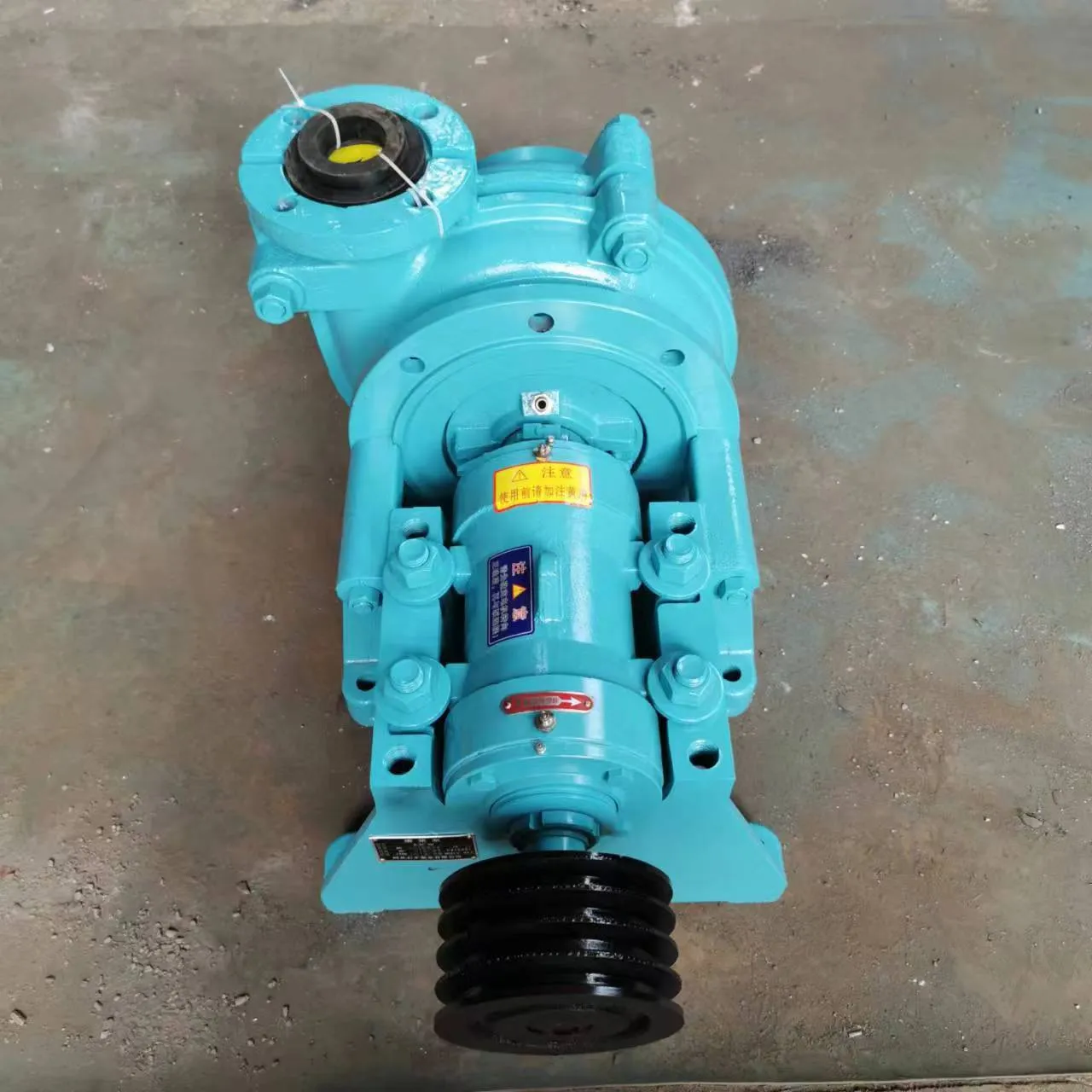
Introduction
OEM medium head heavy duty slurry pumps are critical components in numerous industrial processes involving abrasive or erosive fluids. These pumps, typically employed in mining, wastewater treatment, dredging, and chemical processing, are designed to move high-solids content slurries over moderate distances and against moderate heads. Their position within the industrial chain is vital – acting as the workhorse for material transport where conventional pumps would rapidly fail. Core performance characteristics are defined by flow rate (typically expressed in m³/hr or GPM), head (expressed in meters or feet), solids handling capability (percentage by weight or particle size), and abrasion resistance. The selection of appropriate materials and design configurations is paramount to maximizing operational efficiency and minimizing total cost of ownership. A key pain point for end-users is balancing initial capital expenditure against long-term reliability and maintenance costs. Selecting an OEM specializing in heavy-duty applications is crucial to avoid premature failure due to inadequate material selection or substandard manufacturing processes.
Material Science & Manufacturing
The construction of medium head heavy duty slurry pumps necessitates the use of materials exhibiting exceptional resistance to abrasion, corrosion, and erosion. Common materials include high-chromium cast iron (typically 26-35% chromium by weight) for pump casings, impellers, and liners, offering excellent wear resistance due to the formation of a hard chromium carbide layer. Shafts are commonly manufactured from alloy steels (e.g., 4140, 4340) providing high tensile strength and torsional rigidity. Elastomeric liners, composed of natural or synthetic rubber (e.g., EPDM, neoprene), are utilized to dampen noise, reduce wear, and enhance sealing performance. Manufacturing processes are equally crucial. Pump casings are often produced using sand casting or investment casting, ensuring dimensional accuracy and minimizing porosity. Impellers are typically cast or forged, followed by meticulous heat treatment to optimize hardness and toughness. Welding processes, such as shielded metal arc welding (SMAW) or gas tungsten arc welding (GTAW), are employed for joining components, requiring qualified welders and strict adherence to welding procedures to prevent defects. Parameter control during manufacturing is critical. For example, the cooling rate during casting significantly affects the microstructure and hardness of the chromium cast iron. Similarly, maintaining precise impeller balancing minimizes vibration and extends bearing life. Chemical compatibility between the slurry and pump materials must be verified to prevent galvanic corrosion or chemical attack.
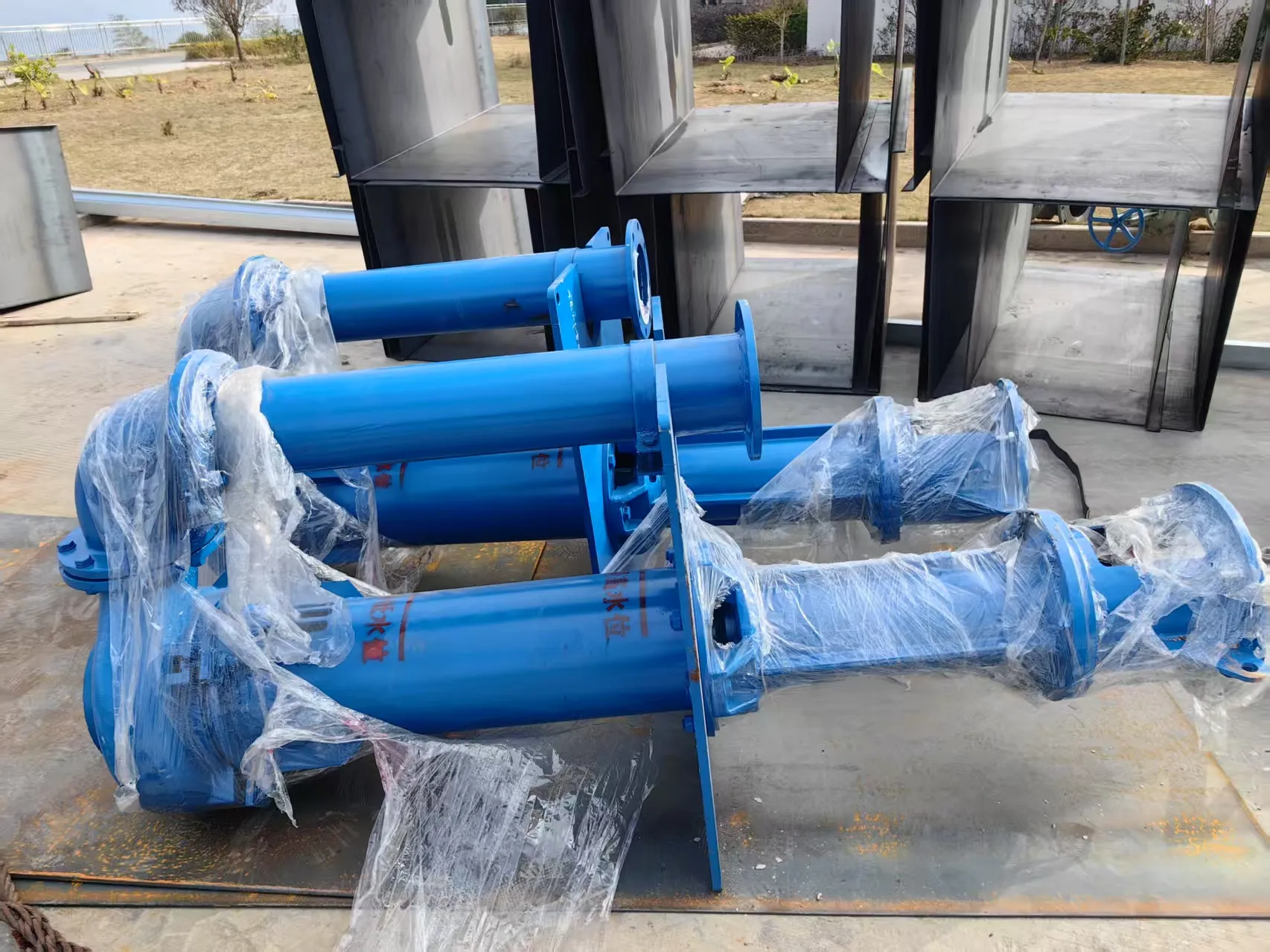
Performance & Engineering
Performance of medium head heavy duty slurry pumps is dictated by hydraulic design and mechanical engineering principles. Force analysis is central to ensuring structural integrity. Pumps are subjected to internal pressures from the slurry, external loads from piping, and dynamic forces from impeller rotation and fluid turbulence. Finite element analysis (FEA) is routinely employed to simulate stress distributions and identify potential failure points. Environmental resistance is a major design consideration. Pumps operating in corrosive environments require protective coatings (e.g., epoxy, rubber lining) to prevent material degradation. Pumps in cold climates must be designed to withstand freezing temperatures and potential ice buildup. Compliance requirements vary by region and application. For example, pumps used in the food and beverage industry must meet stringent sanitary standards (e.g., 3-A Sanitary Standards). Pumps used in hazardous locations must be certified for explosion-proof operation (e.g., ATEX, IECEx). Functional implementation necessitates proper pump sizing and system design. Net Positive Suction Head Available (NPSHa) must exceed Net Positive Suction Head Required (NPSHr) to prevent cavitation. Pipe diameter and length influence frictional losses and overall system efficiency. Variable Frequency Drives (VFDs) can be integrated to optimize pump performance and reduce energy consumption by adjusting pump speed to match flow requirements.
Technical Specifications
| Parameter | Unit | Typical Range (Heavy Duty, Medium Head) | Testing Standard |
|---|---|---|---|
| Flow Rate | m³/hr | 20 - 500 | ISO 9906:2012 |
| Head | m | 10 - 50 | ISO 9906:2012 |
| Solids Handling Size | mm | Up to 75 | Internal Testing per OEM Specs |
| Solids Concentration (by Weight) | % | Up to 70 | Internal Testing per OEM Specs |
| Pump Casing Material | - | High Chromium Cast Iron (26-35% Cr) | ASTM A532 |
| Impeller Material | - | High Chromium Cast Iron (26-35% Cr) or Alloy Steel | ASTM A532 / ASTM A709 |
| Shaft Material | - | 4140 or 4340 Alloy Steel | ASTM A276 |
Failure Mode & Maintenance
Slurry pump failures typically stem from abrasion, erosion, corrosion, and mechanical fatigue. Abrasion, caused by hard particles impacting pump components, leads to gradual material loss and reduced performance. Erosion, resulting from high-velocity fluid flow, accelerates wear, particularly on the impeller and casing. Corrosion, induced by chemically aggressive slurries, weakens materials and promotes pitting. Fatigue cracking, often originating from stress concentrations, can lead to catastrophic failure. Common failure modes include impeller wear, liner degradation, shaft breakage, and bearing failure. Failure analysis is crucial for identifying the root cause of failures. Metallographic examination can reveal the extent of abrasion and corrosion. Fracture surface analysis can identify the origin and propagation path of cracks. Regular maintenance is essential for maximizing pump life. This includes visual inspections for wear and damage, lubrication of bearings, seal replacement, and impeller balancing. Proactive maintenance strategies, such as vibration analysis and oil analysis, can detect potential problems before they escalate. Periodic replacement of wear parts (liners, impellers) is unavoidable, but proper selection of materials and optimized pump operation can extend service intervals. Utilizing a robust preventative maintenance schedule tailored to the specific slurry characteristics is vital to reducing downtime and maintenance costs.
Industry FAQ
Q: What is the primary difference between a high-chrome cast iron impeller and a rubber-lined impeller in terms of abrasive slurry handling?
A: High-chrome cast iron impellers offer superior resistance to abrasive wear caused by hard, sharp particles. The chromium carbides create a very hard surface. However, rubber-lined impellers excel in handling slurries with larger particle sizes and higher impact velocities, as the rubber dampens the impact energy and reduces erosion. The choice depends on the slurry’s particle characteristics: hard, small particles favor chrome iron; large, high-velocity particles favor rubber lining.
Q: How does impeller geometry impact the pump’s efficiency when handling high-solids slurries?
A: Impeller geometry significantly impacts efficiency. Open impellers, with wider passages, are preferred for high-solids slurries to minimize clogging and reduce wear. Closed impellers are more efficient with clean liquids but are prone to blockage. The vane angle and impeller diameter also affect hydraulic performance and solids handling capability. A properly designed impeller will maximize flow rate and head while minimizing energy consumption and wear.
Q: What are the key considerations for selecting the appropriate shaft material for a heavy-duty slurry pump?
A: Shaft material selection depends on the slurry's corrosivity and the mechanical stresses it will endure. Alloy steels (4140, 4340) are commonly used due to their high tensile strength and torsional rigidity. In corrosive environments, stainless steel alloys may be necessary. The shaft must also be properly sized to prevent deflection and bending, which can lead to seal failure and bearing wear.
Q: What is the role of the pump’s liner in extending its service life?
A: Pump liners protect the pump casing from abrasion and corrosion. They provide a sacrificial layer that wears out over time, extending the life of the more expensive pump casing. Liners can be made from various materials, including rubber, polyurethane, and ceramic, depending on the slurry's characteristics. Regular inspection and replacement of liners are crucial for preventing casing damage.
Q: How does NPSHa relate to pump performance and potential issues like cavitation?
A: NPSHa (Net Positive Suction Head Available) is the absolute pressure at the pump suction. NPSHr (Net Positive Suction Head Required) is the minimum pressure the pump needs to avoid cavitation. Cavitation occurs when the absolute pressure at the pump suction drops below the vapor pressure of the liquid, forming vapor bubbles that collapse and damage the impeller. Maintaining NPSHa greater than NPSHr is critical to ensure reliable pump operation and prevent cavitation-induced damage.
Conclusion
OEM medium head heavy duty slurry pumps represent a specialized engineering solution for challenging fluid handling applications. Their performance and longevity are inextricably linked to meticulous material selection, precise manufacturing processes, and a comprehensive understanding of slurry characteristics. Proper pump sizing, system design, and proactive maintenance are paramount to minimizing total cost of ownership and maximizing operational uptime. Failure to address these critical factors can result in premature pump failure, costly downtime, and reduced process efficiency.
Looking ahead, advancements in materials science, such as the development of novel abrasion-resistant alloys and coatings, will continue to improve pump performance and extend service life. The integration of smart sensors and predictive maintenance technologies will enable operators to monitor pump health in real-time and proactively address potential issues. By embracing these innovations and adhering to best practices in pump selection and maintenance, industries can ensure reliable and efficient slurry handling for years to come.
-
Comprehensive Guide to Waterproof ORings for Optimal Sealing Solutions
News2026-06-09
-
septic tank pump system Performance Analysis
News2026-06-15
-
septic system lift pump Performance Analysis
News2026-06-15
-
septic pumps for sale Performance Analysis
News2026-06-15
-
lift pump for septic system Material Science Manufacturing
News2026-06-15
-
Ejector Pit and Pump System Performance
News2026-06-15
-
basement plumbing pump Performance Engineering
News2026-06-14
-
water submersible pump Performance Engineering
News2026-06-14
-
Septic Systems with Pumps Performance Analysis
News2026-06-14
-
Septic Pump Systems Performance Analysis
News2026-06-14
-
septic ejector pump Material Science and Manufacturing
News2026-06-14
-
septic effluent pump Performance and Engineering
News2026-06-13
-
ejector sump pump Performance Engineering
News2026-06-13
-
Wastewater Pump Performance Analysis
News2026-06-13
-
waste water pumps Material Science Manufacturing
News2026-06-13




