English
- Afrikaans
- Albanian
- Amharic
- Arabic
- Armenian
- Azerbaijani
- Basque
- Belarusian
- Bengali
- Bosnian
- Bulgarian
- Catalan
- Cebuano
- Corsican
- Croatian
- Czech
- Danish
- Dutch
- English
- Esperanto
- Estonian
- Finnish
- French
- Frisian
- Galician
- Georgian
- German
- Greek
- Gujarati
- Haitian Creole
- hausa
- hawaiian
- Hebrew
- Hindi
- Miao
- Hungarian
- Icelandic
- igbo
- Indonesian
- irish
- Italian
- Japanese
- Javanese
- Kannada
- kazakh
- Khmer
- Rwandese
- Korean
- Kurdish
- Kyrgyz
- Lao
- Latin
- Latvian
- Lithuanian
- Luxembourgish
- Macedonian
- Malgashi
- Malay
- Malayalam
- Maltese
- Maori
- Marathi
- Mongolian
- Myanmar
- Nepali
- Norwegian
- Norwegian
- Occitan
- Pashto
- Persian
- Polish
- Portuguese
- Punjabi
- Romanian
- Russian
- Samoan
- Scottish Gaelic
- Serbian
- Sesotho
- Shona
- Sindhi
- Sinhala
- Slovak
- Slovenian
- Somali
- Spanish
- Sundanese
- Swahili
- Swedish
- Tagalog
- Tajik
- Tamil
- Tatar
- Telugu
- Thai
- Turkish
- Turkmen
- Ukrainian
- Urdu
- Uighur
- Uzbek
- Vietnamese
- Welsh
- Bantu
- Yiddish
- Yoruba
- Zulu

Telephone: +86 13120555503
Email: frank@cypump.com


Apr . 01, 2024 17:55 Back to list
oem horizontal slurry pump Performance and Engineering
Introduction
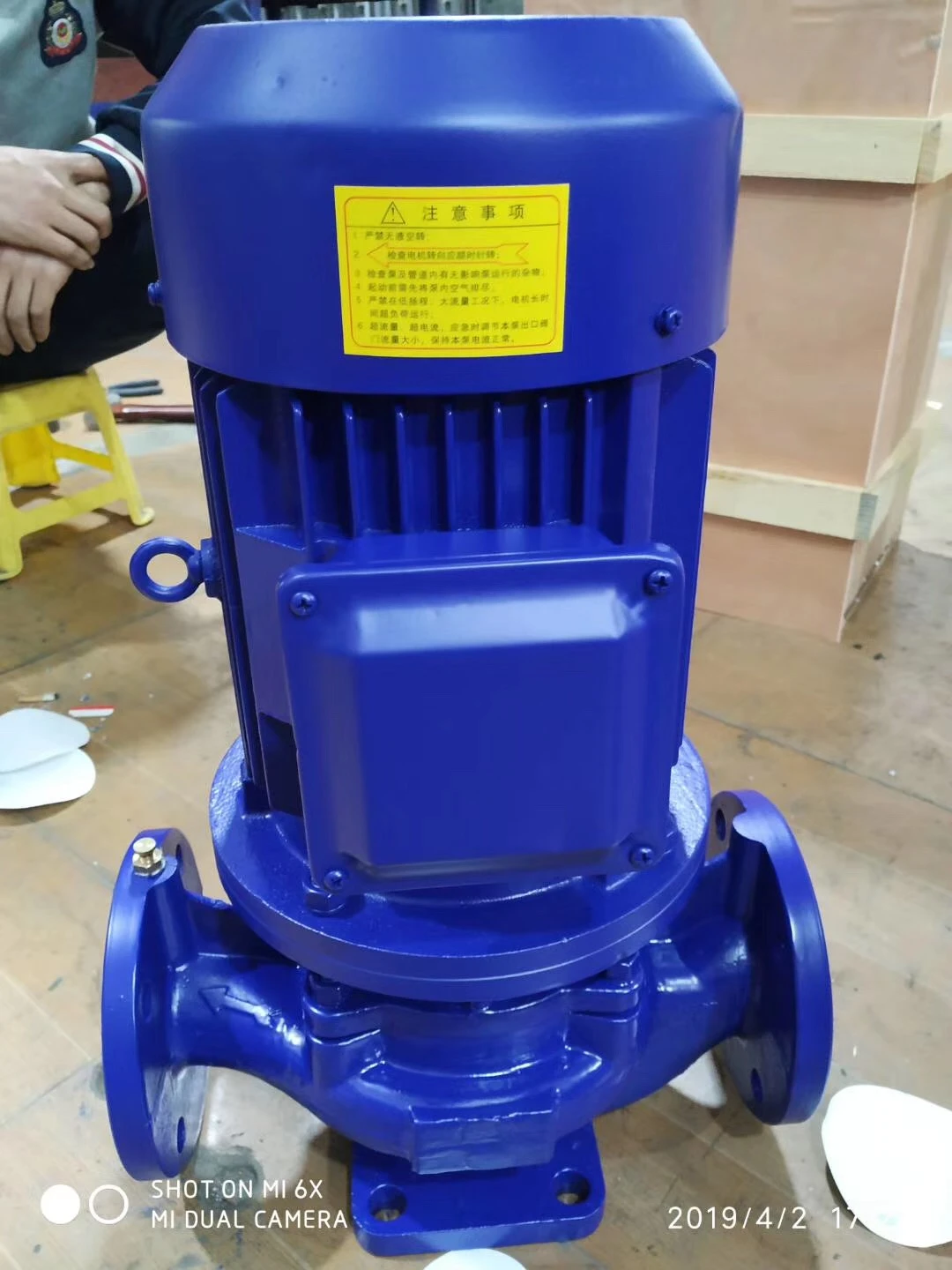
OEM horizontal slurry pumps are centrifugal pumps specifically designed for handling abrasive and erosive slurries in a variety of industrial applications. Positioned within the materials processing and fluid transfer equipment sector, these pumps are critical components in mining, wastewater treatment, chemical processing, and power generation. Unlike standard centrifugal pumps, slurry pumps incorporate design features to manage high solid concentrations, varying particle sizes, and the aggressive nature of the transported media. Core performance characteristics include flow rate (typically measured in gallons per minute or cubic meters per hour), head (expressed in feet or meters), solids handling capability (maximum particle size and percentage solids by weight), and material of construction for abrasion and corrosion resistance. The increasing demand for efficient and reliable slurry handling, particularly in environmentally sensitive applications, drives continuous advancements in slurry pump technology, focusing on improved hydraulic efficiency, extended wear life, and reduced maintenance requirements. A key pain point for industry is balancing pump longevity with initial capital expenditure, necessitating careful material selection and design optimization for specific slurry compositions and operating conditions.
Material Science & Manufacturing
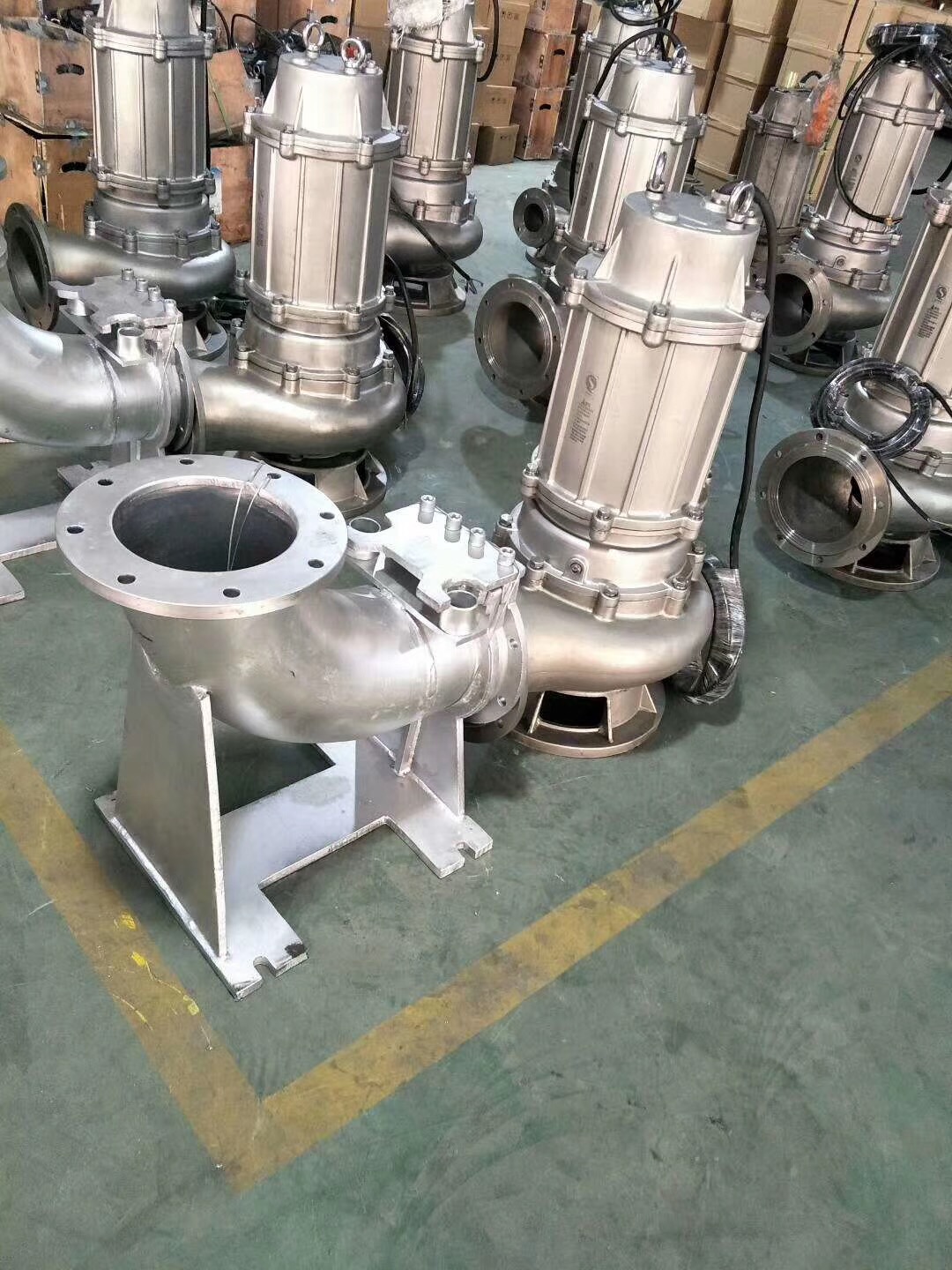
The performance and longevity of an OEM horizontal slurry pump are heavily reliant on the material science employed in its construction. Casing materials commonly include high-chrome cast iron (offering excellent abrasion resistance), ductile iron (providing good strength and impact resistance), and specialized alloys like stainless steel (for corrosion resistance) or high-silicon cast iron (combining abrasion and corrosion resistance). Impeller materials mirror casing choices, with the addition of rubber linings or polyurethane coatings to further enhance abrasion resistance, particularly for highly abrasive slurries. Shaft materials typically utilize alloy steels, heat-treated for high tensile strength and torsional rigidity. Manufacturing processes vary based on component complexity and production volume. Casings are often produced via sand casting or investment casting, ensuring dimensional accuracy and surface finish. Impellers may be cast, forged, or machined from solid bar stock, depending on design and material. Key manufacturing parameter control includes maintaining precise alloy compositions during melting and casting, ensuring proper heat treatment cycles to achieve desired mechanical properties (hardness, tensile strength, ductility), and implementing rigorous quality control procedures – including non-destructive testing (NDT) such as radiographic inspection and ultrasonic testing – to detect flaws in castings and welds. Welding processes, particularly for casing and impeller repairs or joining of complex components, require qualified welders and adherence to established welding procedures to maintain material integrity and prevent stress concentrations. The choice of elastomer lining (rubber or polyurethane) necessitates careful bonding procedures to ensure complete adhesion and prevent delamination under hydraulic pressure and abrasive attack.
Performance & Engineering
The engineering performance of an OEM horizontal slurry pump is governed by a complex interplay of hydraulic design, mechanical integrity, and material compatibility. Force analysis is crucial, considering hydrostatic pressure, dynamic forces from impeller rotation and slurry impact, and external loads from piping connections. Pump selection must account for the slurry’s specific gravity, viscosity, and solids concentration, as these parameters significantly impact pump head and power requirements. Environmental resistance is addressed through material selection and protective coatings. Exposure to corrosive slurries necessitates the use of corrosion-resistant alloys or polymer linings. Temperature extremes require materials with appropriate thermal expansion coefficients and resistance to thermal shock. Compliance requirements include adherence to hydraulic efficiency standards (often measured using the Hydraulic Institute standards), safety standards (e.g., OSHA in the US), and environmental regulations regarding leakage and emissions. Functional implementation hinges on proper pump sizing – ensuring adequate flow rate and head to meet system demands without overstressing the pump – and appropriate seal selection to prevent leakage and maintain pump efficiency. Seal types include mechanical seals (for high-pressure applications) and packing glands (for lower-pressure, abrasive slurries). Impeller design, specifically vane angle and impeller diameter, directly affects pump performance and solids handling capability. Computational Fluid Dynamics (CFD) modeling is increasingly employed to optimize impeller geometry and minimize wear rates. Proper pipe support and alignment are essential to minimize vibration and prevent premature bearing failure.
Technical Specifications
| Parameter | Unit | Typical Value (Range) | Notes |
|---|---|---|---|
| Flow Rate | GPM (US) | 50-5000 | Dependent on pump size and impeller diameter |
| Head | ft | 20-300 | Determined by slurry specific gravity and system resistance |
| Solids Handling | inches | Up to 4 | Maximum particle size that can be passed without clogging |
| Solids Concentration (by weight) | % | Up to 70 | Higher concentrations require specific impeller design |
| Casing Material | - | High-Chrome Cast Iron, Ductile Iron, Stainless Steel | Selection based on slurry corrosivity and abrasivity |
| Impeller Material | - | High-Chrome Cast Iron, Rubber-lined Steel, Polyurethane | Optimized for wear resistance |
Failure Mode & Maintenance
OEM horizontal slurry pumps are susceptible to several failure modes in demanding industrial environments. Fatigue cracking, particularly in the casing and impeller, can occur due to cyclical loading and stress concentrations. Abrasion wear is a primary concern, especially when handling high-solids, abrasive slurries, leading to impeller erosion and casing wall thinning. Corrosion, induced by aggressive chemical constituents in the slurry, can cause pitting, crevice corrosion, and general material loss. Mechanical seal failure, manifesting as leakage, often results from abrasive particles damaging the seal faces or improper installation. Bearing failure can arise from inadequate lubrication, misalignment, or excessive vibration. Cavitation, caused by low suction pressure, can erode impeller vanes and casing surfaces. Preventative maintenance is critical for extending pump life. This includes regular inspection of impeller and casing wear, seal replacement based on run-time and slurry characteristics, lubrication of bearings, alignment checks, and monitoring of vibration levels. Non-destructive testing (NDT) methods like ultrasonic thickness testing can assess casing and impeller wall thickness to detect wear. Proper slurry analysis is essential to select compatible materials and optimize pump operating parameters. Implementing a predictive maintenance program, utilizing condition monitoring techniques, can identify potential failures before they occur, minimizing downtime and repair costs. Regular flushing of pump casings and suction lines can prevent solids buildup and maintain hydraulic efficiency.
Industry FAQ
Q: What is the primary difference between a slurry pump and a standard centrifugal pump?
A: Slurry pumps are specifically designed to handle abrasive and erosive particles in suspension, incorporating features like larger internal clearances, hardened materials, and specialized impeller designs to prevent clogging and minimize wear. Standard centrifugal pumps are optimized for clean fluids and are not equipped to withstand the impact and abrasion caused by solid particles.
Q: How does the solids concentration in the slurry affect pump performance?
A: Increased solids concentration significantly impacts pump head and power requirements. Higher concentrations increase slurry density and viscosity, requiring more power to achieve the same flow rate. Impeller design must be optimized for the specific solids concentration range to prevent settling, clogging, and excessive wear.
Q: What material selection considerations are most important for corrosive slurries?
A: The primary considerations are the slurry’s pH, chemical composition, and temperature. Materials like stainless steel, high-silicon cast iron, and specialized alloys are commonly used for corrosion resistance. Polymer linings (e.g., rubber, PTFE) can provide an additional barrier against corrosion, but their chemical compatibility must be verified.
Q: How can cavitation be prevented in slurry pump applications?
A: Cavitation is prevented by maintaining adequate suction pressure, ensuring proper pump sizing, minimizing suction line losses, and avoiding air entrainment in the slurry. Raising the pump closer to the slurry source or increasing the suction pipe diameter can help improve suction performance.
Q: What are the key indicators that a slurry pump requires maintenance?
A: Key indicators include reduced flow rate, increased power consumption, excessive vibration, unusual noise, leakage from the seal, and visible wear on the impeller or casing. Regular inspection and monitoring of these parameters can help identify potential problems before they escalate.
Conclusion
OEM horizontal slurry pumps are indispensable components in numerous industrial processes, playing a critical role in the efficient and reliable handling of abrasive and corrosive slurries. Their performance is fundamentally tied to material science, hydraulic design, and meticulous manufacturing processes. Selecting the appropriate pump for a given application requires a thorough understanding of the slurry characteristics, operating conditions, and relevant industry standards.
Continued innovation in slurry pump technology focuses on enhancing wear resistance, improving hydraulic efficiency, and reducing life-cycle costs. The implementation of predictive maintenance strategies, coupled with advancements in materials and coatings, will further extend pump life and minimize downtime, solidifying the role of these pumps in demanding industrial environments.
-
basement bathroom sewage pump Material Science Manufacturing
News2026-05-21
-
wastewater treatment plant pumps Material Science Manufacturing
News2026-05-21
-
waste water pump for basement Material Science Manufacturing
News2026-05-21
-
sump pump sewage Performance Analysis
News2026-05-21
-
sump pump for sewage Material Science and Manufacturing
News2026-05-21
-
sump pump for septic systems Material Science Manufacturing
News2026-05-20
-
sump pump and ejector pump Material Science Manufacturing
News2026-05-20
-
sewage treatment plant pumps Performance Analysis
News2026-05-20
-
sewage tank pump Material Science and Manufacturing
News2026-05-20
-
sewage pump for septic tank Performance Analysis
News2026-05-20
-
Sewage Pump and Tank Performance Analysis
News2026-05-19
-
Sewage Ejector Pump Replacement Performance Analysis
News2026-05-19
-
sewage ejector pump for basement bathroom Material Science Manufacturing
News2026-05-19
-
sewage ejection pump Material Science and Manufacturing
News2026-05-19
-
in line sewage pump Performance Analysis
News2026-05-19




