English
- Afrikaans
- Albanian
- Amharic
- Arabic
- Armenian
- Azerbaijani
- Basque
- Belarusian
- Bengali
- Bosnian
- Bulgarian
- Catalan
- Cebuano
- Corsican
- Croatian
- Czech
- Danish
- Dutch
- English
- Esperanto
- Estonian
- Finnish
- French
- Frisian
- Galician
- Georgian
- German
- Greek
- Gujarati
- Haitian Creole
- hausa
- hawaiian
- Hebrew
- Hindi
- Miao
- Hungarian
- Icelandic
- igbo
- Indonesian
- irish
- Italian
- Japanese
- Javanese
- Kannada
- kazakh
- Khmer
- Rwandese
- Korean
- Kurdish
- Kyrgyz
- Lao
- Latin
- Latvian
- Lithuanian
- Luxembourgish
- Macedonian
- Malgashi
- Malay
- Malayalam
- Maltese
- Maori
- Marathi
- Mongolian
- Myanmar
- Nepali
- Norwegian
- Norwegian
- Occitan
- Pashto
- Persian
- Polish
- Portuguese
- Punjabi
- Romanian
- Russian
- Samoan
- Scottish Gaelic
- Serbian
- Sesotho
- Shona
- Sindhi
- Sinhala
- Slovak
- Slovenian
- Somali
- Spanish
- Sundanese
- Swahili
- Swedish
- Tagalog
- Tajik
- Tamil
- Tatar
- Telugu
- Thai
- Turkish
- Turkmen
- Ukrainian
- Urdu
- Uighur
- Uzbek
- Vietnamese
- Welsh
- Bantu
- Yiddish
- Yoruba
- Zulu

Telephone: +86 13120555503
Email: frank@cypump.com


Apr . 01, 2024 17:55 Back to list
oem horizontal slurry pump factory Performance Analysis
Introduction
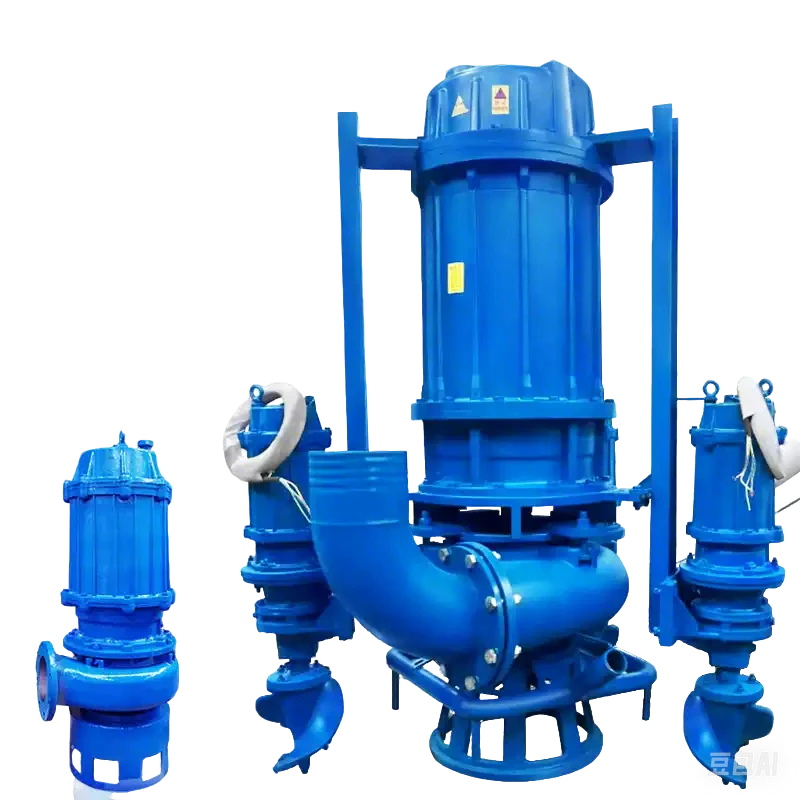
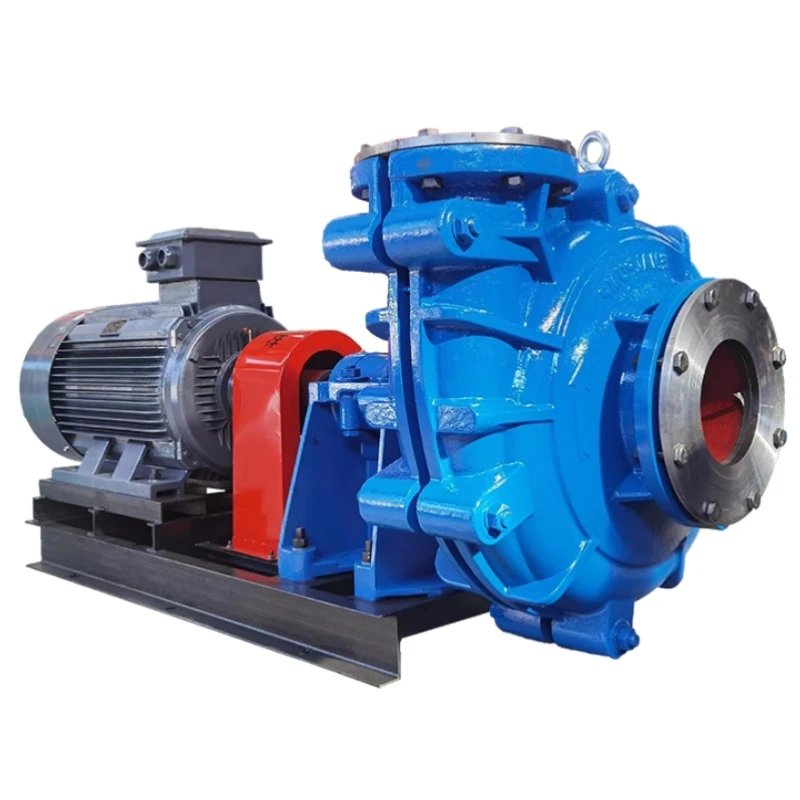
Horizontal slurry pumps are centrifugal pumps specifically designed for transporting abrasive or corrosive slurries. OEM (Original Equipment Manufacturer) horizontal slurry pumps represent a critical component in numerous industrial processes, including mining, wastewater treatment, dredging, and chemical processing. Their technical position within the industry chain lies downstream of materials production (cast iron, steel, elastomers) and upstream of process applications requiring fluid transfer. Core performance characteristics are defined by flow rate (typically measured in m³/hr or GPM), head (expressed in meters or feet), and solids handling capability (particle size and concentration). A key industry pain point is balancing pump longevity with capital expenditure; manufacturers and operators consistently seek pumps providing extended service life in harsh conditions without prohibitive upfront costs. Furthermore, efficient solids handling, preventing clogging and wear, is paramount for operational continuity. Finally, ensuring mechanical seal reliability in abrasive environments presents a significant ongoing challenge.
Material Science & Manufacturing
The construction of an OEM horizontal slurry pump relies heavily on material selection to withstand abrasive wear, corrosion, and erosion. Pump casings are commonly constructed from high-chromium cast iron (e.g., 27% Cr) for excellent abrasion resistance or stainless steel alloys (e.g., 304, 316) for corrosive environments. Impeller materials are similarly chosen based on slurry composition; high-chromium cast iron is prevalent, but hardened steel, ceramic materials (alumina, silicon carbide), and even rubber-lined impellers are utilized for specialized applications. Shafts typically utilize alloy steels (e.g., 4140, 4340) for high tensile strength and torsional rigidity. Manufacturing processes involve several key stages. Casing production utilizes sand casting followed by meticulous cleaning and surface preparation. Impellers are often investment cast to achieve complex geometries and fine surface finishes. Shaft machining involves precision turning, milling, and hardening processes. Mechanical seals, crucial for leak-free operation, are assembled using elastomers (e.g., Viton, EPDM) and ceramic or tungsten carbide faces. Key parameter control focuses on maintaining precise tolerances during machining, consistent heat treatment for optimal material properties, and rigorous quality control of elastomer components to prevent premature failure. Welding processes (SMAW, GMAW) are employed for joining components, requiring qualified welders and adherence to relevant welding codes to ensure structural integrity. The choice of elastomer also heavily influences pump performance; factors like hardness (Shore A) and chemical resistance must be precisely matched to the slurry composition.
Performance & Engineering
Performance engineering for horizontal slurry pumps revolves around hydraulic design and mechanical integrity. Force analysis is critical, considering impeller centrifugal forces, hydrodynamic loads on the casing, and bearing loads. Cavitation is a primary concern, especially with high-solids content slurries; pump designs incorporate optimized impeller geometry and sufficient Net Positive Suction Head Required (NPSHr) to prevent vapor bubble formation and subsequent impeller damage. Environmental resistance is addressed through material selection and protective coatings. For example, epoxy coatings or rubber linings are applied to the casing and impeller to mitigate corrosion. Compliance requirements vary by region but generally include adherence to hydraulic institute standards (HI) and relevant safety regulations (e.g., ATEX for explosive environments). Functional implementation involves careful consideration of the pump’s placement within the overall system. Suction and discharge piping must be correctly sized and supported to minimize stress on the pump. Variable Frequency Drives (VFDs) are increasingly employed to optimize pump speed and energy consumption based on varying flow rate demands. Furthermore, proper bearing lubrication and cooling are essential to maintain pump reliability and extend service life. The pump’s hydraulic efficiency is impacted by the slurry’s rheological properties (viscosity, yield stress, and solids concentration); understanding these properties is crucial for accurate pump selection and performance prediction. Pump selection must also consider the slurry’s specific gravity as this directly impacts the pump’s required head.
Technical Specifications
| Parameter | Unit | Typical Range (Cast Iron Casing) | Typical Range (Stainless Steel Casing) |
|---|---|---|---|
| Flow Rate | m³/hr | 10 – 500 | 5 – 300 |
| Head | m | 10 – 80 | 20 – 120 |
| Solids Handling Size | mm | Up to 75 | Up to 50 |
| Slurry Concentration (Weight %) | % | Up to 60 | Up to 50 |
| Pump Speed | RPM | 500 – 1800 | 500 – 1800 |
| Power | kW | 1.5 – 150 | 0.75 – 75 |
Failure Mode & Maintenance
Horizontal slurry pumps are susceptible to several failure modes. Fatigue cracking in the impeller and casing is common, particularly under cyclical loading and abrasive wear. This often initiates at stress concentration points, such as vane roots. Delamination of rubber linings can occur due to inadequate bonding or chemical attack by the slurry. Erosion is a persistent problem, especially on the impeller’s leading edges and inside the casing volute. Oxidation and corrosion of metallic components contribute to material loss and reduced pump efficiency. Mechanical seal failure is a frequent issue, often caused by abrasive particles infiltrating the seal faces, leading to leakage. Bearing failure can result from insufficient lubrication, contamination, or excessive loads. Preventative maintenance is crucial. Regular inspections should include visual checks for wear, leakage, and corrosion. Vibration analysis can detect bearing problems early on. Impeller and casing wear rates should be monitored, and components replaced proactively. Mechanical seals should be replaced at scheduled intervals. Proper lubrication schedules must be followed. Slurry analysis is essential to identify corrosive components and adjust material selection or protective coatings accordingly. Implementing a robust wear parts inventory management system minimizes downtime. Furthermore, optimizing pump operation parameters (flow rate, speed) to reduce excessive stress and erosion is crucial for extended pump life.
Industry FAQ
Q: What is the optimal impeller material for handling a highly abrasive silica slurry?
A: For highly abrasive silica slurries, a high-chromium cast iron impeller (typically 27-30% chromium) is the most common and cost-effective choice. While ceramic impellers (alumina or silicon carbide) offer superior abrasion resistance, they are significantly more expensive and can be brittle. Hardened steel impellers can be used, but their abrasion resistance is generally lower than high-chromium cast iron. Rubber-lined impellers are suitable for lower particle sizes and impact abrasion, but may not hold up to prolonged exposure to sharp silica particles.
Q: How does pump speed affect slurry pump wear rates?
A: Increasing pump speed generally increases wear rates. Higher speeds result in greater impeller tip speeds, leading to more intense abrasive wear on the impeller and casing. Furthermore, increased velocity can accelerate erosion. While higher speeds can provide increased flow, operating at the lowest practical speed that meets the process requirements will significantly extend pump life. Consider utilizing VFDs to fine-tune pump speed to match process demands.
Q: What are the key considerations when selecting a mechanical seal for a slurry pump?
A: Mechanical seal selection is critical. The seal faces must be compatible with the slurry’s abrasive and corrosive components. Ceramic-on-carbon or tungsten carbide-on-tungsten carbide combinations are common. A robust barrier fluid system is essential to prevent abrasive particles from entering the seal chamber. Consider using a double mechanical seal with a circulating barrier fluid. The seal material must also be chemically resistant to the slurry.
Q: What is NPSHr and why is it important for slurry pumps?
A: NPSHr (Net Positive Suction Head Required) is the minimum pressure required at the pump suction to prevent cavitation. Slurries, due to their increased density and potential for gas evolution, require higher NPSHr than clean fluids. Insufficient NPSH can lead to cavitation, which damages the impeller and reduces pump efficiency. Proper system design, including adequate suction pipe diameter and minimal elevation changes, is essential to ensure sufficient NPSH is available.
Q: How often should the pump casing be inspected for wear?
A: The frequency of casing inspections depends on the abrasiveness of the slurry and the pump’s operating hours. As a general guideline, a visual inspection should be conducted every 6-12 months. More frequent inspections (e.g., quarterly) are recommended for highly abrasive slurries. Utilize non-destructive testing methods like ultrasonic thickness testing to accurately measure casing wall thickness and identify areas of significant wear. Document wear rates to predict future maintenance needs.
Conclusion
OEM horizontal slurry pumps represent a complex interplay of material science, hydraulic engineering, and robust manufacturing processes. Optimizing pump performance and longevity demands a thorough understanding of slurry characteristics, careful component selection, and proactive maintenance strategies. The industry continues to grapple with the challenge of extending pump service life in increasingly harsh operating environments, driving innovation in materials, seal technologies, and monitoring systems.
Future developments will likely focus on advanced materials with improved abrasion and corrosion resistance, smart sensors for real-time performance monitoring, and predictive maintenance algorithms to optimize maintenance schedules and minimize downtime. Ultimately, a holistic approach encompassing pump selection, system design, operation, and maintenance is crucial for maximizing the return on investment in these vital industrial components.
-
Precision at the Pump: How Better Machining Protects Flow and Uptime
News2026-11-20
-
Why Pump Reliability Begins Before the First Drop of Fluid
News2026-11-20
-
Beyond the Pump: Designing Safer Access Around Critical Water Infrastructure
News2026-11-20
-
Why Pumping Stations Depend on the Infrastructure Beneath the Pumps
News2026-11-20
-
Beyond the Pump Room: How Smarter Loading Protects Industrial Equipment
News2026-11-19
-
When Pumps Stop: Designing More Resilient Power for Critical Pumping Systems
News2026-11-19
-
The Hidden Role of Dust and Gas Monitoring in Reliable Pump Operations
News2026-11-19
-
The Hidden Role of Mineral Compounds in Extending Industrial Pump Lifespan
News2026-10-12
-
Why Pump System Reliability Depends on Precision Hose Assembly Methods
News2026-09-15
-
How Advanced Imaging Films Are Transforming Pump Component Quality Control
News2026-08-25
-
How Advanced Filtration Protects Pump Systems from Premature Wear and Costly Downtime
News2026-08-25
-
How Steel Material Selection Drives Pump Reliability in Heavy-Duty Systems
News2026-08-25
-
Ensuring Pump System Efficiency: The Role of High-Quality Pipe Fittings and Tubing
News2026-08-24
-
Optimizing Fluid Dynamics and Material Consistency in Industrial Processing
News2026-08-18
-
Innovations and Challenges in Hydraulic Systems for Heavy Machinery
News2026-08-13




