English
- Afrikaans
- Albanian
- Amharic
- Arabic
- Armenian
- Azerbaijani
- Basque
- Belarusian
- Bengali
- Bosnian
- Bulgarian
- Catalan
- Cebuano
- Corsican
- Croatian
- Czech
- Danish
- Dutch
- English
- Esperanto
- Estonian
- Finnish
- French
- Frisian
- Galician
- Georgian
- German
- Greek
- Gujarati
- Haitian Creole
- hausa
- hawaiian
- Hebrew
- Hindi
- Miao
- Hungarian
- Icelandic
- igbo
- Indonesian
- irish
- Italian
- Japanese
- Javanese
- Kannada
- kazakh
- Khmer
- Rwandese
- Korean
- Kurdish
- Kyrgyz
- Lao
- Latin
- Latvian
- Lithuanian
- Luxembourgish
- Macedonian
- Malgashi
- Malay
- Malayalam
- Maltese
- Maori
- Marathi
- Mongolian
- Myanmar
- Nepali
- Norwegian
- Norwegian
- Occitan
- Pashto
- Persian
- Polish
- Portuguese
- Punjabi
- Romanian
- Russian
- Samoan
- Scottish Gaelic
- Serbian
- Sesotho
- Shona
- Sindhi
- Sinhala
- Slovak
- Slovenian
- Somali
- Spanish
- Sundanese
- Swahili
- Swedish
- Tagalog
- Tajik
- Tamil
- Tatar
- Telugu
- Thai
- Turkish
- Turkmen
- Ukrainian
- Urdu
- Uighur
- Uzbek
- Vietnamese
- Welsh
- Bantu
- Yiddish
- Yoruba
- Zulu

Telephone: +86 13120555503
Email: frank@cypump.com


Apr . 01, 2024 17:55 Back to list
oem high head slurry pump suppliers Performance Engineering
Introduction
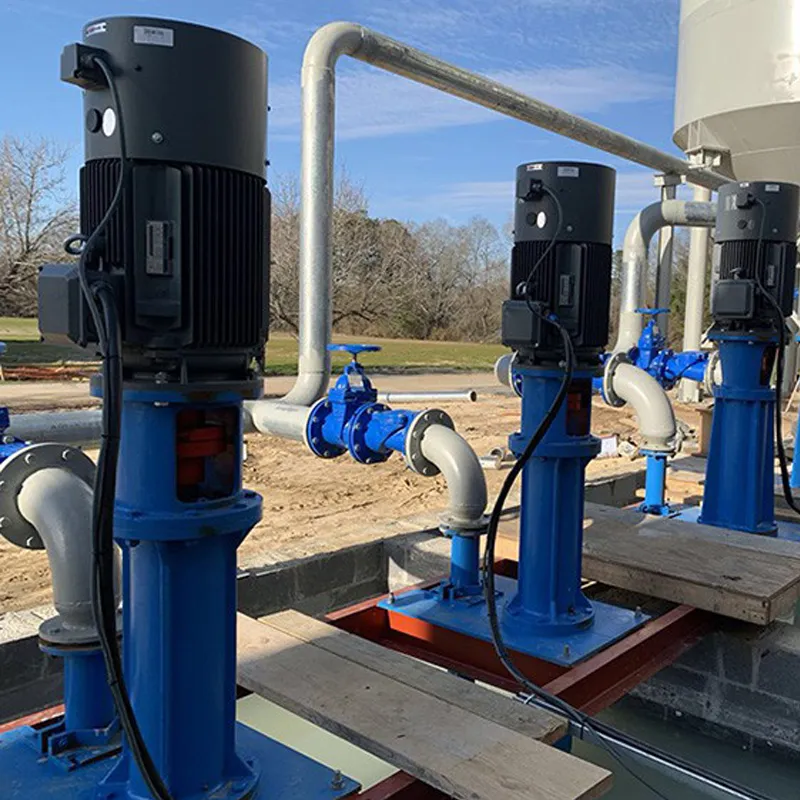
OEM high head slurry pumps are engineered for the demanding task of transporting abrasive and high-density slurries over significant vertical distances. These pumps occupy a critical position in the mineral processing, wastewater treatment, dredging, and heavy industrial sectors. Unlike conventional centrifugal pumps, high head slurry pumps are designed to overcome substantial gravitational forces while maintaining consistent flow rates, preventing settling of solids within the pipeline. Core performance characteristics revolve around achieving high discharge pressures (head), efficient solids handling capabilities, and prolonged operational life in corrosive and abrasive environments. The selection of appropriate materials and impeller design are paramount to mitigating wear and maximizing efficiency. A significant industry pain point lies in balancing pump efficiency with wear resistance, as maximizing one often compromises the other. Further challenges include mitigating cavitation damage, especially when handling gases entrained within the slurry, and maintaining consistent performance across varying slurry compositions and flow rates.
Material Science & Manufacturing
The construction of high head slurry pumps necessitates robust material selection and precise manufacturing processes. Pump casings are commonly fabricated from high-chromium cast iron (e.g., 27-30% Cr) for exceptional abrasion resistance, or alternatively, from specialized alloys like duplex stainless steel (e.g., 2205, 2507) for enhanced corrosion resistance in aggressive chemical environments. Impellers, the core component responsible for slurry movement, are similarly constructed from high-chromium cast iron, often incorporating a hardened surface treatment (e.g., tungsten carbide coating) to extend service life. Shaft materials typically involve alloy steels (e.g., 4140, 4340) possessing high tensile strength and fatigue resistance. Seal materials, crucial for preventing leakage, frequently utilize materials like silicon carbide or tungsten carbide against ceramic counterparts, ensuring compatibility with abrasive slurries.
Manufacturing typically involves several key processes. Casting forms the initial shape of the casing and impeller. Subsequent machining operations – including milling, turning, and grinding – achieve the required dimensional accuracy and surface finish. Welding processes, such as shielded metal arc welding (SMAW) or gas tungsten arc welding (GTAW), are employed for joining components, demanding qualified welders and stringent quality control to prevent defects. Impeller balancing is a critical step, ensuring smooth operation and minimizing vibration. Parameter control during casting (cooling rates, sand composition) and welding (heat input, shielding gas) are vital for controlling the material microstructure and preventing cracking. Non-destructive testing (NDT) methods, including radiographic inspection and ultrasonic testing, are employed to identify internal flaws and ensure structural integrity. The choice of manufacturing process influences the grain structure and hardness of the metallic components, impacting their overall wear resistance.
Performance & Engineering
The performance of high head slurry pumps is heavily influenced by hydraulic design and fluid dynamics. Key engineering considerations include impeller geometry (e.g., radial, axial, mixed flow), casing volute design, and the selection of appropriate pump speed. Force analysis necessitates evaluating stresses induced by slurry flow, pressure differentials, and mechanical loading. Cavitation, a critical concern, occurs when the absolute pressure drops below the vapor pressure of the slurry, forming vapor bubbles that collapse violently, causing erosion of pump components. Pump speed selection impacts the shear rate experienced by the slurry; higher speeds can enhance suspension but also accelerate abrasive wear. Environmental resistance is paramount, particularly in applications involving extreme temperatures, corrosive chemicals, or abrasive particles. Compliance requirements are dictated by industry-specific standards and regulations, ensuring safe and reliable operation.
Achieving optimal performance necessitates careful consideration of the slurry’s properties – particle size distribution, solid concentration, density, and viscosity. The pump’s Net Positive Suction Head Required (NPSHr) must be lower than the Net Positive Suction Head Available (NPSHa) to prevent cavitation. System head curves are crucial for matching pump performance to the specific application. Finite Element Analysis (FEA) is frequently employed to optimize component design and predict stress distribution. Furthermore, hydraulic modeling and computational fluid dynamics (CFD) simulations aid in refining impeller and casing geometries, maximizing efficiency and minimizing erosion. The selection of the appropriate seal type (e.g., mechanical seal, packing gland) is also crucial, depending on the slurry characteristics and operating pressure.
Technical Specifications
| Parameter | Unit | Typical Range (OEM Model A) | Typical Range (OEM Model B) |
|---|---|---|---|
| Maximum Head | m | 50-150 | 100-300 |
| Flow Rate | m³/h | 20-100 | 50-200 |
| Maximum Solid Concentration | % by weight | 30-60 | 20-50 |
| Maximum Particle Size | mm | 25-75 | 15-50 |
| Pump Speed | RPM | 500-1500 | 800-2000 |
| Casing Material | - | High Chromium Cast Iron | Duplex Stainless Steel |
Failure Mode & Maintenance
High head slurry pumps are susceptible to several failure modes. Abrasive wear is the most prevalent, leading to impeller and casing erosion, ultimately reducing pump efficiency and capacity. Cavitation damage, as previously mentioned, causes pitting and erosion of pump components, particularly the impeller. Corrosion, especially in aggressive chemical environments, degrades the material integrity, leading to leaks and structural failure. Mechanical seal failure results in leakage and potential contamination. Fatigue cracking can occur in shafts and impellers due to cyclic loading. Delamination of wear-resistant coatings can reduce their effectiveness.
Preventive maintenance is crucial for maximizing pump life. Regular inspections should include visual checks for erosion, corrosion, and leaks. Monitoring vibration levels can detect bearing wear or impeller imbalance. Periodic analysis of the slurry composition can identify potentially corrosive or abrasive components. Lubrication of bearings is essential. Mechanical seals should be replaced at predetermined intervals. Impellers and casings should be replaced or repaired when wear exceeds acceptable limits. Proper pump alignment is vital to minimize bearing stress. Implementing a robust preventative maintenance schedule based on operating hours and slurry characteristics significantly reduces downtime and extends pump life. Failure analysis, when failures do occur, is essential for identifying root causes and implementing corrective actions.
Industry FAQ
Q: What are the primary differences between a high head slurry pump and a standard centrifugal pump when handling solids?
A: Standard centrifugal pumps are designed for relatively clean fluids with minimal solids content. They are highly susceptible to abrasion and blockage when handling slurries. High head slurry pumps, conversely, incorporate design features specifically optimized for solids handling, including larger internal passages, more robust impeller designs, and wear-resistant materials. They generate significantly higher discharge pressures to overcome frictional losses and maintain flow with dense, abrasive slurries.
Q: How does impeller design impact the performance and wear life of a high head slurry pump?
A: Impeller design is crucial. Radial impellers are effective for high head applications but can experience higher wear rates. Mixed flow impellers offer a compromise between head and flow, with improved solids handling. The impeller’s blade angle, width, and surface finish significantly affect hydraulic efficiency and wear resistance. Hardened impeller materials and coatings are vital for extending service life.
Q: What is the impact of slurry composition on pump selection and maintenance requirements?
A: Slurry composition dictates material selection. Highly abrasive slurries necessitate high-chromium cast iron or tungsten carbide coatings. Corrosive slurries require corrosion-resistant alloys like duplex stainless steel. The particle size distribution and solid concentration influence pump sizing and flow rate requirements. Regular analysis of slurry composition helps anticipate wear patterns and optimize maintenance schedules.
Q: What are the common causes of cavitation in high head slurry pumps and how can they be mitigated?
A: Cavitation occurs when the NPSHa is insufficient relative to the NPSHr. Causes include high pump speed, restricted suction lines, high slurry viscosity, and elevated temperatures. Mitigation strategies include reducing pump speed, optimizing suction line design, ensuring adequate NPSHa, and selecting pumps with lower NPSHr values.
Q: What types of non-destructive testing (NDT) are recommended for ensuring the structural integrity of high head slurry pumps?
A: Radiographic inspection (X-ray) and ultrasonic testing are commonly used to detect internal flaws in pump casings and impellers. Magnetic particle inspection is effective for detecting surface cracks. Liquid penetrant testing identifies surface discontinuities. These NDT methods help identify potential failure points before they lead to catastrophic failures.
Conclusion
OEM high head slurry pumps represent a critical component in numerous industrial processes where the reliable transport of abrasive and dense slurries is paramount. Effective pump selection hinges on a comprehensive understanding of the slurry characteristics, operational requirements, and material properties. The longevity and efficiency of these pumps are directly correlated to the careful consideration of hydraulic design, appropriate material selection, and adherence to rigorous maintenance protocols. Optimizing these factors minimizes downtime, reduces operational costs, and ensures the sustained performance of critical industrial operations.
Future advancements in high head slurry pump technology will likely focus on developing novel materials with enhanced wear and corrosion resistance, incorporating advanced monitoring systems for predictive maintenance, and refining hydraulic designs to maximize efficiency and reduce energy consumption. The integration of digital technologies, such as machine learning algorithms for optimizing pump operation based on real-time slurry data, will also play an increasingly important role in maximizing performance and minimizing lifecycle costs. Continuous innovation in these areas will ensure that high head slurry pumps remain a vital asset in demanding industrial applications.
-
Comprehensive Guide to Waterproof ORings for Optimal Sealing Solutions
News2026-06-09
-
basement plumbing pump Performance Engineering
News2026-06-14
-
water submersible pump Performance Engineering
News2026-06-14
-
Septic Systems with Pumps Performance Analysis
News2026-06-14
-
Septic Pump Systems Performance Analysis
News2026-06-14
-
septic ejector pump Material Science and Manufacturing
News2026-06-14
-
septic effluent pump Performance and Engineering
News2026-06-13
-
ejector sump pump Performance Engineering
News2026-06-13
-
Wastewater Pump Performance Analysis
News2026-06-13
-
waste water pumps Material Science Manufacturing
News2026-06-13
-
submersible sewage pumps Material Science Manufacturing
News2026-06-13
-
submersable pumps Performance Analysis
News2026-06-12
-
submerge pump Performance Analysis
News2026-06-12
-
Septic Tank Lift Pump Performance Analysis
News2026-06-12
-
Septic System Pump Replacement Performance Analysis
News2026-06-12




