English
- Afrikaans
- Albanian
- Amharic
- Arabic
- Armenian
- Azerbaijani
- Basque
- Belarusian
- Bengali
- Bosnian
- Bulgarian
- Catalan
- Cebuano
- Corsican
- Croatian
- Czech
- Danish
- Dutch
- English
- Esperanto
- Estonian
- Finnish
- French
- Frisian
- Galician
- Georgian
- German
- Greek
- Gujarati
- Haitian Creole
- hausa
- hawaiian
- Hebrew
- Hindi
- Miao
- Hungarian
- Icelandic
- igbo
- Indonesian
- irish
- Italian
- Japanese
- Javanese
- Kannada
- kazakh
- Khmer
- Rwandese
- Korean
- Kurdish
- Kyrgyz
- Lao
- Latin
- Latvian
- Lithuanian
- Luxembourgish
- Macedonian
- Malgashi
- Malay
- Malayalam
- Maltese
- Maori
- Marathi
- Mongolian
- Myanmar
- Nepali
- Norwegian
- Norwegian
- Occitan
- Pashto
- Persian
- Polish
- Portuguese
- Punjabi
- Romanian
- Russian
- Samoan
- Scottish Gaelic
- Serbian
- Sesotho
- Shona
- Sindhi
- Sinhala
- Slovak
- Slovenian
- Somali
- Spanish
- Sundanese
- Swahili
- Swedish
- Tagalog
- Tajik
- Tamil
- Tatar
- Telugu
- Thai
- Turkish
- Turkmen
- Ukrainian
- Urdu
- Uighur
- Uzbek
- Vietnamese
- Welsh
- Bantu
- Yiddish
- Yoruba
- Zulu

Telephone: +86 13120555503
Email: frank@cypump.com


Apr . 01, 2024 17:55 Back to list
oem high head slurry pump supplier Performance Analysis
Introduction
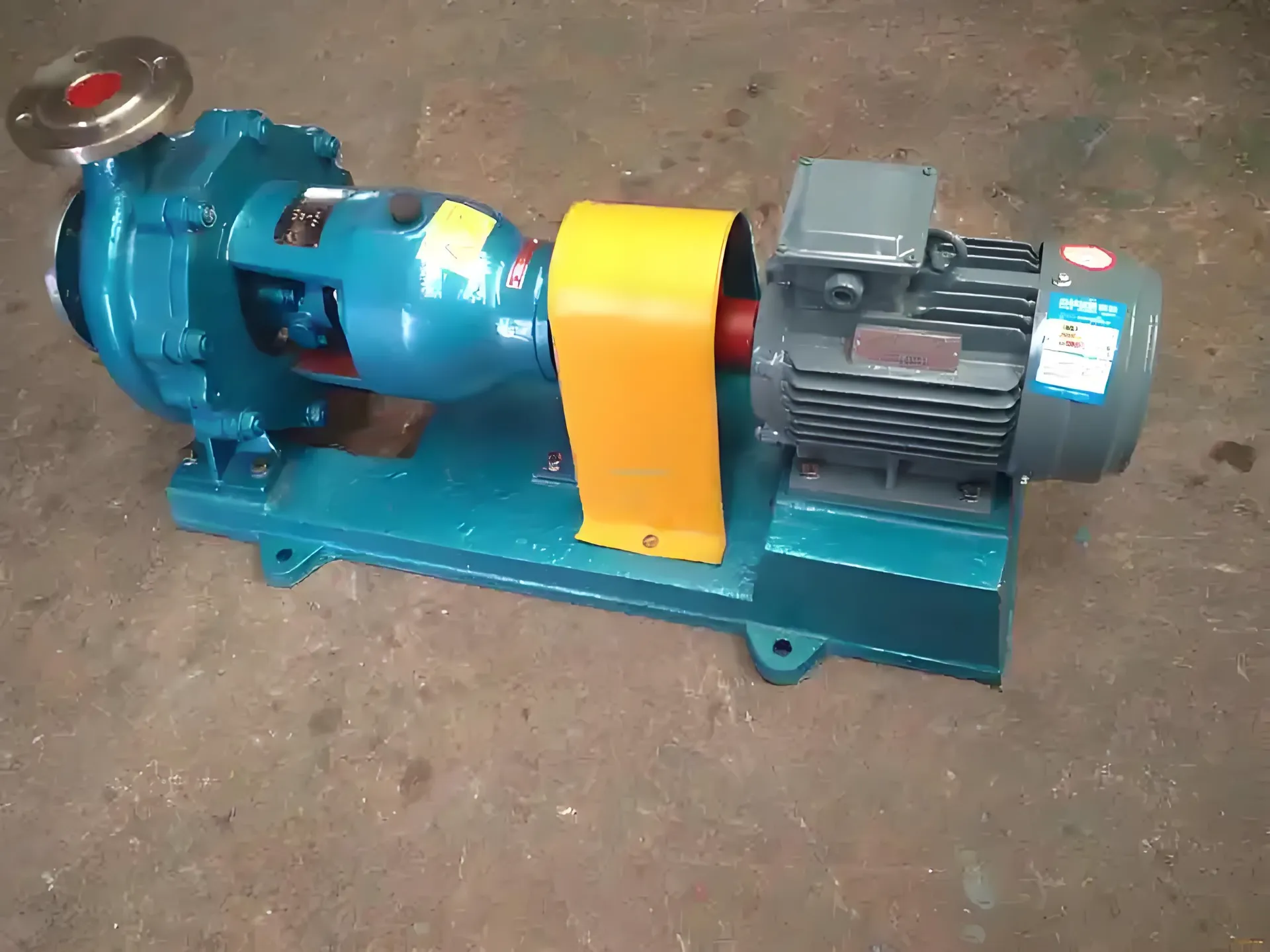
OEM high head slurry pumps are centrifugal pumps specifically engineered for the transportation of abrasive and erosive slurries over significant vertical distances. Positioned within the mining, dredging, chemical processing, and wastewater treatment industries, these pumps represent a critical component in material handling systems. They differ from standard centrifugal pumps due to their robust construction, employing hardened materials and specialized impeller designs to mitigate wear and maintain efficiency when handling solids-laden fluids. Core performance characteristics include high head (pressure), substantial flow rates, and resistance to abrasion and corrosion. The OEM designation signifies original equipment manufacturing, implying customized designs tailored to specific process requirements, differentiating them from off-the-shelf solutions. A key industry pain point is balancing pump longevity with operational efficiency; excessive wear leads to downtime and maintenance costs, while inefficient pumping increases energy consumption and process bottlenecks.
Material Science & Manufacturing
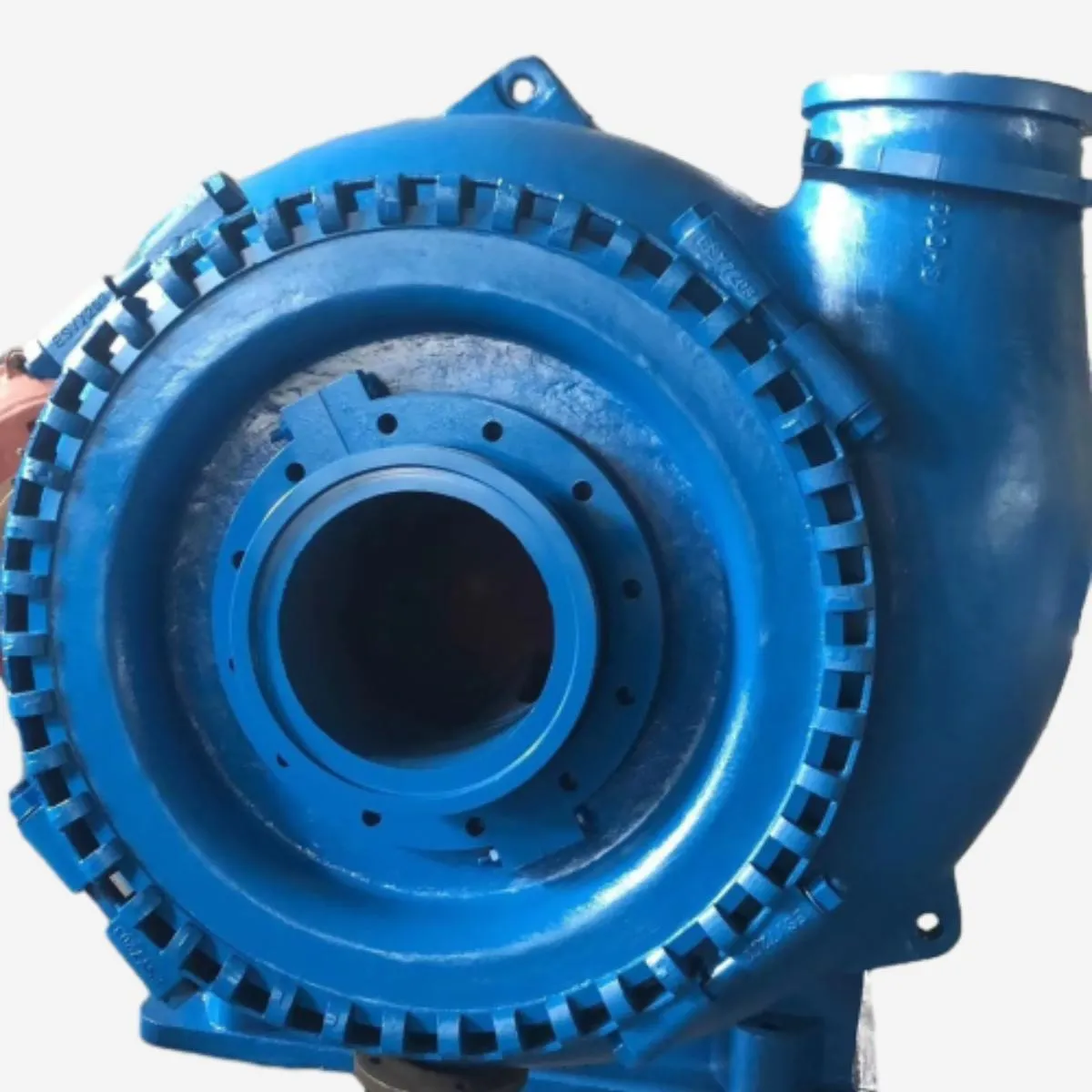
The performance of a high head slurry pump is fundamentally tied to the materials used in its construction. Pump casings are commonly constructed from high-chrome cast iron (typically 27% Cr) for superior abrasion resistance, particularly when handling hard, angular particles. Impellers are similarly manufactured from high-chrome alloys, or in cases of highly corrosive slurries, duplex stainless steels (e.g., 2205, 2507) or ceramic materials like alumina. Shafts are often forged from alloy steel (e.g., 4140, 4340) and hardened to resist bending and torsional stresses. Seals utilize materials like silicon carbide or tungsten carbide against a variety of elastomer components (EPDM, Viton) based on the chemical compatibility requirements of the slurry. Manufacturing processes involve several key stages: casting of the casing and impeller, machining to precise tolerances, welding of critical components (often employing submerged arc welding or gas tungsten arc welding for high-integrity joints), heat treatment to achieve desired hardness and toughness, and final assembly with rigorous quality control checks. Parameter control during casting is crucial to avoid porosity and ensure structural integrity. Welding procedures must be carefully controlled to minimize residual stress and distortion. The impeller’s vane geometry, determined through computational fluid dynamics (CFD) analysis, is paramount to optimizing hydraulic efficiency and minimizing wear.
Performance & Engineering
High head slurry pump performance is governed by principles of fluid mechanics and materials science. Force analysis focuses on hydraulic forces exerted by the slurry on the impeller and casing, as well as mechanical forces generated by the rotating shaft and impeller. Cavitation, a major concern, occurs when the absolute pressure within the pump drops below the vapor pressure of the slurry, forming vapor bubbles that collapse violently and erode the impeller. Net Positive Suction Head Required (NPSHr) is a critical parameter, demanding careful system design to ensure adequate suction pressure and prevent cavitation. Environmental resistance is addressed through material selection and protective coatings. For example, epoxy or polyurethane coatings can provide barrier protection against corrosion. Compliance requirements vary by region and application. For mining applications, pumps often must comply with standards for hazardous environments (e.g., ATEX certification for explosive atmospheres). In wastewater treatment, pumps must meet standards for biological oxygen demand (BOD) and total suspended solids (TSS) handling. Functional implementation involves careful consideration of system head curves, flow rates, and slurry characteristics (solids concentration, particle size distribution, specific gravity). Pump curves detailing head-flow relationships are generated through hydraulic testing and are used to select the optimal pump size for a given application. Proper alignment of the pump and motor is critical to prevent premature bearing failure and vibration.
Technical Specifications
| Parameter | Unit | Typical Range (Small Pump) | Typical Range (Large Pump) |
|---|---|---|---|
| Flow Rate | m³/hr | 5 - 50 | 200 - 800 |
| Head | m | 20 - 80 | 150 - 400 |
| Solids Handling Size | mm | Up to 25 | Up to 100 |
| Pump Speed | RPM | 1450 - 2900 | 900 - 1750 |
| Power | kW | 1.5 - 15 | 50 - 300 |
| Casing Material | - | High Chrome Iron (27% Cr) | Duplex Stainless Steel (2205, 2507) |
Failure Mode & Maintenance
Failure modes in high head slurry pumps are primarily related to abrasive wear, corrosion, and erosion. Fatigue cracking can occur in the impeller and shaft due to cyclic loading. Delamination of the casing lining (if applicable) is a common issue, exposing the underlying metal to corrosive attack. Erosion occurs at the impeller vanes and casing outlet, particularly when handling high-velocity slurries. Oxidation can affect metallic components, reducing their strength and corrosion resistance. Preventive maintenance is crucial. Regular inspection of the impeller, casing, and seals for wear is essential. Lubrication of bearings is critical to prevent failure. Vibration analysis can detect early signs of imbalance or misalignment. Repair strategies include impeller replacement, casing relining, seal replacement, and shaft straightening or replacement. When failures occur, detailed failure analysis (including metallographic examination and chemical analysis) is necessary to identify the root cause and prevent recurrence. Scheduled maintenance intervals should be based on operating hours and slurry characteristics. Implementing a robust condition monitoring program utilizing sensors for vibration, temperature, and pressure can further optimize maintenance schedules and minimize downtime.
Industry FAQ
Q: What is the impact of solids concentration on pump selection and performance?
A: Increasing solids concentration significantly impacts pump performance. Higher concentrations increase slurry viscosity and density, requiring more power to maintain flow and head. The pump’s impeller design must be optimized for handling the specific solids loading. Impeller wear rates also increase proportionally with solids concentration. Pump selection must account for the maximum anticipated solids concentration to prevent clogging and ensure reliable operation.
Q: How does the slurry's pH level affect material selection for pump components?
A: Slurry pH is a critical factor in material selection. Highly acidic or alkaline slurries can accelerate corrosion rates. For acidic slurries, stainless steels, ceramics, and rubber linings are preferred. Alkaline slurries may require specific alloy steels or polymer coatings. The pump manufacturer should provide material compatibility charts based on the slurry's chemical composition and pH.
Q: What are the key considerations for preventing cavitation in a high head slurry pump?
A: Preventing cavitation involves ensuring adequate NPSHa (Net Positive Suction Head Available). This requires minimizing suction lift, maximizing suction pipe diameter, and reducing friction losses in the suction piping. Proper system design and pump selection are crucial. Regularly monitoring suction pressure and impeller condition can also help identify and address cavitation issues.
Q: What are the advantages of using a VFD (Variable Frequency Drive) with a high head slurry pump?
A: Using a VFD allows for precise control of pump speed, enabling optimization of flow rate and energy consumption. It can also reduce hydraulic shock and wear during start-up and shut-down. VFDs can be particularly beneficial in applications with variable flow requirements or fluctuating slurry characteristics.
Q: What maintenance practices are essential for extending the lifespan of a high-chrome impeller?
A: Regular inspection for wear patterns is essential. Rotate the impeller periodically to distribute wear evenly. Avoid running the pump dry, as this accelerates wear. Ensure proper lubrication of bearings. Consider implementing a sacrificial liner system to protect the impeller from direct contact with abrasive particles. Employing a slurry analysis program to understand wear rates and adjust operating parameters accordingly.
Conclusion
OEM high head slurry pumps are vital components in industries handling abrasive slurries, demanding a deep understanding of material science, hydraulic principles, and failure mechanisms. Proper pump selection, installation, and maintenance are paramount to maximizing operational efficiency and minimizing downtime. The choice of materials, impeller design, and system configuration must be tailored to the specific slurry characteristics and application requirements.
Future advancements in slurry pump technology will likely focus on the development of more wear-resistant materials, improved impeller designs leveraging computational fluid dynamics, and the integration of advanced sensor technologies for real-time condition monitoring and predictive maintenance. Continuous monitoring of operational data and proactive maintenance strategies will remain essential for ensuring the long-term reliability and performance of these critical assets.
-
Comprehensive Guide to Waterproof ORings for Optimal Sealing Solutions
News2026-06-09
-
basement plumbing pump Performance Engineering
News2026-06-14
-
water submersible pump Performance Engineering
News2026-06-14
-
Septic Systems with Pumps Performance Analysis
News2026-06-14
-
Septic Pump Systems Performance Analysis
News2026-06-14
-
septic ejector pump Material Science and Manufacturing
News2026-06-14
-
septic effluent pump Performance and Engineering
News2026-06-13
-
ejector sump pump Performance Engineering
News2026-06-13
-
Wastewater Pump Performance Analysis
News2026-06-13
-
waste water pumps Material Science Manufacturing
News2026-06-13
-
submersible sewage pumps Material Science Manufacturing
News2026-06-13
-
submersable pumps Performance Analysis
News2026-06-12
-
submerge pump Performance Analysis
News2026-06-12
-
Septic Tank Lift Pump Performance Analysis
News2026-06-12
-
Septic System Pump Replacement Performance Analysis
News2026-06-12




