English
- Afrikaans
- Albanian
- Amharic
- Arabic
- Armenian
- Azerbaijani
- Basque
- Belarusian
- Bengali
- Bosnian
- Bulgarian
- Catalan
- Cebuano
- Corsican
- Croatian
- Czech
- Danish
- Dutch
- English
- Esperanto
- Estonian
- Finnish
- French
- Frisian
- Galician
- Georgian
- German
- Greek
- Gujarati
- Haitian Creole
- hausa
- hawaiian
- Hebrew
- Hindi
- Miao
- Hungarian
- Icelandic
- igbo
- Indonesian
- irish
- Italian
- Japanese
- Javanese
- Kannada
- kazakh
- Khmer
- Rwandese
- Korean
- Kurdish
- Kyrgyz
- Lao
- Latin
- Latvian
- Lithuanian
- Luxembourgish
- Macedonian
- Malgashi
- Malay
- Malayalam
- Maltese
- Maori
- Marathi
- Mongolian
- Myanmar
- Nepali
- Norwegian
- Norwegian
- Occitan
- Pashto
- Persian
- Polish
- Portuguese
- Punjabi
- Romanian
- Russian
- Samoan
- Scottish Gaelic
- Serbian
- Sesotho
- Shona
- Sindhi
- Sinhala
- Slovak
- Slovenian
- Somali
- Spanish
- Sundanese
- Swahili
- Swedish
- Tagalog
- Tajik
- Tamil
- Tatar
- Telugu
- Thai
- Turkish
- Turkmen
- Ukrainian
- Urdu
- Uighur
- Uzbek
- Vietnamese
- Welsh
- Bantu
- Yiddish
- Yoruba
- Zulu

Telephone: +86 13120555503
Email: frank@cypump.com


Apr . 01, 2024 17:55 Back to list
oem high head slurry pump manufacturers Performance Analysis
Introduction
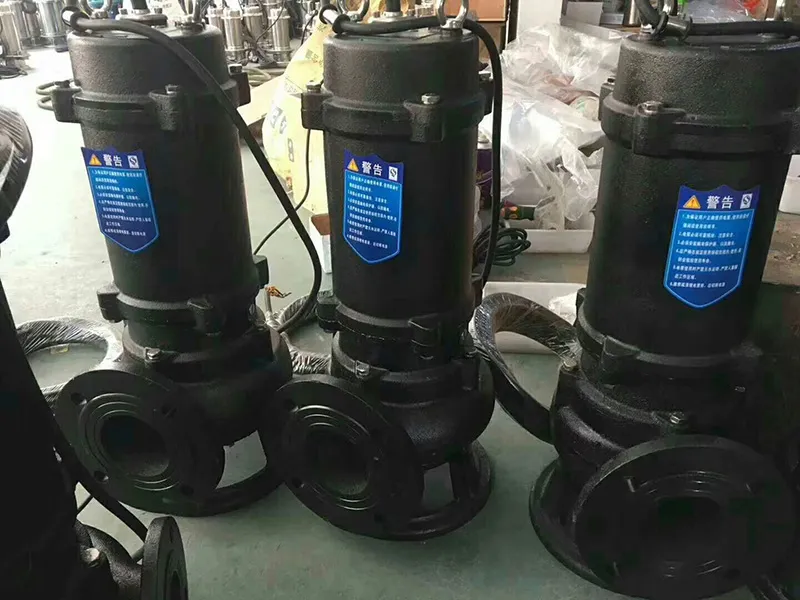
OEM high head slurry pumps are critical components in a diverse range of industrial processes, primarily employed for the efficient and reliable transport of abrasive, corrosive, and high-density slurries. These pumps occupy a specialized niche within the broader pump industry, distinguished by their ability to generate substantial head (pressure) while maintaining acceptable flow rates. Their application spans industries including mining, mineral processing, heavy oil sands, dredging, power generation (ash handling), and wastewater treatment. The performance and longevity of these pumps are directly tied to material selection, hydraulic design, and rigorous adherence to industry standards. The increasing demand for efficient resource extraction and environmentally responsible waste management drives continuous innovation in high-head slurry pump technology. The core performance characteristics – head, flow rate, solids handling capability, and wear resistance – are paramount considerations for end-users. A key pain point within the industry revolves around balancing pump efficiency with operational lifespan in aggressive slurry environments, leading to significant maintenance costs and downtime.
Material Science & Manufacturing
The construction of OEM high head slurry pumps necessitates materials capable of withstanding severe abrasive and corrosive conditions. Commonly employed materials include high-chrome cast iron (for impeller and volute casing, offering excellent abrasion resistance), stainless steels (304, 316, duplex stainless steel for corrosive environments), and specialized alloy materials such as high-silicon cast iron and ceramic composites. The choice of material is heavily influenced by the slurry composition (particle size, hardness, chemical properties). Manufacturing processes begin with sand casting or investment casting for complex impeller geometries. Volute casings are typically manufactured using sand casting followed by machining. Shaft materials are often alloy steels, subjected to heat treatment to enhance strength and toughness. A critical process is the application of wear-resistant coatings, such as tungsten carbide or ceramic coatings, to high-wear components. Welding procedures, particularly for casing fabrication, require stringent quality control to ensure structural integrity and prevent weld defects (porosity, cracking). Key parameter control during manufacturing includes: impeller balancing to minimize vibration, dimensional accuracy of wear parts to maintain hydraulic efficiency, and hardness testing of castings to verify material properties. Metallurgical analysis confirms the microstructure and chemical composition of the castings, ensuring they meet specified standards. Impeller vane angles and volute geometry are critical design parameters dictating pump performance, achieved through precision machining and dimensional verification.
Performance & Engineering
Performance analysis of high-head slurry pumps necessitates a comprehensive understanding of fluid dynamics and mechanical engineering principles. Force analysis focuses on stresses induced by slurry flow, internal pressure, and mechanical loads. Cavitation is a significant concern, particularly at high heads and velocities. Proper impeller design and net positive suction head (NPSH) calculation are crucial to prevent cavitation damage. Environmental resistance is paramount; pumps operating in harsh climates must be protected against freezing, corrosion, and extreme temperatures. Compliance requirements dictate adherence to safety standards (ATEX for explosive atmospheres), environmental regulations (effluent discharge limits), and industry-specific standards (API 674 for positive displacement pumps, though relevant principles apply). Functional implementation involves optimizing pump selection based on slurry characteristics, system head requirements, and flow rate demands. Hydraulic efficiency is a key performance indicator, maximized through optimized impeller and volute designs. Pump curves (head-capacity curves) are generated through hydraulic testing to validate performance characteristics. Material selection significantly affects the pump’s ability to handle specific slurries. High solids concentrations require pumps designed to minimize plugging and wear. Seal selection is critical, with options including mechanical seals, packing glands, and flushed seals to prevent leakage and extend seal life. The pump's hydraulic power is calculated using the formula: P = (Q H ρ g) / η, where Q is flow rate, H is head, ρ is slurry density, g is gravitational acceleration, and η is pump efficiency.
Technical Specifications
| Parameter | Unit | Typical Range (Centrifugal High Head Slurry Pump) | Notes |
|---|---|---|---|
| Head | m | 30 – 200+ | Dependent on impeller diameter and speed |
| Flow Rate | m³/h | 20 – 500+ | Varies with impeller size and design |
| Maximum Solids Concentration | % by weight | Up to 70 | Dependent on pump design and slurry characteristics |
| Slurry Specific Gravity | - | 1.0 – 2.0+ | Impacts motor power requirements |
| Operating Temperature | °C | -30 – 150 | Material selection dictates temperature limits |
| Pump Material (Casing) | - | High-Chrome Cast Iron, Stainless Steel | Determined by slurry corrosivity |
Failure Mode & Maintenance
High-head slurry pumps are susceptible to several failure modes, primarily driven by abrasive wear, corrosion, and cavitation. Abrasive wear manifests as erosion of impeller vanes, volute casing, and wear plates, reducing pump efficiency and flow rate. Corrosion results from chemical attack on pump components, leading to material degradation and potential leakage. Cavitation causes pitting and erosion of impeller surfaces due to the formation and collapse of vapor bubbles. Fatigue cracking can occur in shafts and casings due to cyclical loading. Delamination of wear-resistant coatings can expose underlying metal to abrasive wear. Oxidation can occur in high-temperature environments. Preventative maintenance is crucial. Regular inspections should include visual checks for wear, vibration analysis, and performance monitoring (head, flow rate, power consumption). Impeller and casing replacements are inevitable, with service life dependent on slurry abrasiveness. Bearing lubrication and seal replacements are essential to prevent failures. Implementing a robust wear parts replacement schedule based on operating hours and slurry analysis minimizes downtime. Proper pump alignment prevents excessive bearing loads and shaft deflection. Monitoring slurry pH and composition enables proactive material selection and corrosion mitigation strategies. Periodic hydraulic testing verifies pump performance and identifies potential issues before they escalate.
Industry FAQ
Q: What are the key considerations when selecting a high-head slurry pump for a highly abrasive application?
A: The primary consideration is selecting a pump constructed from materials with exceptional abrasion resistance, such as high-chrome cast iron or ceramic-lined components. Impeller design is also critical; a recessed impeller design is often preferred for handling large solids and minimizing wear. Regular wear part replacement and proper pump alignment are also essential for maximizing pump life.
Q: How does slurry density affect pump performance and motor sizing?
A: Increased slurry density requires higher pump power to maintain the desired flow rate and head. The motor must be adequately sized to overcome the increased hydraulic load. Higher density slurries also impact NPSH requirements, potentially increasing the risk of cavitation.
Q: What are the best practices for preventing cavitation in a high-head slurry pump?
A: Ensuring sufficient NPSH available (NPSHa) is critical. This involves optimizing suction piping design, minimizing suction lift, and maintaining adequate slurry level in the supply tank. Selecting an impeller design optimized for low NPSH requirements is also beneficial.
Q: How do mechanical seals perform in abrasive slurry applications, and what alternatives are available?
A: Mechanical seals are vulnerable to abrasive wear in slurry applications. Flushed seals, which use a clean fluid barrier between the seal faces and the slurry, can significantly extend seal life. Packing glands are a more traditional, and often more robust, option for abrasive slurries, though they require more frequent adjustment and maintenance.
Q: What role do coatings play in extending the life of slurry pump components?
A: Wear-resistant coatings, such as tungsten carbide or ceramic coatings, provide a sacrificial layer that protects the underlying metal from abrasive wear. The effectiveness of coatings depends on proper application, coating thickness, and slurry characteristics. Regular inspection of coatings is essential to identify and address areas of degradation.
Conclusion
OEM high head slurry pumps represent a crucial technology for numerous industries, demanding careful consideration of material science, hydraulic design, and operational parameters. Selecting the appropriate pump for a specific application requires a thorough understanding of the slurry characteristics, system requirements, and potential failure modes. Prioritizing preventative maintenance, including regular inspections, wear part replacements, and performance monitoring, is essential for maximizing pump reliability and minimizing downtime.
Future advancements in high-head slurry pump technology will likely focus on developing more wear-resistant materials, optimizing impeller designs for increased efficiency, and incorporating smart monitoring systems for predictive maintenance. These innovations will drive improved performance, reduced operating costs, and enhanced sustainability in slurry handling operations.
-
Comprehensive Guide to Waterproof ORings for Optimal Sealing Solutions
News2026-06-09
-
basement plumbing pump Performance Engineering
News2026-06-14
-
water submersible pump Performance Engineering
News2026-06-14
-
Septic Systems with Pumps Performance Analysis
News2026-06-14
-
Septic Pump Systems Performance Analysis
News2026-06-14
-
septic ejector pump Material Science and Manufacturing
News2026-06-14
-
septic effluent pump Performance and Engineering
News2026-06-13
-
ejector sump pump Performance Engineering
News2026-06-13
-
Wastewater Pump Performance Analysis
News2026-06-13
-
waste water pumps Material Science Manufacturing
News2026-06-13
-
submersible sewage pumps Material Science Manufacturing
News2026-06-13
-
submersable pumps Performance Analysis
News2026-06-12
-
submerge pump Performance Analysis
News2026-06-12
-
Septic Tank Lift Pump Performance Analysis
News2026-06-12
-
Septic System Pump Replacement Performance Analysis
News2026-06-12




