English
- Afrikaans
- Albanian
- Amharic
- Arabic
- Armenian
- Azerbaijani
- Basque
- Belarusian
- Bengali
- Bosnian
- Bulgarian
- Catalan
- Cebuano
- Corsican
- Croatian
- Czech
- Danish
- Dutch
- English
- Esperanto
- Estonian
- Finnish
- French
- Frisian
- Galician
- Georgian
- German
- Greek
- Gujarati
- Haitian Creole
- hausa
- hawaiian
- Hebrew
- Hindi
- Miao
- Hungarian
- Icelandic
- igbo
- Indonesian
- irish
- Italian
- Japanese
- Javanese
- Kannada
- kazakh
- Khmer
- Rwandese
- Korean
- Kurdish
- Kyrgyz
- Lao
- Latin
- Latvian
- Lithuanian
- Luxembourgish
- Macedonian
- Malgashi
- Malay
- Malayalam
- Maltese
- Maori
- Marathi
- Mongolian
- Myanmar
- Nepali
- Norwegian
- Norwegian
- Occitan
- Pashto
- Persian
- Polish
- Portuguese
- Punjabi
- Romanian
- Russian
- Samoan
- Scottish Gaelic
- Serbian
- Sesotho
- Shona
- Sindhi
- Sinhala
- Slovak
- Slovenian
- Somali
- Spanish
- Sundanese
- Swahili
- Swedish
- Tagalog
- Tajik
- Tamil
- Tatar
- Telugu
- Thai
- Turkish
- Turkmen
- Ukrainian
- Urdu
- Uighur
- Uzbek
- Vietnamese
- Welsh
- Bantu
- Yiddish
- Yoruba
- Zulu

Telephone: +86 13120555503
Email: frank@cypump.com


Apr . 01, 2024 17:55 Back to list
oem high head slurry pump manufacturer Performance Analysis
Introduction
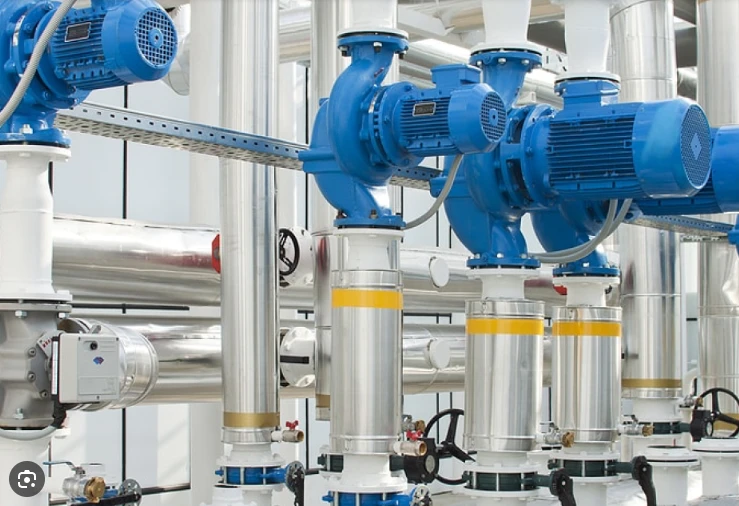
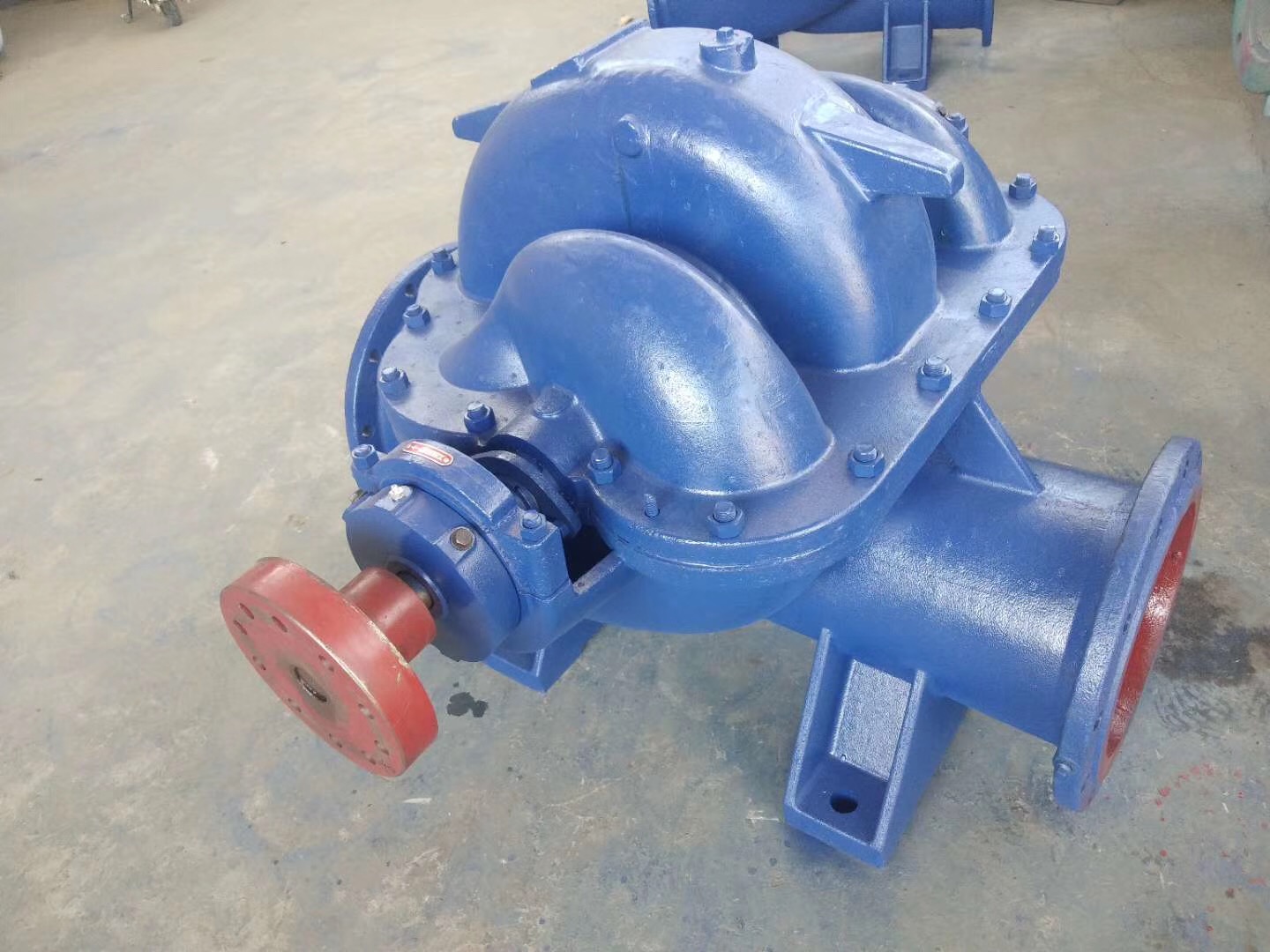
OEM high head slurry pumps are engineered for the demanding task of transporting abrasive, highly concentrated slurries over significant vertical distances. Positioned within the mining, dredging, and heavy industrial sectors, these pumps represent a critical component in process efficiency and operational reliability. Unlike centrifugal pumps optimized for low-head, high-volume applications, high head slurry pumps prioritize overcoming gravitational forces to lift dense media. Core performance characteristics hinge upon impeller design, material selection for abrasion resistance, and hydraulic efficiency in managing solids concentration. The industry faces consistent challenges regarding pump wear, energy consumption, and maintaining consistent performance under varying slurry conditions. These pumps typically utilize positive displacement principles or specialized impeller designs to generate the requisite head, often exceeding 100 meters, while simultaneously handling a significant percentage of solids by volume. Selecting the optimal pump for a specific application requires a thorough understanding of slurry characteristics, flow rate requirements, and total dynamic head calculations.
Material Science & Manufacturing
The construction of high head slurry pumps necessitates materials with exceptional resistance to abrasion, corrosion, and erosion. Common wetted parts are fabricated from high-chromium cast irons (e.g., 27% Cr) offering excellent hardness and wear resistance against particle impact. Alternative materials, depending on the slurry composition, include ceramic alloys (e.g., alumina, silicon carbide) for extreme abrasion, duplex stainless steels (e.g., 2205, 2507) for enhanced corrosion resistance in aggressive chemical environments, and specialized polymer linings (e.g., polyurethane, rubber) for damping impact and reducing wear in applications with fine particle slurries. The impeller’s manufacturing process is critical; it commonly utilizes investment casting, enabling complex geometries optimized for hydraulic efficiency and solids handling. Casing materials typically employ ductile iron for its strength and pressure containment capabilities, often with a protective coating to enhance corrosion resistance. Shafts are manufactured from alloy steels, subjected to heat treatment to achieve high tensile strength and torsional rigidity. Key parameter control during manufacturing involves precise machining tolerances to ensure proper impeller-casing clearances, minimizing recirculation and maximizing efficiency. Welding procedures, where applicable, must adhere to stringent standards (AWS D1.1, ASME Section IX) to guarantee structural integrity and prevent weld defects. Non-destructive testing (NDT) methods like radiographic testing (RT) and ultrasonic testing (UT) are employed to verify weld quality and detect subsurface flaws. The hardness of critical wear components is rigorously controlled via Rockwell hardness testing to ensure compliance with specified wear resistance levels.
Performance & Engineering
Performance analysis of high head slurry pumps centers around hydraulic efficiency, net positive suction head required (NPSHr), and power consumption. Force analysis considers the hydrostatic pressure due to the slurry column, the dynamic pressure generated by the impeller, and the frictional losses within the pump and piping system. Cavitation is a significant concern, particularly at high heads and low flow rates; therefore, maintaining sufficient NPSHa (Net Positive Suction Head Available) is paramount. Pump curves, generated through rigorous hydraulic testing (ISO 9906), define the pump's head-capacity relationship, efficiency, and power requirements across a range of flow rates. Engineering considerations extend to impeller design—radial, axial, or mixed-flow impellers are selected based on the specific slurry characteristics and head-capacity requirements. Diffuser design plays a crucial role in converting kinetic energy into pressure energy efficiently. Environmental resistance encompasses factors such as temperature extremes, exposure to corrosive chemicals, and potential for external contamination. Compliance requirements include adherence to safety standards (e.g., ATEX for explosive environments), environmental regulations concerning noise emissions, and hydraulic performance standards specified by industry organizations. Proper piping design is critical to minimize pressure drop and prevent solids settling. Selecting appropriate pipe materials (e.g., abrasion-resistant alloys, lined steel) and ensuring adequate pipe diameter are essential. Furthermore, the pump’s mechanical seals are crucial for preventing leakage and maintaining efficiency; the selection of seal material (e.g., silicon carbide, tungsten carbide) is dictated by the slurry’s chemical composition and abrasive characteristics.
Technical Specifications
| Parameter | Unit | Typical Range (Small Pump) | Typical Range (Large Pump) |
|---|---|---|---|
| Maximum Head | m | 50-100 | 150-300+ |
| Flow Rate | m³/h | 10-50 | 100-500+ |
| Solids Handling Capacity | % by Weight | 20-40 | 30-60 |
| Slurry Specific Gravity | - | 1.2-1.8 | 1.5-2.5 |
| Impeller Material | - | High Chromium Cast Iron | High Chromium Cast Iron / Ceramic |
| Casing Material | - | Ductile Iron | Ductile Iron / Alloy Steel |
Failure Mode & Maintenance
Failure modes in high head slurry pumps are predominantly linked to abrasive wear, corrosion, and erosion. Fatigue cracking can occur in the impeller and shaft due to cyclical loading and stress concentration. Delamination of protective coatings (e.g., rubber linings) can expose the underlying metal to corrosive attack. Erosion occurs when high-velocity slurry particles impact pump components, gradually removing material. Oxidation and corrosion are accelerated in slurries containing chlorides, sulfates, or acidic/alkaline compounds. Regular maintenance is crucial to mitigate these failures. This includes routine visual inspections for wear, leakage, and corrosion; vibration analysis to detect bearing failures or impeller imbalance; and monitoring of pump performance parameters (e.g., flow rate, pressure, power consumption) to identify deviations from baseline values. Preventive maintenance procedures should involve periodic replacement of wear parts (e.g., impeller, liners, seals) based on service life calculations or condition monitoring data. Lubrication of bearings is essential to prevent overheating and failure. Proper alignment of the pump and motor is critical to minimize vibration and bearing wear. When a pump fails, a thorough failure analysis should be conducted to determine the root cause and prevent recurrence. This analysis may involve metallographic examination of failed components, chemical analysis of the slurry, and review of operating conditions. Furthermore, implementing a robust pump monitoring system, utilizing sensors for parameters like vibration, temperature, and pressure, can enable predictive maintenance and minimize unplanned downtime.
Industry FAQ
Q: What is the primary difference between a high head and a standard centrifugal slurry pump?
A: The key difference lies in the pump’s ability to generate head. Standard centrifugal slurry pumps are designed for lower heads and higher flow rates, suitable for moving slurries over shorter distances. High head pumps, conversely, are engineered to overcome significant vertical lift and maintain reasonable flow rates, requiring specialized impeller designs and more robust construction to handle the increased pressure.
Q: How does solids concentration affect pump selection and performance?
A: Higher solids concentrations increase slurry viscosity and abrasion, demanding pumps with larger clearances and more wear-resistant materials. Increased solids loading can reduce pump efficiency and increase power consumption. Pump selection must consider the particle size distribution and shape, as these factors influence wear rates and potential for clogging.
Q: What materials are most effective in resisting corrosion from acidic slurries?
A: Duplex stainless steels (2205, 2507) and high-alloy stainless steels (e.g., 904L) offer excellent corrosion resistance in acidic environments. Ceramic alloys, like silicon carbide, provide superior resistance to highly corrosive slurries but are generally more expensive. The specific material selection should be based on the exact chemical composition and concentration of the acid.
Q: What is NPSHr, and why is it critical to monitor?
A: Net Positive Suction Head Required (NPSHr) is the minimum absolute pressure required at the pump suction to prevent cavitation. If the available NPSHa (Net Positive Suction Head Available) is less than NPSHr, cavitation will occur, causing damage to the impeller and reducing pump performance. Monitoring NPSHa is essential to ensure reliable pump operation.
Q: What preventative maintenance practices are most important for extending pump life?
A: Regular visual inspections, vibration analysis, lubrication of bearings, and monitoring of pump performance parameters (flow, pressure, power) are crucial. Periodic replacement of wear parts based on service life or condition monitoring is also essential. Maintaining proper alignment between the pump and motor will minimize vibration and bearing wear.
Conclusion
OEM high head slurry pumps are complex systems demanding careful consideration of material science, hydraulic principles, and operational factors. Selecting the appropriate pump involves a thorough assessment of slurry characteristics, flow rate requirements, and total dynamic head. Proactive maintenance and rigorous monitoring are vital for maximizing pump life and minimizing downtime, ultimately contributing to increased efficiency and reduced operating costs within demanding industrial applications.
Future advancements in high head slurry pump technology are likely to focus on enhanced materials with improved wear resistance, optimized impeller designs for increased hydraulic efficiency, and the integration of intelligent monitoring systems for predictive maintenance. These innovations will enable more reliable and sustainable slurry handling solutions, addressing the evolving challenges faced by the mining, dredging, and heavy industrial sectors.
-
Comprehensive Guide to Waterproof ORings for Optimal Sealing Solutions
News2026-06-09
-
basement plumbing pump Performance Engineering
News2026-06-14
-
water submersible pump Performance Engineering
News2026-06-14
-
Septic Systems with Pumps Performance Analysis
News2026-06-14
-
Septic Pump Systems Performance Analysis
News2026-06-14
-
septic ejector pump Material Science and Manufacturing
News2026-06-14
-
septic effluent pump Performance and Engineering
News2026-06-13
-
ejector sump pump Performance Engineering
News2026-06-13
-
Wastewater Pump Performance Analysis
News2026-06-13
-
waste water pumps Material Science Manufacturing
News2026-06-13
-
submersible sewage pumps Material Science Manufacturing
News2026-06-13
-
submersable pumps Performance Analysis
News2026-06-12
-
submerge pump Performance Analysis
News2026-06-12
-
Septic Tank Lift Pump Performance Analysis
News2026-06-12
-
Septic System Pump Replacement Performance Analysis
News2026-06-12




