English
- Afrikaans
- Albanian
- Amharic
- Arabic
- Armenian
- Azerbaijani
- Basque
- Belarusian
- Bengali
- Bosnian
- Bulgarian
- Catalan
- Cebuano
- Corsican
- Croatian
- Czech
- Danish
- Dutch
- English
- Esperanto
- Estonian
- Finnish
- French
- Frisian
- Galician
- Georgian
- German
- Greek
- Gujarati
- Haitian Creole
- hausa
- hawaiian
- Hebrew
- Hindi
- Miao
- Hungarian
- Icelandic
- igbo
- Indonesian
- irish
- Italian
- Japanese
- Javanese
- Kannada
- kazakh
- Khmer
- Rwandese
- Korean
- Kurdish
- Kyrgyz
- Lao
- Latin
- Latvian
- Lithuanian
- Luxembourgish
- Macedonian
- Malgashi
- Malay
- Malayalam
- Maltese
- Maori
- Marathi
- Mongolian
- Myanmar
- Nepali
- Norwegian
- Norwegian
- Occitan
- Pashto
- Persian
- Polish
- Portuguese
- Punjabi
- Romanian
- Russian
- Samoan
- Scottish Gaelic
- Serbian
- Sesotho
- Shona
- Sindhi
- Sinhala
- Slovak
- Slovenian
- Somali
- Spanish
- Sundanese
- Swahili
- Swedish
- Tagalog
- Tajik
- Tamil
- Tatar
- Telugu
- Thai
- Turkish
- Turkmen
- Ukrainian
- Urdu
- Uighur
- Uzbek
- Vietnamese
- Welsh
- Bantu
- Yiddish
- Yoruba
- Zulu

Telephone: +86 13120555503
Email: frank@cypump.com


Apr . 01, 2024 17:55 Back to list
oem high head slurry pump factory Performance Engineering
Introduction
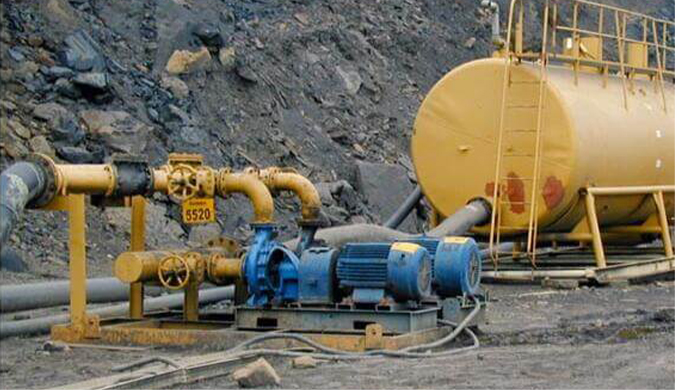
OEM high head slurry pumps are critical components in industries handling abrasive or corrosive fluids, notably mining, dredging, wastewater treatment, and heavy industrial processing. These pumps are specifically engineered to deliver high fluid heads—significant vertical lift—while efficiently conveying slurries containing solid particles. Positioned within the fluid handling chain, they act as the workhorse following initial solid-liquid separation or prior to further processing. Their core performance is defined by head pressure (measured in meters or feet), flow rate (m³/hr or GPM), solids handling capability (particle size and concentration), and abrasion resistance. The market demands pumps offering tailored solutions, justifying the rise of OEM manufacturers capable of customization to specific application requirements, moving beyond standardized models. The increasing need for efficient and reliable slurry transport, alongside tightening environmental regulations regarding waste management, drives ongoing innovation in pump design and materials science.
Material Science & Manufacturing
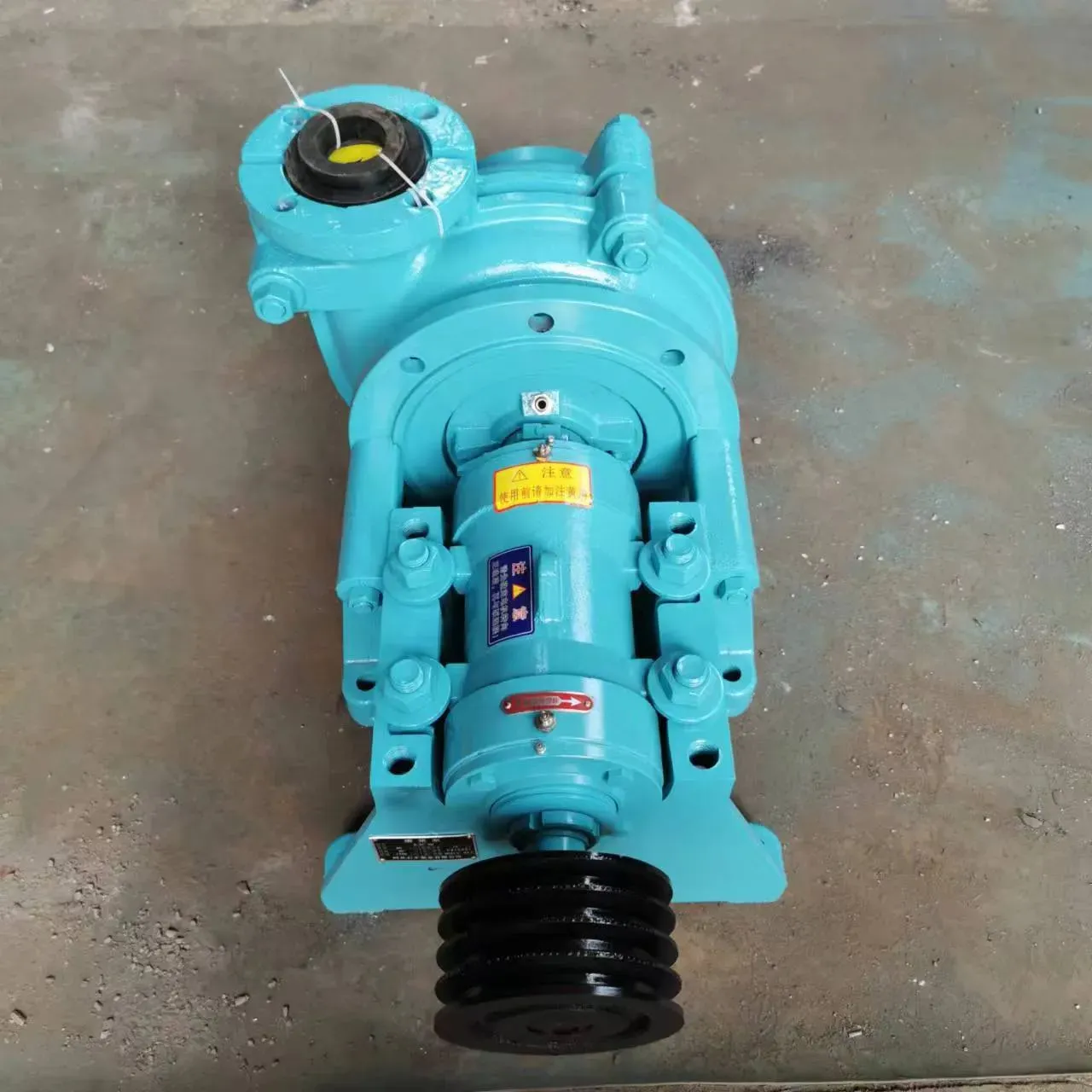
The construction of a high head slurry pump heavily relies on materials capable of withstanding severe abrasion, corrosion, and high pressures. Pump casings are frequently cast from high-chromium white iron alloys (typically 26-30% Cr), known for their exceptional wear resistance. Impellers and volute liners are also often manufactured from these alloys, though alternative materials like high-hardness nickel-iron alloys (Ni-Hard) or ceramic composites are deployed for highly abrasive applications. Shafts are typically forged from alloy steels (e.g., 4140, 4340) and subjected to heat treatment for enhanced tensile strength and toughness. Seals utilize materials like tungsten carbide or silicon carbide against hardened steel to prevent leakage and resist abrasive wear.
Manufacturing processes vary depending on component complexity. Casings are typically produced via sand casting, employing specialized techniques like lost foam casting for intricate geometries. Impellers can be cast, forged, or machined from solid stock. Welding is a critical process for joining components, requiring qualified welders and adherence to stringent welding procedures (e.g., SMAW, GMAW) to ensure joint integrity. Post-weld heat treatment (PWHT) is often necessary to relieve stress and improve material properties. For ceramic components, powder metallurgy and sintering are employed. Critical parameters controlled during manufacturing include casting shrinkage allowance, heat treatment temperatures and durations, weld penetration and quality, and dimensional accuracy verified through coordinate measuring machines (CMMs). The selection of appropriate non-destructive testing (NDT) methods, like radiographic testing (RT) and ultrasonic testing (UT), is paramount to ensure component integrity prior to assembly.
Performance & Engineering
The performance of a high head slurry pump is governed by hydraulic principles and the complex interaction between fluid flow and solid particle behavior. Key engineering considerations include pump head, flow rate, pump efficiency, net positive suction head required (NPSHr), and power consumption. Pump head is determined by the impeller diameter, rotational speed, and fluid velocity. Flow rate is directly proportional to impeller speed and discharge area. Efficiency is affected by hydraulic losses within the pump, including friction losses in the volute and impeller, and leakage losses. NPSHr is a critical parameter preventing cavitation, a phenomenon where vapor bubbles form and collapse, damaging the impeller.
Force analysis is crucial in pump design, focusing on stresses induced by internal pressure, fluid dynamic forces, and mechanical loads. Finite Element Analysis (FEA) is widely used to model stress distributions and optimize component geometry. Environmental resistance is another key factor. Pumps operating in corrosive environments must be constructed from corrosion-resistant materials or protected by coatings (e.g., epoxy, rubber linings). Pumps operating in extreme temperatures require materials with suitable thermal expansion characteristics. Compliance requirements vary by region. Pumps intended for use in hazardous areas must comply with ATEX or IECEx standards. Pump performance is often verified through hydraulic testing according to ISO 9906 standards. Proper pump selection requires detailed knowledge of the slurry characteristics (particle size distribution, solids concentration, specific gravity, viscosity, pH) and operating conditions (flow rate, head, temperature, pressure).
Technical Specifications
| Parameter | Unit | Typical Range | Material Options |
|---|---|---|---|
| Discharge Head | m | 20-200 | Cast Iron, High Chromium Alloy |
| Flow Rate | m³/hr | 5-500 | Dependent on Impeller Design |
| Maximum Solids Size | mm | 10-100 | Impeller Passage Width |
| Solids Concentration (by weight) | % | 10-60 | Pump Design & Slurry Characteristics |
| Power | kW | 2.2-300 | Dependent on Pump Size & Head |
| Operating Temperature | °C | -20 to 120 | Seal Material Compatibility |
Failure Mode & Maintenance
High head slurry pumps are susceptible to various failure modes. Abrasion is a primary concern, leading to impeller and casing wear, ultimately reducing pump performance. Corrosion can weaken pump components, particularly in acidic or alkaline slurries. Cavitation, as previously mentioned, causes impeller damage due to vapor bubble collapse. Mechanical failures, such as shaft breakage or bearing failure, can occur due to excessive loads or improper lubrication. Seal failures lead to leakage and potential contamination. Fatigue cracking can develop in highly stressed components over time. Delamination of protective coatings (e.g., rubber linings) reduces corrosion resistance. Oxidation can occur at high temperatures, accelerating material degradation.
Preventive maintenance is crucial to extending pump life and minimizing downtime. Regular inspections should include visual checks for wear, corrosion, and leakage. Impeller and casing wear should be monitored and components replaced when necessary. Bearing lubrication should be maintained according to manufacturer’s recommendations. Seal condition should be periodically inspected and seals replaced as needed. Pump alignment should be checked and corrected to minimize vibration. Slurry composition should be monitored to ensure compatibility with pump materials. Routine performance monitoring (e.g., head, flow rate, power consumption) can identify early signs of deterioration. Detailed maintenance logs should be maintained to track component replacement and repair history. Implementing a condition monitoring program utilizing vibration analysis and thermography can provide early warnings of potential failures.
Industry FAQ
Q: What is the impact of slurry particle size distribution on pump selection?
A: Particle size distribution directly affects pump wear rates and the required impeller design. A broader particle size distribution, particularly with larger particles, increases abrasive wear. Pumps handling slurries with large particles require larger impeller passages and more wear-resistant materials. Finer particles can contribute to increased turbulence and hydraulic losses, impacting pump efficiency.
Q: How does the slurry’s specific gravity affect pump performance?
A: Higher slurry specific gravity increases the hydraulic load on the pump, requiring more power to achieve the desired head and flow rate. The pump’s motor must be adequately sized to handle the increased load. Selecting a pump designed for high specific gravity applications is essential.
Q: What are the key considerations when selecting seal materials for corrosive slurries?
A: Seal material compatibility with the slurry’s chemical composition is paramount. Materials like silicon carbide, tungsten carbide, and specialized polymers are commonly used for corrosive applications. The pH of the slurry and the presence of specific corrosive agents (e.g., acids, chlorides) must be considered when selecting the seal material. Double mechanical seals with a barrier fluid are often employed for highly corrosive slurries.
Q: How can cavitation be prevented in high head slurry pumps?
A: Cavitation is prevented by ensuring adequate NPSH available (NPSHa) exceeds the NPSHr. This can be achieved by optimizing suction piping design, minimizing suction lift, increasing suction pressure, and reducing fluid temperature. Proper pump selection and operating within the pump’s design parameters are also crucial.
Q: What is the role of pump speed in controlling wear rates?
A: Lower pump speeds generally reduce wear rates, as they decrease the relative velocity between the slurry particles and pump components. However, reducing pump speed also reduces flow rate. Therefore, pump speed optimization involves balancing wear considerations with flow rate requirements. Variable Frequency Drives (VFDs) allow for precise speed control and optimization.
Conclusion
OEM high head slurry pumps represent a complex intersection of materials science, hydraulic engineering, and application-specific design. Their selection and maintenance demand a thorough understanding of slurry characteristics, operating conditions, and potential failure modes. The longevity and efficiency of these pumps are inextricably linked to the correct material selection, meticulous manufacturing processes, and a robust preventive maintenance program.
Ongoing advancements in pump design, materials (such as advanced ceramics and polymers), and monitoring technologies continue to enhance performance and reliability. Future trends will likely focus on developing pumps with improved abrasion resistance, reduced energy consumption, and enhanced remote monitoring capabilities, ultimately contributing to more sustainable and cost-effective slurry handling solutions.
-
Comprehensive Guide to Waterproof ORings for Optimal Sealing Solutions
News2026-06-09
-
basement plumbing pump Performance Engineering
News2026-06-14
-
water submersible pump Performance Engineering
News2026-06-14
-
Septic Systems with Pumps Performance Analysis
News2026-06-14
-
Septic Pump Systems Performance Analysis
News2026-06-14
-
septic ejector pump Material Science and Manufacturing
News2026-06-14
-
septic effluent pump Performance and Engineering
News2026-06-13
-
ejector sump pump Performance Engineering
News2026-06-13
-
Wastewater Pump Performance Analysis
News2026-06-13
-
waste water pumps Material Science Manufacturing
News2026-06-13
-
submersible sewage pumps Material Science Manufacturing
News2026-06-13
-
submersable pumps Performance Analysis
News2026-06-12
-
submerge pump Performance Analysis
News2026-06-12
-
Septic Tank Lift Pump Performance Analysis
News2026-06-12
-
Septic System Pump Replacement Performance Analysis
News2026-06-12




