English
- Afrikaans
- Albanian
- Amharic
- Arabic
- Armenian
- Azerbaijani
- Basque
- Belarusian
- Bengali
- Bosnian
- Bulgarian
- Catalan
- Cebuano
- Corsican
- Croatian
- Czech
- Danish
- Dutch
- English
- Esperanto
- Estonian
- Finnish
- French
- Frisian
- Galician
- Georgian
- German
- Greek
- Gujarati
- Haitian Creole
- hausa
- hawaiian
- Hebrew
- Hindi
- Miao
- Hungarian
- Icelandic
- igbo
- Indonesian
- irish
- Italian
- Japanese
- Javanese
- Kannada
- kazakh
- Khmer
- Rwandese
- Korean
- Kurdish
- Kyrgyz
- Lao
- Latin
- Latvian
- Lithuanian
- Luxembourgish
- Macedonian
- Malgashi
- Malay
- Malayalam
- Maltese
- Maori
- Marathi
- Mongolian
- Myanmar
- Nepali
- Norwegian
- Norwegian
- Occitan
- Pashto
- Persian
- Polish
- Portuguese
- Punjabi
- Romanian
- Russian
- Samoan
- Scottish Gaelic
- Serbian
- Sesotho
- Shona
- Sindhi
- Sinhala
- Slovak
- Slovenian
- Somali
- Spanish
- Sundanese
- Swahili
- Swedish
- Tagalog
- Tajik
- Tamil
- Tatar
- Telugu
- Thai
- Turkish
- Turkmen
- Ukrainian
- Urdu
- Uighur
- Uzbek
- Vietnamese
- Welsh
- Bantu
- Yiddish
- Yoruba
- Zulu

Telephone: +86 13120555503
Email: frank@cypump.com


Apr . 01, 2024 17:55 Back to list
oem heavy duty slurry pump manufacturers Performance Analysis
Introduction
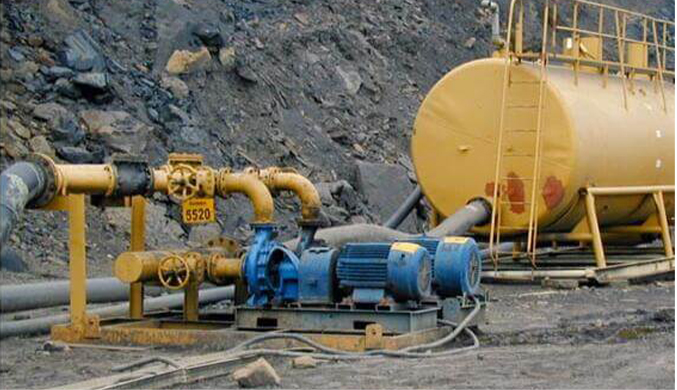
OEM heavy duty slurry pumps are critical components in a diverse array of industrial processes, primarily focused on the transportation of abrasive or highly viscous fluids. These pumps distinguish themselves from standard centrifugal pumps through specialized design features aimed at maximizing wear resistance and maintaining consistent performance in demanding applications. They are integral to industries including mining, mineral processing, dredging, wastewater treatment, and chemical processing, where continuous, reliable fluid handling is paramount. The technical position within the industrial chain places them as a core enabling technology – their efficiency and longevity directly impact the overall operational costs and productivity of client facilities. Core performance characteristics revolve around flow rate (typically measured in gallons per minute or cubic meters per hour), head (pressure generated, measured in feet or meters), solids handling capability (particle size and concentration), and materials of construction optimized for specific slurry compositions. A key pain point for end-users is balancing initial investment costs with long-term maintenance and replacement frequency, driving demand for robust designs and high-quality materials from OEM manufacturers.
Material Science & Manufacturing
The performance and lifespan of heavy duty slurry pumps are fundamentally linked to the material science employed in their construction. Impellers and volute casings are frequently constructed from high-chrome cast iron (typically 27-30% chromium content) due to its exceptional abrasion resistance. This alloy forms hard carbides during the casting process, providing superior resistance to erosion caused by solid particle impact. Alternative materials include nickel-hard alloys (containing nickel, chromium, and iron) for applications involving both abrasion and corrosion, and specialized stainless steel alloys (such as duplex stainless steels) for highly corrosive environments. Pump shafts are generally forged from alloy steels like 4140 or 4340, heat treated to achieve high tensile strength and torsional rigidity. Elastomeric liners, often made of natural or synthetic rubber, are utilized in pump casings and volutes to provide cushioning and reduce wear from slurry impact. Manufacturing processes critical to pump performance include: Casting (for impellers and casings, requiring precise mold design and controlled cooling rates to minimize defects); Welding (used for assembling pump casings and attaching wear plates, necessitating qualified welders and appropriate welding procedures to ensure structural integrity and prevent corrosion); Machining (for achieving tight tolerances on critical components like shafts and impeller runners, requiring CNC machining centers and rigorous quality control); and Rubber Molding (for producing elastomeric liners, demanding precise temperature and pressure control). Parameter control during manufacturing is paramount; for example, chrome carbide distribution in high-chrome iron castings must be uniform to maximize abrasion resistance, and weld seams must be free of porosity to prevent failure.
Performance & Engineering
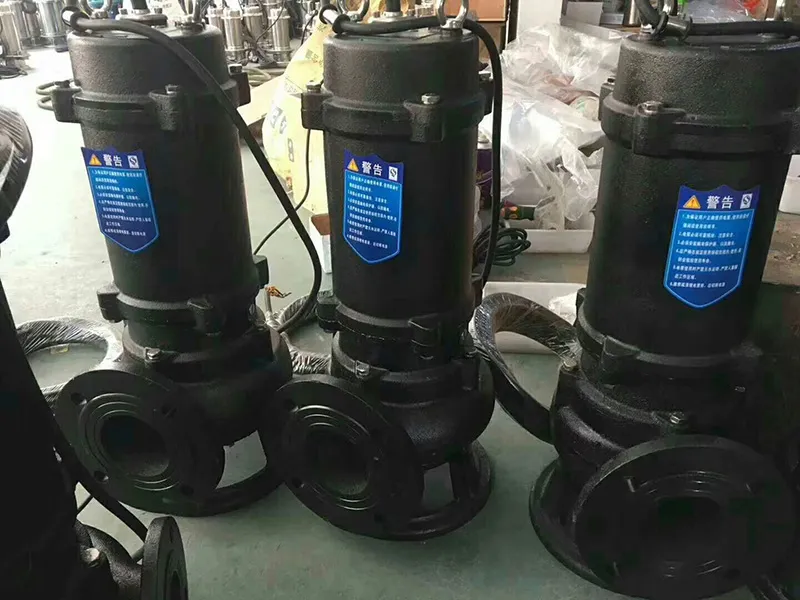
Slurry pump performance is heavily dictated by hydraulic design and mechanical engineering principles. Force analysis considers centrifugal forces generated by impeller rotation, hydrodynamic forces from slurry flow, and external forces from piping systems. Impeller design is crucial; the blade angle, width, and number directly impact pump head, flow rate, and efficiency. Cavitation, a major concern, occurs when slurry pressure drops below the liquid’s vapor pressure, forming vapor bubbles that collapse and damage the impeller. This is mitigated through careful impeller design and maintaining adequate Net Positive Suction Head Available (NPSHa) – a critical operating parameter. Environmental resistance is addressed through material selection; pumps operating in corrosive environments require chemically resistant coatings or specialized alloys. Compliance requirements vary by region but often include adherence to API 610 standards for centrifugal pumps (though often adapted for slurry applications), ISO 9001 for quality management systems, and potentially ATEX certification for pumps operating in potentially explosive atmospheres. The selection of appropriate sealing mechanisms (mechanical seals or packing glands) is vital for preventing leakage and ensuring environmental containment. Furthermore, the pump’s hydraulic efficiency is evaluated through pump curves, illustrating the relationship between flow rate, head, and power consumption, allowing for optimal motor sizing and system integration.
Technical Specifications
| Parameter | Unit | Typical Range (Heavy Duty Slurry Pump) | Industry Standard/Tolerance |
|---|---|---|---|
| Flow Rate | GPM (US) | 50 - 5000 | ±5% of rated capacity |
| Head | ft | 20 - 300 | ±10% of rated head |
| Solids Handling Size | in | 0.5 - 8 | Dependent on impeller design |
| Slurry Concentration (by weight) | % | Up to 70 | Material compatibility dependent |
| Pump Speed | RPM | 500 - 2000 | Electric motor speed dependent |
| Casing Material | - | High-Chrome Cast Iron, Ni-Hard, Stainless Steel | ASTM A532 (High-Chrome), ASTM A485 (Ni-Hard) |
Failure Mode & Maintenance
Heavy duty slurry pumps are susceptible to several failure modes. Erosion, caused by abrasive particles impacting pump components, is a primary concern, particularly affecting impellers and casings. Corrosion, resulting from chemical attack by the slurry, can weaken materials and lead to leaks or catastrophic failure. Fatigue cracking can occur in shafts and impellers due to cyclic loading. Mechanical seal failure results in leakage and potential contamination. Bearing failure, often caused by inadequate lubrication or contamination, can lead to pump seizure. Preventative maintenance is crucial and includes: regular visual inspections for wear and corrosion; vibration analysis to detect bearing issues; lubrication of bearings according to manufacturer’s specifications; replacement of wear liners and impellers based on operating hours and wear rates; and monitoring of pump performance parameters (flow rate, head, power consumption) to identify deviations from baseline values. Failure analysis involves metallurgical examination of failed components to determine the root cause of failure (e.g., erosion, corrosion, fatigue) and implement corrective actions. Implementing a robust condition monitoring program utilizing sensors and data analytics can proactively identify potential failures and optimize maintenance schedules, minimizing downtime and reducing overall life cycle costs.
Industry FAQ
Q: What is the primary difference between a standard centrifugal pump and a heavy-duty slurry pump?
A: Standard centrifugal pumps are designed for relatively clean fluids with low solids content. Heavy-duty slurry pumps incorporate features like hardened materials, larger clearances, and robust designs to handle abrasive and erosive slurries without rapid degradation. The impeller and casing designs are specifically optimized to resist wear and maintain hydraulic efficiency in the presence of solids.
Q: How do you select the appropriate material for a slurry pump based on the slurry composition?
A: The slurry composition dictates material selection. High-chrome cast iron is suitable for abrasive slurries with minimal corrosive components. Ni-Hard alloys are used for slurries with both abrasive and corrosive properties. Stainless steels, particularly duplex stainless steels, are necessary for highly corrosive slurries. A chemical compatibility chart should be consulted to ensure the material can withstand the slurry's chemical attack.
Q: What is NPSHa and why is it critical for slurry pump operation?
A: NPSHa (Net Positive Suction Head Available) is the absolute pressure at the pump suction, minus the vapor pressure of the liquid. It must exceed the NPSHr (Net Positive Suction Head Required) of the pump to prevent cavitation. Insufficient NPSHa leads to vapor bubble formation, impeller damage, and reduced pump performance.
Q: How does impeller design affect the pump's solids handling capability?
A: Impeller design significantly impacts solids handling. Open impellers with large passages are better suited for handling large solids. Recessed impellers minimize wear by reducing the direct impact of solids on the impeller blades. The impeller’s vane angle and width influence its ability to generate sufficient head while minimizing clogging.
Q: What are the key considerations when specifying a mechanical seal for a slurry pump?
A: Mechanical seal selection requires considering slurry abrasiveness, corrosivity, temperature, and pressure. Hardened seal faces (e.g., silicon carbide) are needed for abrasive slurries. Seal materials compatible with the slurry's chemical composition are essential. Double mechanical seals with barrier fluid circulation are often used for highly abrasive or toxic slurries.
Conclusion
OEM heavy duty slurry pump selection and operation demands a rigorous understanding of material science, hydraulic principles, and operational conditions. Optimizing pump performance and longevity necessitates careful consideration of slurry composition, solids concentration, flow rate, and head requirements. Employing appropriate materials, adhering to stringent manufacturing standards, and implementing a proactive maintenance program are all crucial for maximizing return on investment and minimizing downtime.
Future trends in slurry pump technology are focused on improving energy efficiency through advanced impeller designs and variable frequency drives, developing more wear-resistant materials through nanotechnology, and incorporating predictive maintenance capabilities through sensor integration and data analytics. Continued innovation in these areas will further enhance the reliability and cost-effectiveness of slurry pumping systems.
-
Comprehensive Guide to Waterproof ORings for Optimal Sealing Solutions
News2026-06-09
-
septic effluent pump Performance and Engineering
News2026-06-13
-
ejector sump pump Performance Engineering
News2026-06-13
-
Wastewater Pump Performance Analysis
News2026-06-13
-
waste water pumps Material Science Manufacturing
News2026-06-13
-
submersible sewage pumps Material Science Manufacturing
News2026-06-13
-
submersable pumps Performance Analysis
News2026-06-12
-
submerge pump Performance Analysis
News2026-06-12
-
Septic Tank Lift Pump Performance Analysis
News2026-06-12
-
Septic System Pump Replacement Performance Analysis
News2026-06-12
-
Septic Pumps Cost Performance Analysis
News2026-06-12
-
best sewage ejector pump Performance Engineering
News2026-06-11
-
aerobic septic system pump Performance Analysis
News2026-06-11
-
Sumergible Pump Performance Analysis
News2026-06-11
-
ejector pump for basement Performance Engineering
News2026-06-11




