English
- Afrikaans
- Albanian
- Amharic
- Arabic
- Armenian
- Azerbaijani
- Basque
- Belarusian
- Bengali
- Bosnian
- Bulgarian
- Catalan
- Cebuano
- Corsican
- Croatian
- Czech
- Danish
- Dutch
- English
- Esperanto
- Estonian
- Finnish
- French
- Frisian
- Galician
- Georgian
- German
- Greek
- Gujarati
- Haitian Creole
- hausa
- hawaiian
- Hebrew
- Hindi
- Miao
- Hungarian
- Icelandic
- igbo
- Indonesian
- irish
- Italian
- Japanese
- Javanese
- Kannada
- kazakh
- Khmer
- Rwandese
- Korean
- Kurdish
- Kyrgyz
- Lao
- Latin
- Latvian
- Lithuanian
- Luxembourgish
- Macedonian
- Malgashi
- Malay
- Malayalam
- Maltese
- Maori
- Marathi
- Mongolian
- Myanmar
- Nepali
- Norwegian
- Norwegian
- Occitan
- Pashto
- Persian
- Polish
- Portuguese
- Punjabi
- Romanian
- Russian
- Samoan
- Scottish Gaelic
- Serbian
- Sesotho
- Shona
- Sindhi
- Sinhala
- Slovak
- Slovenian
- Somali
- Spanish
- Sundanese
- Swahili
- Swedish
- Tagalog
- Tajik
- Tamil
- Tatar
- Telugu
- Thai
- Turkish
- Turkmen
- Ukrainian
- Urdu
- Uighur
- Uzbek
- Vietnamese
- Welsh
- Bantu
- Yiddish
- Yoruba
- Zulu

Telephone: +86 13120555503
Email: frank@cypump.com


Apr . 01, 2024 17:55 Back to list
oem heavy duty slurry pump factory Performance Analysis
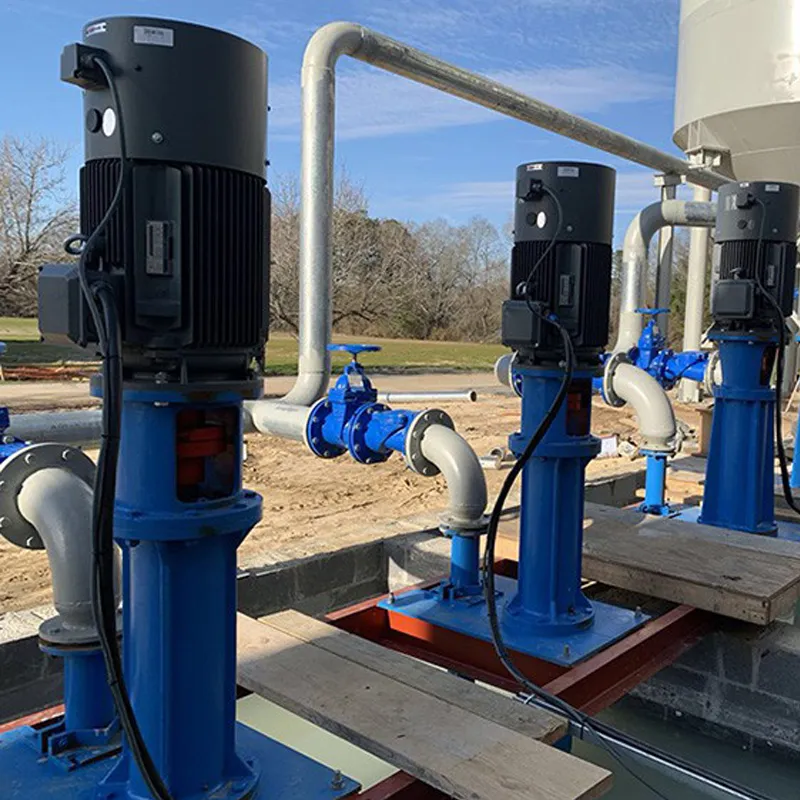
Introduction
Heavy duty slurry pumps are critical components in numerous industrial processes, including mining, wastewater treatment, chemical processing, and dredging. OEM (Original Equipment Manufacturer) slurry pump factories serve a crucial role in supplying these pumps, often specializing in customization to meet the specific demands of diverse applications. These pumps are designed to transport abrasive, corrosive, and high-solids content fluids – tasks conventional pumps cannot reliably handle. Their performance is dictated by materials science, hydraulic design, and robust mechanical construction. The core performance characteristics center around flow rate, head pressure, solids handling capability, and wear resistance. The selection and maintenance of these pumps directly impact operational efficiency, downtime costs, and overall system reliability. This guide provides an in-depth analysis of slurry pump technology, covering material selection, manufacturing processes, performance parameters, failure modes, and relevant industry standards.
Material Science & Manufacturing
Slurry pump construction demands materials capable of withstanding severe abrasion and corrosion. Common materials include high-chromium cast iron (typically 15-30% Cr) for impellers and liners, offering excellent abrasion resistance. Pump casings are frequently constructed from ductile iron (ASTM A536 Grade 65-45-12) due to its strength and impact resistance. For highly corrosive environments, stainless steel alloys (304, 316, duplex stainless steels) and specialized polymer coatings are employed. Elastomeric linings, such as natural rubber or synthetic rubber, provide protection against abrasion and corrosion in specific applications. The manufacturing process typically involves several stages: pattern making for castings, sand casting, heat treatment to optimize material properties, machining to precise tolerances, and assembly. Welding processes, such as submerged arc welding (SAW) and gas tungsten arc welding (GTAW), are critical for joining pump components. Critical parameter control during casting includes sand composition, pouring temperature, and cooling rate. Machining tolerances are tightly controlled to ensure proper impeller-casing clearances and seal performance. Non-destructive testing (NDT) methods, including radiographic inspection and ultrasonic testing, are routinely used to verify weld integrity and detect material flaws. The choice of sealing materials (e.g., mechanical seals, packing) is crucial for preventing leakage and ensuring reliable operation. Material hardness is a key factor, typically measured using Rockwell hardness testing (HRC) or Vickers hardness testing (HV).
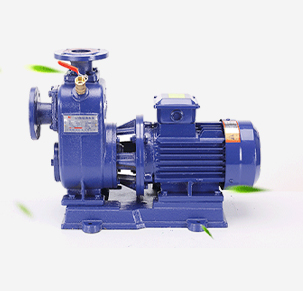
Performance & Engineering
The performance of a slurry pump is characterized by its pump curve, which plots flow rate versus head pressure. Key engineering considerations include hydraulic efficiency, net positive suction head required (NPSHr), and power consumption. Impeller design plays a critical role in determining pump performance. Impeller geometry (e.g., open, semi-open, closed) affects solids handling capability and efficiency. Volute casing design influences flow velocity and pressure distribution. Force analysis is essential to ensure structural integrity under operating conditions. Pumps are subject to hydraulic forces, centrifugal forces, and bending moments. Finite element analysis (FEA) is often used to simulate stress distributions and optimize pump design. Environmental resistance is crucial in many applications. Pumps operating in harsh environments must be protected against corrosion, erosion, and temperature extremes. Compliance requirements vary depending on the industry and region. For example, pumps used in the food processing industry must meet sanitary standards (3-A Sanitary Standards). Pumps used in hazardous locations must comply with ATEX or IECEx standards. Pump selection involves careful consideration of slurry properties, including solids concentration, particle size distribution, and slurry density. Pump sizing calculations must account for friction losses in the piping system. Regular monitoring of pump performance parameters (e.g., flow rate, pressure, power consumption) is essential for detecting early signs of degradation and preventing failures.
Technical Specifications
| Parameter | Unit | Typical Value (Centrifugal Slurry Pump) | Typical Value (Positive Displacement Slurry Pump) |
|---|---|---|---|
| Flow Rate | m³/h | 5 - 500 | 1 – 100 |
| Head Pressure | m | 10 – 80 | 20 – 200 |
| Maximum Solids Size | mm | Up to 75 | Up to 50 |
| Solids Concentration (Max) | % by weight | Up to 70 | Up to 80 |
| Pump Material (Casing) | - | Ductile Iron (A536 65-45-12) | Stainless Steel (316) |
| Pump Material (Impeller) | - | High Chrome Cast Iron | Rubber-lined Steel |
Failure Mode & Maintenance
Slurry pump failures commonly arise from abrasive wear, erosion, corrosion, and mechanical fatigue. Abrasive wear occurs when solid particles impact pump components, gradually removing material. Erosion is accelerated by high flow velocities and turbulent flow. Corrosion is caused by chemical reactions between the slurry and pump materials. Fatigue cracking can occur in pump shafts, impellers, and casings due to cyclic loading. Cavitation, the formation and collapse of vapor bubbles, can cause severe erosion damage. Failure analysis often involves metallographic examination, fracture surface analysis, and chemical composition analysis. Preventive maintenance is crucial for extending pump life and reducing downtime. Regular inspections should be conducted to check for wear, corrosion, and leakage. Impeller and liner replacement is a common maintenance task. Bearing lubrication is essential for preventing bearing failures. Seal replacement is necessary to maintain leak-free operation. Proper pump alignment is critical for minimizing vibration and extending bearing life. Regular monitoring of pump vibration levels can provide early warning of potential problems. Periodic performance testing should be conducted to verify pump efficiency and identify any performance degradation. Proper slurry handling procedures (e.g., minimizing solids concentration, controlling flow velocity) can help reduce wear and erosion.
Industry FAQ
Q: What is the impact of slurry particle size on pump selection?
A: Larger particle sizes necessitate the use of pumps with larger impeller passages and greater solids handling capabilities. Pumps with open or semi-open impellers are preferred for handling large particles. Smaller particles, while less abrasive individually, can contribute to increased wear over time due to their sheer number.
Q: How do different impeller types affect pump performance and efficiency?
A: Closed impellers generally offer higher efficiency for clean fluids, but are less suitable for slurries. Open impellers excel at handling slurries with high solids content but have lower efficiency. Semi-open impellers provide a compromise between efficiency and solids handling capability.
Q: What materials are best suited for pumps handling highly corrosive slurries?
A: Stainless steel alloys (316, duplex stainless steel) and specialized polymer coatings are commonly used for corrosive slurries. The specific material selection depends on the chemical composition of the slurry and the operating temperature.
Q: What are the key considerations for pump seal selection in abrasive slurry applications?
A: Mechanical seals with hardened faces (e.g., silicon carbide, tungsten carbide) are preferred for abrasive slurries. Double mechanical seals with a barrier fluid provide enhanced protection against abrasive particles and leakage.
Q: How important is NPSHr in slurry pump applications and what issues arise if it's not met?
A: NPSHr (Net Positive Suction Head Required) is critical. If the available NPSH is less than the required NPSHr, cavitation will occur, leading to impeller damage, reduced pump efficiency, and premature failure. Proper system design and pump placement are vital to ensure adequate NPSH.
Conclusion
OEM heavy duty slurry pumps represent a sophisticated integration of materials science, hydraulic engineering, and mechanical design. Selecting the appropriate pump for a specific application requires careful consideration of slurry properties, operating conditions, and regulatory requirements. Understanding the common failure modes and implementing a robust preventive maintenance program are essential for maximizing pump life and minimizing operational costs. The continued advancement of materials, such as high-chromium alloys and specialized polymers, coupled with improved impeller designs and sealing technologies, will further enhance the performance and reliability of slurry pumps.
Future development will focus on predictive maintenance strategies utilizing sensor data and machine learning algorithms to anticipate failures before they occur. This will lead to optimized maintenance schedules and reduced downtime. Further research into abrasion-resistant coatings and advanced materials will further extend pump lifespan in demanding applications. The growing emphasis on sustainability will drive the development of more energy-efficient slurry pump designs, contributing to reduced environmental impact.
-
Comprehensive Guide to Waterproof ORings for Optimal Sealing Solutions
News2026-06-09
-
septic effluent pump Performance and Engineering
News2026-06-13
-
ejector sump pump Performance Engineering
News2026-06-13
-
Wastewater Pump Performance Analysis
News2026-06-13
-
waste water pumps Material Science Manufacturing
News2026-06-13
-
submersible sewage pumps Material Science Manufacturing
News2026-06-13
-
submersable pumps Performance Analysis
News2026-06-12
-
submerge pump Performance Analysis
News2026-06-12
-
Septic Tank Lift Pump Performance Analysis
News2026-06-12
-
Septic System Pump Replacement Performance Analysis
News2026-06-12
-
Septic Pumps Cost Performance Analysis
News2026-06-12
-
best sewage ejector pump Performance Engineering
News2026-06-11
-
aerobic septic system pump Performance Analysis
News2026-06-11
-
Sumergible Pump Performance Analysis
News2026-06-11
-
ejector pump for basement Performance Engineering
News2026-06-11




