English
- Afrikaans
- Albanian
- Amharic
- Arabic
- Armenian
- Azerbaijani
- Basque
- Belarusian
- Bengali
- Bosnian
- Bulgarian
- Catalan
- Cebuano
- Corsican
- Croatian
- Czech
- Danish
- Dutch
- English
- Esperanto
- Estonian
- Finnish
- French
- Frisian
- Galician
- Georgian
- German
- Greek
- Gujarati
- Haitian Creole
- hausa
- hawaiian
- Hebrew
- Hindi
- Miao
- Hungarian
- Icelandic
- igbo
- Indonesian
- irish
- Italian
- Japanese
- Javanese
- Kannada
- kazakh
- Khmer
- Rwandese
- Korean
- Kurdish
- Kyrgyz
- Lao
- Latin
- Latvian
- Lithuanian
- Luxembourgish
- Macedonian
- Malgashi
- Malay
- Malayalam
- Maltese
- Maori
- Marathi
- Mongolian
- Myanmar
- Nepali
- Norwegian
- Norwegian
- Occitan
- Pashto
- Persian
- Polish
- Portuguese
- Punjabi
- Romanian
- Russian
- Samoan
- Scottish Gaelic
- Serbian
- Sesotho
- Shona
- Sindhi
- Sinhala
- Slovak
- Slovenian
- Somali
- Spanish
- Sundanese
- Swahili
- Swedish
- Tagalog
- Tajik
- Tamil
- Tatar
- Telugu
- Thai
- Turkish
- Turkmen
- Ukrainian
- Urdu
- Uighur
- Uzbek
- Vietnamese
- Welsh
- Bantu
- Yiddish
- Yoruba
- Zulu

Telephone: +86 13120555503
Email: frank@cypump.com


Apr . 01, 2024 17:55 Back to list
oem heavy duty slurry pump factories Performance Analysis

Introduction
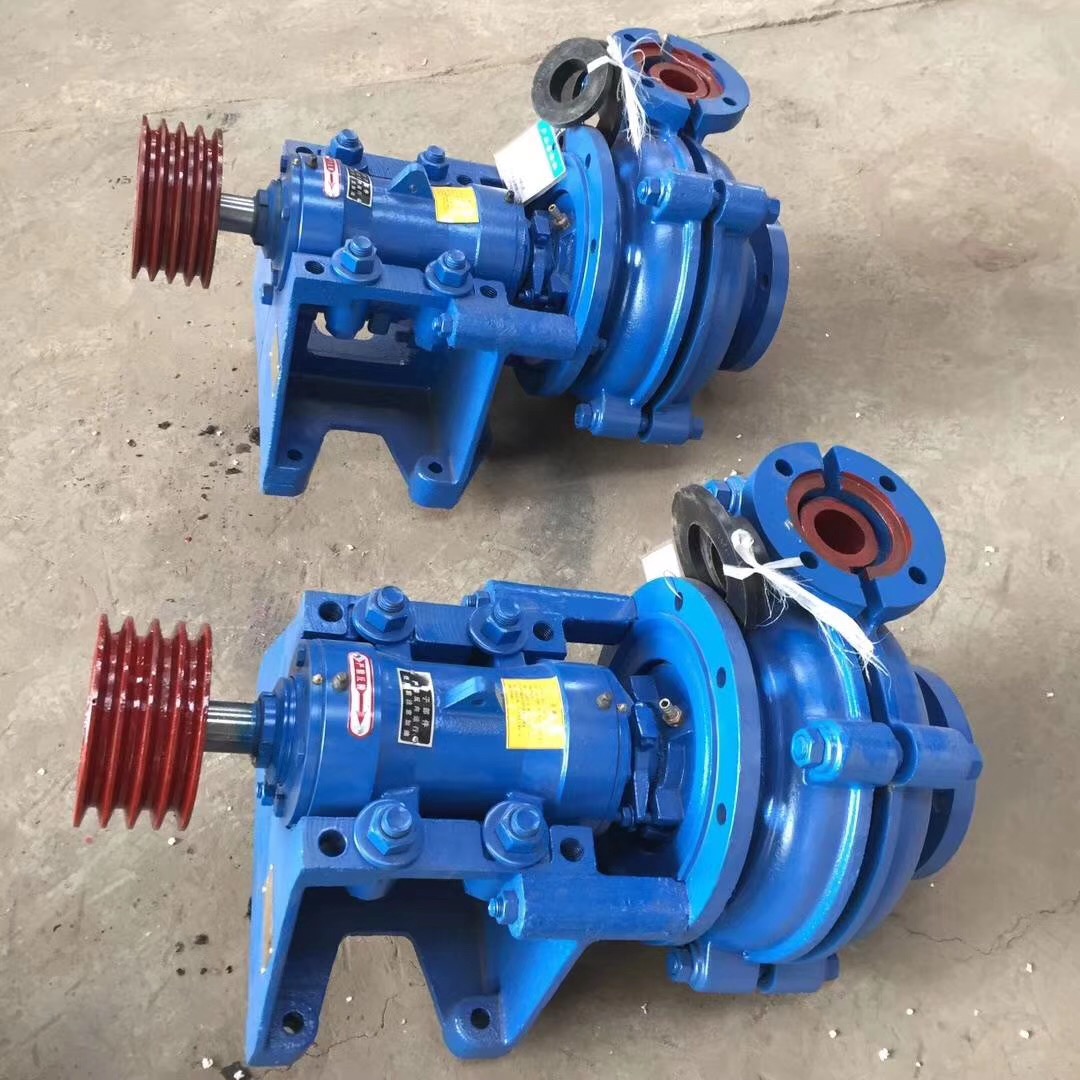
OEM heavy duty slurry pumps are critical components in numerous industrial processes, primarily responsible for the efficient and reliable transportation of abrasive and corrosive fluids. These pumps find extensive application in mining, dredging, wastewater treatment, chemical processing, and power generation. Their technical position within the industrial chain is as a vital enabling technology – process uptime and efficiency are directly contingent on pump performance. The core performance characteristics, distinguishing these pumps, are their ability to handle high solids concentrations, large particle sizes, and aggressive chemical environments, coupled with prolonged operational life in demanding conditions. The fundamental challenge in this sector is balancing abrasion resistance with hydraulic efficiency and maintaining manageable maintenance schedules. Modern slurry pump design focuses heavily on material selection, impeller geometry, and sealing technologies to mitigate these challenges. This guide provides an in-depth technical overview of OEM heavy duty slurry pumps, covering material science, manufacturing, performance engineering, failure modes, and maintenance best practices.
Material Science & Manufacturing
The performance and longevity of a heavy-duty slurry pump are heavily reliant on the materials used in its construction. Common materials include high-chromium cast irons (typically 27-30% Cr), offering excellent abrasion resistance, particularly effective against hard particles like sand and gravel. For highly corrosive environments, stainless steels (304, 316, duplex stainless steels) and specialized alloys (Hastelloy, nickel-based alloys) are employed. Elastomeric liners, often made of natural or synthetic rubbers, are utilized to protect pump casings from corrosion and impact damage. The impeller, the most stressed component, is frequently manufactured using high-chromium cast iron or hardened stainless steel, with profiles optimized for hydraulic efficiency and solids handling. Manufacturing processes are equally crucial. Pump casings are typically produced via sand casting, shell molding, or investment casting, influencing the quality and surface finish. Impellers are often manufactured using centrifugal casting or investment casting for complex geometries. Welding processes, such as submerged arc welding (SAW) and shielded metal arc welding (SMAW), are critical for joining components, demanding stringent quality control to prevent defects like porosity and cracking. Post-weld heat treatment (PWHT) is frequently implemented to relieve residual stresses. Parameter control during manufacturing is paramount. This includes precisely controlling the chemical composition of alloys, the cooling rate of castings to optimize microstructure, and the welding parameters to ensure sound weld integrity. Hardness testing, microstructure analysis, and non-destructive testing (NDT) – radiography, ultrasonic testing, and liquid penetrant inspection – are employed to verify material properties and weld quality.
Performance & Engineering
The performance of a slurry pump is characterized by its head-capacity curve, efficiency, and Net Positive Suction Head Required (NPSHr). The head-capacity curve defines the pump’s ability to deliver flow at a given pressure. Efficiency dictates the pump’s energy consumption. NPSHr is a critical parameter to prevent cavitation, which can severely damage the impeller. Force analysis is central to pump design. Impellers experience significant centrifugal forces, requiring robust mechanical design and appropriate material selection. The casing must withstand internal pressure and external loads. Environmental resistance is another key consideration. Pumps operating in corrosive environments require materials resistant to chemical attack. Temperature extremes can affect material properties and sealing performance. Compliance requirements vary by region and application. For example, pumps used in the oil and gas industry must adhere to API 610 standards. Pumps handling abrasive slurries often require a wear allowance in their design. Functional implementation details include the selection of appropriate sealing systems (mechanical seals, packing glands) to prevent leakage and contamination. Pump performance is also influenced by the slurry’s properties: solids concentration, particle size distribution, and slurry viscosity. Computational Fluid Dynamics (CFD) modeling is extensively used to optimize impeller geometry and casing design for improved hydraulic efficiency and solids handling capabilities. Variable Frequency Drives (VFDs) are increasingly employed to control pump speed and optimize energy consumption based on varying process demands.
Technical Specifications
| Parameter | Unit | Typical Range (Heavy Duty Slurry Pump) | Industry Standard/Tolerance |
|---|---|---|---|
| Flow Rate | m³/h | 50 – 1500 | ISO 9906:2012 (Accuracy ±5%) |
| Head | m | 10 – 120 | Hydraulic Institute Standards (±10%) |
| Solids Handling Size | mm | Up to 150 | Dependent on impeller design and application |
| Slurry Concentration (Max. Solids by Weight) | % | Up to 70 | Application Specific |
| Pump Speed | RPM | 500 – 3600 | Controlled by motor and VFD |
| Casing Material | - | High-Chromium Cast Iron, Stainless Steel | ASTM A532 (for Ductile Iron), ASTM A743 (for Cast Steel) |
Failure Mode & Maintenance
Slurry pump failures typically stem from abrasion, corrosion, erosion, and cavitation. Abrasion is the most common failure mode, resulting in impeller wear and casing erosion, particularly when handling hard particles. Corrosion occurs when the pump handles chemically aggressive fluids, leading to material degradation. Erosion is a combined effect of abrasion and corrosion, accelerating material loss. Cavitation arises from low NPSHa conditions, causing vapor bubble formation and subsequent implosion, damaging the impeller. Fatigue cracking can occur in pump shafts and casings due to cyclic loading. Delamination of elastomeric liners is another potential failure mode, particularly under high stress and temperature. Oxidation of metallic components can lead to material embrittlement. Preventive maintenance is crucial. This includes regular visual inspections for wear and corrosion, monitoring pump vibration to detect bearing failures, lubricating bearings according to manufacturer’s recommendations, and checking seal integrity. Impeller and casing replacement are inevitable, with frequency dependent on the severity of the application. Wear protection strategies, such as applying hardfacing materials to wear surfaces, can extend component life. Periodic impeller rebalancing is essential to minimize vibration. Proper slurry preparation (screening, desanding) can reduce abrasive wear. Implementing a robust condition monitoring program, utilizing sensors and data analytics, can provide early warning of potential failures and optimize maintenance schedules. Detailed failure analysis, including metallurgical examination of failed components, is vital to identify root causes and prevent recurrence.
Industry FAQ
Q: What is the primary difference between a centrifugal slurry pump and a positive displacement slurry pump, and when would you choose one over the other?
A: Centrifugal slurry pumps are best suited for high-flow, low-to-medium head applications with relatively low solids concentrations. They're more economical for large-volume transfer. Positive displacement pumps (e.g., progressing cavity pumps, diaphragm pumps) excel in low-flow, high-head applications and can handle very high solids concentrations and viscous slurries. Positive displacement pumps offer more consistent flow regardless of pressure variations but are generally more expensive and require more maintenance.
Q: How does impeller design impact the performance and wear life of a slurry pump?
A: Impeller design profoundly impacts both. A larger impeller diameter increases head but reduces efficiency. Vane angle influences flow characteristics and solids handling capability. Impellers with open or semi-open designs are preferred for abrasive slurries to minimize clogging. The impeller’s material composition and hardness are critical for abrasion resistance. Impeller geometry also dictates the turbulence within the pump, influencing erosion rates.
Q: What are the key considerations when selecting a slurry pump for a highly corrosive application?
A: Material selection is paramount. Stainless steels (specifically duplex stainless steels), Hastelloy, and other nickel-based alloys offer superior corrosion resistance. The pump’s sealing system must also be compatible with the corrosive fluid. Regular inspection for corrosion is essential, and a corrosion allowance should be incorporated into the pump’s design.
Q: What is NPSHr, and why is it critical to avoid cavitation?
A: NPSHr (Net Positive Suction Head Required) is the minimum pressure required at the pump suction to prevent the liquid from vaporizing and forming bubbles. Cavitation occurs when the actual NPSHa (Net Positive Suction Head Available) is less than the NPSHr. Cavitation causes noise, vibration, impeller damage, and reduced pump performance. Maintaining adequate NPSHa is essential for reliable pump operation.
Q: How does a VFD (Variable Frequency Drive) contribute to energy savings in slurry pump applications?
A: VFDs allow precise control of pump speed, enabling the pump to operate at the optimal flow rate for the specific process demand. Reducing pump speed significantly reduces energy consumption, following the affinity laws. VFDs also minimize wear and tear on the pump by reducing starts and stops and controlling torque.
Conclusion
OEM heavy duty slurry pumps represent a sophisticated technology demanding meticulous consideration of material science, manufacturing processes, and operational parameters. The selection of appropriate materials, coupled with rigorous quality control during manufacturing, is paramount to ensuring longevity and reliability in abrasive and corrosive environments. Understanding the interplay between pump performance characteristics – flow rate, head, efficiency, and NPSHr – is crucial for optimizing system design and preventing failures.
Proactive maintenance strategies, encompassing regular inspections, lubrication, and condition monitoring, are essential for maximizing pump uptime and minimizing life-cycle costs. Furthermore, adherence to relevant industry standards (API, ISO, ASTM) and a thorough understanding of slurry properties are indispensable for successful pump operation. Advancements in pump design, such as optimized impeller geometries and the integration of VFDs, continue to drive improvements in energy efficiency and overall performance.
-
Comprehensive Guide to Waterproof ORings for Optimal Sealing Solutions
News2026-06-09
-
septic effluent pump Performance and Engineering
News2026-06-13
-
ejector sump pump Performance Engineering
News2026-06-13
-
Wastewater Pump Performance Analysis
News2026-06-13
-
waste water pumps Material Science Manufacturing
News2026-06-13
-
submersible sewage pumps Material Science Manufacturing
News2026-06-13
-
submersable pumps Performance Analysis
News2026-06-12
-
submerge pump Performance Analysis
News2026-06-12
-
Septic Tank Lift Pump Performance Analysis
News2026-06-12
-
Septic System Pump Replacement Performance Analysis
News2026-06-12
-
Septic Pumps Cost Performance Analysis
News2026-06-12
-
best sewage ejector pump Performance Engineering
News2026-06-11
-
aerobic septic system pump Performance Analysis
News2026-06-11
-
Sumergible Pump Performance Analysis
News2026-06-11
-
ejector pump for basement Performance Engineering
News2026-06-11




