English
- Afrikaans
- Albanian
- Amharic
- Arabic
- Armenian
- Azerbaijani
- Basque
- Belarusian
- Bengali
- Bosnian
- Bulgarian
- Catalan
- Cebuano
- Corsican
- Croatian
- Czech
- Danish
- Dutch
- English
- Esperanto
- Estonian
- Finnish
- French
- Frisian
- Galician
- Georgian
- German
- Greek
- Gujarati
- Haitian Creole
- hausa
- hawaiian
- Hebrew
- Hindi
- Miao
- Hungarian
- Icelandic
- igbo
- Indonesian
- irish
- Italian
- Japanese
- Javanese
- Kannada
- kazakh
- Khmer
- Rwandese
- Korean
- Kurdish
- Kyrgyz
- Lao
- Latin
- Latvian
- Lithuanian
- Luxembourgish
- Macedonian
- Malgashi
- Malay
- Malayalam
- Maltese
- Maori
- Marathi
- Mongolian
- Myanmar
- Nepali
- Norwegian
- Norwegian
- Occitan
- Pashto
- Persian
- Polish
- Portuguese
- Punjabi
- Romanian
- Russian
- Samoan
- Scottish Gaelic
- Serbian
- Sesotho
- Shona
- Sindhi
- Sinhala
- Slovak
- Slovenian
- Somali
- Spanish
- Sundanese
- Swahili
- Swedish
- Tagalog
- Tajik
- Tamil
- Tatar
- Telugu
- Thai
- Turkish
- Turkmen
- Ukrainian
- Urdu
- Uighur
- Uzbek
- Vietnamese
- Welsh
- Bantu
- Yiddish
- Yoruba
- Zulu

Telephone: +86 13120555503
Email: frank@cypump.com


Apr . 01, 2024 17:55 Back to list
oem atlantic slurry pump Performance and Engineering
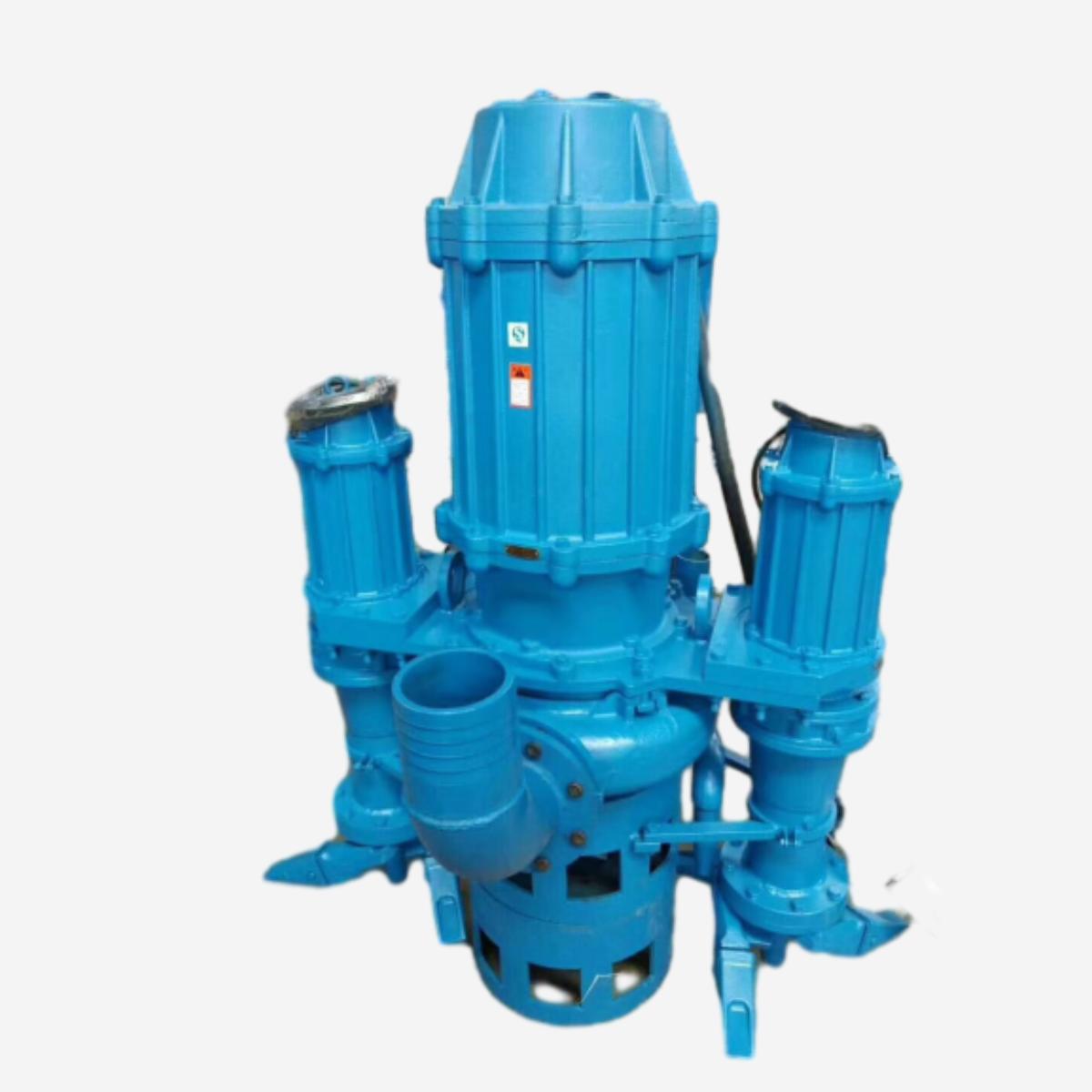
Introduction
OEM Atlantic slurry pumps are positive displacement pumps specifically designed for the demanding task of transporting abrasive and high-solids content slurries. Positioned within the mining, wastewater treatment, dredging, and chemical processing industries, these pumps represent a crucial component in material handling systems. Unlike centrifugal pumps which struggle with high solids concentration and abrasive materials, Atlantic slurry pumps utilize a rotating rotor and a stationary liner, creating progressively sized cavities that draw the slurry through the pump. Their core performance metrics center around flow rate, head pressure, solids handling capability, and resistance to abrasive wear. A critical pain point in these industries is pump downtime due to premature failure from erosion and corrosion. Atlantic slurry pumps address this by utilizing hardened metal alloys and carefully engineered geometries to maximize pump lifespan and reduce total cost of ownership. Their robust design and adaptability to varying slurry characteristics make them a preferred choice over alternative pumping solutions when dealing with challenging media.
Material Science & Manufacturing
The core material for Atlantic slurry pump construction is typically high-chromium cast iron (typically 27-30% Cr), chosen for its exceptional abrasion resistance. The chromium content forms hard carbides within the iron matrix, significantly increasing resistance to erosion. Alternative materials like high-speed steel (HSS), duplex stainless steel, and even ceramic liners are employed for particularly aggressive slurries containing highly corrosive or abrasive components. The manufacturing process begins with precise casting of the pump housing and liner. Critical parameters during casting include pouring temperature, cooling rate, and sand composition, all influencing the microstructure and hardness of the final component. Following casting, the housing undergoes machining to ensure dimensional accuracy and smooth surface finishes, reducing friction and minimizing slurry buildup. The rotor is often manufactured from a forged alloy steel, heat-treated to achieve high tensile strength and toughness. Rotor lobes are precisely machined, and dimensional tolerances are strictly controlled, as any deviation impacts pump performance and can lead to increased wear. The elastomeric components, frequently used as seals and liners in certain pump designs, are typically made of natural or synthetic rubber compounds (e.g., EPDM, neoprene), selected for their chemical compatibility with the slurry. Welding processes (SMAW, GTAW) are employed for joining components, with strict adherence to welding procedures and quality control to prevent defects that could compromise structural integrity. Non-destructive testing (NDT) methods, such as radiographic inspection (RT) and ultrasonic testing (UT), are routinely performed to verify weld quality.
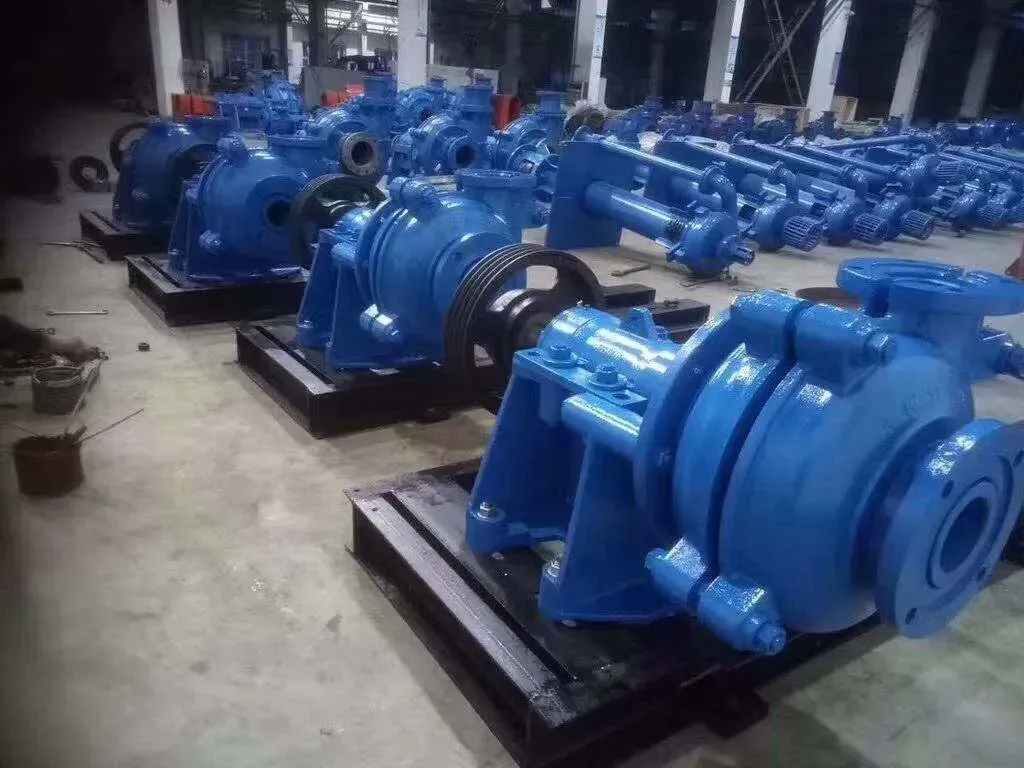
Performance & Engineering
The performance of an Atlantic slurry pump is governed by several key engineering principles. The pump's flow rate is directly proportional to rotor speed and the volume displaced per rotation. Head pressure is determined by the pump’s geometry, rotor speed, and the slurry’s density and viscosity. Force analysis focuses on the stresses generated within the pump components due to fluid pressure and the impact of abrasive particles. Finite Element Analysis (FEA) is commonly employed during the design phase to optimize component geometry and minimize stress concentrations. Environmental resistance is paramount, particularly in corrosive environments. Material selection and protective coatings are crucial to mitigate corrosion. Cavitation, while less common in positive displacement pumps compared to centrifugal pumps, can occur if the inlet pressure is too low, creating vapor bubbles that collapse and damage the pump. Maintaining adequate suction head is therefore vital. Compliance requirements vary depending on the application. Pumps used in potable water treatment plants must comply with NSF/ANSI 61 standards, ensuring materials do not leach harmful substances into the water. Pumps used in hazardous locations (e.g., oil and gas industry) must be certified to meet ATEX or IECEx standards, indicating they are designed to prevent ignition of flammable atmospheres. Pump selection also involves considering the slurry’s particle size distribution, solids concentration, and rheological properties. A high solids concentration will require a pump with larger clearances and a more robust rotor design.
Technical Specifications
| Parameter | Unit | Typical Range (Small Pump) | Typical Range (Large Pump) |
|---|---|---|---|
| Maximum Flow Rate | GPM (Gallons per Minute) | 0-150 | 200-1000 |
| Maximum Head | ft (Feet) | 0-100 | 100-300 |
| Maximum Solids Handling | in (Inches) | 0-2 | 2-6 |
| Maximum Solids Concentration | % by Weight | 0-50 | 50-80 |
| Drive Power | HP (Horsepower) | 1-10 | 20-150 |
| Pump Weight | lbs (Pounds) | 50-200 | 400-2000 |
Failure Mode & Maintenance
Atlantic slurry pump failures typically fall into several categories. Abrasive wear is the most common, particularly affecting the rotor, liner, and impeller. This manifests as a gradual reduction in pump performance due to increased clearances and reduced volumetric efficiency. Fatigue cracking can occur in components subjected to cyclical stress, such as the rotor and housing, especially if the pump is operating near its design limits. Corrosion, driven by the chemical composition of the slurry, can lead to pitting, erosion-corrosion, and ultimately, structural failure. Delamination of rubber liners can occur due to improper bonding or chemical attack. Seals are prone to wear and degradation, leading to leakage. Maintenance protocols are critical to preventing these failures. Regular visual inspections should be conducted to identify signs of wear, corrosion, or leakage. Periodic measurement of clearances and volumetric efficiency provides an early indication of component degradation. Lubrication of bearings and seals is essential. Scheduled replacement of wear parts, such as liners, rotors, and seals, based on operating hours and slurry characteristics, minimizes downtime. Proper alignment of the pump and drive motor is crucial to prevent excessive vibration and bearing wear. In the event of a failure, thorough failure analysis (including metallographic examination and chemical analysis) is recommended to determine the root cause and prevent recurrence.
Industry FAQ
Q: What differentiates an Atlantic slurry pump from a centrifugal pump when handling highly abrasive slurries?
A: Centrifugal pumps are susceptible to significant wear from abrasive particles due to the high velocities and turbulent flow within the impeller. Atlantic slurry pumps, being positive displacement, operate at lower velocities and utilize a more controlled flow pattern, minimizing abrasive wear. They also handle higher solids concentrations without performance degradation.
Q: How does the material selection impact the lifespan of an Atlantic slurry pump in a corrosive environment?
A: Material selection is paramount. Utilizing high-chromium cast iron, duplex stainless steel, or ceramic liners can significantly extend pump life in corrosive environments. Proper coatings can further enhance corrosion resistance. The specific material choice depends on the chemical composition and concentration of the corrosive agents in the slurry.
Q: What are the key indicators that an Atlantic slurry pump requires immediate maintenance?
A: Key indicators include a noticeable decrease in flow rate or head pressure, increased power consumption, excessive vibration, unusual noises (e.g., grinding or knocking), and any visible signs of leakage. Regular monitoring of these parameters is crucial.
Q: What considerations should be made when selecting a pump for a slurry with a high solids concentration?
A: For high solids concentration slurries, a pump with larger clearances between the rotor and liner is necessary to prevent clogging. The rotor design should also be robust enough to handle the increased load from the solids. Consider a pump specifically designed for high solids applications, such as a progressing cavity pump or a peristaltic pump, if the abrasive nature of the slurry is minimal.
Q: How important is proper pump alignment, and what are the consequences of misalignment?
A: Proper pump alignment is critically important. Misalignment leads to excessive vibration, bearing wear, seal failure, and potential damage to the pump housing and drive motor. It can significantly reduce pump lifespan and increase maintenance costs. Regular alignment checks and adjustments are essential.
Conclusion
OEM Atlantic slurry pumps represent a robust and reliable solution for handling abrasive and high-solids slurries across a diverse range of industrial applications. Their positive displacement design, coupled with careful material selection and manufacturing processes, ensures long-term performance and minimized downtime. Understanding the interplay between material science, engineering principles, and proper maintenance practices is fundamental to maximizing the lifespan and efficiency of these pumps.
Looking forward, continued advancements in materials science, such as the development of new ceramic composites and wear-resistant coatings, will further enhance the durability and performance of Atlantic slurry pumps. Furthermore, integrating smart sensors and predictive maintenance algorithms will enable proactive monitoring of pump health, optimizing maintenance schedules, and minimizing unscheduled downtime. These innovations will solidify the position of Atlantic slurry pumps as a critical component in demanding industrial processes.
-
Comprehensive Guide to Waterproof ORings for Optimal Sealing Solutions
News2026-06-09
-
submersable pumps Performance Analysis
News2026-06-12
-
submerge pump Performance Analysis
News2026-06-12
-
Septic Tank Lift Pump Performance Analysis
News2026-06-12
-
Septic System Pump Replacement Performance Analysis
News2026-06-12
-
Septic Pumps Cost Performance Analysis
News2026-06-12
-
best sewage ejector pump Performance Engineering
News2026-06-11
-
aerobic septic system pump Performance Analysis
News2026-06-11
-
Sumergible Pump Performance Analysis
News2026-06-11
-
ejector pump for basement Performance Engineering
News2026-06-11
-
sewer lift pump Performance Engineering
News2026-06-11
-
Septic Pump Replacement Performance Analysis
News2026-06-10
-
Septic Pump Price Performance Analysis
News2026-06-10
-
pumps for septic systems Material Science Manufacturing
News2026-06-10
-
ejector pumps for basement bathrooms Performance Analysis
News2026-06-10




