English
- Afrikaans
- Albanian
- Amharic
- Arabic
- Armenian
- Azerbaijani
- Basque
- Belarusian
- Bengali
- Bosnian
- Bulgarian
- Catalan
- Cebuano
- Corsican
- Croatian
- Czech
- Danish
- Dutch
- English
- Esperanto
- Estonian
- Finnish
- French
- Frisian
- Galician
- Georgian
- German
- Greek
- Gujarati
- Haitian Creole
- hausa
- hawaiian
- Hebrew
- Hindi
- Miao
- Hungarian
- Icelandic
- igbo
- Indonesian
- irish
- Italian
- Japanese
- Javanese
- Kannada
- kazakh
- Khmer
- Rwandese
- Korean
- Kurdish
- Kyrgyz
- Lao
- Latin
- Latvian
- Lithuanian
- Luxembourgish
- Macedonian
- Malgashi
- Malay
- Malayalam
- Maltese
- Maori
- Marathi
- Mongolian
- Myanmar
- Nepali
- Norwegian
- Norwegian
- Occitan
- Pashto
- Persian
- Polish
- Portuguese
- Punjabi
- Romanian
- Russian
- Samoan
- Scottish Gaelic
- Serbian
- Sesotho
- Shona
- Sindhi
- Sinhala
- Slovak
- Slovenian
- Somali
- Spanish
- Sundanese
- Swahili
- Swedish
- Tagalog
- Tajik
- Tamil
- Tatar
- Telugu
- Thai
- Turkish
- Turkmen
- Ukrainian
- Urdu
- Uighur
- Uzbek
- Vietnamese
- Welsh
- Bantu
- Yiddish
- Yoruba
- Zulu

Telephone: +86 13120555503
Email: frank@cypump.com


Apr . 01, 2024 17:55 Back to list
oem 4x3dd slurry pump Performance and Engineering
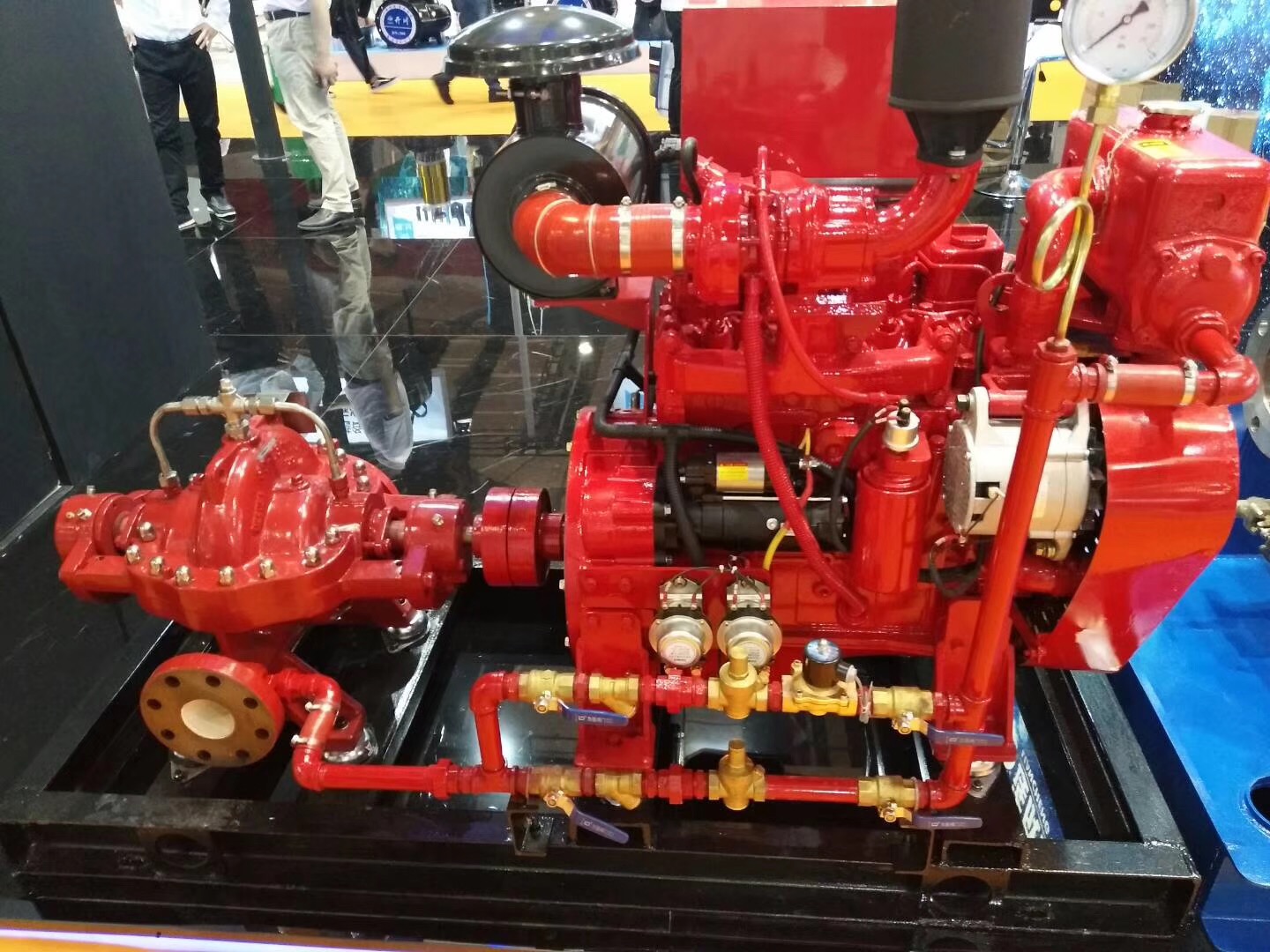
Introduction
The OEM 4x3dd slurry pump is a positive displacement pump specifically engineered for the transportation of abrasive, corrosive, and high-solids content fluids. Positioned within the industrial fluid handling chain between extraction/processing and subsequent stages like tailings management or material refining, its core performance hinges on volumetric efficiency, abrasion resistance, and the ability to maintain consistent flow rates despite fluctuating slurry characteristics. Unlike centrifugal pumps which are susceptible to performance degradation with increased viscosity and solids concentration, the 4x3dd pump utilizes a progressive cavity design, offering self-priming capabilities and a stable flow, irrespective of fluid properties. This makes it critical in industries such as mining, wastewater treatment, chemical processing, and oil & gas, where handling aggressive media is commonplace. Its robust construction and replaceable stator contribute to extended operational life and reduced maintenance costs compared to alternative pumping technologies.
Material Science & Manufacturing
The OEM 4x3dd slurry pump’s performance and longevity are fundamentally tied to the material selection and manufacturing processes employed. The rotor is typically constructed from hardened tool steel (e.g., 4140, 8640) selected for its high tensile strength and wear resistance. Heat treatment processes such as quenching and tempering are critical to achieving the desired hardness and toughness. The stator, the elastomeric component that forms a seal with the rotor, is commonly made from nitrile rubber (NBR), ethylene propylene diene monomer (EPDM), or natural rubber, depending on the chemical compatibility requirements of the application. NBR offers excellent resistance to oil and fuels, EPDM is preferred for its resistance to water and steam, and natural rubber provides high elasticity. Manufacturing involves precision machining of the rotor lobes to maintain tight tolerances with the stator. The pump housing is generally manufactured from cast iron (ASTM A48 Class 30) or ductile iron (ASTM A536 Grade 65-45-12), chosen for their robustness and resistance to corrosion. Welding procedures for joining housing components must adhere to AWS D1.1 standards. Quality control focuses on dimensional accuracy of critical components, material hardness verification (Rockwell C scale), and non-destructive testing (NDT) like liquid penetrant inspection to detect surface flaws. Stator compression, a crucial manufacturing step, requires precise torque control to ensure proper sealing without excessive wear.
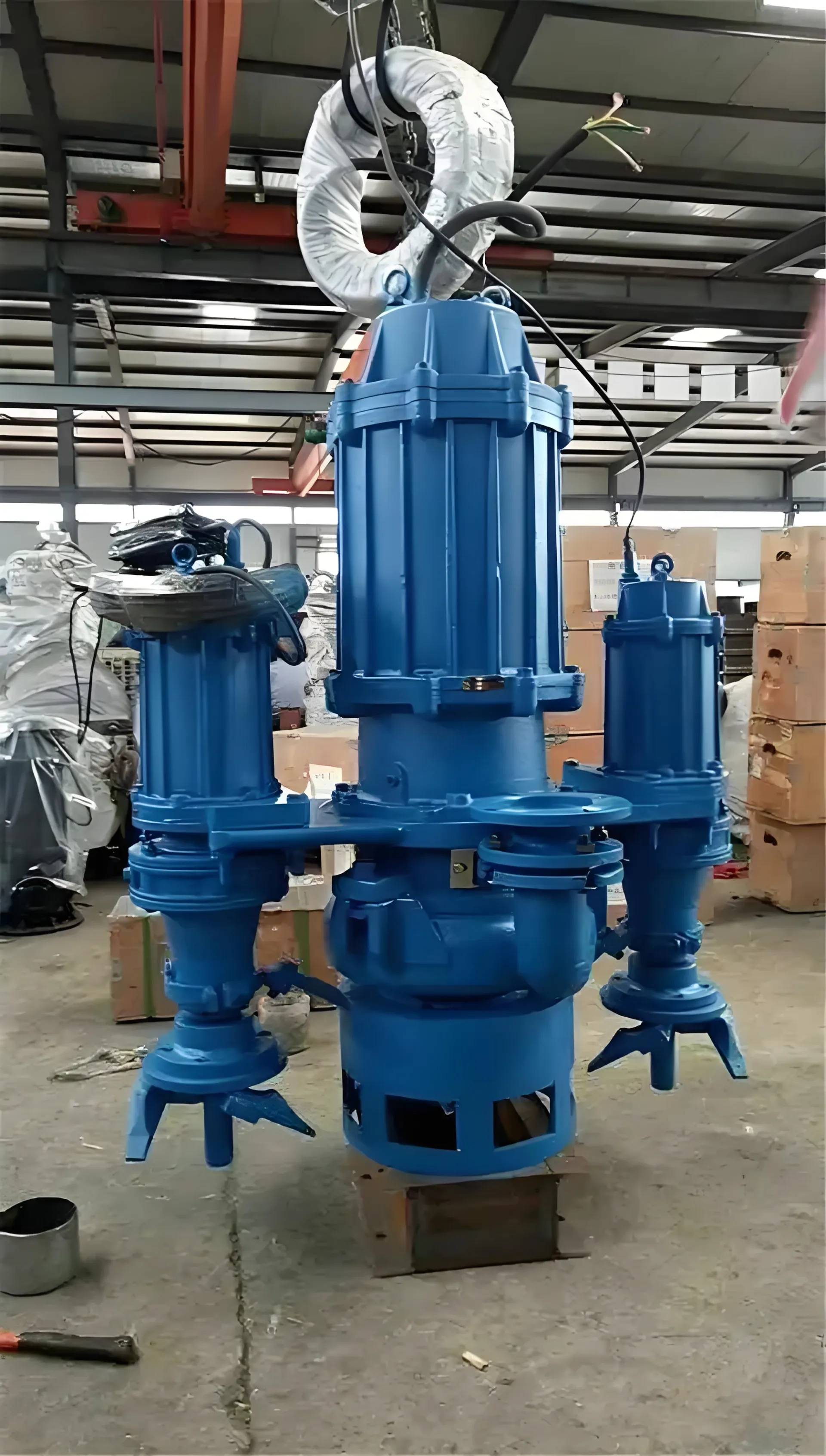
Performance & Engineering
The performance of the 4x3dd slurry pump is dictated by several engineering factors. Volumetric efficiency, typically ranging from 85-95%, is influenced by the clearance between the rotor and stator. Increasing clearance leads to higher slip and reduced flow rate. The pump's ability to handle abrasive slurries relies on the stator’s elastomeric properties, which cushion the abrasive particles and minimize wear on the rotor. Force analysis considers the pressures generated within the pump cavities and the resulting stresses on the housing and internal components. Maximum allowable pressures are determined by ASME B31.3 standards for process piping. Environmental resistance is critical; operating temperature limits are dictated by the stator material’s glass transition temperature (Tg). Exposure to UV radiation can degrade the stator, necessitating the use of UV-resistant compounds in outdoor applications. Compliance requirements include adherence to API 674 standards for positive displacement pumps and relevant environmental regulations regarding fluid containment and leakage. Proper pump selection necessitates calculating the Net Positive Suction Head Required (NPSHr) to prevent cavitation and ensuring the pump's flow rate and pressure meet the system demands.
Technical Specifications
| Parameter | Unit | Value (Typical) | Tolerance |
|---|---|---|---|
| Discharge Flow Rate | m³/hr | 50 | ±10% |
| Maximum Discharge Pressure | bar | 10 | ±5% |
| Suction Lift | m | 7 | N/A |
| Particle Size (Max.) | mm | 75 | N/A |
| Viscosity (Max.) | cP | 5000 | N/A |
| Operating Temperature Range | °C | -30 to +120 | ±2°C |
Failure Mode & Maintenance
Failure modes in OEM 4x3dd slurry pumps are commonly associated with abrasive wear, chemical attack, and mechanical fatigue. Abrasive wear, primarily affecting the rotor and stator, manifests as dimensional loss and decreased volumetric efficiency. This is accelerated by high solids concentration and particle hardness. Chemical attack on the stator results in swelling, cracking, or degradation of the elastomer, leading to reduced sealing and leakage. Fatigue cracking can occur in the rotor due to cyclical loading, especially in applications with pulsating flow. Delamination of the stator is often caused by improper installation or excessive compression. Oxidation of metal components can lead to corrosion and reduced structural integrity. Preventative maintenance is crucial and includes regular visual inspections for leakage, monitoring of pump performance (flow rate, pressure, vibration), and periodic replacement of the stator. Lubrication of bearings and seals is essential to minimize friction and wear. When replacing the stator, proper compression is critical, and torque specifications must be strictly followed. Failure analysis, including microscopic examination of worn components, can identify the root cause of failures and inform preventative measures. Consider implementing a condition monitoring program utilizing vibration analysis to detect early signs of bearing wear or imbalance.
Industry FAQ
Q: What is the expected lifespan of a stator in a highly abrasive application?
A: In highly abrasive applications, stator lifespan can vary significantly based on slurry composition and flow velocity. Typically, a stator can last between 6 months to 2 years. However, utilizing a more abrasion-resistant elastomer like a high-hardness NBR or a ceramic-filled rubber can extend this to 3-5 years. Regular monitoring of flow rate and pressure drop is critical to identify wear and schedule timely replacement.
Q: How does the pump handle variations in slurry solids concentration?
A: The 4x3dd pump excels at handling varying solids concentrations due to its positive displacement nature. Unlike centrifugal pumps, its flow rate is relatively unaffected by changes in solids content, up to the maximum design concentration specified in the technical specifications. However, excessively high solids concentrations can increase wear rates and potentially lead to plugging.
Q: What are the critical considerations for selecting the appropriate stator material?
A: Stator material selection is paramount and depends on the chemical composition of the slurry, operating temperature, and abrasive nature of the solids. Nitrile (NBR) is good for oil-based slurries, EPDM for water-based, and specialized rubbers offer higher temperature or chemical resistance. Consider the pH of the slurry, as certain elastomers are susceptible to degradation in acidic or alkaline environments.
Q: What preventative measures can be taken to minimize pump downtime?
A: Implementing a robust preventative maintenance program is key. This includes regular inspections, lubrication, vibration analysis, and timely replacement of wear parts like the stator. Maintaining proper suction conditions (avoiding cavitation) and ensuring alignment of the pump and motor are also crucial.
Q: Can this pump handle shear-sensitive fluids without damaging the slurry?
A: Yes. The 4x3dd pump generates relatively low shear forces compared to centrifugal pumps, making it suitable for handling shear-sensitive fluids like polymers or fragile solids. The progressive cavity design minimizes turbulence and prevents excessive particle breakage.
Conclusion
The OEM 4x3dd slurry pump represents a robust and reliable solution for demanding fluid handling applications. Its positive displacement principle, coupled with careful material selection and manufacturing precision, allows for efficient and consistent transport of abrasive and corrosive slurries. Understanding the interplay between material properties, operational parameters, and potential failure modes is crucial for maximizing pump life and minimizing downtime.
Future developments in this technology are likely to focus on advanced stator materials with enhanced abrasion and chemical resistance, as well as improved monitoring systems for predictive maintenance. Optimizing pump geometry and control algorithms can further enhance energy efficiency and reduce operational costs. Continued adherence to industry standards and best practices will ensure the long-term performance and reliability of these critical industrial components.
-
Comprehensive Guide to Waterproof ORings for Optimal Sealing Solutions
News2026-06-09
-
submersable pumps Performance Analysis
News2026-06-12
-
submerge pump Performance Analysis
News2026-06-12
-
Septic Tank Lift Pump Performance Analysis
News2026-06-12
-
Septic System Pump Replacement Performance Analysis
News2026-06-12
-
Septic Pumps Cost Performance Analysis
News2026-06-12
-
best sewage ejector pump Performance Engineering
News2026-06-11
-
aerobic septic system pump Performance Analysis
News2026-06-11
-
Sumergible Pump Performance Analysis
News2026-06-11
-
ejector pump for basement Performance Engineering
News2026-06-11
-
sewer lift pump Performance Engineering
News2026-06-11
-
Septic Pump Replacement Performance Analysis
News2026-06-10
-
Septic Pump Price Performance Analysis
News2026-06-10
-
pumps for septic systems Material Science Manufacturing
News2026-06-10
-
ejector pumps for basement bathrooms Performance Analysis
News2026-06-10




