English
- Afrikaans
- Albanian
- Amharic
- Arabic
- Armenian
- Azerbaijani
- Basque
- Belarusian
- Bengali
- Bosnian
- Bulgarian
- Catalan
- Cebuano
- Corsican
- Croatian
- Czech
- Danish
- Dutch
- English
- Esperanto
- Estonian
- Finnish
- French
- Frisian
- Galician
- Georgian
- German
- Greek
- Gujarati
- Haitian Creole
- hausa
- hawaiian
- Hebrew
- Hindi
- Miao
- Hungarian
- Icelandic
- igbo
- Indonesian
- irish
- Italian
- Japanese
- Javanese
- Kannada
- kazakh
- Khmer
- Rwandese
- Korean
- Kurdish
- Kyrgyz
- Lao
- Latin
- Latvian
- Lithuanian
- Luxembourgish
- Macedonian
- Malgashi
- Malay
- Malayalam
- Maltese
- Maori
- Marathi
- Mongolian
- Myanmar
- Nepali
- Norwegian
- Norwegian
- Occitan
- Pashto
- Persian
- Polish
- Portuguese
- Punjabi
- Romanian
- Russian
- Samoan
- Scottish Gaelic
- Serbian
- Sesotho
- Shona
- Sindhi
- Sinhala
- Slovak
- Slovenian
- Somali
- Spanish
- Sundanese
- Swahili
- Swedish
- Tagalog
- Tajik
- Tamil
- Tatar
- Telugu
- Thai
- Turkish
- Turkmen
- Ukrainian
- Urdu
- Uighur
- Uzbek
- Vietnamese
- Welsh
- Bantu
- Yiddish
- Yoruba
- Zulu

Telephone: +86 13120555503
Email: frank@cypump.com


Apr . 01, 2024 17:55 Back to list
multistage slurry pump Performance Analysis
Introduction
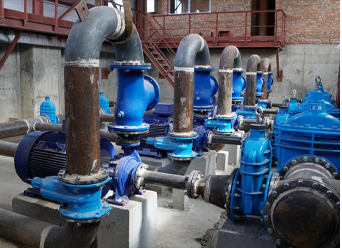
Multistage slurry pumps are centrifugal pumps designed for the efficient and reliable transfer of abrasive, corrosive, and high-solids-content fluids. Distinguished by their multiple impellers arranged in series within a single casing, these pumps generate higher discharge pressures compared to single-stage designs. Their technical position in the industry chain lies between the upstream slurry processing (mining, dredging, wastewater treatment) and downstream fluid conveyance/processing systems. Core performance characteristics include high head generation, substantial flow rate capacity, and robust resistance to wear caused by abrasive particles. This makes them vital in applications where substantial pressure is required to move viscous or heavy slurries over considerable distances or elevations. The primary industry pain point addressed by multistage slurry pumps is the need for reliable and efficient transfer of difficult-to-handle fluids without frequent maintenance or catastrophic failure. Traditional pumps often suffer from rapid erosion and blockage, leading to costly downtime and reduced productivity. Multistage designs mitigate these issues through optimized impeller geometry and wear-resistant materials.
Material Science & Manufacturing
The performance and longevity of multistage slurry pumps are heavily dependent on the materials selected and the precision of the manufacturing processes. Common materials for pump casings include high-chromium cast iron (typically 27-30% Cr) for its exceptional abrasion resistance and grey iron for less abrasive applications. Impellers are often constructed from white iron alloys (high chromium and nickel content) or specialized ceramics like alumina, offering superior resistance to erosion and corrosion. Shafts utilize alloy steels, such as 4140 or 4340, for their high tensile strength and torsional rigidity. Sealing components necessitate materials compatible with the conveyed slurry; elastomers like Viton or EPDM are common for chemical resistance, while mechanical seals employ silicon carbide or tungsten carbide faces for wear resistance.
Manufacturing involves several key processes. Casing production commonly utilizes sand casting, followed by meticulous heat treatment to achieve the desired hardness and microstructure. Impeller manufacturing often involves investment casting, providing complex geometries and smooth surface finishes. Shaft machining requires high-precision CNC turning and grinding to ensure dimensional accuracy and balance. Critical parameters during manufacturing include impeller balancing to minimize vibration, shaft straightness to prevent bearing failure, and casing dimensional tolerances to ensure proper sealing. Welding processes, where applicable, must adhere to stringent standards (e.g., ASME Section IX) to guarantee structural integrity. Non-destructive testing (NDT) methods like radiography and ultrasonic testing are routinely employed to detect internal flaws.
Performance & Engineering
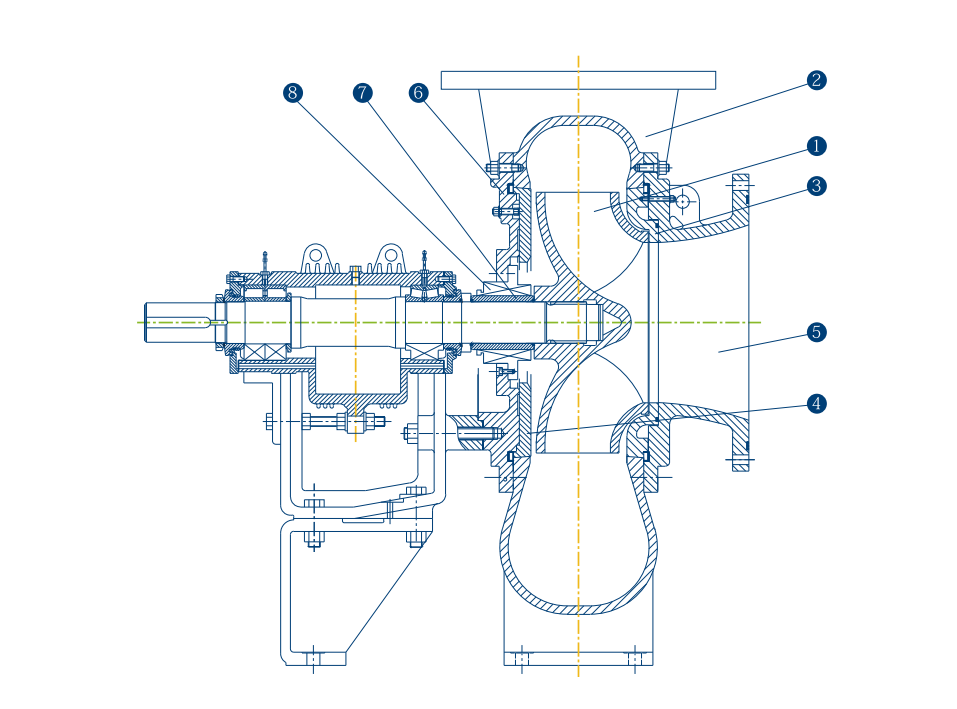
Performance analysis of multistage slurry pumps centers around hydraulic design and system integration. Force analysis must consider the hydrostatic pressure from the fluid head, dynamic pressure from impeller rotation, and radial forces generated by imbalance. The pump's head-capacity curve is a critical performance indicator, defining the relationship between discharge pressure and flow rate. Cavitation, a significant concern in slurry pumping, is mitigated through careful impeller design and maintaining adequate Net Positive Suction Head Available (NPSHA). Environmental resistance is paramount; pumps operating in corrosive environments require materials selection that accounts for chemical compatibility and corrosion rates. Compliance requirements vary by application and region; for example, pumps used in food processing must meet FDA standards, while those used in oil and gas may need to comply with API 674.
Functional implementation necessitates considering the slurry’s rheological properties (viscosity, solid concentration, particle size distribution). Higher solid concentrations demand larger impeller passages and increased pump power. Pump selection must also account for system friction losses in pipelines and fittings. Variable Frequency Drives (VFDs) are frequently employed to optimize pump performance and energy consumption by adjusting rotational speed to match flow requirements. Proper piping design, including the use of flexible connections and pulsation dampeners, is crucial to minimize stress on the pump and prevent premature failure.
Technical Specifications
| Parameter | Unit | Typical Range | Material Options |
|---|---|---|---|
| Flow Rate | m³/hr | 10 - 1000 | Cast Iron, Stainless Steel |
| Discharge Head | m | 20 - 200 | Cast Iron, Stainless Steel |
| Slurry Concentration | % by weight | Up to 70 | High Chromium Iron, Ceramics |
| Particle Size | mm | Up to 75 | High Chromium Iron, Ceramics |
| Pump Speed | RPM | 500 - 3000 | Variable Frequency Drive Compatible |
| Power | kW | 1.5 - 300 | Electric Motor, Diesel Engine |
Failure Mode & Maintenance
Multistage slurry pumps are susceptible to several failure modes. Fatigue cracking in impellers and casings can occur due to cyclical stress from abrasive particles and pressure fluctuations. Erosion, particularly at impeller inlets and discharge volute, leads to gradual material loss and reduced pump efficiency. Delamination of wear-resistant coatings, such as rubber or ceramic linings, reduces their protective effect. Mechanical seal failure, caused by abrasive wear, chemical attack, or improper installation, results in leakage and potential pump damage. Bearing failure, stemming from lubrication issues, misalignment, or excessive loading, can cause catastrophic pump seizure. Oxidation and corrosion can weaken pump components over time, especially in aggressive chemical environments.
Preventative maintenance is crucial. Regular inspections should include visual checks for wear, leakage, and vibration analysis. Impeller and casing replacement is inevitable, with frequency depending on slurry abrasiveness. Mechanical seal replacement should be performed proactively to avoid unscheduled downtime. Lubrication schedules must be strictly adhered to, and bearing temperatures monitored. Proper alignment of the pump and motor is essential. Periodic performance testing (flow rate, pressure, power consumption) helps identify deviations from baseline values, indicating potential problems. Flush systems for mechanical seals can extend seal life by providing a lubricating barrier against abrasive particles. Implementing a robust condition monitoring program, incorporating sensors and data analytics, enables predictive maintenance and minimizes costly failures.
Industry FAQ
Q: What is the primary advantage of a multistage slurry pump over a single-stage design for high-head applications?
A: The key advantage lies in its ability to generate significantly higher discharge pressures. By arranging multiple impellers in series, each impeller adds incremental pressure to the fluid, resulting in a much greater total head compared to a single-stage pump. This is crucial for applications requiring the transfer of slurries over long distances or to elevated heights.
Q: How does the material selection impact the lifespan of a multistage slurry pump handling highly abrasive slurries?
A: Material selection is paramount. High-chromium cast iron or ceramic materials are essential for components directly exposed to the slurry, such as impellers and casing liners. These materials exhibit superior abrasion resistance, minimizing erosion and extending component life. Using standard materials will result in rapid wear and frequent replacements.
Q: What are the common causes of cavitation in multistage slurry pumps, and how can they be prevented?
A: Cavitation occurs when the absolute pressure at the pump inlet falls below the vapor pressure of the liquid, causing vapor bubbles to form and collapse violently. Common causes include insufficient NPSHA, high pump speed, and restricted inlet flow. Prevention involves ensuring adequate NPSHA, optimizing impeller design, reducing pump speed, and maintaining clear suction piping.
Q: What role does impeller balancing play in ensuring the reliable operation of a multistage slurry pump?
A: Impeller balancing is critical. Even slight imbalances can generate significant vibrations, leading to bearing failure, shaft fatigue, and ultimately, pump damage. Dynamic balancing ensures that the impeller rotates smoothly, minimizing vibration and extending the pump's operational lifespan.
Q: How often should mechanical seals be inspected and replaced in a typical slurry pumping application?
A: The inspection and replacement frequency depends on the slurry’s abrasiveness and chemical composition. Generally, seals should be inspected during scheduled maintenance (e.g., every 6 months) and replaced proactively when signs of wear or leakage are detected. Implementing a flush system can significantly extend seal life, reducing the frequency of replacements.
Conclusion
Multistage slurry pumps represent a sophisticated engineering solution for the demanding task of transferring abrasive and corrosive fluids. Their inherent design advantage of generating high discharge pressures, coupled with careful material selection and precision manufacturing, delivers reliable and efficient performance in challenging industrial environments. Understanding the interplay between hydraulic principles, material science, and preventative maintenance is crucial for maximizing pump lifespan and minimizing operational costs.
Future advancements in multistage slurry pump technology are likely to focus on optimizing impeller designs using computational fluid dynamics (CFD), developing more durable wear-resistant materials (e.g., advanced ceramics and composites), and integrating intelligent condition monitoring systems for predictive maintenance. These innovations will further enhance pump performance, reduce downtime, and contribute to more sustainable industrial processes.
-
Comprehensive Guide to Waterproof ORings for Optimal Sealing Solutions
News2026-06-09
-
submersable pumps Performance Analysis
News2026-06-12
-
submerge pump Performance Analysis
News2026-06-12
-
Septic Tank Lift Pump Performance Analysis
News2026-06-12
-
Septic System Pump Replacement Performance Analysis
News2026-06-12
-
Septic Pumps Cost Performance Analysis
News2026-06-12
-
best sewage ejector pump Performance Engineering
News2026-06-11
-
aerobic septic system pump Performance Analysis
News2026-06-11
-
Sumergible Pump Performance Analysis
News2026-06-11
-
ejector pump for basement Performance Engineering
News2026-06-11
-
sewer lift pump Performance Engineering
News2026-06-11
-
Septic Pump Replacement Performance Analysis
News2026-06-10
-
Septic Pump Price Performance Analysis
News2026-06-10
-
pumps for septic systems Material Science Manufacturing
News2026-06-10
-
ejector pumps for basement bathrooms Performance Analysis
News2026-06-10




