English
- Afrikaans
- Albanian
- Amharic
- Arabic
- Armenian
- Azerbaijani
- Basque
- Belarusian
- Bengali
- Bosnian
- Bulgarian
- Catalan
- Cebuano
- Corsican
- Croatian
- Czech
- Danish
- Dutch
- English
- Esperanto
- Estonian
- Finnish
- French
- Frisian
- Galician
- Georgian
- German
- Greek
- Gujarati
- Haitian Creole
- hausa
- hawaiian
- Hebrew
- Hindi
- Miao
- Hungarian
- Icelandic
- igbo
- Indonesian
- irish
- Italian
- Japanese
- Javanese
- Kannada
- kazakh
- Khmer
- Rwandese
- Korean
- Kurdish
- Kyrgyz
- Lao
- Latin
- Latvian
- Lithuanian
- Luxembourgish
- Macedonian
- Malgashi
- Malay
- Malayalam
- Maltese
- Maori
- Marathi
- Mongolian
- Myanmar
- Nepali
- Norwegian
- Norwegian
- Occitan
- Pashto
- Persian
- Polish
- Portuguese
- Punjabi
- Romanian
- Russian
- Samoan
- Scottish Gaelic
- Serbian
- Sesotho
- Shona
- Sindhi
- Sinhala
- Slovak
- Slovenian
- Somali
- Spanish
- Sundanese
- Swahili
- Swedish
- Tagalog
- Tajik
- Tamil
- Tatar
- Telugu
- Thai
- Turkish
- Turkmen
- Ukrainian
- Urdu
- Uighur
- Uzbek
- Vietnamese
- Welsh
- Bantu
- Yiddish
- Yoruba
- Zulu

Telephone: +86 13120555503
Email: frank@cypump.com


Apr . 01, 2024 17:55 Back to list
mobile slurry pump Performance and Engineering
Introduction
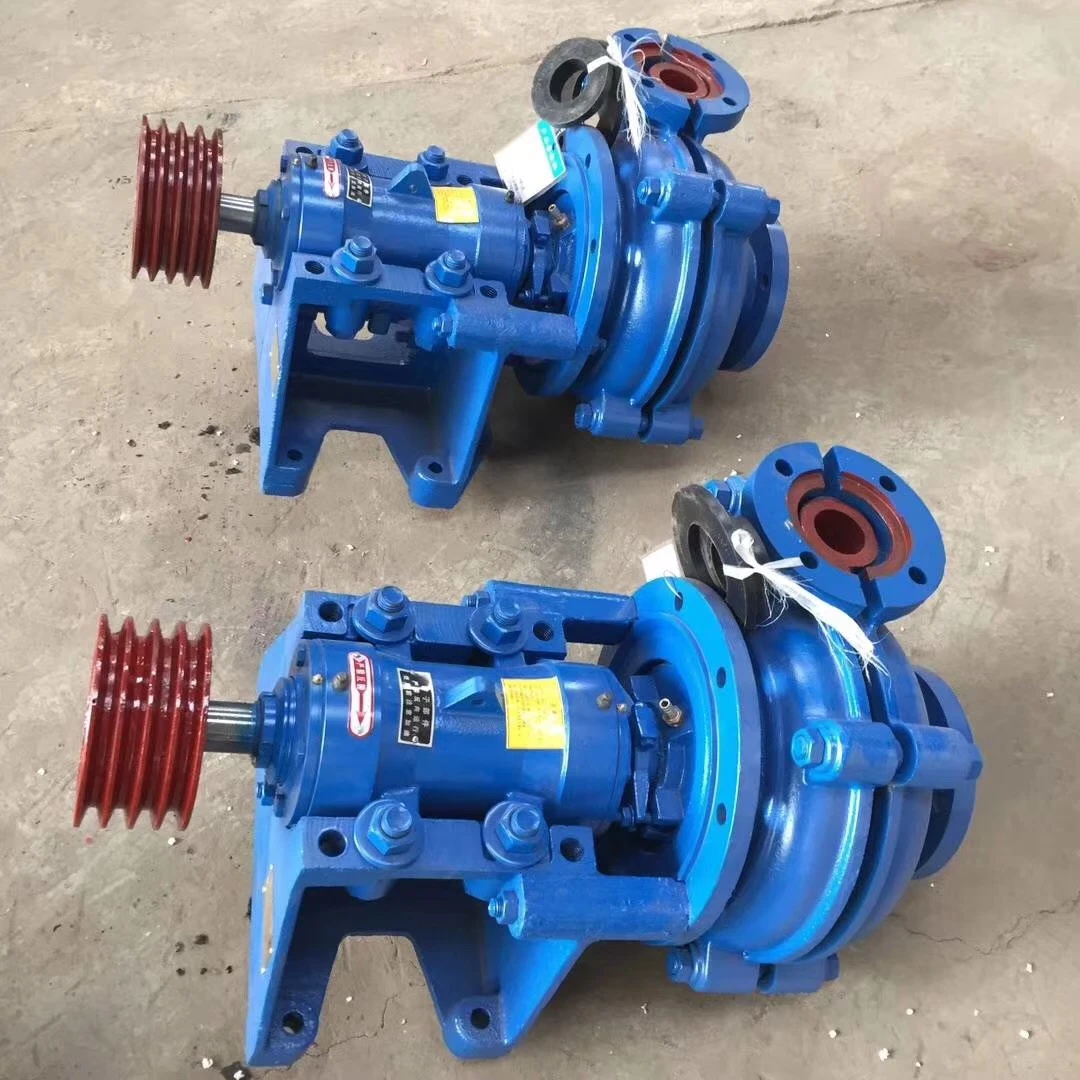
Mobile slurry pumps are self-contained, portable pumping systems designed for the transfer of abrasive or dense fluids – collectively known as slurries. These systems occupy a critical position in industries such as mining, dredging, wastewater treatment, construction, and oil & gas, specifically where fixed infrastructure is impractical, or temporary fluid handling solutions are required. Unlike conventional centrifugal pumps, mobile slurry pumps are engineered to withstand the highly erosive and abrasive nature of the transported media, utilizing robust construction materials and specialized impeller designs. Core performance characteristics center around flow rate (typically measured in gallons per minute or cubic meters per hour), head pressure (measured in feet or meters), solids handling capability (expressed as particle size and concentration), and pump efficiency. The increasing demand for efficient dewatering, material transport, and emergency response capabilities is driving growth in the mobile slurry pump market, alongside advancements in diesel engine efficiency, pump materials, and control systems.
Material Science & Manufacturing
The construction of mobile slurry pumps necessitates careful selection of materials to resist abrasion, corrosion, and the impact of solid particles. Pump casings are commonly manufactured from high-chromium cast iron (typically 27% Cr) or specialized alloys like duplex stainless steel, providing excellent wear resistance. Impellers, the core component directly interacting with the slurry, are often manufactured from similarly wear-resistant materials or utilize a hardfacing process involving the application of tungsten carbide or ceramic coatings. Shafts are typically constructed from high-strength alloy steel, subjected to heat treatment to enhance tensile strength and fatigue resistance. Seals are critical, employing materials like Viton, EPDM, or mechanical seals with silicon carbide faces to prevent leakage and maintain pressure. The manufacturing process typically involves sand casting for the casing, followed by machining and heat treatment. Impellers can be produced via investment casting for complex geometries. Welding, when required, utilizes low-hydrogen electrodes and post-weld heat treatment to minimize porosity and cracking. Parameter control during casting, machining, and welding is paramount, including precise control of cooling rates, material composition, and weld bead characteristics. Rubber liners are frequently integrated into the pump casing for added abrasion resistance, often secured with specialized adhesives and mechanical fasteners. The diesel engine powering the pump requires adherence to stringent emission standards (EPA Tier 4 Final, EU Stage V) and benefits from robust filtration systems to prevent particulate contamination.
Performance & Engineering
The performance of a mobile slurry pump is governed by several key engineering principles. Hydraulic design focuses on minimizing turbulence and maximizing impeller efficiency, crucial for reducing wear and energy consumption. The impeller’s geometry – vane angle, number of vanes, and impeller diameter – are optimized based on the slurry's characteristics (particle size, density, solids concentration). Force analysis considers the impact forces exerted by solid particles on the impeller and casing, dictating material selection and component thickness. Environmental resistance is paramount; pumps must operate reliably in diverse climates, including extreme temperatures, humidity, and exposure to corrosive elements. Compliance requirements necessitate adherence to safety standards (OSHA), noise emission regulations, and environmental protection laws regarding fuel spills and emissions. The pump's structural integrity is assessed through finite element analysis (FEA) to identify stress concentrations and optimize component design. Pipework design is critical to minimize head loss and prevent blockage, requiring careful consideration of pipe diameter, material, and bend radii. Pump control systems incorporate features like automatic start/stop, speed control, and pressure monitoring to optimize performance and prevent damage. Cavitation, a major concern, is mitigated through proper suction lift calculations and impeller design. Pump curves, generated through rigorous testing, provide essential performance data for proper system sizing and operation.
Technical Specifications
| Parameter | Unit | Typical Range | Industry Standard |
|---|---|---|---|
| Flow Rate | GPM (Gallons per Minute) | 50 - 500 | HI Standard 1.6 |
| Head Pressure | ft (Feet) | 20 - 200 | ISO 9906 |
| Maximum Solids Size | in (Inches) | 1 - 4 | ASTM D4793 |
| Slurry Concentration (Max) | % by Weight | Up to 70 | Dependent on Application |
| Pump Type | - | Centrifugal, Positive Displacement | API 610 (for positive displacement) |
| Engine Power | HP (Horsepower) | 15 - 150 | SAE J1995 |
Failure Mode & Maintenance
Mobile slurry pumps are susceptible to several failure modes. Abrasion, caused by the constant impact of solid particles, leads to impeller wear and casing erosion. Corrosion, particularly in acidic or saline environments, weakens pump components. Fatigue cracking can occur in shafts and casings due to cyclic loading. Seal failure results in leakage and reduced pump efficiency. Cavitation, caused by low inlet pressure, damages the impeller. Failure analysis often reveals a combination of these factors. Preventive maintenance is crucial. Regular inspection of the impeller, casing, and seals for wear is essential. Lubrication of bearings and seals prevents friction and corrosion. Monitoring of vibration levels can detect early signs of bearing failure. Filter cleaning prevents clogging and ensures adequate flow. Proper winterization procedures (draining water from the pump and engine) prevent freezing damage. Repair procedures involve component replacement, welding repairs, and hardfacing. Record-keeping of maintenance activities and failure events facilitates proactive maintenance planning and optimization. Using a robust preventative maintenance schedule, based on operating hours and slurry characteristics, significantly extends pump lifespan and reduces downtime. Periodic testing of the pump’s performance parameters (flow rate, head pressure) verifies continued functionality and identifies potential issues.
Industry FAQ
Q: What is the impact of slurry particle size distribution on pump selection?
A: Particle size distribution is a critical factor. Larger particles cause more rapid abrasion, necessitating pumps with thicker liners and more wear-resistant impeller materials. A wider particle size distribution can lead to packing within the pump, increasing the risk of blockage. The pump’s impeller design (open, semi-open, or closed) must be appropriately matched to the particle size. For very coarse slurries, positive displacement pumps are often preferred due to their ability to handle large solids.
Q: How does the solids concentration affect pump performance and efficiency?
A: Increasing solids concentration increases the slurry’s density and viscosity, reducing pump efficiency and flow rate. Higher concentrations also accelerate abrasion. Pumps are typically rated for a maximum solids concentration; exceeding this limit can lead to premature failure. Selecting a pump specifically designed for high-solids concentrations is crucial.
Q: What are the benefits of using a diesel-powered mobile slurry pump versus an electric-powered unit?
A: Diesel-powered pumps offer greater portability and independence from grid power, making them ideal for remote locations. Electric pumps require access to a reliable power source and may involve costly infrastructure. However, diesel pumps generate emissions and require fuel management. The choice depends on site-specific conditions and environmental regulations.
Q: What is the role of the pump’s suction lift in preventing cavitation?
A: Excessive suction lift reduces the pressure at the pump inlet, increasing the risk of cavitation. Pump manufacturers specify a maximum suction lift based on the slurry’s vapor pressure and the pump’s design. Maintaining adequate submergence and minimizing suction pipe length are essential for preventing cavitation.
Q: What safety features are essential for mobile slurry pumps operating in hazardous environments?
A: In hazardous environments (e.g., flammable liquids), pumps must be equipped with explosion-proof motors and electrical components certified for the specific hazard class. Emergency shutdown systems, leak detection sensors, and grounding provisions are also crucial safety features. Adherence to relevant safety standards (ATEX, IECEx) is mandatory.
Conclusion
Mobile slurry pumps represent a versatile and essential technology for handling abrasive and dense fluids in diverse industrial applications. Their effectiveness hinges on a comprehensive understanding of material science, hydraulic engineering, and operational parameters. Proper material selection, optimized impeller design, and meticulous maintenance are vital for maximizing pump lifespan and minimizing downtime.
Future advancements in mobile slurry pump technology will likely focus on improving pump efficiency, reducing emissions, enhancing remote monitoring capabilities, and developing more wear-resistant materials. The integration of data analytics and predictive maintenance algorithms will further optimize pump performance and reliability, contributing to reduced operational costs and improved process efficiency.
-
Comprehensive Guide to Waterproof ORings for Optimal Sealing Solutions
News2026-06-09
-
submersable pumps Performance Analysis
News2026-06-12
-
submerge pump Performance Analysis
News2026-06-12
-
Septic Tank Lift Pump Performance Analysis
News2026-06-12
-
Septic System Pump Replacement Performance Analysis
News2026-06-12
-
Septic Pumps Cost Performance Analysis
News2026-06-12
-
best sewage ejector pump Performance Engineering
News2026-06-11
-
aerobic septic system pump Performance Analysis
News2026-06-11
-
Sumergible Pump Performance Analysis
News2026-06-11
-
ejector pump for basement Performance Engineering
News2026-06-11
-
sewer lift pump Performance Engineering
News2026-06-11
-
Septic Pump Replacement Performance Analysis
News2026-06-10
-
Septic Pump Price Performance Analysis
News2026-06-10
-
pumps for septic systems Material Science Manufacturing
News2026-06-10
-
ejector pumps for basement bathrooms Performance Analysis
News2026-06-10




