English
- Afrikaans
- Albanian
- Amharic
- Arabic
- Armenian
- Azerbaijani
- Basque
- Belarusian
- Bengali
- Bosnian
- Bulgarian
- Catalan
- Cebuano
- Corsican
- Croatian
- Czech
- Danish
- Dutch
- English
- Esperanto
- Estonian
- Finnish
- French
- Frisian
- Galician
- Georgian
- German
- Greek
- Gujarati
- Haitian Creole
- hausa
- hawaiian
- Hebrew
- Hindi
- Miao
- Hungarian
- Icelandic
- igbo
- Indonesian
- irish
- Italian
- Japanese
- Javanese
- Kannada
- kazakh
- Khmer
- Rwandese
- Korean
- Kurdish
- Kyrgyz
- Lao
- Latin
- Latvian
- Lithuanian
- Luxembourgish
- Macedonian
- Malgashi
- Malay
- Malayalam
- Maltese
- Maori
- Marathi
- Mongolian
- Myanmar
- Nepali
- Norwegian
- Norwegian
- Occitan
- Pashto
- Persian
- Polish
- Portuguese
- Punjabi
- Romanian
- Russian
- Samoan
- Scottish Gaelic
- Serbian
- Sesotho
- Shona
- Sindhi
- Sinhala
- Slovak
- Slovenian
- Somali
- Spanish
- Sundanese
- Swahili
- Swedish
- Tagalog
- Tajik
- Tamil
- Tatar
- Telugu
- Thai
- Turkish
- Turkmen
- Ukrainian
- Urdu
- Uighur
- Uzbek
- Vietnamese
- Welsh
- Bantu
- Yiddish
- Yoruba
- Zulu

Telephone: +86 13120555503
Email: frank@cypump.com


Apr . 01, 2024 17:55 Back to list
mining horizontal chemical pump price Performance Analysis
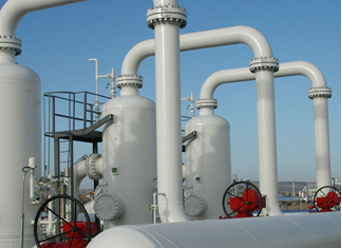
Introduction
Mining horizontal chemical pumps are centrifugal pumps specifically engineered for the demanding environments of mineral processing and chemical handling in mining operations. These pumps occupy a critical position in the mineral processing chain, responsible for transferring corrosive, abrasive slurries, and chemically aggressive liquids across various stages including leaching, flotation, tailings management, and process water circulation. Unlike general-purpose pumps, horizontal chemical pumps for mining utilize specialized materials and designs to mitigate premature failure due to erosion, corrosion, and mechanical stress. Core performance characteristics include high flow rates, significant head pressure capability, and consistent operational reliability in continuous duty cycles. The selection of an appropriate pump is paramount for optimizing processing efficiency and minimizing downtime, directly impacting overall mine production costs.
Material Science & Manufacturing
The construction of mining horizontal chemical pumps necessitates materials resistant to aggressive chemical environments and abrasive particle wear. Pump casings are typically manufactured from high-grade stainless steels (316L, duplex stainless steels like 2205), or specialized alloys such as Hastelloy C-276, selected based on the specific chemical composition of the transported fluid. Impellers, subject to the highest erosive forces, are commonly manufactured from high-chrome cast iron (15-30% chrome) for abrasion resistance or, in extremely corrosive environments, polymeric materials like PTFE or ceramic composites. Shafts utilize alloy steels hardened and tempered for torsional strength and corrosion resistance. Seals are critical, employing designs like double mechanical seals with barrier fluid systems to prevent leakage of hazardous materials and protect pump bearings.
Manufacturing processes involve precision casting for casings and impellers, followed by extensive machining to ensure tight tolerances and smooth fluid flow paths. Welding procedures are crucial, particularly for stainless steel components, requiring specialized techniques like Gas Tungsten Arc Welding (GTAW) with controlled shielding gases to prevent oxidation and maintain corrosion resistance. Impeller balancing is a critical step to minimize vibration and extend bearing life. Non-destructive testing (NDT) methods, including radiographic inspection and liquid penetrant testing, are employed to verify weld integrity and identify material defects. Surface treatments like passivation are applied to stainless steel components to enhance their corrosion resistance. Finally, rigorous hydrostatic testing is conducted to confirm the pump's structural integrity and leak-proof performance.
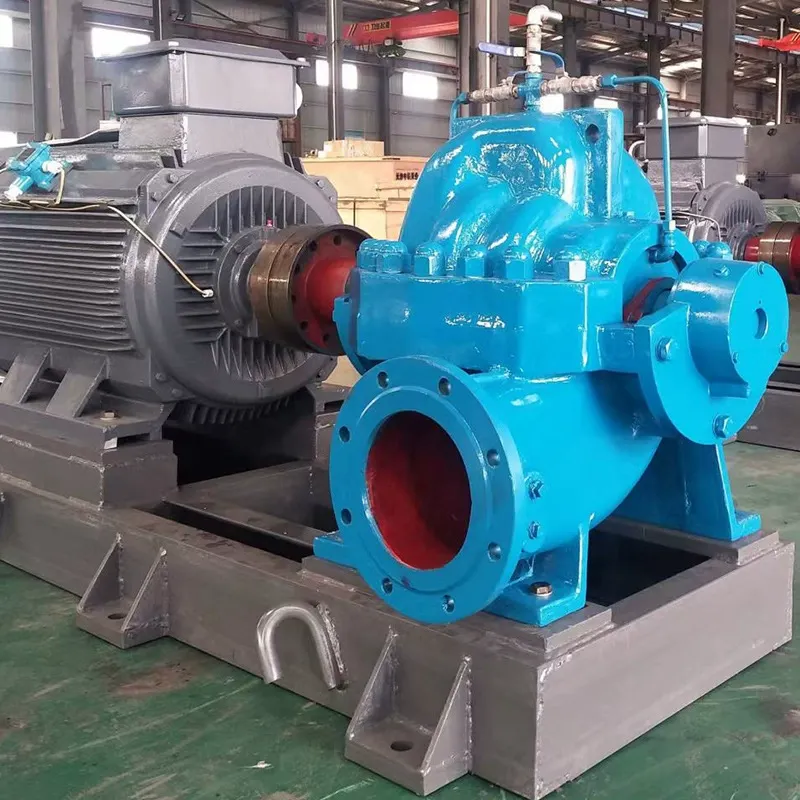
Performance & Engineering
Performance of mining horizontal chemical pumps is critically dependent on hydraulic design and fluid mechanics principles. The pump’s Net Positive Suction Head Required (NPSHr) is a key parameter, dictating the minimum pressure required at the pump inlet to prevent cavitation. Cavitation, the formation and collapse of vapor bubbles, causes significant erosion damage to the impeller. Pump curves, generated through hydraulic testing, define the relationship between flow rate, head pressure, and pump efficiency. These curves are used to select the appropriate pump size for a given application.
Engineering considerations extend to mechanical design, specifically bearing selection and lubrication. Bearings are typically heavy-duty, oversized roller bearings designed to withstand radial and axial loads imposed by the impeller and fluid pressure. Lubrication systems are often force-fed with oil or grease to ensure adequate lubrication under continuous operation. Shaft deflection is a critical parameter monitored to prevent seal failure and bearing damage. Pump vibration analysis is routinely performed to identify potential mechanical issues. Furthermore, adherence to industry standards like ISO 5199 (centrifugal pumps – hydraulic performance controls) and ANSI/ASME B73.1 (power boilers – guidelines for inspection) ensures safe and reliable operation. Environmental resistance is achieved through appropriate material selection and protective coatings, mitigating corrosion from atmospheric exposure.
Technical Specifications
| Parameter | Unit | Range (Typical) | Material Options |
|---|---|---|---|
| Flow Rate | m³/h | 50 - 1500 | Cast Iron, Stainless Steel (316L), Alloy 2205 |
| Head (Total Dynamic) | m | 10 - 100 | Cast Iron, Stainless Steel (316L), Alloy 2205 |
| Suction Pressure | bar | -0.5 to 10 | Dependent on material compatibility |
| Discharge Pressure | bar | Up to 30 | Dependent on material compatibility |
| Fluid Temperature | °C | -20 to 120 | PTFE, Ceramic, Alloy 2205 for high temperatures |
| Solids Handling Capability | mm | Up to 50 | High Chrome Cast Iron, Hardened Alloys |
Failure Mode & Maintenance
Common failure modes in mining horizontal chemical pumps include impeller erosion, seal failure, bearing failure, and casing corrosion. Impeller erosion is primarily caused by the abrasive nature of slurries and can be mitigated by selecting abrasion-resistant impeller materials and minimizing particle concentration. Seal failure often results from shaft misalignment, inadequate lubrication, or chemical attack on seal materials. Bearing failure can occur due to overloading, contamination, or insufficient lubrication. Casing corrosion is dependent on the chemical composition of the fluid and the material of construction; pitting corrosion is a frequent issue.
Preventive maintenance is crucial. This includes regular visual inspections for leaks and corrosion, vibration analysis to detect bearing wear, and lubrication schedule adherence. Seal flushing systems should be monitored for proper flow and pressure. Impellers should be inspected for erosion and replaced as needed. Bearing grease should be analyzed for contamination. A proactive maintenance program, based on condition monitoring and scheduled maintenance tasks, can significantly extend pump life and reduce downtime. When replacing components, ensure compatibility with the pumped fluid and adherence to manufacturer specifications. Detailed maintenance logs should be maintained for tracking repair history and identifying recurring issues. Regular shaft alignment checks are also essential.
Industry FAQ
Q: What is the primary advantage of using a duplex stainless steel pump casing over a standard 316L stainless steel casing in a highly corrosive environment?
A: Duplex stainless steels, such as 2205, offer superior resistance to pitting and crevice corrosion compared to 316L, particularly in chloride-rich environments common in mining operations. This is due to their higher chromium, molybdenum, and nitrogen content, combined with a mixed austenitic-ferritic microstructure. While 316L provides good general corrosion resistance, it can be susceptible to localized corrosion in aggressive conditions, leading to premature failure. Duplex stainless steel provides extended service life and reduced maintenance costs in these demanding applications.
Q: How do you select the appropriate impeller material for a pump handling a highly abrasive slurry with a significant solids content?
A: For highly abrasive slurries, high-chrome cast iron (15-30% chromium) is generally the preferred impeller material. The chromium carbides within the cast iron matrix provide exceptional wear resistance. However, the specific chrome content and microstructure should be optimized based on the slurry’s particle size distribution and hardness. In extremely abrasive applications, or when handling sharp, angular particles, ceramic composites or hardened alloys may be considered, although these materials typically come at a higher cost.
Q: What is the significance of NPSHr (Net Positive Suction Head Required) and how does it relate to pump performance?
A: NPSHr is the minimum pressure required at the pump suction to prevent cavitation. If the available NPSH (Net Positive Suction Head) at the pump inlet is less than the NPSHr, cavitation will occur. Cavitation leads to impeller erosion, noise, vibration, and reduced pump performance. Proper system design, including adequate suction piping length, diameter, and elevation, is essential to ensure sufficient NPSH is available.
Q: What maintenance procedures are recommended for mechanical seals to maximize their lifespan?
A: Regular inspection of the seal flushing system is critical to ensure proper flow and pressure, removing heat and debris from the seal faces. Monitor for leaks and unusual noise, which may indicate seal wear or damage. Ensure proper shaft alignment and lubrication. Avoid running the pump dry, as this can rapidly degrade the seal faces. Consider using a double mechanical seal with a barrier fluid system for handling highly toxic or abrasive fluids.
Q: How does the pump curve influence the pump selection process, and what factors should be considered when interpreting it?
A: The pump curve illustrates the relationship between flow rate, head, efficiency, and power consumption. It allows engineers to select a pump that will deliver the required flow and head at optimal efficiency. Factors to consider include the system’s total dynamic head (TDH), required flow rate, and operating point within the pump’s performance range. The pump should operate near its Best Efficiency Point (BEP) for maximum efficiency and reduced wear. Avoid operating the pump at extreme ends of the curve, as this can lead to cavitation or overheating.
Conclusion
Mining horizontal chemical pumps represent a specialized category of fluid handling equipment, critical for ensuring efficient and reliable mineral processing. Their design and material selection are dictated by the harsh conditions inherent in mining environments – corrosive fluids, abrasive slurries, and continuous operation. Understanding the underlying material science, manufacturing processes, and performance characteristics is paramount for optimizing pump selection, minimizing downtime, and maximizing operational efficiency.
Looking forward, advancements in materials science, such as the development of more corrosion-resistant alloys and ceramic composites, will continue to drive improvements in pump lifespan and performance. Implementation of predictive maintenance techniques, utilizing sensors and data analytics to monitor pump condition in real-time, will further enhance reliability and reduce maintenance costs. Proper selection, installation, and maintenance remain the cornerstones of maximizing the value of these essential components of mining operations.
-
Precision at the Pump: How Better Machining Protects Flow and Uptime
News2026-11-20
-
Why Pump Reliability Begins Before the First Drop of Fluid
News2026-11-20
-
Beyond the Pump: Designing Safer Access Around Critical Water Infrastructure
News2026-11-20
-
Why Pumping Stations Depend on the Infrastructure Beneath the Pumps
News2026-11-20
-
Beyond the Pump Room: How Smarter Loading Protects Industrial Equipment
News2026-11-19
-
When Pumps Stop: Designing More Resilient Power for Critical Pumping Systems
News2026-11-19
-
The Hidden Role of Dust and Gas Monitoring in Reliable Pump Operations
News2026-11-19
-
The Hidden Role of Mineral Compounds in Extending Industrial Pump Lifespan
News2026-10-12
-
Why Pump System Reliability Depends on Precision Hose Assembly Methods
News2026-09-15
-
How Advanced Imaging Films Are Transforming Pump Component Quality Control
News2026-08-25
-
How Advanced Filtration Protects Pump Systems from Premature Wear and Costly Downtime
News2026-08-25
-
How Steel Material Selection Drives Pump Reliability in Heavy-Duty Systems
News2026-08-25
-
Ensuring Pump System Efficiency: The Role of High-Quality Pipe Fittings and Tubing
News2026-08-24
-
Optimizing Fluid Dynamics and Material Consistency in Industrial Processing
News2026-08-18
-
Innovations and Challenges in Hydraulic Systems for Heavy Machinery
News2026-08-13




