English
- Afrikaans
- Albanian
- Amharic
- Arabic
- Armenian
- Azerbaijani
- Basque
- Belarusian
- Bengali
- Bosnian
- Bulgarian
- Catalan
- Cebuano
- Corsican
- Croatian
- Czech
- Danish
- Dutch
- English
- Esperanto
- Estonian
- Finnish
- French
- Frisian
- Galician
- Georgian
- German
- Greek
- Gujarati
- Haitian Creole
- hausa
- hawaiian
- Hebrew
- Hindi
- Miao
- Hungarian
- Icelandic
- igbo
- Indonesian
- irish
- Italian
- Japanese
- Javanese
- Kannada
- kazakh
- Khmer
- Rwandese
- Korean
- Kurdish
- Kyrgyz
- Lao
- Latin
- Latvian
- Lithuanian
- Luxembourgish
- Macedonian
- Malgashi
- Malay
- Malayalam
- Maltese
- Maori
- Marathi
- Mongolian
- Myanmar
- Nepali
- Norwegian
- Norwegian
- Occitan
- Pashto
- Persian
- Polish
- Portuguese
- Punjabi
- Romanian
- Russian
- Samoan
- Scottish Gaelic
- Serbian
- Sesotho
- Shona
- Sindhi
- Sinhala
- Slovak
- Slovenian
- Somali
- Spanish
- Sundanese
- Swahili
- Swedish
- Tagalog
- Tajik
- Tamil
- Tatar
- Telugu
- Thai
- Turkish
- Turkmen
- Ukrainian
- Urdu
- Uighur
- Uzbek
- Vietnamese
- Welsh
- Bantu
- Yiddish
- Yoruba
- Zulu

Telephone: +86 13120555503
Email: frank@cypump.com


Apr . 01, 2024 17:55 Back to list
mini slurry pump supplier Performance Analysis
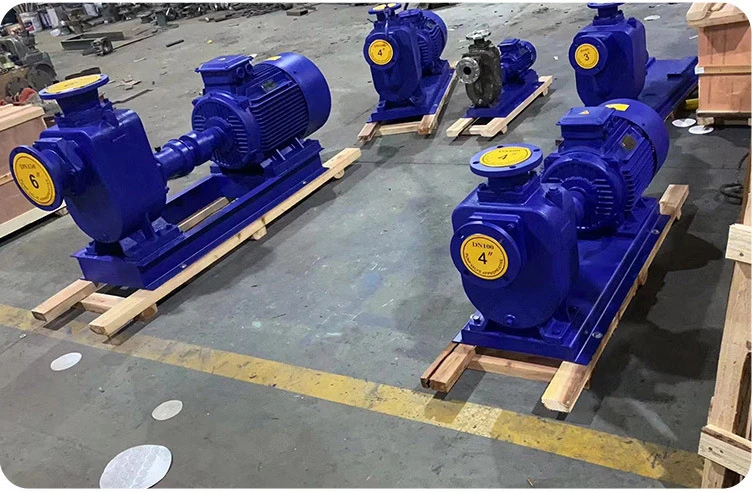
Introduction
Mini slurry pumps are positive displacement pumps engineered for the handling of abrasive, viscous, and solid-laden fluids in a compact format. They represent a critical component within industrial processes ranging from wastewater treatment and mining to chemical processing and ceramics manufacturing. Unlike centrifugal pumps which struggle with high solids content, mini slurry pumps excel in these applications due to their design – typically incorporating a rotating impeller within a robust casing capable of resisting wear and corrosion. Their compact size allows for integration into existing systems with limited space, or for deployment in mobile applications. Key performance characteristics include flow rate (typically measured in GPM or LPM), head pressure (expressed in feet or meters), solids handling capability (particle size and concentration), and the materials of construction which dictate chemical compatibility and wear resistance. The selection of a mini slurry pump is fundamentally tied to understanding the slurry’s characteristics, operating conditions, and desired process efficiency. A significant pain point in the industry is the premature failure of pumps due to inadequate material selection for the specific slurry composition, leading to costly downtime and maintenance.
Material Science & Manufacturing
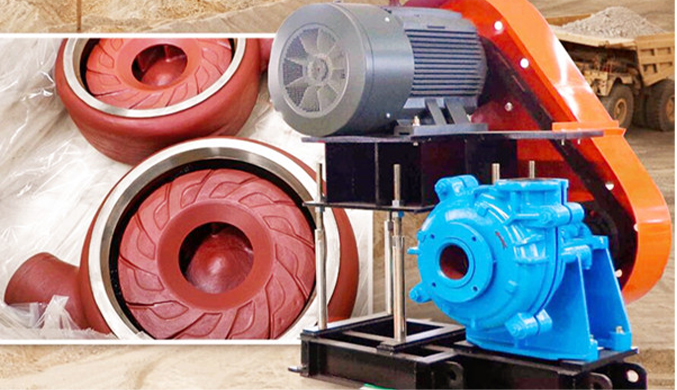
The construction of mini slurry pumps heavily relies on materials exhibiting high wear resistance, corrosion resistance, and adequate mechanical strength. Common materials include cast iron (for general purpose applications), stainless steel (304, 316 for improved corrosion resistance), high-chrome cast iron (for abrasive slurry handling), and specialized alloys like duplex stainless steel or Hastelloy (for extremely corrosive environments). Impellers are often manufactured using the same materials as the casing, but may also utilize rubber liners or polyurethane coatings to further enhance abrasion resistance. Seals, a critical component, are frequently constructed from materials like Viton, EPDM, or PTFE, selected based on the chemical compatibility with the pumped fluid. Manufacturing processes vary depending on the component. Casings are typically produced through sand casting or investment casting, providing the necessary complexity and material density. Impellers are often manufactured via centrifugal casting or machining from solid billets. Shafts undergo precision machining and hardening processes to ensure durability under torsional stress. Key parameter control during manufacturing focuses on dimensional accuracy of impeller vanes (influencing pump efficiency), surface finish of the casing (affecting flow characteristics and minimizing turbulence), and the quality of welds (ensuring structural integrity). Heat treatment processes are crucial for achieving desired material hardness and toughness. Non-destructive testing (NDT) methods, such as radiographic inspection and ultrasonic testing, are employed to identify internal flaws in castings and welds.
Performance & Engineering
The performance of a mini slurry pump is governed by several key engineering principles. The pump’s head (pressure) is related to the impeller diameter, rotational speed, and the slurry’s density. Flow rate is proportional to impeller width and speed. Cavitation, a common concern, occurs when the pressure at the impeller inlet drops below the vapor pressure of the slurry, forming vapor bubbles that implode and damage the impeller. Net Positive Suction Head Required (NPSHr) is a critical parameter defining the minimum pressure needed at the pump inlet to prevent cavitation. Slurry characteristics – particle size distribution, solids concentration, and slurry viscosity – significantly impact pump performance. Larger particle sizes and higher concentrations increase wear and reduce flow rate. Viscous slurries require higher pump speeds and power input. Force analysis considers centrifugal forces acting on the impeller, radial loads from the slurry, and torsional loads on the shaft. Environmental resistance is a factor; pumps operating outdoors require appropriate seals and coatings to withstand temperature fluctuations, UV exposure, and potential corrosion from atmospheric elements. Compliance requirements dictate adherence to safety standards (e.g., electrical safety, mechanical guarding) and environmental regulations (e.g., preventing leaks and spills). Hydraulic Institute standards and API 610 (for larger pumps, but principles apply) provide guidance on pump performance testing and documentation.
Technical Specifications
| Parameter | Unit | Typical Range (Smallest Pumps) | Typical Range (Larger Mini Pumps) |
|---|---|---|---|
| Flow Rate | GPM (LPM) | 0.5 - 5 (2 - 19) | 5 - 30 (19 – 114) |
| Head Pressure | ft (m) | 10 – 50 (3 – 15) | 50 – 150 (15 – 46) |
| Solids Handling | in (mm) | Up to 0.25 (6) | Up to 1 (25) |
| Maximum Slurry Concentration | % by weight | Up to 30 | Up to 60 |
| Motor Power | HP (kW) | 0.1 – 0.5 (0.07 – 0.37) | 0.5 – 2 (0.37 – 1.5) |
| Casing Material | - | Cast Iron, Stainless Steel 304 | Stainless Steel 316, High Chrome Iron |
Failure Mode & Maintenance
Mini slurry pump failures commonly stem from abrasive wear, corrosion, cavitation, and seal failures. Abrasive wear, particularly affecting impellers and casing liners, is accelerated by high solids concentration and particle size. Corrosion occurs when the pump materials are incompatible with the slurry’s chemical composition. Cavitation, as previously discussed, damages the impeller and reduces pump efficiency. Seal failures lead to leakage and potential motor damage. Fatigue cracking can develop in the shaft or casing due to cyclical loading. Delamination of rubber liners or polyurethane coatings reduces abrasion resistance. Oxidation of metallic components can occur in harsh environments. Preventative maintenance is crucial. Regular inspection of impeller wear, seal condition, and bearing lubrication are essential. Monitoring vibration levels can detect early signs of bearing failure or impeller imbalance. Periodic replacement of wear parts (impellers, liners, seals) is necessary. Flushing the pump with clean water after use prevents slurry buildup and corrosion. Proper alignment of the pump and motor minimizes stress on the shaft and bearings. In the event of failure, root cause analysis should be performed to identify the underlying cause and prevent recurrence. This involves material testing, visual inspection, and potentially metallurgical analysis.
Industry FAQ
Q: What is the primary difference between a mini slurry pump and a centrifugal pump when handling slurries?
A: Centrifugal pumps are best suited for low-viscosity fluids with minimal solids content. They become inefficient and prone to damage when handling abrasive slurries due to internal wear and potential clogging. Mini slurry pumps, with their positive displacement design and robust construction, are specifically engineered to handle high solids content and abrasive particles without significant performance degradation.
Q: How does the impeller design impact the performance of a mini slurry pump?
A: The impeller design is critical. Abrasive-resistant impeller materials, hardened surfaces, and optimized vane geometry (shape and angle) are crucial for maximizing efficiency and minimizing wear. Impeller diameter and speed directly influence head and flow rate. Open or semi-open impeller designs are preferred for handling larger solids to prevent clogging.
Q: What material selection considerations are most important when choosing a mini slurry pump for a corrosive application?
A: Thorough chemical compatibility testing is paramount. Stainless steel alloys (316, duplex), Hastelloy, and specialized polymers like PTFE are often used for corrosive applications. The slurry’s pH, temperature, and concentration of corrosive agents must be considered when selecting materials. Coatings and liners can provide additional protection.
Q: What are the common causes of reduced pump efficiency over time?
A: Wear of the impeller and casing liners is the primary cause. Internal clearances increase as wear progresses, leading to reduced volumetric efficiency. Seal wear contributes to leakage and loss of pressure. Clogging of the impeller or discharge piping also reduces flow rate and efficiency.
Q: What is NPSHr and why is it important?
A: Net Positive Suction Head Required (NPSHr) is the minimum absolute pressure required at the pump inlet to prevent cavitation. If the available NPSH (NPSHa) at the pump inlet is less than the NPSHr, cavitation will occur, leading to impeller damage and reduced pump performance. Maintaining adequate NPSHa is crucial for reliable operation.
Conclusion
The selection and maintenance of mini slurry pumps represent a complex interplay of material science, fluid dynamics, and engineering considerations. Successful implementation relies on a comprehensive understanding of the slurry’s characteristics, operating conditions, and potential failure modes. Proper material selection, optimized impeller design, and adherence to preventative maintenance schedules are crucial for maximizing pump lifespan, minimizing downtime, and ensuring process efficiency. A proactive approach to maintenance, incorporating regular inspections and timely replacement of wear parts, will yield significant long-term cost savings.
Looking ahead, advancements in materials science, such as the development of more wear-resistant alloys and coatings, will further enhance the performance and durability of mini slurry pumps. The integration of sensor technology and data analytics will enable predictive maintenance, allowing for proactive intervention before failures occur. As industrial processes become increasingly focused on sustainability and efficiency, the demand for robust and reliable mini slurry pump solutions will continue to grow.
-
Comprehensive Guide to Waterproof ORings for Optimal Sealing Solutions
News2026-06-09
-
submersable pumps Performance Analysis
News2026-06-12
-
submerge pump Performance Analysis
News2026-06-12
-
Septic Tank Lift Pump Performance Analysis
News2026-06-12
-
Septic System Pump Replacement Performance Analysis
News2026-06-12
-
Septic Pumps Cost Performance Analysis
News2026-06-12
-
best sewage ejector pump Performance Engineering
News2026-06-11
-
aerobic septic system pump Performance Analysis
News2026-06-11
-
Sumergible Pump Performance Analysis
News2026-06-11
-
ejector pump for basement Performance Engineering
News2026-06-11
-
sewer lift pump Performance Engineering
News2026-06-11
-
Septic Pump Replacement Performance Analysis
News2026-06-10
-
Septic Pump Price Performance Analysis
News2026-06-10
-
pumps for septic systems Material Science Manufacturing
News2026-06-10
-
ejector pumps for basement bathrooms Performance Analysis
News2026-06-10




