English
- Afrikaans
- Albanian
- Amharic
- Arabic
- Armenian
- Azerbaijani
- Basque
- Belarusian
- Bengali
- Bosnian
- Bulgarian
- Catalan
- Cebuano
- Corsican
- Croatian
- Czech
- Danish
- Dutch
- English
- Esperanto
- Estonian
- Finnish
- French
- Frisian
- Galician
- Georgian
- German
- Greek
- Gujarati
- Haitian Creole
- hausa
- hawaiian
- Hebrew
- Hindi
- Miao
- Hungarian
- Icelandic
- igbo
- Indonesian
- irish
- Italian
- Japanese
- Javanese
- Kannada
- kazakh
- Khmer
- Rwandese
- Korean
- Kurdish
- Kyrgyz
- Lao
- Latin
- Latvian
- Lithuanian
- Luxembourgish
- Macedonian
- Malgashi
- Malay
- Malayalam
- Maltese
- Maori
- Marathi
- Mongolian
- Myanmar
- Nepali
- Norwegian
- Norwegian
- Occitan
- Pashto
- Persian
- Polish
- Portuguese
- Punjabi
- Romanian
- Russian
- Samoan
- Scottish Gaelic
- Serbian
- Sesotho
- Shona
- Sindhi
- Sinhala
- Slovak
- Slovenian
- Somali
- Spanish
- Sundanese
- Swahili
- Swedish
- Tagalog
- Tajik
- Tamil
- Tatar
- Telugu
- Thai
- Turkish
- Turkmen
- Ukrainian
- Urdu
- Uighur
- Uzbek
- Vietnamese
- Welsh
- Bantu
- Yiddish
- Yoruba
- Zulu

Telephone: +86 13120555503
Email: frank@cypump.com


Apr . 01, 2024 17:55 Back to list
metso vertical slurry pumps Material Science Manufacturing
Introduction
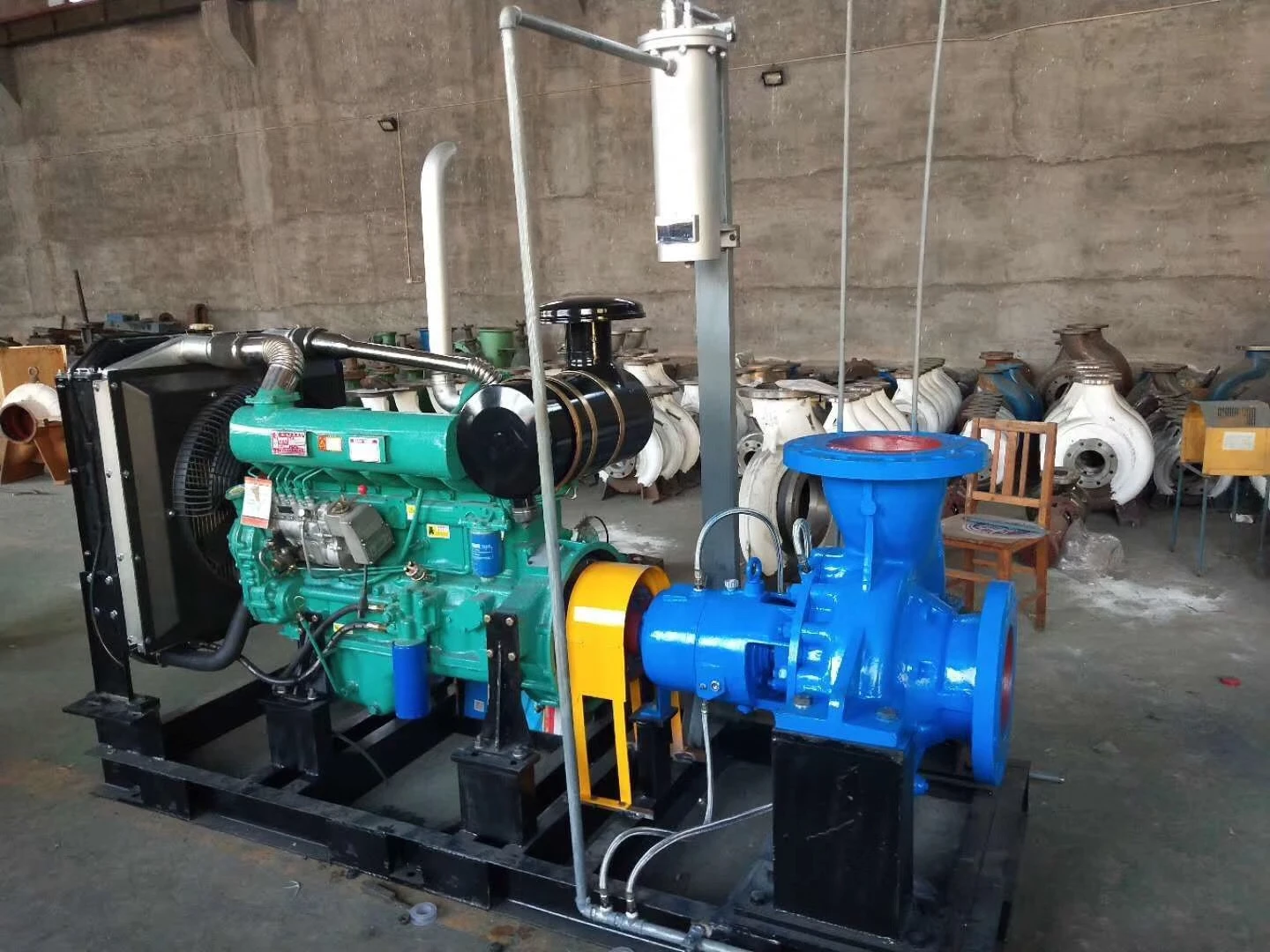
Metso vertical slurry pumps are centrifugal pumps specifically designed for handling abrasive, corrosive, and high-solids content slurries commonly found in mining, mineral processing, heavy industry, and wastewater treatment applications. Positioned as a critical component within these industrial fluid handling systems, they provide a robust and efficient solution for transferring slurries vertically, minimizing space requirements and simplifying installation, particularly in sumps and pits. Their design focuses on maximizing wear resistance and hydraulic efficiency to reduce Total Cost of Ownership (TCO). Core performance characteristics include high head capabilities, efficient solids handling, and extended service life in demanding applications. The industry faces persistent challenges with pump wear, downtime, and energy consumption; Metso vertical slurry pumps address these by utilizing advanced materials and optimized impeller designs.
Material Science & Manufacturing
The core material for Metso vertical slurry pump casings is typically high-chrome cast iron (e.g., ASTM A532 Grade 1 Class 30), selected for its exceptional abrasion resistance. Impellers are frequently constructed from similar high-chrome alloys, or, for highly abrasive applications, white iron alloys possessing martensitic structures. Shafts are commonly forged from alloy steel (e.g., 4140 or 4340), heat-treated to achieve high tensile strength and fatigue resistance. Sealing components utilize materials like elastomers (EPDM, Neoprene) and mechanical seals with silicon carbide or tungsten carbide faces, chosen for their chemical compatibility and wear properties. Manufacturing processes begin with sand casting for the casings and impellers, followed by meticulous heat treatment to optimize material properties. Critical dimensions are verified via Coordinate Measuring Machines (CMM). Shafts undergo forging, machining, and non-destructive testing (NDT) – typically magnetic particle inspection (MPI) – to ensure integrity. Welding, where applicable, is performed by certified welders using appropriate welding procedures (e.g., SMAW, GMAW) and consumables meeting AWS D1.1 standards. Parameter control during casting focuses on cooling rates to minimize residual stresses. Heat treatment cycles are precisely controlled to achieve the desired hardness and microstructure. Surface treatments such as hard facing are employed on impeller vanes to enhance wear resistance in specific applications. Rubber liners are often vulcanized directly to the casing interior to provide corrosion and abrasion protection.
Performance & Engineering
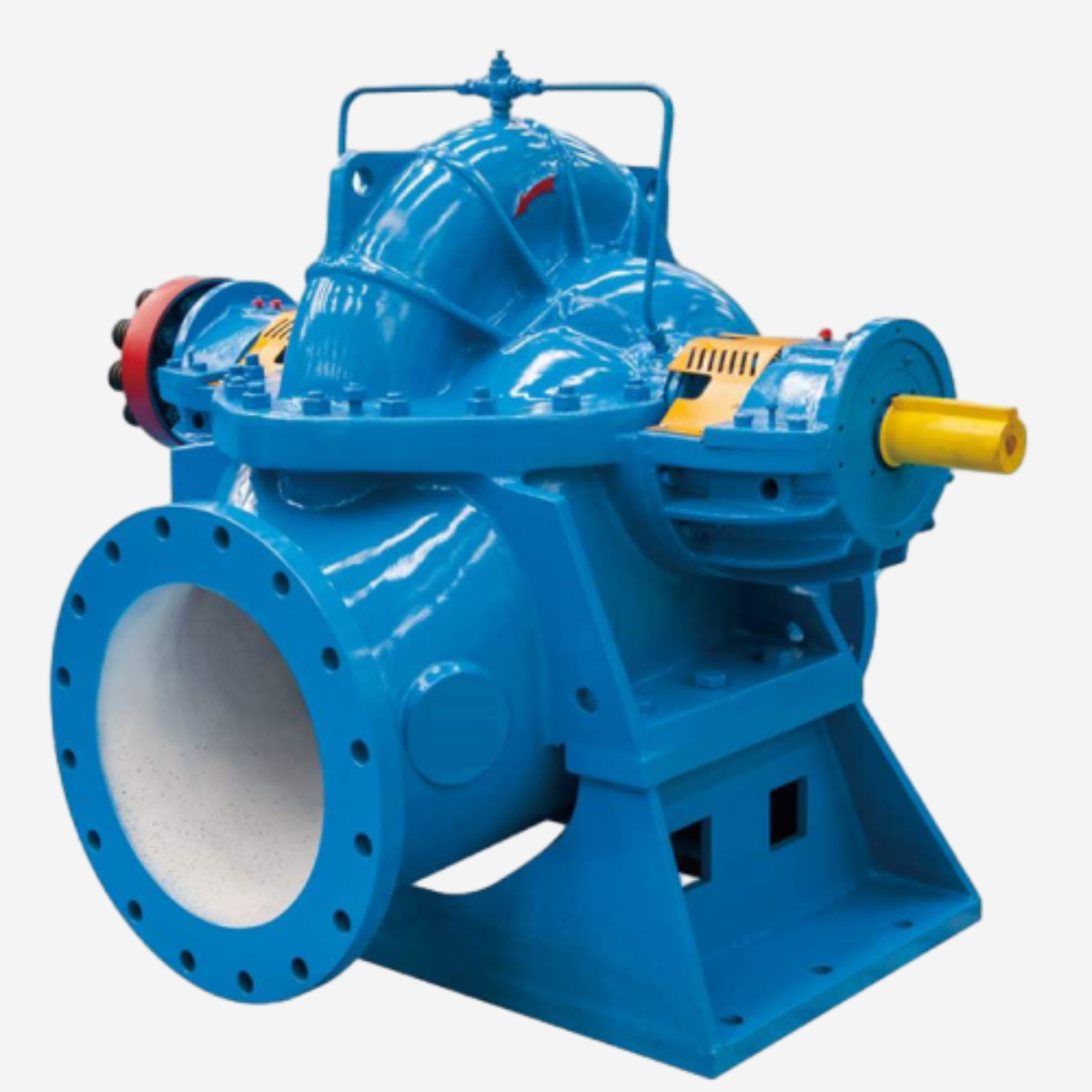
Performance of Metso vertical slurry pumps is governed by the principles of centrifugal pump hydraulics. Force analysis considers hydrostatic pressure, dynamic pressure from slurry flow, and mechanical loads from the pump's weight and piping connections. The vertical configuration minimizes axial thrust on the impeller shaft, relying primarily on radial bearings. Environmental resistance is addressed through material selection and protective coatings. Casings are designed to withstand operating pressures and external loads, meeting ASME B31.3 standards for process piping. Compliance requirements include adherence to Hydraulic Institute standards for pump performance testing and ISO 9001 for quality management systems. Hydraulic design is optimized using Computational Fluid Dynamics (CFD) to minimize energy losses and maximize pump efficiency. Impeller geometry (blade angle, vane number, diameter) is crucial for achieving the desired head-capacity characteristics. Suction-specific speed is a key parameter in selecting the appropriate impeller design for the specific slurry characteristics. The pump's Net Positive Suction Head Required (NPSHr) must be matched to the available NPSHa in the system to prevent cavitation. Bearing lubrication systems are designed for continuous operation and incorporate temperature monitoring to prevent bearing failure. Pump performance curves are generated through rigorous testing, adhering to ISO 5003 standards.
Technical Specifications
| Parameter | Unit | Typical Value (Example – MVPS 355-300) | Notes |
|---|---|---|---|
| Maximum Flow Rate | m³/hr | 500 | Varies significantly with impeller diameter and speed |
| Maximum Head | m | 80 | Dependent on impeller design and pump speed |
| Solids Handling Size | mm | 75 | Dependent on impeller design; larger sizes available |
| Slurry Concentration (Max.) | % by weight | 60 | Varies based on slurry density and viscosity |
| Operating Temperature | °C | -30 to 140 | Material limitations apply at extreme temperatures |
| Motor Power | kW | 55 | Determined by flow rate, head, and pump efficiency |
Failure Mode & Maintenance
Common failure modes in Metso vertical slurry pumps include impeller wear (erosion, abrasion), casing wear, bearing failure, seal failure, and shaft breakage. Impeller wear is accelerated by high solids content, particle size, and slurry velocity. Casing wear often occurs in the volute and suction areas. Bearing failures are typically caused by inadequate lubrication, contamination, or excessive loads. Seal failures can result from abrasive particles, dry running, or chemical incompatibility. Shaft breakage can occur due to fatigue cracking initiated by stress concentrations or corrosion. Failure analysis involves visual inspection, dimensional measurements, metallographic examination, and non-destructive testing. Preventive maintenance includes regular lubrication of bearings, inspection of seals, monitoring of vibration levels, and periodic replacement of wear parts. Corrective maintenance involves repairing or replacing damaged components. Wear parts should be replaced based on performance monitoring and wear rate calculations. Impeller trimming can be used to adjust pump performance, but excessive trimming can reduce efficiency. Proper alignment of the pump and motor is crucial for preventing bearing failure. Regular monitoring of pump efficiency can indicate internal wear and allow for proactive maintenance. A robust maintenance schedule, coupled with vibration analysis and oil analysis, is crucial for maximizing pump uptime and minimizing TCO.
Industry FAQ
Q: What is the impact of slurry composition on pump selection?
A: Slurry composition—specifically particle size distribution, solids concentration, particle shape, and chemical properties—significantly impacts pump selection. Higher solids concentrations and larger particle sizes necessitate pumps with larger free passages and more abrasion-resistant materials. Chemically aggressive slurries require materials with high corrosion resistance, such as stainless steel or specialized alloys. Ignoring slurry characteristics leads to premature wear and reduced pump life.
Q: How does NPSH affect pump performance and reliability?
A: Net Positive Suction Head (NPSH) is critical. Insufficient NPSH available (NPSHa) compared to the pump’s required NPSH (NPSHr) causes cavitation, leading to impeller damage, noise, and reduced performance. Maintaining adequate NPSHa through proper system design and pump installation is paramount for reliable operation.
Q: What are the benefits of using a vertical pump configuration compared to horizontal pumps in slurry applications?
A: Vertical pumps minimize footprint, eliminate the need for separate pump foundations, and simplify installation, particularly in sumps. They also reduce the risk of leakage, as the pump seal is submerged. The elimination of long suction lift piping reduces NPSH issues.
Q: What is the role of impeller trim in optimizing pump performance?
A: Impeller trim adjusts the pump's head-capacity curve to match the system requirements. Trimming reduces both head and power consumption. However, excessive trimming can negatively impact pump efficiency and increase recirculation losses. Careful calculations and performance monitoring are essential.
Q: What maintenance practices are crucial for extending the lifespan of a vertical slurry pump?
A: Regular lubrication, seal inspection and replacement, bearing monitoring (vibration analysis and temperature checks), and periodic impeller and casing inspection are vital. Implementing a proactive wear parts replacement program based on wear rate calculations and performance monitoring is key to minimizing downtime and maximizing lifespan.
Conclusion
Metso vertical slurry pumps represent a sophisticated engineering solution for demanding fluid handling applications. Their design, encompassing robust material selection, optimized hydraulic performance, and a vertical configuration, directly addresses the core challenges faced by industries dealing with abrasive and corrosive slurries: minimizing downtime, reducing maintenance costs, and maximizing operational efficiency. A thorough understanding of slurry characteristics, NPSH requirements, and appropriate maintenance practices are crucial for achieving optimal pump performance and extending service life.
Looking forward, advancements in materials science, such as the development of more wear-resistant alloys and coatings, will further enhance the longevity and performance of these pumps. Integration of smart monitoring systems and predictive maintenance algorithms will enable proactive intervention, minimizing unplanned downtime and optimizing maintenance schedules. Continued refinement of impeller designs through CFD modeling will lead to even greater hydraulic efficiency and reduced energy consumption.
-
Precision at the Pump: How Better Machining Protects Flow and Uptime
News2026-11-20
-
Why Pump Reliability Begins Before the First Drop of Fluid
News2026-11-20
-
Beyond the Pump: Designing Safer Access Around Critical Water Infrastructure
News2026-11-20
-
Why Pumping Stations Depend on the Infrastructure Beneath the Pumps
News2026-11-20
-
Beyond the Pump Room: How Smarter Loading Protects Industrial Equipment
News2026-11-19
-
When Pumps Stop: Designing More Resilient Power for Critical Pumping Systems
News2026-11-19
-
The Hidden Role of Dust and Gas Monitoring in Reliable Pump Operations
News2026-11-19
-
The Hidden Role of Mineral Compounds in Extending Industrial Pump Lifespan
News2026-10-12
-
Why Pump System Reliability Depends on Precision Hose Assembly Methods
News2026-09-15
-
How Advanced Imaging Films Are Transforming Pump Component Quality Control
News2026-08-25
-
How Advanced Filtration Protects Pump Systems from Premature Wear and Costly Downtime
News2026-08-25
-
How Steel Material Selection Drives Pump Reliability in Heavy-Duty Systems
News2026-08-25
-
Ensuring Pump System Efficiency: The Role of High-Quality Pipe Fittings and Tubing
News2026-08-24
-
Optimizing Fluid Dynamics and Material Consistency in Industrial Processing
News2026-08-18
-
Innovations and Challenges in Hydraulic Systems for Heavy Machinery
News2026-08-13




