English
- Afrikaans
- Albanian
- Amharic
- Arabic
- Armenian
- Azerbaijani
- Basque
- Belarusian
- Bengali
- Bosnian
- Bulgarian
- Catalan
- Cebuano
- Corsican
- Croatian
- Czech
- Danish
- Dutch
- English
- Esperanto
- Estonian
- Finnish
- French
- Frisian
- Galician
- Georgian
- German
- Greek
- Gujarati
- Haitian Creole
- hausa
- hawaiian
- Hebrew
- Hindi
- Miao
- Hungarian
- Icelandic
- igbo
- Indonesian
- irish
- Italian
- Japanese
- Javanese
- Kannada
- kazakh
- Khmer
- Rwandese
- Korean
- Kurdish
- Kyrgyz
- Lao
- Latin
- Latvian
- Lithuanian
- Luxembourgish
- Macedonian
- Malgashi
- Malay
- Malayalam
- Maltese
- Maori
- Marathi
- Mongolian
- Myanmar
- Nepali
- Norwegian
- Norwegian
- Occitan
- Pashto
- Persian
- Polish
- Portuguese
- Punjabi
- Romanian
- Russian
- Samoan
- Scottish Gaelic
- Serbian
- Sesotho
- Shona
- Sindhi
- Sinhala
- Slovak
- Slovenian
- Somali
- Spanish
- Sundanese
- Swahili
- Swedish
- Tagalog
- Tajik
- Tamil
- Tatar
- Telugu
- Thai
- Turkish
- Turkmen
- Ukrainian
- Urdu
- Uighur
- Uzbek
- Vietnamese
- Welsh
- Bantu
- Yiddish
- Yoruba
- Zulu

Telephone: +86 13120555503
Email: frank@cypump.com


Apr . 01, 2024 17:55 Back to list
metso slurry pump Performance Analysis and Manufacturing Specifications
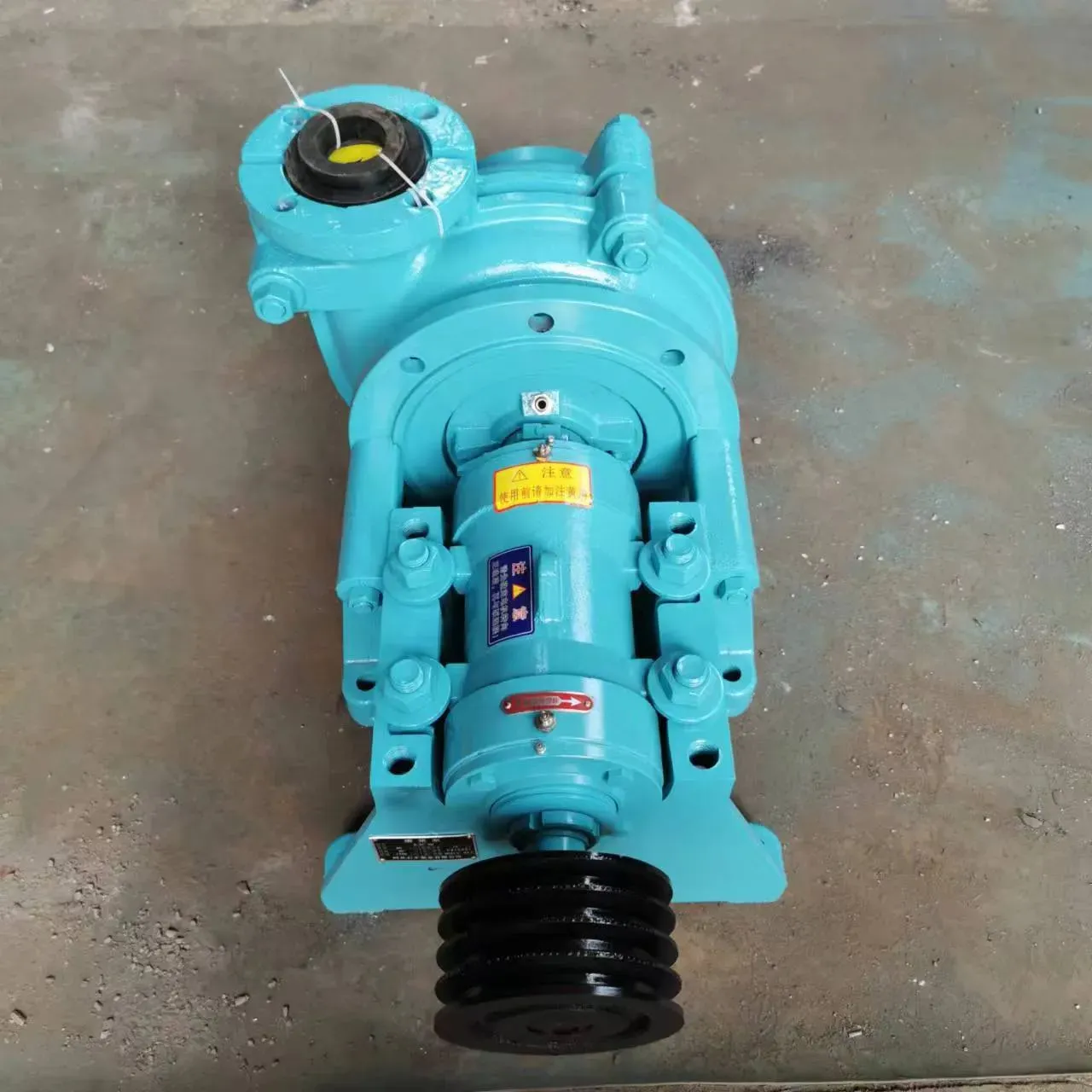
Metso Slurry Pump Performance Analysis and Manufacturing Specifications
The Metso slurry pump represents a critical engineering component within the mineral processing and industrial tailings chains, designed specifically to transport highly abrasive and corrosive fluids. In the hierarchy of industrial fluid dynamics, these pumps function as the primary kinetic energy source for moving slurries—mixtures of solids and liquids—where traditional centrifugal pumps would suffer immediate catastrophic failure. The technical position of the Metso slurry pump is centered on the optimization of the Total Dynamic Head (TDH) and the maximization of the Mean Time Between Maintenance (MTBM). By integrating advanced hydraulic design with superior material science, these pumps address the core industry pain point: the rapid degradation of internal wetted parts due to erosive wear and chemical leaching, ensuring operational continuity in mining, dredging, and chemical processing environments.
Material Science & Manufacturing
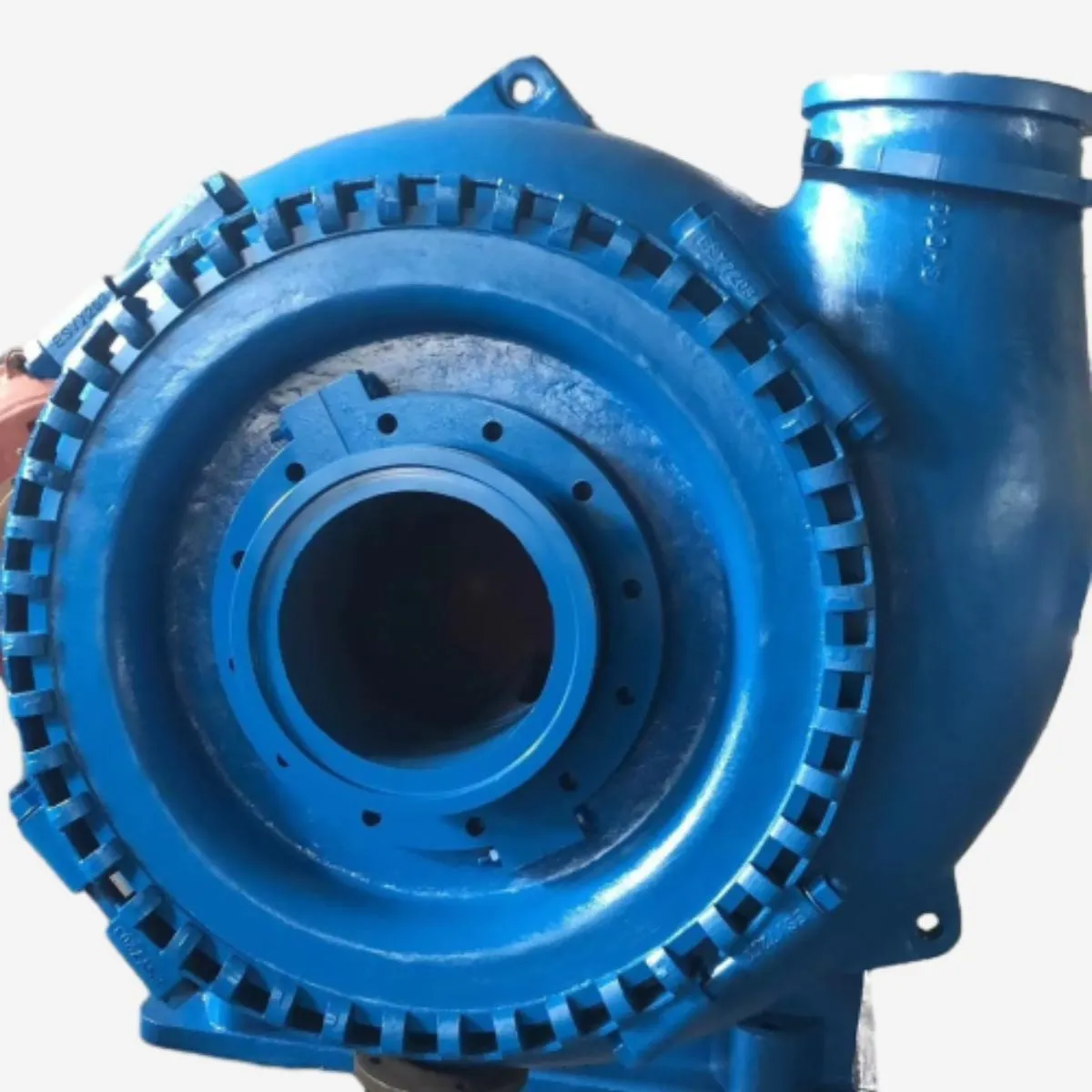
The longevity of a Metso slurry pump is fundamentally dependent on its metallurgical composition. The primary challenge is the synergy between abrasion (mechanical wear) and corrosion (chemical degradation). To combat this, Metso employs a range of high-performance alloys and elastomers. High-chrome white irons (typically 27% Cr) are utilized for impellers and liners to provide a hard martensitic matrix with embedded primary carbides, offering exceptional resistance to sliding abrasion. For applications involving higher acidity or alkalinity, duplex stainless steels or specialized rubber linings are employed to prevent pitting and stress corrosion cracking.
The manufacturing process involves precision casting followed by rigorous heat treatment cycles to ensure uniform hardness across the component geometry. The impeller casting undergoes a controlled cooling process to avoid internal porosity and shrinkage, which could otherwise serve as nucleation sites for crack propagation under high hydraulic stress. Furthermore, the housing is often designed with a modular liner system, allowing for the replacement of wear parts without dismantling the entire pump casing. Key parameter control during the machining phase focuses on the clearance between the impeller and the wear plate; an oversized clearance leads to excessive recirculation and energy loss, while an undersized clearance increases the risk of seizing due to the accumulation of solid particles.
Performance & Engineering
Engineering a Metso slurry pump requires a complex analysis of fluid-solid interaction. The hydraulic design focuses on reducing the relative velocity between the slurry and the internal surfaces, as the rate of erosive wear is typically proportional to the cube of the velocity. The impeller geometry is optimized using Computational Fluid Dynamics (CFD) to minimize turbulence and cavitation, particularly at the eye of the impeller where pressure drops are most significant. Cavitation in slurry pumps is particularly destructive, as the imploding bubbles remove protective oxide layers from the metal, accelerating the corrosive attack.
Force analysis is critical for the shaft and bearing assembly. The radial loads imposed by asymmetric wear or non-uniform slurry density can lead to shaft deflection, which subsequently compromises the mechanical seal or gland packing. To mitigate this, Metso utilizes heavy-duty bearings and reinforced shafting capable of withstanding high torque and bending moments. Environmental resistance is further enhanced through the use of specialized coatings and seal-water flushing systems that create a pressure barrier, preventing abrasive particles from migrating into the bearing housing. Compliance with international safety and efficiency standards ensures that the pump operates within the designated Best Efficiency Point (BEP), reducing energy consumption and mechanical vibration.
Technical Specifications
| Parameter Dimension | High-Chrome Alloy Spec | Natural Rubber Spec | Duplex Steel Spec | Engineering Unit |
|---|---|---|---|---|
| Hardness (Rockwell C) | 60 - 65 HRC | 60 - 70 Shore A | 25 - 30 HRC | HRC/Shore A |
| Max Particle Size | Up to 100 mm | Up to 20 mm | Up to 50 mm | Millimeters |
| Corrosion Resistance | Moderate | Excellent (Acidic) | Superior (Saline) | Qualitative |
| Abrasion Resistance | Extreme | High (Fine Solids) | Moderate | Qualitative |
| Operating Temp Range | -20°C to 150°C | -10°C to 70°C | -40°C to 200°C | Celsius |
| Typical Wear Life | 12 - 24 Months | 6 - 18 Months | 18 - 36 Months | Months |
Failure Mode & Maintenance
The failure modes of Metso slurry pumps are predominantly categorized by wear mechanisms. Fatigue cracking often occurs in the impeller vanes due to cyclic loading and the impact of oversized solids, leading to a gradual loss of head pressure. Delamination is a common failure in rubber-lined pumps, where the bond between the elastomer and the metal shell fails due to thermal expansion differentials or chemical degradation of the adhesive. Oxidation and galvanic corrosion can occur in the shaft and coupling areas if the seal water quality is poor or if there is a lack of proper electrical grounding, leading to pitting and premature seal failure.
Professional maintenance protocols dictate a predictive approach. Vibration analysis is employed to detect bearing wear or impeller imbalance before catastrophic failure occurs. Ultrasonic thickness gauging is used to monitor the wear rate of the liners, allowing for scheduled replacements during planned shutdowns rather than reactive repairs. Maintenance solutions include the implementation of automated lubrication systems to ensure the bearings remain cooled and lubricated under high-load conditions. When replacing impellers, it is imperative to verify the balance and check the wear plate clearance to restore the pump to its original hydraulic efficiency.
Industry FAQ
Q: How do we determine whether to use a high-chrome liner or a rubber liner for a specific application?
A: The selection depends on the particle size and the nature of the slurry. High-chrome alloys are required for coarse, sharp, and highly abrasive particles that would easily cut through rubber. Conversely, rubber liners are superior for fine-particle slurries and environments with high corrosive potential, as they absorb the energy of small particle impacts rather than resisting them through hardness.
Q: What is the primary cause of premature seal failure in these pumps?
A: The most frequent cause is the infiltration of abrasive solids into the seal face. This usually occurs due to insufficient seal-water pressure or the use of contaminated flush water. When the flush water pressure is lower than the internal pump pressure, slurry leaks into the seal, causing rapid abrasive wear and subsequent leakage.
Q: Why is the pump experiencing excessive vibration despite new bearings?
A: Excessive vibration is often an indicator of impeller imbalance caused by uneven wear or a partially clogged impeller. In some cases, it may be due to misalignment between the pump and the motor or "piping strain," where the rigidity of the connected pipes forces the pump casing out of alignment.
Q: How does slurry density affect the NPSHr (Net Positive Suction Head Required)?
A: As slurry density increases, the viscosity of the fluid rises, which increases the frictional losses in the suction piping. This increases the NPSHr of the pump. If the NPSHa (Available) drops below the NPSHr, cavitation will occur, significantly reducing the lifespan of the impeller and decreasing the flow rate.
Q: What are the signs that the pump is operating too far from its Best Efficiency Point (BEP)?
A: Operating too far from the BEP typically manifests as increased noise, radial shaft vibration, and an accelerated wear rate on the liners. You will also observe a significant increase in power consumption relative to the actual volume of slurry being moved, indicating hydraulic inefficiency.
Conclusion
The technical integrity of the Metso slurry pump is derived from the precise alignment of metallurgical selection and hydraulic engineering. By addressing the fundamental challenges of erosive wear and corrosive attack through high-chrome alloys and optimized CFD-driven geometries, these pumps ensure the stability of the industrial mineral processing chain. The transition from reactive to predictive maintenance, supported by vibration analysis and thickness monitoring, is essential for maximizing the operational lifecycle of these assets.
Looking forward, the integration of smart sensing technologies and real-time wear monitoring will further refine the efficiency of slurry transport. Engineering focus must remain on the reduction of energy consumption and the development of even more resilient composite materials. Adhering to the rigorous specifications and maintenance protocols outlined in this guide will ensure that the pumping system maintains peak performance under the most demanding industrial conditions.
-
Comprehensive Guide to Waterproof ORings for Optimal Sealing Solutions
News2026-06-09
-
septic system sump pump Performance Analysis
News2026-06-26
-
septic pump company Performance Analysis
News2026-06-26
-
pumps water treatment Performance Analysis
News2026-06-26
-
pumps for septic tanks Material Science and Manufacturing
News2026-06-26
-
pump for septic system Material Science Manufacturing
News2026-06-26
-
heavy duty submersible pump Performance Analysis
News2026-06-25
-
best submersible pump for septic tank Performance Analysis
News2026-06-25
-
basement sewer ejector pump Performance Analysis
News2026-06-25
-
basement pumps ejector pumps Performance Analysis
News2026-06-25
-
basement lift pump Performance and Engineering
News2026-06-25
-
basement bathroom pump systems Performance Analysis
News2026-06-24
-
basement bathroom ejector pump system Performance Engineering
News2026-06-24
-
2 hp sewage pump Performance Engineering
News2026-06-24
-
1 hp septic pump Performance Engineering
News2026-06-24




