English
- Afrikaans
- Albanian
- Amharic
- Arabic
- Armenian
- Azerbaijani
- Basque
- Belarusian
- Bengali
- Bosnian
- Bulgarian
- Catalan
- Cebuano
- Corsican
- Croatian
- Czech
- Danish
- Dutch
- English
- Esperanto
- Estonian
- Finnish
- French
- Frisian
- Galician
- Georgian
- German
- Greek
- Gujarati
- Haitian Creole
- hausa
- hawaiian
- Hebrew
- Hindi
- Miao
- Hungarian
- Icelandic
- igbo
- Indonesian
- irish
- Italian
- Japanese
- Javanese
- Kannada
- kazakh
- Khmer
- Rwandese
- Korean
- Kurdish
- Kyrgyz
- Lao
- Latin
- Latvian
- Lithuanian
- Luxembourgish
- Macedonian
- Malgashi
- Malay
- Malayalam
- Maltese
- Maori
- Marathi
- Mongolian
- Myanmar
- Nepali
- Norwegian
- Norwegian
- Occitan
- Pashto
- Persian
- Polish
- Portuguese
- Punjabi
- Romanian
- Russian
- Samoan
- Scottish Gaelic
- Serbian
- Sesotho
- Shona
- Sindhi
- Sinhala
- Slovak
- Slovenian
- Somali
- Spanish
- Sundanese
- Swahili
- Swedish
- Tagalog
- Tajik
- Tamil
- Tatar
- Telugu
- Thai
- Turkish
- Turkmen
- Ukrainian
- Urdu
- Uighur
- Uzbek
- Vietnamese
- Welsh
- Bantu
- Yiddish
- Yoruba
- Zulu

Telephone: +86 13120555503
Email: frank@cypump.com


Apr . 01, 2024 17:55 Back to list
metal slurry pump Performance Analysis
Introduction
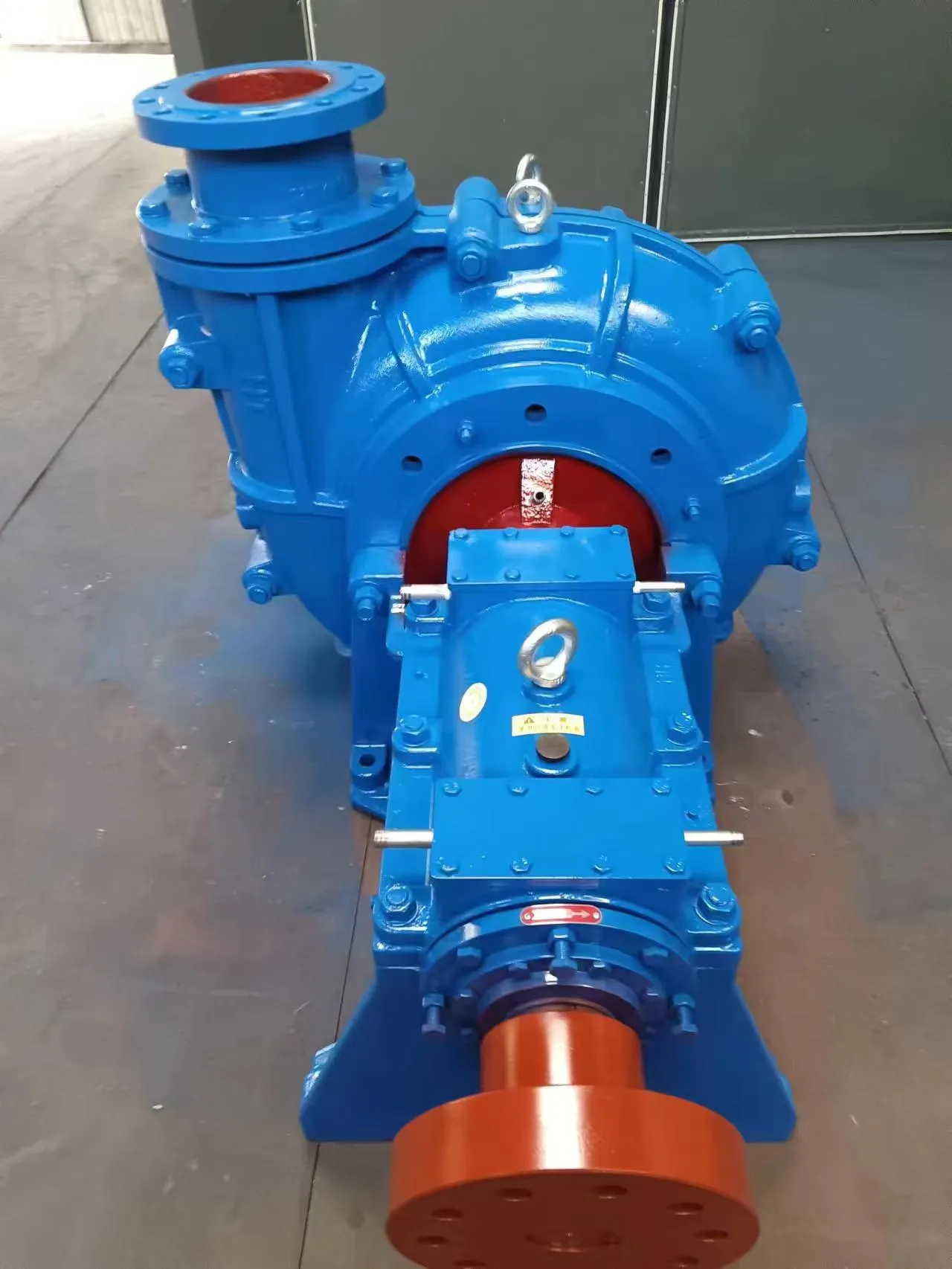
Metal slurry pumps are engineered to efficiently transfer abrasive and corrosive fluids containing solid particles. They represent a critical component in numerous industrial processes, including mining, dredging, chemical processing, and wastewater treatment. Positioned downstream of separation and initial processing stages, these pumps address a core industry challenge: the reliable and cost-effective movement of dense, abrasive media that would rapidly degrade standard centrifugal pumps. Core performance characteristics include flow rate (typically measured in gallons per minute or cubic meters per hour), head (pressure developed, measured in feet or meters), solids handling capability (particle size and concentration), and abrasion resistance. The selection and operation of these pumps are heavily influenced by the slurry's characteristics and the specific demands of the application, demanding a detailed understanding of material science, hydraulic design, and wear mitigation techniques.
Material Science & Manufacturing
The construction of metal slurry pumps necessitates materials capable of withstanding severe abrasion, corrosion, and impact. Common materials include high-chrome cast iron (typically 27-30% chromium) for impeller and casing components, offering exceptional wear resistance due to the formation of hard chromium carbides. Other materials employed are stainless steel (304, 316, duplex grades) for corrosion resistance in aggressive chemical environments, and hardened carbon steel for components requiring high tensile strength. Pump casings are frequently manufactured using sand casting followed by heat treatment to optimize hardness and toughness. Impellers often utilize investment casting for complex geometries and dimensional accuracy. Welding processes, such as shielded metal arc welding (SMAW) and gas tungsten arc welding (GTAW), are critical for joining components, demanding qualified welders and stringent quality control procedures to prevent porosity and cracking. Parameter control during casting includes precise control of pouring temperature, cooling rate, and mold composition to influence the microstructure and mechanical properties of the final product. Liners made of rubber (natural or synthetic) or polyurethane are frequently incorporated into pump casings to provide additional corrosion and abrasion protection. Material selection is contingent upon the slurry’s pH, particle size distribution, hardness, and chemical composition, requiring thorough analysis to prevent premature failure.
Performance & Engineering
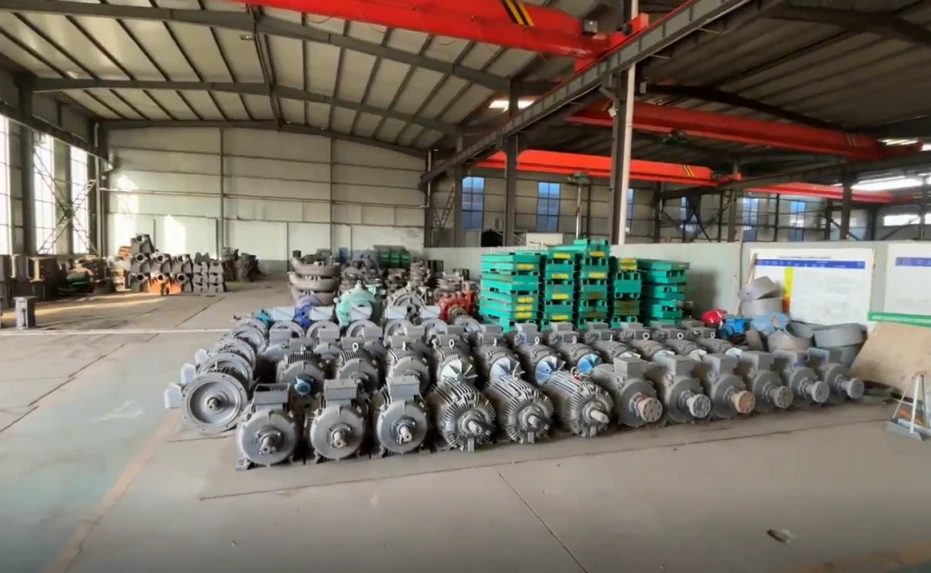
Performance evaluation of metal slurry pumps hinges on hydraulic design principles and rigorous testing. Key engineering considerations include impeller design (affecting head and flow rate), casing volute shape (influencing efficiency and pressure distribution), and sealing arrangements (preventing leakage and ingress of abrasive particles). Force analysis is paramount, particularly regarding radial loads imposed by the slurry on the impeller shaft. Bearing selection and lubrication systems must accommodate these substantial loads and ensure longevity. Environmental resistance is a critical factor; pumps operating in corrosive environments require careful selection of materials and coatings. Compliance requirements vary by region and application, often encompassing environmental regulations regarding emissions and waste disposal. Functional implementation often involves variable frequency drives (VFDs) for flow control and energy optimization, and automated control systems for remote monitoring and operation. Net Positive Suction Head Required (NPSHr) calculations are crucial to avoid cavitation, a destructive phenomenon that significantly reduces pump performance and lifespan. The slurry’s rheological properties (viscosity, yield stress) strongly influence pump performance, requiring consideration during pump selection and system design. Understanding the slurry transport velocity is critical to avoid sedimentation and plugging within the pump and pipeline.
Technical Specifications
| Parameter | Unit | Typical Range (Standard Chrome Iron Pump) | Typical Range (Stainless Steel Pump) |
|---|---|---|---|
| Flow Rate | GPM (US) | 50 – 500 | 20 – 200 |
| Head | ft | 50 – 300 | 100 – 400 |
| Solids Handling | inches | Up to 3 | Up to 2 |
| Slurry Concentration (Weight %) | % | Up to 70 | Up to 60 |
| Impeller Material | - | High Chrome Cast Iron | Stainless Steel (304, 316) |
| Casing Material | - | High Chrome Cast Iron | Stainless Steel (304, 316) |
Failure Mode & Maintenance
Metal slurry pumps are susceptible to various failure modes, primarily stemming from abrasive wear, corrosive attack, and erosion. Fatigue cracking can occur in impeller vanes and pump casings due to cyclical loading. Delamination of rubber or polyurethane liners is a common issue, reducing corrosion and abrasion protection. Cavitation, as previously mentioned, can lead to impeller damage and reduced efficiency. Oxidation and pitting corrosion are prevalent in stainless steel pumps operating in chloride-rich environments. Bearing failure due to inadequate lubrication or excessive loading is another frequent cause of downtime. Preventative maintenance strategies include regular visual inspections for wear and corrosion, monitoring bearing temperature and vibration, lubricating bearings according to manufacturer's specifications, and periodic replacement of wear parts (liners, impellers, casings). Non-destructive testing (NDT) methods, such as ultrasonic testing and radiography, can detect hidden cracks and defects. Proper slurry management, including removal of oversized particles and control of slurry concentration, is essential for extending pump life. Implementing a condition monitoring program based on vibration analysis and oil analysis can provide early warning of impending failures.
Industry FAQ
Q: What is the primary difference between a high-chrome iron pump and a stainless steel pump for slurry applications?
A: High-chrome iron pumps excel in abrasive wear resistance due to the formation of hard chromium carbides, making them ideal for slurries with high solid concentrations and sharp particles. However, they are susceptible to corrosion. Stainless steel pumps offer superior corrosion resistance but generally have lower abrasion resistance. The selection depends on the slurry’s composition; corrosive slurries necessitate stainless steel, while highly abrasive, non-corrosive slurries benefit from high-chrome iron.
Q: How does impeller design affect pump performance with varying particle sizes?
A: Impeller design significantly influences the pump’s ability to handle different particle sizes. Open impellers are better suited for large particles and stringy materials, as they minimize clogging. Closed impellers offer higher efficiency for smaller, uniform particles. Impeller vane geometry (angle, width) also impacts the pump's ability to generate sufficient shear force to keep particles suspended and prevent sedimentation.
Q: What are the consequences of operating a slurry pump outside of its recommended NPSHr?
A: Operating a pump outside its recommended NPSHr leads to cavitation, the formation of vapor bubbles within the pump impeller. Cavitation causes noise, vibration, reduced efficiency, and ultimately, severe damage to the impeller and casing due to imploding bubbles. Proper NPSHr calculation and system design are crucial to prevent this destructive phenomenon.
Q: What maintenance practices are critical for extending the life of slurry pump seals?
A: Seal life is significantly impacted by slurry abrasiveness and the presence of solids. Regular inspection for wear, proper lubrication, and flushing seals with clean fluid are critical. Consider using mechanical seals with hardened faces or incorporating seal support systems (dual seals, barrier fluid) to enhance reliability and prevent abrasive particle ingress.
Q: How does slurry velocity affect pump performance and wear rates?
A: Slurry velocity directly influences pump performance and wear. Too low a velocity can cause solids to settle, leading to increased wear at the bottom of the pump casing and potential plugging. Excessive velocity increases erosive wear on the impeller and casing. Maintaining an optimal velocity, typically between 2-4 meters per second, is essential for maximizing pump efficiency and minimizing wear.
Conclusion
The selection and operation of metal slurry pumps are complex endeavors demanding a comprehensive understanding of material science, hydraulic principles, and the specific characteristics of the slurry being handled. Optimizing pump performance requires careful consideration of flow rate, head, solids handling capability, abrasion resistance, and corrosion resistance. Implementing robust preventative maintenance programs and utilizing condition monitoring techniques are crucial for minimizing downtime and extending pump lifespan.
Future advancements in slurry pump technology will likely focus on developing more wear-resistant materials, optimizing impeller designs for enhanced efficiency, and integrating advanced control systems for automated operation and remote monitoring. Addressing the challenges associated with highly abrasive and corrosive slurries remains a critical area of ongoing research and development.
-
Comprehensive Guide to Waterproof ORings for Optimal Sealing Solutions
News2026-06-09
-
best sewage ejector pump Performance Engineering
News2026-06-11
-
aerobic septic system pump Performance Analysis
News2026-06-11
-
Sumergible Pump Performance Analysis
News2026-06-11
-
ejector pump for basement Performance Engineering
News2026-06-11
-
sewer lift pump Performance Engineering
News2026-06-11
-
Septic Pump Replacement Performance Analysis
News2026-06-10
-
Septic Pump Price Performance Analysis
News2026-06-10
-
pumps for septic systems Material Science Manufacturing
News2026-06-10
-
ejector pumps for basement bathrooms Performance Analysis
News2026-06-10
-
Ejector Pump Cost Analysis
News2026-06-10
-
drainage pumps Performance and Engineering
News2026-06-09
-
basement bathroom ejector pump Material Science
News2026-06-09
-
Sewer Ejector Pump Cost Performance Analysis
News2026-06-09
-
Septic Tank Pump Replacement Performance Analysis
News2026-06-09




