English
- Afrikaans
- Albanian
- Amharic
- Arabic
- Armenian
- Azerbaijani
- Basque
- Belarusian
- Bengali
- Bosnian
- Bulgarian
- Catalan
- Cebuano
- Corsican
- Croatian
- Czech
- Danish
- Dutch
- English
- Esperanto
- Estonian
- Finnish
- French
- Frisian
- Galician
- Georgian
- German
- Greek
- Gujarati
- Haitian Creole
- hausa
- hawaiian
- Hebrew
- Hindi
- Miao
- Hungarian
- Icelandic
- igbo
- Indonesian
- irish
- Italian
- Japanese
- Javanese
- Kannada
- kazakh
- Khmer
- Rwandese
- Korean
- Kurdish
- Kyrgyz
- Lao
- Latin
- Latvian
- Lithuanian
- Luxembourgish
- Macedonian
- Malgashi
- Malay
- Malayalam
- Maltese
- Maori
- Marathi
- Mongolian
- Myanmar
- Nepali
- Norwegian
- Norwegian
- Occitan
- Pashto
- Persian
- Polish
- Portuguese
- Punjabi
- Romanian
- Russian
- Samoan
- Scottish Gaelic
- Serbian
- Sesotho
- Shona
- Sindhi
- Sinhala
- Slovak
- Slovenian
- Somali
- Spanish
- Sundanese
- Swahili
- Swedish
- Tagalog
- Tajik
- Tamil
- Tatar
- Telugu
- Thai
- Turkish
- Turkmen
- Ukrainian
- Urdu
- Uighur
- Uzbek
- Vietnamese
- Welsh
- Bantu
- Yiddish
- Yoruba
- Zulu

Telephone: +86 13120555503
Email: frank@cypump.com


Apr . 01, 2024 17:55 Back to list
metal slurry pump parts Material Science
Introduction
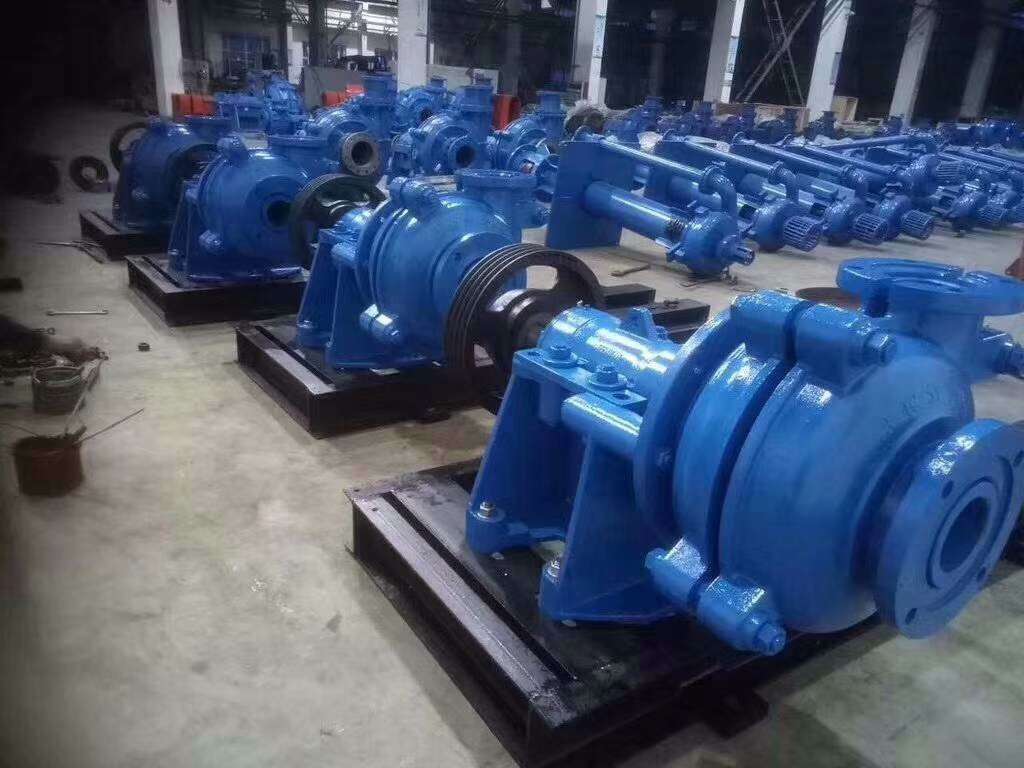
Metal slurry pump parts represent critical components in fluid handling systems utilized across numerous industries including mining, dredging, chemical processing, and wastewater treatment. These components are specifically designed to withstand the abrasive and corrosive nature of slurries – mixtures of liquids carrying solid particles. This guide provides an in-depth technical overview of these parts, encompassing material science, manufacturing processes, performance characteristics, potential failure modes, and relevant industry standards. The core performance criteria for these parts revolve around abrasion resistance, corrosion resistance, hydraulic efficiency, and longevity under demanding operating conditions. A significant industry pain point centers around balancing initial component cost with long-term operational expenditures related to frequent replacements caused by premature wear or material degradation. Selecting the appropriate materials and manufacturing techniques is paramount to mitigating these costs.
Material Science & Manufacturing
The primary materials employed in metal slurry pump part fabrication are high-chrome cast iron alloys (typically containing 15-30% chromium), stainless steels (specifically austenitic grades like 304L and 316L), and specialized alloy materials such as duplex stainless steels and high-silicon cast irons. High-chrome cast iron offers exceptional abrasion resistance due to the formation of hard chromium carbides within the iron matrix. However, its corrosion resistance is limited. Stainless steels provide superior corrosion resistance but generally exhibit lower abrasion resistance compared to high-chrome irons. Duplex stainless steels combine good abrasion resistance with improved corrosion resistance, albeit at a higher cost. High-silicon cast irons leverage the inherent hardness of silicon carbides for enhanced wear properties.
Manufacturing processes vary depending on the component and material. Impellers and casings are commonly produced via sand casting, utilizing patterns created through 3D printing or traditional machining. Casting parameters, including pouring temperature, cooling rate, and mold material, are tightly controlled to optimize the microstructure and minimize defects like porosity and shrinkage. Shafts are typically forged or machined from alloy steel bar stock, followed by heat treatment (quenching and tempering) to achieve desired hardness and toughness. Liners, often used to protect casings from abrasion, can be applied via welding (using wear-resistant overlays) or through the application of rubber or polymer coatings. Welding procedures require precise control of heat input and filler metal composition to maintain material integrity and prevent cracking. Post-manufacturing processes include precision machining to ensure dimensional accuracy and surface finishing to minimize friction and improve hydraulic performance. Non-destructive testing (NDT) methods, such as radiographic inspection and ultrasonic testing, are employed to detect internal flaws and ensure component quality.
Performance & Engineering
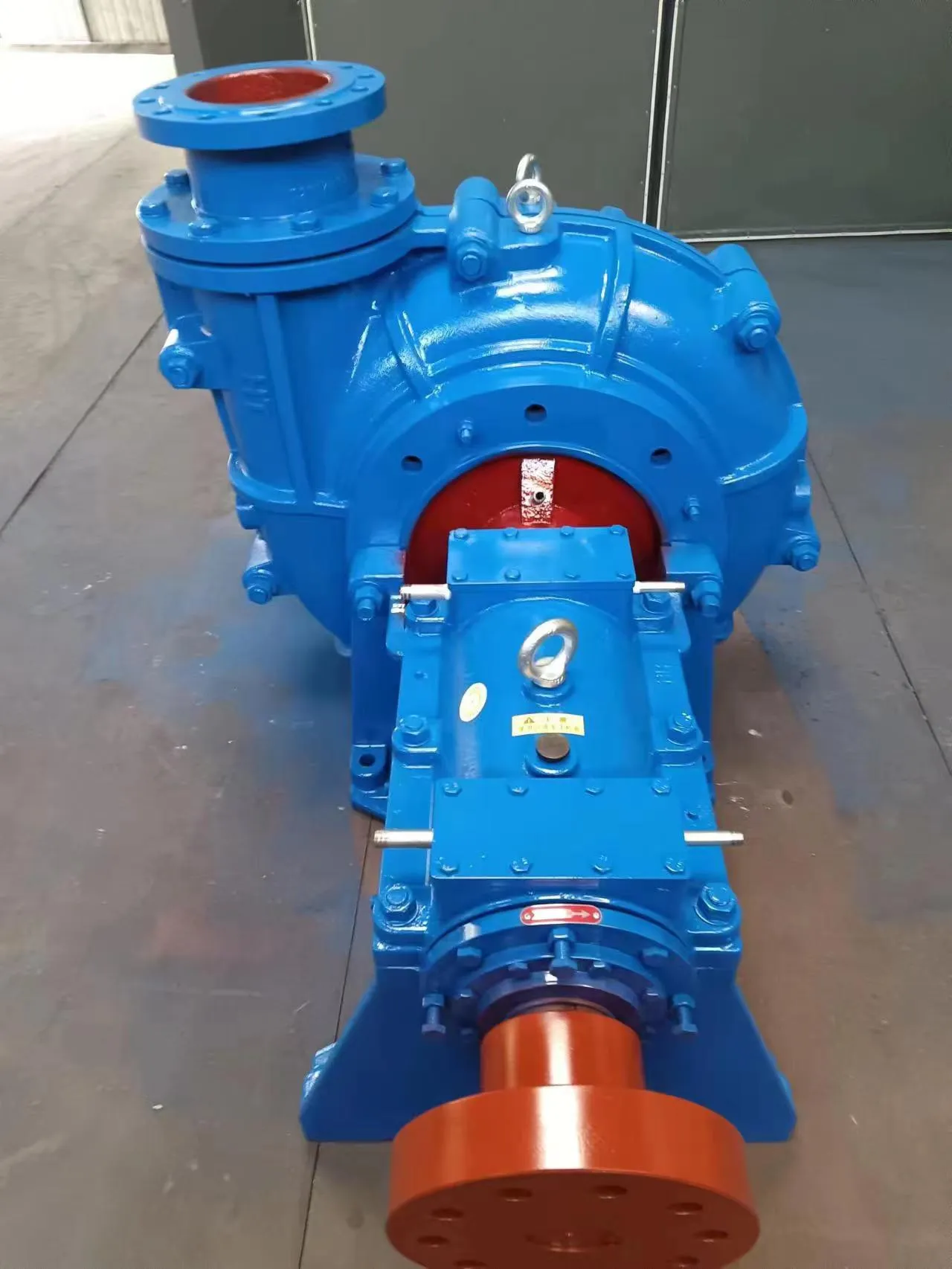
The performance of metal slurry pump parts is intrinsically linked to fluid dynamics and material mechanics. Impeller design, for example, directly impacts pump efficiency and head generation. Computational Fluid Dynamics (CFD) simulations are routinely used to optimize impeller geometry, minimizing turbulence and maximizing hydraulic power. Force analysis, considering the impact forces exerted by solid particles within the slurry, is critical for determining component stress levels and predicting fatigue life. Cavitation, the formation and collapse of vapor bubbles within the pump, is a significant concern, particularly in high-speed applications. Anti-cavitation measures, such as optimizing impeller inlet conditions and increasing suction pressure, are implemented to prevent damage to impeller vanes and casings.
Environmental resistance is a key engineering consideration. Exposure to corrosive fluids can lead to localized corrosion, pitting, and galvanic corrosion. Material selection must account for the specific chemical composition of the slurry. Abrasion resistance is primarily determined by the hardness and toughness of the material, as well as the size, shape, and concentration of solid particles within the slurry. Components operating in high-temperature environments require materials with sufficient creep resistance and thermal stability. Compliance requirements, such as those outlined by API 610 (Centrifugal Pumps) and ISO 13709 (Petroleum and natural gas industries – Pumps), dictate minimum performance standards and safety criteria. Finite Element Analysis (FEA) is employed to assess the structural integrity of components under various loading conditions and operating scenarios.
Technical Specifications
| Component | Material Grade | Hardness (BHN) | Tensile Strength (MPa) |
|---|---|---|---|
| Impeller | High-Chrome Cast Iron (27%Cr) | 550-650 | 400-600 |
| Casing | Stainless Steel 316L | 200-250 | 500-700 |
| Shaft | Alloy Steel 4140 | 250-300 | 650-850 |
| Liner | High-Silicon Cast Iron (14%Si) | 600-700 | 550-750 |
| Wear Plate | Duplex Stainless Steel (2205) | 300-350 | 620-800 |
| Seals | Elastomeric Polymer (EPDM) | N/A | N/A |
Failure Mode & Maintenance
Metal slurry pump parts are susceptible to various failure modes. Abrasion is the most common, leading to gradual material loss and dimensional changes, particularly on impeller vanes and casing walls. Erosion, caused by high-velocity fluid impingement, can also contribute to material removal. Corrosion, depending on the slurry composition, can manifest as pitting, crevice corrosion, or galvanic corrosion, weakening the material structure. Fatigue cracking can occur in shafts and impellers due to cyclic loading. Cavitation damage results in localized pitting and erosion on impeller surfaces. Delamination can occur in liners and coatings due to inadequate adhesion or thermal stress.
Preventative maintenance is crucial to maximizing component lifespan. Regular inspections should be conducted to identify signs of wear, corrosion, and cracking. Vibration analysis can detect imbalances and bearing failures. Lubrication schedules must be strictly adhered to. Component replacement should be based on wear limits and performance monitoring data. When replacing parts, ensure proper alignment and torque specifications are followed. Consider implementing a coating system (e.g., ceramic coatings, tungsten carbide overlays) to enhance abrasion and corrosion resistance. Slurry analysis should be performed regularly to identify changes in particle size distribution and chemical composition, allowing for adjustments to pump operating parameters and material selection. Periodic flushing of the pump system can remove abrasive particles and prevent clogging.
Industry FAQ
Q: What is the primary difference between high-chrome cast iron and stainless steel in slurry pump applications?
A: High-chrome cast iron excels in abrasion resistance due to the formation of hard chromium carbides, making it ideal for handling highly abrasive slurries. However, its corrosion resistance is limited. Stainless steel, particularly austenitic grades like 316L, offers superior corrosion resistance but generally has lower abrasion resistance. The choice depends on the slurry composition – abrasive slurries favor high-chrome iron, while corrosive slurries favor stainless steel. Often, a combination of materials is used, with high-chrome iron for abrasion-prone components like impellers and stainless steel for casings.
Q: How does impeller geometry impact pump efficiency?
A: Impeller geometry significantly impacts pump efficiency. Optimized vane angles and impeller diameter maximize hydraulic power transfer and minimize turbulence. A properly designed impeller generates a smooth flow profile, reducing energy losses due to friction and recirculation. CFD simulations are used to refine impeller designs, achieving optimal efficiency for specific slurry characteristics and operating conditions.
Q: What are the common causes of cavitation damage in slurry pumps?
A: Cavitation occurs when the absolute pressure at the impeller inlet drops below the vapor pressure of the slurry, causing vapor bubbles to form. These bubbles collapse violently, generating shock waves that erode impeller surfaces. Common causes include insufficient suction head, high slurry velocity, and excessive pump speed. Anti-cavitation measures involve increasing suction pressure, reducing pump speed, and optimizing impeller inlet geometry.
Q: What is the role of duplex stainless steel in slurry pump applications?
A: Duplex stainless steel offers a good balance of abrasion resistance and corrosion resistance, making it suitable for handling moderately abrasive and corrosive slurries. It has higher strength and better resistance to stress corrosion cracking compared to austenitic stainless steels. While more expensive than high-chrome iron or standard stainless steels, duplex stainless steel can provide longer service life in challenging environments.
Q: How important is non-destructive testing (NDT) during manufacturing and maintenance?
A: NDT is critically important. Techniques like radiographic inspection and ultrasonic testing detect internal flaws (porosity, cracks, inclusions) that are not visible to the naked eye. During manufacturing, NDT ensures components meet quality standards. During maintenance, NDT assesses the extent of wear and damage, allowing for informed decisions regarding repair or replacement. Failure to detect these flaws can lead to premature failure and potentially catastrophic consequences.
Conclusion
Metal slurry pump parts are engineered components subject to significant stresses from abrasive and corrosive environments. Selecting the appropriate materials – high-chrome cast iron, stainless steels, duplex stainless steels, and specialized alloys – is paramount, guided by a detailed understanding of the slurry composition and operating conditions. Manufacturing processes must be tightly controlled to ensure material integrity and minimize defects. Rigorous performance engineering, including CFD and FEA analyses, optimizes component design and structural integrity. Implementing a comprehensive preventative maintenance program, incorporating regular inspections, vibration analysis, and timely component replacement, is crucial for maximizing operational lifespan and minimizing downtime.
The ongoing trend towards more sustainable and efficient fluid handling solutions necessitates continued innovation in materials science and pump design. Future developments will likely focus on advanced coatings, novel alloy compositions, and intelligent monitoring systems that provide real-time feedback on component condition, enabling predictive maintenance and further extending component lifespan. Adherence to relevant industry standards (API, ISO) is essential to ensure safety and reliability in slurry pump applications.
-
Comprehensive Guide to Waterproof ORings for Optimal Sealing Solutions
News2026-06-09
-
best sewage ejector pump Performance Engineering
News2026-06-11
-
aerobic septic system pump Performance Analysis
News2026-06-11
-
Sumergible Pump Performance Analysis
News2026-06-11
-
ejector pump for basement Performance Engineering
News2026-06-11
-
sewer lift pump Performance Engineering
News2026-06-11
-
Septic Pump Replacement Performance Analysis
News2026-06-10
-
Septic Pump Price Performance Analysis
News2026-06-10
-
pumps for septic systems Material Science Manufacturing
News2026-06-10
-
ejector pumps for basement bathrooms Performance Analysis
News2026-06-10
-
Ejector Pump Cost Analysis
News2026-06-10
-
drainage pumps Performance and Engineering
News2026-06-09
-
basement bathroom ejector pump Material Science
News2026-06-09
-
Sewer Ejector Pump Cost Performance Analysis
News2026-06-09
-
Septic Tank Pump Replacement Performance Analysis
News2026-06-09




