English
- Afrikaans
- Albanian
- Amharic
- Arabic
- Armenian
- Azerbaijani
- Basque
- Belarusian
- Bengali
- Bosnian
- Bulgarian
- Catalan
- Cebuano
- Corsican
- Croatian
- Czech
- Danish
- Dutch
- English
- Esperanto
- Estonian
- Finnish
- French
- Frisian
- Galician
- Georgian
- German
- Greek
- Gujarati
- Haitian Creole
- hausa
- hawaiian
- Hebrew
- Hindi
- Miao
- Hungarian
- Icelandic
- igbo
- Indonesian
- irish
- Italian
- Japanese
- Javanese
- Kannada
- kazakh
- Khmer
- Rwandese
- Korean
- Kurdish
- Kyrgyz
- Lao
- Latin
- Latvian
- Lithuanian
- Luxembourgish
- Macedonian
- Malgashi
- Malay
- Malayalam
- Maltese
- Maori
- Marathi
- Mongolian
- Myanmar
- Nepali
- Norwegian
- Norwegian
- Occitan
- Pashto
- Persian
- Polish
- Portuguese
- Punjabi
- Romanian
- Russian
- Samoan
- Scottish Gaelic
- Serbian
- Sesotho
- Shona
- Sindhi
- Sinhala
- Slovak
- Slovenian
- Somali
- Spanish
- Sundanese
- Swahili
- Swedish
- Tagalog
- Tajik
- Tamil
- Tatar
- Telugu
- Thai
- Turkish
- Turkmen
- Ukrainian
- Urdu
- Uighur
- Uzbek
- Vietnamese
- Welsh
- Bantu
- Yiddish
- Yoruba
- Zulu

Telephone: +86 13120555503
Email: frank@cypump.com


Apr . 01, 2024 17:55 Back to list
metal lined slurry pump factories Performance Engineering
Introduction
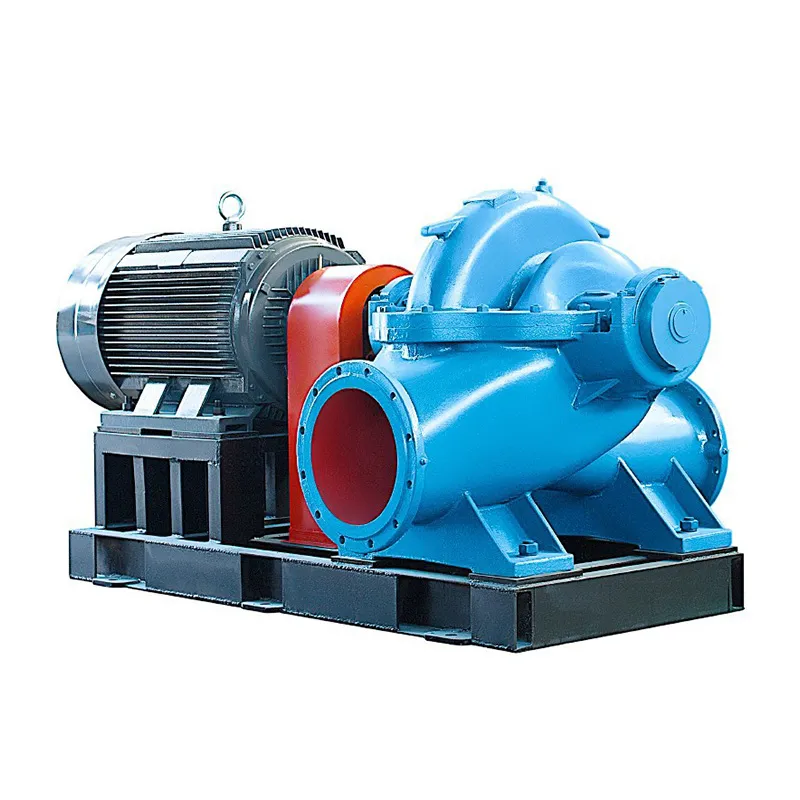
Metal lined slurry pumps are critical components in numerous industrial processes involving the transport of abrasive or corrosive fluids. These pumps, integral to industries like mining, chemical processing, wastewater treatment, and power generation, are designed to withstand the harsh conditions that would rapidly degrade standard pump materials. Their technical position within the industrial chain is as a final stage fluid handling device, directly impacting process efficiency and overall system reliability. Core performance characteristics are defined by flow rate, head pressure, solids handling capacity, and the longevity of the liner material against specific slurry compositions. A significant industry pain point revolves around selecting the optimal liner material and achieving a balance between abrasion resistance, corrosion resistance, and cost-effectiveness. Inadequate liner selection leads to premature failure, costly downtime, and potential environmental hazards. This guide provides an in-depth technical examination of metal lined slurry pumps, encompassing material science, manufacturing processes, performance engineering, failure analysis, and relevant industry standards.
Material Science & Manufacturing
The construction of metal lined slurry pumps inherently involves a complex interplay of material science and precision manufacturing. The pump casing is typically constructed from cast iron, ductile iron, or steel, providing the structural integrity. However, the fluid-contacting surfaces are lined with a metallic alloy offering superior resistance to abrasion and corrosion. Common liner materials include white iron (high chrome white iron being most prevalent), high-speed steel, duplex stainless steel, and various nickel-based alloys. White iron's hardness, derived from the presence of hard iron carbides, provides exceptional abrasion resistance but can be brittle. High-speed steel offers a balance of hardness and toughness. Duplex stainless steels excel in corrosive environments, combining the benefits of austenitic and ferritic stainless steels. Nickel-based alloys (e.g., Hastelloy) are utilized in extremely aggressive chemical environments.
Manufacturing processes are equally crucial. Liner application typically involves welding – specifically, submerged arc welding (SAW) or shielded metal arc welding (SMAW) – to create a metallurgically bonded layer onto the pump casing. Precise control of welding parameters, including amperage, voltage, travel speed, and pre/post-heat temperatures, is essential to prevent dilution of the liner material by the base metal and to minimize residual stresses. Improper welding can lead to cracking, porosity, and reduced liner adhesion. Post-weld heat treatment (PWHT) is often employed to relieve stresses and optimize the liner’s microstructure. For certain liner materials, processes like thermal spraying or explosion cladding are also utilized, offering alternative bonding mechanisms. The quality control process involves rigorous non-destructive testing (NDT) techniques such as radiographic testing (RT), ultrasonic testing (UT), and dye penetrant inspection (DPI) to detect any flaws in the liner and weld deposit. Finally, surface finish is meticulously controlled via grinding and polishing to minimize fluid friction and promote laminar flow.
Performance & Engineering
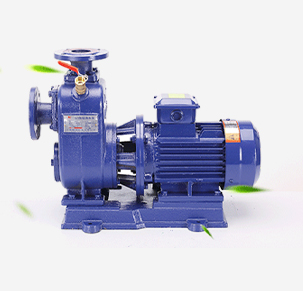
The performance of a metal lined slurry pump is dictated by a complex interplay of hydraulic design, mechanical engineering, and material properties. Hydraulic performance is characterized by the pump's head-capacity curve, efficiency, and net positive suction head required (NPSHr). The impeller design – including its geometry, blade angle, and surface finish – profoundly influences these parameters. Computational Fluid Dynamics (CFD) simulations are increasingly employed during the design phase to optimize impeller performance and minimize erosion due to high-velocity slurry flow. From a mechanical engineering perspective, shaft deflection, bearing loads, and seal integrity are paramount. Shaft stiffness must be sufficient to prevent excessive vibration and maintain impeller alignment. Bearing selection is critical, considering the radial and axial loads imposed by the slurry and the operating speed. Mechanical seals must provide a leak-free barrier against the slurry, resisting abrasion and corrosion.
Environmental resistance is another vital consideration. Pumps operating in extreme temperatures (either high or low) require specific material selection and design modifications to accommodate thermal expansion/contraction and maintain material properties. Compliance requirements, such as those stipulated by API 610 (Centrifugal Pumps) and ISO 13709 (Petroleum and natural gas industries – Pumps), dictate minimum performance standards, safety features, and documentation requirements. Furthermore, for applications involving explosive atmospheres, pumps must adhere to ATEX or IECEx standards, ensuring intrinsically safe design and construction. Force analysis focuses on hydraulic forces acting on the impeller and casing, as well as mechanical forces from the motor and drive system. Understanding these forces is crucial for structural integrity and fatigue life prediction. Pump selection must consider the slurry’s specific gravity, viscosity, particle size distribution, and impact angle to accurately assess abrasive wear rates.
Technical Specifications
| Parameter | Unit | White Iron Liner | Duplex Stainless Steel Liner |
|---|---|---|---|
| Maximum Flow Rate | m³/h | Up to 1500 | Up to 800 |
| Maximum Head | m | Up to 80 | Up to 120 |
| Maximum Solids Concentration | % by weight | Up to 70 | Up to 60 |
| Maximum Particle Size | mm | Up to 75 | Up to 50 |
| Liner Hardness (BHN) | - | 500-700 | 250-350 |
| Typical Liner Thickness | mm | 6-12 | 3-8 |
Failure Mode & Maintenance
Metal lined slurry pumps, despite their robust construction, are susceptible to various failure modes. Abrasion is the most common, particularly with high-solids, high-velocity slurries. This manifests as gradual material loss from the liner surface, eventually leading to reduced pump performance and potential casing erosion. Corrosion, especially in acidic or alkaline environments, can cause pitting, crevice corrosion, and general metal loss. Fatigue cracking can occur due to cyclic loading from the slurry and pump vibrations, often initiated at stress concentrations around welds or geometric discontinuities. Impact damage can result from the collision of large, hard particles with the liner surface. Cavitation, caused by localized pressure drops, can erode the liner and impeller. Delamination of the liner from the pump casing can occur due to poor weld quality, insufficient bonding, or thermal stresses. Oxidation, at elevated temperatures, can weaken the liner material.
Preventive maintenance is crucial to maximize pump lifespan and minimize downtime. Regular inspections should include visual checks for liner wear, corrosion, and cracking. Non-destructive testing (NDT) – such as UT and RT – should be performed periodically to detect hidden flaws. Monitoring pump performance parameters (flow rate, head pressure, power consumption) can provide early warning signs of degradation. Lubrication of bearings and seals should be performed according to manufacturer recommendations. Prompt replacement of worn liners and seals is essential. Repair procedures for minor liner damage may involve welding or epoxy patching, but complete liner replacement is often necessary for extensive wear or cracking. Proper slurry handling practices, such as minimizing slurry velocity and avoiding excessive solids loading, can significantly reduce wear rates. Thorough cleaning of the pump casing and impeller during maintenance is also critical to prevent the buildup of abrasive deposits.
Industry FAQ
Q: What is the primary advantage of using a white iron liner over a duplex stainless steel liner in a highly abrasive slurry application?
A: White iron liners offer significantly higher abrasion resistance than duplex stainless steel in abrasive slurries. The presence of hard iron carbides provides a superior resistance to wear from particle impact. However, white iron is more brittle and less corrosion-resistant. Duplex stainless steel is preferred when corrosion is a significant concern, but at the cost of reduced abrasion resistance.
Q: How does weld quality impact the longevity of a metal lined slurry pump?
A: Weld quality is paramount. Poor welding leads to porosity, cracking, and incomplete fusion between the liner and the pump casing. This results in reduced liner adhesion, increased susceptibility to corrosion, and potential premature failure. Rigorous NDT is essential to ensure weld integrity.
Q: What are the key considerations when selecting a liner material for a slurry containing both abrasive and corrosive components?
A: A compromise between abrasion resistance and corrosion resistance is necessary. Often, a high-chrome white iron liner with a protective coating or a duplex stainless steel liner with a hardfacing overlay is employed. The slurry composition and operating conditions dictate the optimal balance. Detailed material compatibility testing is crucial.
Q: What are the implications of cavitation on the performance and lifespan of a metal lined slurry pump?
A: Cavitation causes localized erosion of the liner and impeller, significantly reducing pump efficiency and lifespan. It occurs when the slurry pressure drops below the liquid's vapor pressure, forming vapor bubbles that collapse violently. Proper pump selection, maintaining adequate NPSH, and minimizing slurry velocity can prevent cavitation.
Q: How often should non-destructive testing (NDT) be performed on metal lined slurry pumps in critical applications?
A: The frequency of NDT depends on the severity of the application and the risk of failure. In critical applications, NDT should be performed at least annually, and potentially more frequently if the pump is subjected to highly abrasive or corrosive conditions. Trend analysis of NDT results can help predict potential failures.
Conclusion
Metal lined slurry pumps represent a sophisticated engineering solution for handling abrasive and corrosive fluids. Their performance hinges on a deep understanding of material science, meticulous manufacturing processes, and rigorous adherence to industry standards. Selecting the appropriate liner material, ensuring high-quality welding, and implementing a robust preventive maintenance program are all critical factors in maximizing pump lifespan and minimizing operational costs. The ongoing development of new liner materials and advanced manufacturing techniques continues to improve the performance and reliability of these vital industrial components.
Future advancements will likely focus on developing more wear-resistant and corrosion-resistant liner materials, optimizing pump designs to minimize cavitation and erosion, and leveraging predictive maintenance technologies to proactively identify potential failures. The integration of real-time monitoring systems and data analytics will enable more informed decision-making regarding pump operation and maintenance, ultimately reducing downtime and enhancing overall process efficiency. Continual improvement in these areas will be essential to meet the evolving demands of increasingly challenging industrial applications.
-
Comprehensive Guide to Waterproof ORings for Optimal Sealing Solutions
News2026-06-09
-
best sewage ejector pump Performance Engineering
News2026-06-11
-
aerobic septic system pump Performance Analysis
News2026-06-11
-
Sumergible Pump Performance Analysis
News2026-06-11
-
ejector pump for basement Performance Engineering
News2026-06-11
-
sewer lift pump Performance Engineering
News2026-06-11
-
Septic Pump Replacement Performance Analysis
News2026-06-10
-
Septic Pump Price Performance Analysis
News2026-06-10
-
pumps for septic systems Material Science Manufacturing
News2026-06-10
-
ejector pumps for basement bathrooms Performance Analysis
News2026-06-10
-
Ejector Pump Cost Analysis
News2026-06-10
-
drainage pumps Performance and Engineering
News2026-06-09
-
basement bathroom ejector pump Material Science
News2026-06-09
-
Sewer Ejector Pump Cost Performance Analysis
News2026-06-09
-
Septic Tank Pump Replacement Performance Analysis
News2026-06-09




