English
- Afrikaans
- Albanian
- Amharic
- Arabic
- Armenian
- Azerbaijani
- Basque
- Belarusian
- Bengali
- Bosnian
- Bulgarian
- Catalan
- Cebuano
- Corsican
- Croatian
- Czech
- Danish
- Dutch
- English
- Esperanto
- Estonian
- Finnish
- French
- Frisian
- Galician
- Georgian
- German
- Greek
- Gujarati
- Haitian Creole
- hausa
- hawaiian
- Hebrew
- Hindi
- Miao
- Hungarian
- Icelandic
- igbo
- Indonesian
- irish
- Italian
- Japanese
- Javanese
- Kannada
- kazakh
- Khmer
- Rwandese
- Korean
- Kurdish
- Kyrgyz
- Lao
- Latin
- Latvian
- Lithuanian
- Luxembourgish
- Macedonian
- Malgashi
- Malay
- Malayalam
- Maltese
- Maori
- Marathi
- Mongolian
- Myanmar
- Nepali
- Norwegian
- Norwegian
- Occitan
- Pashto
- Persian
- Polish
- Portuguese
- Punjabi
- Romanian
- Russian
- Samoan
- Scottish Gaelic
- Serbian
- Sesotho
- Shona
- Sindhi
- Sinhala
- Slovak
- Slovenian
- Somali
- Spanish
- Sundanese
- Swahili
- Swedish
- Tagalog
- Tajik
- Tamil
- Tatar
- Telugu
- Thai
- Turkish
- Turkmen
- Ukrainian
- Urdu
- Uighur
- Uzbek
- Vietnamese
- Welsh
- Bantu
- Yiddish
- Yoruba
- Zulu

Telephone: +86 13120555503
Email: frank@cypump.com


Apr . 01, 2024 17:55 Back to list
medium head heavy duty slurry pump factories Performance Analysis
Introduction
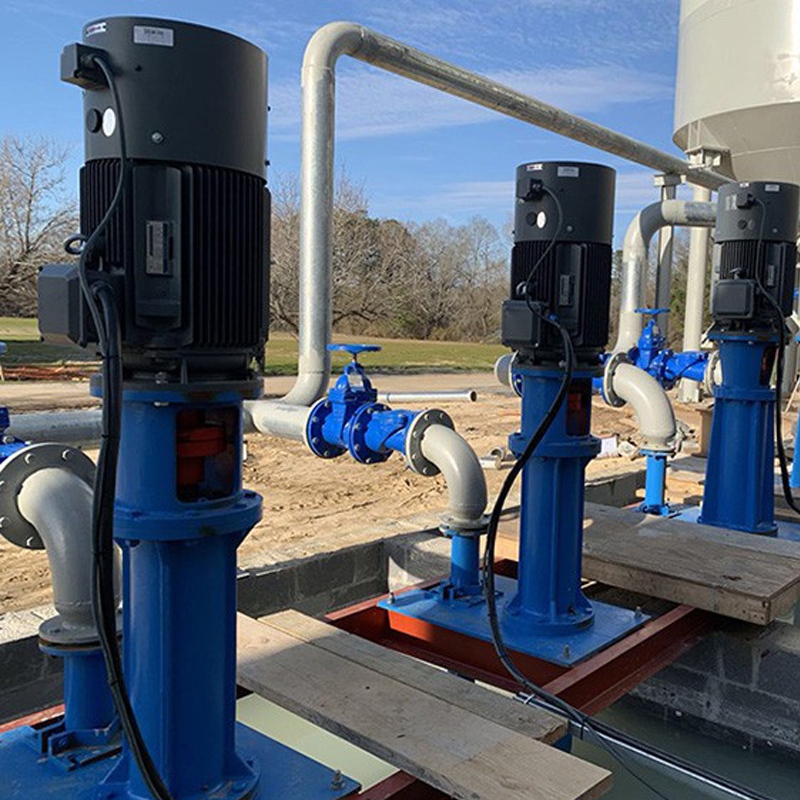
Medium head heavy duty slurry pumps are critical components in numerous industrial processes involving the transportation of abrasive, corrosive, and high-solids content slurries. These pumps occupy a distinct technical position within the fluid handling chain, bridging the gap between lighter-duty centrifugal pumps and the more specialized, high-pressure positive displacement pumps. They are primarily utilized in mining, mineral processing, power generation (specifically ash handling), wastewater treatment, and heavy industrial applications. Their core performance revolves around maintaining consistent flow rates while withstanding significant wear and tear, offering a balance between head pressure, flow capacity, and operational lifespan. A key industry pain point is balancing initial cost with long-term reliability and maintenance expenses; failures in slurry pump systems can lead to significant production downtime and costly repairs. The performance of these pumps is fundamentally defined by their hydraulic design, material selection, and the effectiveness of wear-resistant coatings and components. The growing emphasis on environmental regulations and energy efficiency further drives innovation in this sector.
Material Science & Manufacturing
The performance and longevity of medium head heavy duty slurry pumps are fundamentally dictated by the materials employed in their construction. Pump casings are commonly constructed from high-chrome cast iron (typically 27% Cr), offering excellent abrasion resistance, or alternatively, ductile iron for improved impact strength. Impeller materials frequently mirror the casing – high-chrome cast iron being prevalent – but may also incorporate specialized alloys like nickel-hard iron or stainless steel (316, 304) for heightened corrosion resistance in aggressive chemical environments. Shafts are generally manufactured from alloy steels (4140, 4340) and undergo heat treatment processes (hardening and tempering) to achieve optimal tensile strength and torsional rigidity. Elastomeric components, such as liners and seals, often utilize natural rubber, EPDM, or polyurethane, selected based on the specific slurry composition and operating temperature.
Manufacturing processes vary depending on component complexity. Casings are primarily produced using sand casting, utilizing refractory materials to accommodate the high temperatures of molten metal. Impellers often undergo investment casting (lost wax casting) for producing intricate geometries and achieving tighter dimensional tolerances. Welding plays a crucial role in assembling the pump structure, particularly for larger pumps and components requiring reinforcement. Critical welding parameters – preheat temperature, welding current, travel speed, and shielding gas composition – are rigorously controlled to prevent cracking and ensure weld integrity. Shafts undergo machining processes such as turning, milling, and grinding to achieve precise dimensions and surface finishes. The application of wear-resistant coatings, such as tungsten carbide or ceramic linings, is a vital finishing step to extend component lifespan in highly abrasive environments. Non-destructive testing (NDT) methods, including radiographic inspection (RT) and ultrasonic testing (UT), are employed to verify the structural integrity of critical components before assembly.
Performance & Engineering
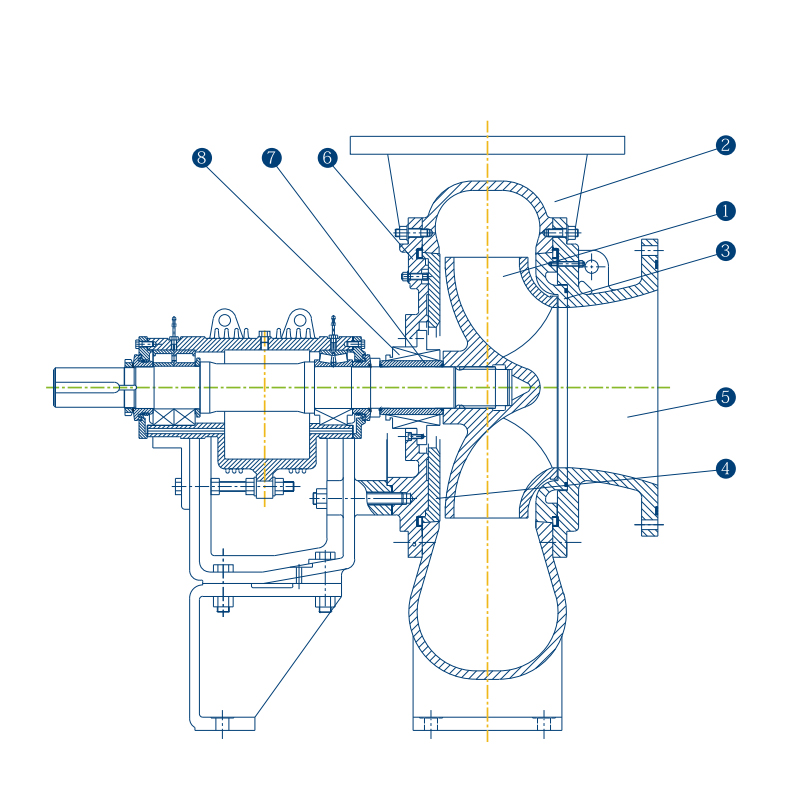
The hydraulic performance of medium head heavy duty slurry pumps is governed by fundamental principles of fluid mechanics. Force analysis focuses on balancing hydraulic forces generated by slurry flow with the structural strength of the pump components. Centrifugal force, resulting from impeller rotation, creates the pressure head required to move the slurry through the system. The pump's performance curve – depicting head versus flow rate – is crucial for system design and optimization. Cavitation, a phenomenon where vapor bubbles form and collapse within the pump, represents a significant operational risk. Factors influencing cavitation include slurry viscosity, pump speed, and net positive suction head available (NPSHA). Maintaining adequate NPSHA is paramount to prevent impeller damage and ensure reliable operation.
Environmental resistance is a critical engineering consideration. Slurry pumps often operate in harsh conditions, exposed to extreme temperatures, corrosive chemicals, and abrasive particles. Material selection plays a vital role in mitigating these effects. Pump seals are designed to prevent leakage and contamination, utilizing mechanical seals with various face materials (silicon carbide, tungsten carbide) based on slurry composition. Compliance requirements vary based on the application and geographical location. For example, pumps used in explosive atmospheres must comply with ATEX directives (Europe) or Class I, Division 1/2 standards (North America). Environmental regulations related to wastewater discharge and noise pollution also influence pump design and operation. Pump efficiency and energy consumption are increasingly scrutinized, driving the adoption of variable frequency drives (VFDs) and optimized impeller designs to reduce energy costs.
Technical Specifications
| Parameter | Unit | Typical Range (Medium Head, Heavy Duty) | Tolerance |
|---|---|---|---|
| Discharge Head | m | 30-70 | ±5% |
| Flow Rate | m³/h | 50-400 | ±10% |
| Slurry Specific Gravity | - | 1.2 - 1.8 | - |
| Solids Concentration (by weight) | % | 20-60 | ±2% |
| Maximum Particle Size | mm | 25-75 | - |
| Operating Temperature | °C | -20 to 120 | ±5°C |
Failure Mode & Maintenance
Medium head heavy duty slurry pumps are susceptible to several failure modes. Fatigue cracking, particularly in the impeller and casing, can occur due to cyclic loading and stress concentration. Erosion corrosion, a combined effect of abrasive wear and chemical attack, is prevalent in areas exposed to high slurry velocities. Cavitation damage leads to pitting and erosion of impeller surfaces. Shaft deflection and bearing failure can arise from misalignment, improper lubrication, or excessive load. Seal failures result in leakage and potential pump downtime.
Preventative maintenance is crucial for extending pump lifespan and minimizing failures. Regular inspection of wear parts (impellers, liners, seals) is essential. Vibration analysis can detect bearing wear and misalignment. Lubrication schedules must be strictly followed. Proper slurry handling practices, such as avoiding air entrainment and controlling solids concentration, can mitigate erosion and cavitation. When failures occur, root cause analysis is critical to identify the underlying problem and implement corrective actions. Repair procedures typically involve replacing worn components, reconditioning damaged surfaces, and ensuring proper alignment during reassembly. The use of advanced materials and coatings, such as ceramic liners and tungsten carbide overlays, can significantly enhance wear resistance and reduce maintenance frequency.
Industry FAQ
Q: What is the optimal impeller material for a slurry containing 70% silica sand and pH of 2?
A: For a highly abrasive slurry like 70% silica sand with a low pH of 2, a high-chrome cast iron impeller is a common starting point due to its excellent abrasion resistance. However, the acidic environment necessitates a more corrosion-resistant alloy. Consider a duplex stainless steel impeller (e.g., 2205) or a high-silicon cast iron (e.g., 18% Si). A protective coating, such as a rubber lining or a tungsten carbide overlay, can further enhance resistance to both abrasion and corrosion, significantly extending impeller life.
Q: How does pump speed impact wear rate in abrasive slurry applications?
A: Pump speed has a significant impact on wear rate. Generally, increasing pump speed increases wear rate exponentially. This is because wear is directly related to slurry velocity and the frequency of impact between abrasive particles and pump components. Reducing pump speed, even slightly, can dramatically reduce wear. However, reducing speed also decreases pump capacity. Therefore, optimization involves finding the lowest acceptable speed that meets process requirements while minimizing wear.
Q: What are the key considerations when selecting a mechanical seal for a slurry pump?
A: Selecting the correct mechanical seal is critical for reliable operation. Key considerations include slurry composition (abrasiveness, corrosiveness), operating pressure, temperature, and shaft speed. The seal face material must be compatible with the slurry. Silicon carbide is often preferred for abrasive slurries, while tungsten carbide provides better corrosion resistance. The seal design (single, double, or tandem) depends on the severity of the application and the need for containment. Proper flushing and lubrication are essential to prevent seal failure.
Q: What is NPSHa, and why is it important for slurry pump performance?
A: NPSHa stands for Net Positive Suction Head Available. It represents the absolute pressure at the pump suction, minus the vapor pressure of the slurry. It’s vital to ensure NPSHa is greater than the NPSHr (Net Positive Suction Head Required) specified by the pump manufacturer. Insufficient NPSHa leads to cavitation, causing impeller damage, reduced pump efficiency, and noisy operation. Maintaining adequate NPSHa involves optimizing suction piping design, minimizing suction lift, and controlling slurry temperature.
Q: How can I determine the expected lifespan of a slurry pump liner?
A: Predicting liner lifespan is complex and depends on several factors: slurry abrasiveness, solids concentration, flow velocity, operating hours, and liner material. Empirical wear rate data from similar applications is the most reliable method. Manufacturers often provide estimated wear rates based on historical data. Regular inspection and wear measurements are crucial for monitoring liner condition and scheduling replacements proactively. Consider using wear-resistant materials, such as rubber or ceramic liners, to extend lifespan.
Conclusion
Medium head heavy duty slurry pumps are essential components in industries handling abrasive and corrosive materials. Their performance and reliability are inextricably linked to material science, meticulous manufacturing processes, and robust engineering design. The selection of appropriate materials – from high-chrome cast iron to specialized alloys and elastomers – is paramount to withstand the challenging operating conditions. Understanding the principles of fluid mechanics, particularly regarding cavitation and erosion corrosion, is critical for optimizing pump performance and minimizing failures.
Continued innovation focuses on enhancing wear resistance, improving energy efficiency, and reducing environmental impact. Proactive maintenance programs, coupled with advanced monitoring techniques, are essential for maximizing pump lifespan and minimizing costly downtime. As environmental regulations become increasingly stringent, slurry pump manufacturers are compelled to develop more sustainable and efficient solutions, emphasizing the importance of robust engineering and material science in this evolving field.
-
Comprehensive Guide to Waterproof ORings for Optimal Sealing Solutions
News2026-06-09
-
best sewage ejector pump Performance Engineering
News2026-06-11
-
aerobic septic system pump Performance Analysis
News2026-06-11
-
Sumergible Pump Performance Analysis
News2026-06-11
-
ejector pump for basement Performance Engineering
News2026-06-11
-
sewer lift pump Performance Engineering
News2026-06-11
-
Septic Pump Replacement Performance Analysis
News2026-06-10
-
Septic Pump Price Performance Analysis
News2026-06-10
-
pumps for septic systems Material Science Manufacturing
News2026-06-10
-
ejector pumps for basement bathrooms Performance Analysis
News2026-06-10
-
Ejector Pump Cost Analysis
News2026-06-10
-
drainage pumps Performance and Engineering
News2026-06-09
-
basement bathroom ejector pump Material Science
News2026-06-09
-
Sewer Ejector Pump Cost Performance Analysis
News2026-06-09
-
Septic Tank Pump Replacement Performance Analysis
News2026-06-09




