English
- Afrikaans
- Albanian
- Amharic
- Arabic
- Armenian
- Azerbaijani
- Basque
- Belarusian
- Bengali
- Bosnian
- Bulgarian
- Catalan
- Cebuano
- Corsican
- Croatian
- Czech
- Danish
- Dutch
- English
- Esperanto
- Estonian
- Finnish
- French
- Frisian
- Galician
- Georgian
- German
- Greek
- Gujarati
- Haitian Creole
- hausa
- hawaiian
- Hebrew
- Hindi
- Miao
- Hungarian
- Icelandic
- igbo
- Indonesian
- irish
- Italian
- Japanese
- Javanese
- Kannada
- kazakh
- Khmer
- Rwandese
- Korean
- Kurdish
- Kyrgyz
- Lao
- Latin
- Latvian
- Lithuanian
- Luxembourgish
- Macedonian
- Malgashi
- Malay
- Malayalam
- Maltese
- Maori
- Marathi
- Mongolian
- Myanmar
- Nepali
- Norwegian
- Norwegian
- Occitan
- Pashto
- Persian
- Polish
- Portuguese
- Punjabi
- Romanian
- Russian
- Samoan
- Scottish Gaelic
- Serbian
- Sesotho
- Shona
- Sindhi
- Sinhala
- Slovak
- Slovenian
- Somali
- Spanish
- Sundanese
- Swahili
- Swedish
- Tagalog
- Tajik
- Tamil
- Tatar
- Telugu
- Thai
- Turkish
- Turkmen
- Ukrainian
- Urdu
- Uighur
- Uzbek
- Vietnamese
- Welsh
- Bantu
- Yiddish
- Yoruba
- Zulu

Telephone: +86 13120555503
Email: frank@cypump.com


Apr . 01, 2024 17:55 Back to list
linatex slurry pumps Manufacturing Specifications and Performance Analysis
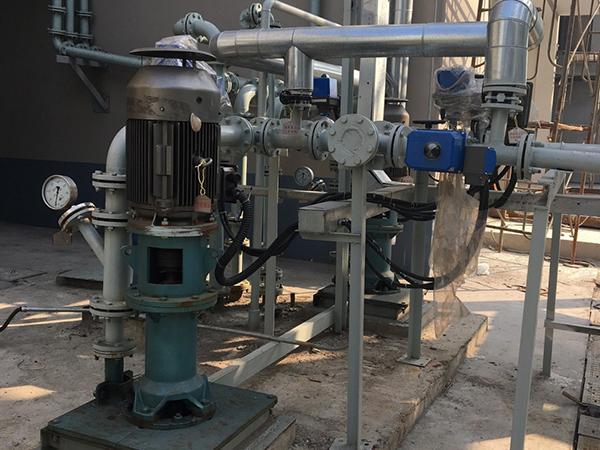
Linatex Slurry Pumps: Manufacturing Specifications and Performance Analysis
Linatex slurry pumps represent a specialized class of centrifugal pumping systems engineered specifically for the transport of highly abrasive, non-corrosive fluids. In the industrial chain, these pumps occupy a critical position between primary extraction/crushing and secondary processing, serving industries such as mineral processing, tailings management, and chemical scrubbing. The core technical distinction of the Linatex series lies in the integration of high-resilience elastomer linings—specifically the Linatex® natural rubber compound—which transforms the internal fluid dynamics from a rigid-wall interaction to a damped, elastic interaction. This fundamental shift significantly reduces the kinetic energy impact of abrasive particles on the pump casing and impeller, thereby extending the Mean Time Between Failures (MTBF) in environments where high-chrome alloys would otherwise suffer from rapid erosive wear.
Material Science & Manufacturing
The efficacy of Linatex slurry pumps is rooted in the advanced polymer science of the lining materials. The Linatex rubber is a high-grade, natural rubber compound characterized by superior abrasion resistance and high resilience. Unlike synthetic polymers, this material possesses a unique molecular structure that allows it to deform under the impact of an abrasive particle and immediately recover, effectively "bouncing" the particle away rather than allowing it to gouge the surface. This is critical in handling slurry with high concentrations of angular particles (such as silica or alumina), where the hardness of the particle exceeds the hardness of the metal casing.
The manufacturing process employs a rigorous multi-stage approach:
1. Substrate Casting: The outer shell is typically cast from high-strength ductile iron or carbon steel to provide the necessary structural rigidity and pressure containment.
2. Vulcanization Process: The Linatex rubber is bonded to the metal substrate through a high-pressure, high-temperature vulcanization process. This ensures a chemical-mechanical bond that prevents delamination under vacuum or high-pressure fluctuations.
3. Impeller Engineering: Impellers are often manufactured using a composite approach—a high-chrome white iron core for structural integrity, shrouded in a thick layer of Linatex rubber for wear protection.
4. Precision Balancing: Due to the asymmetrical nature of rubber lining thickness, the final assemblies undergo dynamic balancing to ISO 1940 standards to minimize vibration and prevent premature bearing failure.
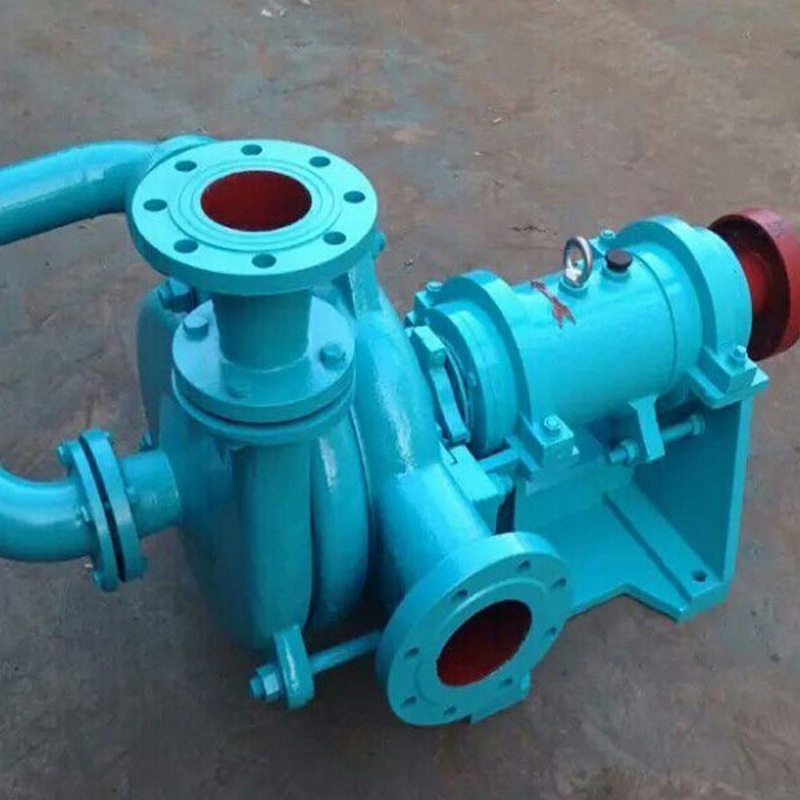
Performance & Engineering
From an engineering perspective, the performance of Linatex slurry pumps is analyzed through the lens of fluid-particle interaction. The primary objective is to maintain a laminar flow profile to minimize turbulent eddies, which are the primary drivers of localized erosion. The internal geometry is optimized to ensure that the slurry velocity remains above the critical settling velocity to prevent "sanding" (sedimentation within the pump), while staying below the threshold where abrasive wear increases exponentially.
Force analysis indicates that the elastomer lining acts as a shock absorber. In standard metal pumps, the impact energy of a particle is absorbed by the crystal lattice of the metal, leading to micro-fractures and eventual material loss. In Linatex-lined pumps, the elastic modulus of the rubber dissipates this energy. Furthermore, the pumps are engineered for chemical compatibility with alkaline and neutral pH fluids. In environments involving acidic slurries, modified elastomer blends are utilized to prevent polymer degradation. The engineering design also incorporates adjustable gland packing or mechanical seals to manage the leakage of abrasive particles into the bearing housing, a common failure point in slurry transportation.
Technical Specifications
| Parameter Dimension | Linatex Standard Series | High-Chrome Alloy Series | Composite Hybrid Series | Performance Metric |
|---|---|---|---|---|
| Abrasion Resistance | Excellent (High Elasticity) | High (Hardness Based) | Balanced | ASTM G65 Wear Loss |
| Max Particle Size | Up to 15mm | Up to 25mm | Up to 20mm | mm (Diameter) |
| Operating Temperature | -10°C to +70°C | -20°C to +150°C | -10°C to +100°C | Celsius (°C) |
| Typical Slurry Density | 1.1 - 1.5 t/m³ | 1.2 - 1.8 t/m³ | 1.1 - 1.7 t/m³ | Tons per Cubic Meter |
| Lining Hardness | 45 - 60 Shore A | 60 - 65 HRC | Variable | Hardness Scale |
| Maintenance Interval | Extended (Elastic Wear) | Standard (Erosive Wear) | Optimized | MTBF (Hours) |
Failure Mode & Maintenance
Despite their robustness, Linatex slurry pumps are susceptible to specific failure modes that require expert diagnosis:
1. Cavitation Erosion: Occurs when the Net Positive Suction Head Available (NPSHA) falls below the required level. This creates vapor bubbles that collapse violently, pitting the rubber lining and potentially exposing the metal substrate.
2. Delamination (Debonding): Resulting from thermal shock or exposure to hydrocarbons/oils that swell the rubber, breaking the chemical bond between the Linatex and the iron shell.
3. Abrasive Cutting: In slurries with extremely sharp, knife-like particles, the rubber may suffer from "cutting" rather than "wearing," leading to rapid penetration of the lining.
4. Oxidative Degradation: Long-term exposure to ozone or strong oxidizing agents can cause "crazing" or cracking of the elastomer surface.
Maintenance Protocol: A professional maintenance regime includes monthly ultrasonic thickness testing of the lining to monitor wear rates. Seals should be inspected for "leak-through" abrasive particles, which can destroy bearings in hours. When relining is required, the metal substrate must be grit-blasted to Sa 2.5 cleanliness and treated with a specialized bonding agent before the new Linatex layer is vulcanized.
Industry FAQ
Q: How do I determine if Linatex rubber is superior to high-chrome alloys for my specific application?
A: The decision depends on the particle size and hardness. If you are handling fine, highly abrasive particles (e.g., silica sand) at high velocities, the elastic properties of Linatex offer significantly longer life. However, if the slurry contains very large, heavy chunks or operates at temperatures exceeding 70°C, high-chrome alloys are preferred due to their superior structural hardness and thermal stability.
Q: What causes the sudden failure of the rubber lining in Linatex pumps?
A: The most common cause is the introduction of oil or petroleum-based contaminants into the slurry. Natural rubber is highly susceptible to swelling when exposed to hydrocarbons, which destroys the bond between the liner and the shell, leading to catastrophic delamination.
Q: How does the pump handle changes in slurry concentration?
A: Increased concentration increases the viscosity and the likelihood of sedimentation. Linatex pumps are designed with specific impeller clearances to maintain flow. If concentration increases beyond the design limit, you may observe a drop in head (H) and an increase in power consumption (P), requiring a speed adjustment via VFD.
Q: Is it possible to mix and match liners in a single pump installation?
A: While possible, it is not recommended. Mixing a rubber impeller with a chrome liner (or vice versa) creates asymmetrical wear patterns. The "soft" part will wear faster, shifting the hydraulic balance of the pump and potentially introducing shaft vibration.
Q: What is the recommended method for detecting internal wear without dismantling the pump?
A: We recommend using ultrasonic thickness gauging on the pump casing at designated "wear-points." Additionally, monitoring the pump's performance curve—specifically looking for a decrease in discharge pressure at a constant RPM—is a reliable indicator of internal clearance increases due to wear.
Conclusion
The Linatex slurry pump is a sophisticated synthesis of mechanical engineering and polymer science, specifically designed to mitigate the destructive forces of abrasive slurry transport. By leveraging the high-resilience properties of natural rubber, these systems effectively shift the wear mechanism from erosive material loss to elastic energy dissipation, providing a sustainable solution for high-volume mineral and industrial processing.
For maximum operational efficiency, it is imperative that procurement and engineering teams prioritize the chemical compatibility of the slurry and strictly adhere to temperature limits. Future optimizations in elastomer compounding and the integration of IoT-based wear sensors will likely further extend the lifecycle of these pumps, reducing downtime and operational expenditures in the heavy industrial sector.
-
Comprehensive Guide to Waterproof ORings for Optimal Sealing Solutions
News2026-06-09
-
Waste Tank Pump Performance Analysis
News2026-06-27
-
Sewer System Pump Out Material Science
News2026-06-27
-
Sewer Ejector Pit Performance Analysis
News2026-06-27
-
septic tank pumps for sale Performance Engineering
News2026-06-27
-
septic system with lift pump Performance Engineering
News2026-06-27
-
septic system sump pump Performance Analysis
News2026-06-26
-
septic pump company Performance Analysis
News2026-06-26
-
pumps water treatment Performance Analysis
News2026-06-26
-
pumps for septic tanks Material Science and Manufacturing
News2026-06-26
-
pump for septic system Material Science Manufacturing
News2026-06-26
-
heavy duty submersible pump Performance Analysis
News2026-06-25
-
best submersible pump for septic tank Performance Analysis
News2026-06-25
-
basement sewer ejector pump Performance Analysis
News2026-06-25
-
basement pumps ejector pumps Performance Analysis
News2026-06-25




