English
- Afrikaans
- Albanian
- Amharic
- Arabic
- Armenian
- Azerbaijani
- Basque
- Belarusian
- Bengali
- Bosnian
- Bulgarian
- Catalan
- Cebuano
- Corsican
- Croatian
- Czech
- Danish
- Dutch
- English
- Esperanto
- Estonian
- Finnish
- French
- Frisian
- Galician
- Georgian
- German
- Greek
- Gujarati
- Haitian Creole
- hausa
- hawaiian
- Hebrew
- Hindi
- Miao
- Hungarian
- Icelandic
- igbo
- Indonesian
- irish
- Italian
- Japanese
- Javanese
- Kannada
- kazakh
- Khmer
- Rwandese
- Korean
- Kurdish
- Kyrgyz
- Lao
- Latin
- Latvian
- Lithuanian
- Luxembourgish
- Macedonian
- Malgashi
- Malay
- Malayalam
- Maltese
- Maori
- Marathi
- Mongolian
- Myanmar
- Nepali
- Norwegian
- Norwegian
- Occitan
- Pashto
- Persian
- Polish
- Portuguese
- Punjabi
- Romanian
- Russian
- Samoan
- Scottish Gaelic
- Serbian
- Sesotho
- Shona
- Sindhi
- Sinhala
- Slovak
- Slovenian
- Somali
- Spanish
- Sundanese
- Swahili
- Swedish
- Tagalog
- Tajik
- Tamil
- Tatar
- Telugu
- Thai
- Turkish
- Turkmen
- Ukrainian
- Urdu
- Uighur
- Uzbek
- Vietnamese
- Welsh
- Bantu
- Yiddish
- Yoruba
- Zulu

Telephone: +86 13120555503
Email: frank@cypump.com


Apr . 01, 2024 17:55 Back to list
limestone slurry pump Material Science Manufacturing
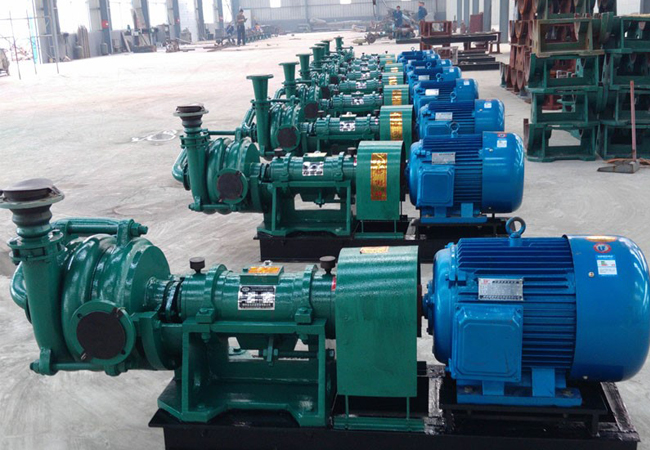
Introduction
Limestone slurry pumps are engineered to efficiently transfer abrasive and corrosive slurries containing limestone particles. These pumps are critical components in industries such as mining, quarrying, cement production, flue gas desulfurization (FGD) systems, and wastewater treatment where handling high concentrations of solid particulate matter is essential. Unlike general-purpose pumps, limestone slurry pumps are specifically designed to withstand the erosive wear caused by the hard, angular nature of limestone and the chemical attack from the slurry’s pH and potential contaminants. Their position within the industrial chain is typically downstream of crushing and grinding operations, responsible for conveying the resulting slurry to processing, storage, or disposal locations. Core performance metrics for these pumps include flow rate (m³/hr), head (meters), solids handling capacity (% by weight), and mean time between failures (MTBF), all directly impacting operational efficiency and cost-effectiveness. The selection of an appropriate pump is heavily influenced by the slurry’s characteristics, including particle size distribution, concentration, and chemical composition.
Material Science & Manufacturing
The primary materials used in limestone slurry pump construction dictate their longevity and performance. Pump casings are commonly manufactured from high-chromium cast iron (typically 26-30% Cr) or specialized alloy steels such as duplex stainless steel (e.g., 2205) and high-silicon cast iron for enhanced abrasion resistance. Impellers are frequently constructed from similar materials, often incorporating hardened inserts (e.g., tungsten carbide) at the leading edges and outer diameter to mitigate wear. Elastomeric liners, comprised of natural rubber or synthetic polymers like polyurethane, are often used to protect the pump casing and impeller housing from the slurry’s impact. Shafts are generally made from high-strength alloy steel, heat-treated for optimal tensile strength and torsional rigidity.
Manufacturing processes vary depending on component complexity. Casings are produced via sand casting or investment casting, followed by machining to precise tolerances. Impellers are often manufactured using centrifugal casting to create a homogenous structure with consistent material properties. Welding processes, such as submerged arc welding (SAW) and gas tungsten arc welding (GTAW), are critical for joining pump components and require stringent quality control to ensure weld integrity and prevent cracking. Liners are typically applied through vulcanization (for rubber liners) or bonding with high-strength adhesives (for polyurethane liners). Critical parameters during manufacturing include material composition verification via spectroscopic analysis, hardness testing (Brinell or Vickers), non-destructive testing (NDT) like radiographic inspection and ultrasonic testing for weld integrity, and dimensional accuracy checks using coordinate measuring machines (CMMs). Proper heat treatment is paramount to optimize material properties and prevent distortion during subsequent machining operations.
Performance & Engineering
The performance of a limestone slurry pump is fundamentally governed by hydraulic principles and material science. Force analysis involves calculating the shear stress exerted by the slurry on the impeller and casing, considering factors like slurry velocity, particle size, and concentration. Cavitation, a primary concern, occurs when the pressure within the pump drops below the vapor pressure of the slurry, forming vapor bubbles that collapse and erode the impeller surface. Pump designs incorporate features like optimized impeller geometry and suction-specific speed to minimize cavitation risk. Environmental resistance is crucial, especially in FGD applications where the slurry can be highly acidic. Material selection and the use of protective coatings are essential to prevent corrosion. Compliance requirements vary based on geographical location and industry sector; for example, pumps used in potable water treatment must comply with NSF/ANSI 61 standards for lead content and extractable contaminants.
The functional implementation hinges on selecting the correct pump type – centrifugal, positive displacement, or diaphragm – based on the slurry characteristics and application requirements. Centrifugal pumps are most common for high-volume, low-to-medium head applications. Positive displacement pumps are preferred for viscous slurries or applications requiring precise metering. Considerations also include pump sealing arrangements (mechanical seals, packing glands) to prevent leakage and protect the pump bearings. Proper pump alignment is vital to minimize vibration and bearing wear. Variable Frequency Drives (VFDs) are increasingly utilized to optimize pump performance and energy efficiency by adjusting the pump speed to match the flow rate demand. The Net Positive Suction Head Required (NPSHr) must be carefully calculated and matched with the Net Positive Suction Head Available (NPSHa) to prevent cavitation.
Technical Specifications
| Parameter | Unit | Typical Range (Centrifugal Pump) | Notes |
|---|---|---|---|
| Flow Rate | m³/hr | 50 - 1500 | Dependent on pump size and impeller diameter |
| Head | meters | 10 - 100 | Influenced by slurry density and flow rate |
| Solids Handling | % by weight | Up to 70 | Higher percentages require specialized impeller designs |
| Slurry Density | kg/m³ | 1200 - 2000 | Varies with limestone particle size and concentration |
| Particle Size | mm | Up to 75 | Larger particles necessitate wider flow passages |
| Casing Material | - | High-Chromium Cast Iron (26-30% Cr) | Duplex stainless steel available for corrosive environments |
Failure Mode & Maintenance
Limestone slurry pumps are susceptible to several failure modes, primarily driven by abrasive wear and corrosion. Fatigue cracking can occur in the pump casing and impeller due to cyclic loading and stress concentration, particularly in welds. Erosion, the progressive removal of material due to impact from slurry particles, is a significant concern, affecting the impeller, casing, and liners. Delamination of elastomeric liners can occur due to improper bonding or excessive stress. Corrosion, particularly in acidic slurries, leads to material degradation and weakening of pump components. Oxidation can affect metallic components, reducing their strength and ductility. Bearing failure is common, often resulting from inadequate lubrication, misalignment, or excessive load.
Preventive maintenance is critical to mitigate these failures. Regular inspections should include visual checks for wear, corrosion, and leaks. Lubrication schedules should be strictly adhered to, using appropriate greases and oils. Bearing vibration analysis can detect early signs of bearing degradation. Impeller and casing wear measurements should be taken periodically to assess component condition and predict replacement intervals. Elastomeric liners should be inspected for delamination and replaced as needed. For pumps operating in corrosive environments, regular monitoring of pH and corrosion inhibitor levels is essential. Following a documented maintenance program, including scheduled overhauls and component replacements, significantly extends pump life and reduces downtime. Utilizing wear-resistant materials and implementing proper operating procedures (e.g., avoiding over-pumping, maintaining appropriate slurry concentration) further enhances pump reliability.
Industry FAQ
Q: What is the impact of slurry particle shape on pump wear rates?
A: Angular particles cause significantly higher wear rates than rounded particles. The sharp edges of angular limestone particles create greater localized stress during impact, accelerating erosion of pump components. Selecting pumps with hardened wear inserts and utilizing robust materials is critical when handling angular particles.
Q: How does slurry concentration affect pump performance and maintenance intervals?
A: Increasing slurry concentration increases slurry density and viscosity, requiring more power to pump. Higher concentrations also exacerbate abrasive wear. Maintenance intervals are typically shortened at higher slurry concentrations due to increased wear rates on impellers, liners, and seals.
Q: What is the best material for a limestone slurry pump operating in a highly acidic environment (pH < 3)?
A: Duplex stainless steel (e.g., 2205) or specialized alloy steels with high nickel and molybdenum content are recommended for highly acidic environments. These materials offer superior corrosion resistance compared to standard cast irons or carbon steels. Consider also applying protective coatings, such as epoxy or fluoropolymer linings.
Q: What are the key considerations when selecting a pump seal for a limestone slurry application?
A: Mechanical seals are generally preferred over packing glands for limestone slurry applications due to their improved sealing performance and reduced leakage. The seal material must be compatible with the slurry’s chemical composition and abrasive nature. Silicon carbide or tungsten carbide seal faces are commonly used for enhanced wear resistance. Double mechanical seals with a barrier fluid are recommended for highly abrasive or corrosive slurries.
Q: How can I optimize pump efficiency when handling varying slurry concentrations?
A: Utilizing a Variable Frequency Drive (VFD) allows you to adjust the pump speed to match the flow rate demand, optimizing energy consumption and reducing wear. Implementing a control system that automatically adjusts pump speed based on slurry concentration or flow rate is highly recommended.
Conclusion
Limestone slurry pumps represent a critical technology for industries handling abrasive and potentially corrosive limestone-based slurries. Effective pump selection and operation necessitate a thorough understanding of material science, hydraulic principles, and failure modes. Prioritizing the use of wear-resistant materials, implementing robust preventive maintenance programs, and employing advanced control systems are paramount for maximizing pump lifespan, minimizing downtime, and optimizing operational efficiency.
Looking ahead, advancements in materials technology, such as ceramic composites and novel alloys, promise further improvements in pump wear resistance and corrosion protection. The integration of predictive maintenance technologies, leveraging sensor data and machine learning algorithms, will enable proactive identification of potential failures and optimization of maintenance schedules. Continued research into impeller designs and sealing arrangements will further enhance pump performance and reliability in demanding limestone slurry applications.
-
Comprehensive Guide to Waterproof ORings for Optimal Sealing Solutions
News2026-06-09
-
Septic Pump Replacement Performance Analysis
News2026-06-10
-
Septic Pump Price Performance Analysis
News2026-06-10
-
pumps for septic systems Material Science Manufacturing
News2026-06-10
-
ejector pumps for basement bathrooms Performance Analysis
News2026-06-10
-
Ejector Pump Cost Analysis
News2026-06-10
-
drainage pumps Performance and Engineering
News2026-06-09
-
basement bathroom ejector pump Material Science
News2026-06-09
-
Sewer Ejector Pump Cost Performance Analysis
News2026-06-09
-
Septic Tank Pump Replacement Performance Analysis
News2026-06-09
-
septic sump pump Performance and Engineering
News2026-06-09
-
Septic Pump System Performance Analysis
News2026-06-08
-
pump for septic Material Science
News2026-06-08
-
basement sewer pump Performance Analysis
News2026-06-08
-
submerged pump Performance Engineering
News2026-06-08




