English
- Afrikaans
- Albanian
- Amharic
- Arabic
- Armenian
- Azerbaijani
- Basque
- Belarusian
- Bengali
- Bosnian
- Bulgarian
- Catalan
- Cebuano
- Corsican
- Croatian
- Czech
- Danish
- Dutch
- English
- Esperanto
- Estonian
- Finnish
- French
- Frisian
- Galician
- Georgian
- German
- Greek
- Gujarati
- Haitian Creole
- hausa
- hawaiian
- Hebrew
- Hindi
- Miao
- Hungarian
- Icelandic
- igbo
- Indonesian
- irish
- Italian
- Japanese
- Javanese
- Kannada
- kazakh
- Khmer
- Rwandese
- Korean
- Kurdish
- Kyrgyz
- Lao
- Latin
- Latvian
- Lithuanian
- Luxembourgish
- Macedonian
- Malgashi
- Malay
- Malayalam
- Maltese
- Maori
- Marathi
- Mongolian
- Myanmar
- Nepali
- Norwegian
- Norwegian
- Occitan
- Pashto
- Persian
- Polish
- Portuguese
- Punjabi
- Romanian
- Russian
- Samoan
- Scottish Gaelic
- Serbian
- Sesotho
- Shona
- Sindhi
- Sinhala
- Slovak
- Slovenian
- Somali
- Spanish
- Sundanese
- Swahili
- Swedish
- Tagalog
- Tajik
- Tamil
- Tatar
- Telugu
- Thai
- Turkish
- Turkmen
- Ukrainian
- Urdu
- Uighur
- Uzbek
- Vietnamese
- Welsh
- Bantu
- Yiddish
- Yoruba
- Zulu

Telephone: +86 13120555503
Email: frank@cypump.com


Apr . 01, 2024 17:55 Back to list
lime slurry pumps Performance Analysis
Introduction
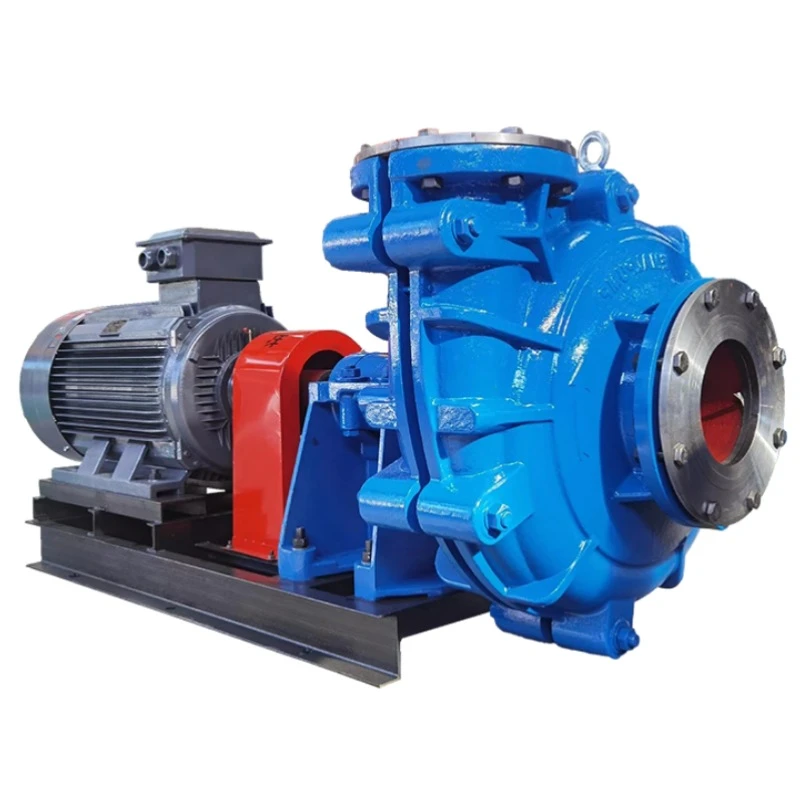
Lime slurry pumps are specialized centrifugal pumps designed for the demanding task of transporting highly abrasive and corrosive lime slurries. Predominantly utilized in mineral processing, water and wastewater treatment, and flue gas desulfurization (FGD) systems, these pumps occupy a critical position in industrial process flow. Their primary function is to efficiently transfer hydrated or quicklime mixed with water, maintaining consistent flow rates and minimizing downtime. Core performance characteristics revolve around abrasion resistance, seal longevity, and the ability to handle high solid concentrations. A key pain point within these industries is premature pump failure due to the erosive nature of lime, leading to costly repairs, production interruptions, and increased maintenance schedules. Modern lime slurry pump designs focus on specialized materials, impeller geometry optimization, and robust sealing mechanisms to mitigate these challenges. This guide provides a comprehensive technical overview of lime slurry pumps, encompassing materials, manufacturing, performance, failure modes, and relevant industry standards.
Material Science & Manufacturing
The performance and lifespan of a lime slurry pump are fundamentally dictated by the materials used in its construction. Common raw materials include high-chrome cast iron, stainless steel (304, 316, and duplex grades), and various elastomer linings (natural rubber, EPDM, and polyurethane). High-chrome cast iron is favored for its excellent abrasion resistance, particularly for impellers and volute casings exposed to direct slurry impact. However, it exhibits limited corrosion resistance in acidic environments. Stainless steels offer superior corrosion resistance but generally lower abrasion resistance than high-chrome iron, making them suitable for less abrasive slurry applications or for components requiring high chemical stability, such as shafts and fasteners. Elastomer linings are frequently employed to protect pump casings from corrosion and erosion. The choice of elastomer depends on the pH and temperature of the slurry.
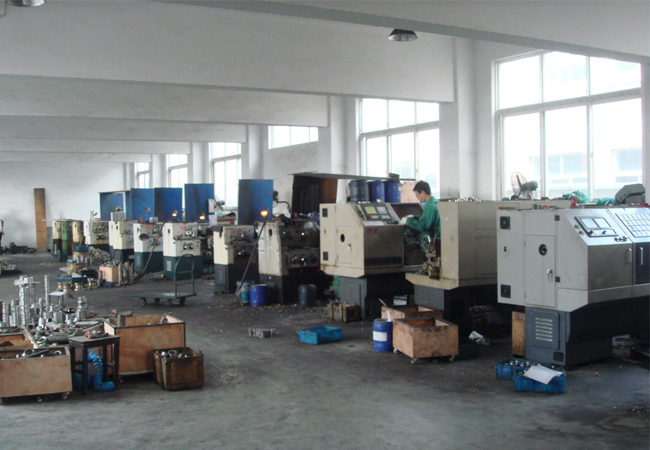
Manufacturing typically involves several key processes. Pump casings are often produced through sand casting, employing a chrome iron alloy. Precise pouring techniques and controlled cooling rates are crucial to minimize porosity and ensure optimal material properties. Impellers are similarly cast, with meticulous attention paid to blade geometry and surface finish. Shafts are generally machined from high-strength alloy steel and undergo heat treatment to enhance durability. Seals are a critical component, often utilizing mechanical seals with carbide faces for extended service life. Rubber linings are applied through vulcanization processes, ensuring a strong and chemically resistant bond to the metal substrate. Key parameter control during manufacturing includes chemical composition verification of castings, hardness testing, dimensional accuracy checks, and non-destructive testing (NDT) like radiographic inspection to detect internal flaws. Proper heat treatment is also crucial to achieve desired material hardness and tensile strength.
Performance & Engineering
Lime slurry pump performance is governed by a complex interplay of hydraulic and mechanical forces. Force analysis focuses on minimizing stress concentrations within the impeller and casing, particularly at points of high slurry impact. Computational Fluid Dynamics (CFD) simulations are widely used to optimize impeller design, ensuring efficient energy transfer and minimizing erosion. Environmental resistance is a significant concern, particularly regarding corrosion from the slurry's pH and temperature fluctuations. The pH of lime slurries can range from highly alkaline to mildly acidic depending on the process, necessitating careful material selection.
Compliance requirements vary based on the application. Wastewater treatment plants are subject to stringent environmental regulations regarding pump leakage and potential contamination. FGD systems require pumps capable of handling high temperatures and corrosive gases. Functional implementation involves precise pump sizing based on flow rate, head requirements, and slurry characteristics (solids concentration, particle size distribution, and specific gravity). Proper pump alignment and foundation stability are critical to minimize vibration and extend bearing life. Variable Frequency Drives (VFDs) are often incorporated to optimize pump speed and energy consumption based on fluctuating process demands. Selection of the correct pump curve, considering both best efficiency point (BEP) and allowable solids handling capacity, is paramount for reliable operation.
Technical Specifications
| Parameter | Unit | Typical Range (Hydrated Lime Slurry) | Typical Range (Quicklime Slurry) |
|---|---|---|---|
| Flow Rate | m³/hr | 10 – 500 | 5 – 300 |
| Total Head | m | 15 – 80 | 20 – 100 |
| Solids Concentration (by weight) | % | 20 – 70 | 10 – 50 |
| Slurry Specific Gravity | - | 1.2 – 1.6 | 1.4 – 2.0 |
| Maximum Particle Size | mm | < 25 | < 15 |
| Operating Temperature | °C | 5 – 60 | 5 – 90 |
Failure Mode & Maintenance
Lime slurry pumps are susceptible to several failure modes. Fatigue cracking of the impeller is common due to repeated impact from abrasive particles. Erosion, particularly at the impeller vanes and volute casing, progressively removes material, reducing pump efficiency and ultimately leading to failure. Delamination of elastomer linings can occur due to poor bonding or chemical attack, exposing the underlying metal to corrosion. Mechanical seal failures are frequent, caused by abrasive particles damaging the seal faces or chemical degradation of the seal materials. Cavitation can also occur, especially if the pump is operated outside its design parameters (low NPSHa), leading to impeller damage. Oxidation of metallic components can accelerate corrosion, especially in high-temperature applications.
Preventative maintenance is crucial for extending pump life. Regular inspections should include visual checks for erosion, corrosion, and seal leakage. Vibration analysis can detect bearing wear or misalignment. Periodic impeller and casing inspections using non-destructive testing (NDT) methods are recommended. Seal replacement should be performed based on operating hours and observed leakage rates. Proper lubrication of bearings is essential. Maintaining accurate operating records (flow rate, head, power consumption, vibration levels) can help identify developing problems. When replacing components, always use materials compatible with the slurry chemistry and operating conditions. Consider implementing a scheduled overhaul program to proactively replace wear parts before catastrophic failure occurs.
Industry FAQ
Q: What is the primary cause of impeller failure in lime slurry pumps?
A: The primary cause of impeller failure is typically a combination of abrasion and erosion. The high concentration of abrasive particles in lime slurry causes gradual material removal, leading to decreased impeller efficiency and eventually, structural failure. Fatigue cracking due to cyclical loading also contributes to impeller failure, particularly in areas of high stress concentration.
Q: How does the pH of the lime slurry affect material selection for the pump casing?
A: The pH significantly impacts material selection. Highly alkaline slurries (common with hydrated lime) can cause caustic attack on certain metals. Acidic conditions (sometimes present in FGD systems) promote general corrosion. Stainless steel (316 or duplex) and certain elastomer linings are preferred in acidic environments, while high-chrome cast iron is often suitable for alkaline slurries, though it requires careful monitoring for corrosion.
Q: What is the importance of Net Positive Suction Head Available (NPSHa) in lime slurry pump operation?
A: NPSHa is critically important. Insufficient NPSHa can lead to cavitation, the formation of vapor bubbles within the pump impeller. Cavitation causes significant damage to the impeller surface, reducing pump efficiency and leading to premature failure. Ensuring NPSHa exceeds the Net Positive Suction Head Required (NPSHr) by a sufficient margin is crucial for reliable operation.
Q: What are the benefits of using Variable Frequency Drives (VFDs) with lime slurry pumps?
A: VFDs offer several benefits. They allow precise control of pump speed, enabling optimization of flow rate to match process demands. This reduces energy consumption, minimizes wear and tear on the pump, and extends its service life. VFDs also provide soft starting and stopping, reducing mechanical stress on the pump and motor.
Q: What type of mechanical seal is most suitable for handling abrasive lime slurries?
A: Mechanical seals with hardened carbide faces (silicon carbide or tungsten carbide) are generally the most suitable. These materials offer excellent abrasion resistance. Double mechanical seals with a barrier fluid are often employed to provide enhanced protection and prevent slurry ingress. Proper seal flushing is also critical to remove abrasive particles from the seal faces.
Conclusion
Lime slurry pumps represent a critical component in numerous industrial processes, requiring careful consideration of material science, engineering principles, and operational best practices. The selection of appropriate materials, robust manufacturing techniques, and proactive maintenance strategies are paramount to ensuring reliable performance and minimizing downtime. Understanding the specific slurry characteristics – including pH, solids concentration, and particle size distribution – is fundamental to optimizing pump operation and extending its service life.
Future developments in lime slurry pump technology are likely to focus on advanced materials (e.g., ceramic composites) with enhanced abrasion and corrosion resistance, improved impeller designs utilizing CFD simulations, and the integration of smart sensors for real-time monitoring of pump performance and predictive maintenance. A holistic approach, encompassing pump selection, installation, operation, and maintenance, is essential for maximizing the return on investment and ensuring the long-term reliability of these critical industrial assets.
-
Comprehensive Guide to Waterproof ORings for Optimal Sealing Solutions
News2026-06-09
-
Septic Pump Replacement Performance Analysis
News2026-06-10
-
Septic Pump Price Performance Analysis
News2026-06-10
-
pumps for septic systems Material Science Manufacturing
News2026-06-10
-
ejector pumps for basement bathrooms Performance Analysis
News2026-06-10
-
Ejector Pump Cost Analysis
News2026-06-10
-
drainage pumps Performance and Engineering
News2026-06-09
-
basement bathroom ejector pump Material Science
News2026-06-09
-
Sewer Ejector Pump Cost Performance Analysis
News2026-06-09
-
Septic Tank Pump Replacement Performance Analysis
News2026-06-09
-
septic sump pump Performance and Engineering
News2026-06-09
-
Septic Pump System Performance Analysis
News2026-06-08
-
pump for septic Material Science
News2026-06-08
-
basement sewer pump Performance Analysis
News2026-06-08
-
submerged pump Performance Engineering
News2026-06-08




