English
- Afrikaans
- Albanian
- Amharic
- Arabic
- Armenian
- Azerbaijani
- Basque
- Belarusian
- Bengali
- Bosnian
- Bulgarian
- Catalan
- Cebuano
- Corsican
- Croatian
- Czech
- Danish
- Dutch
- English
- Esperanto
- Estonian
- Finnish
- French
- Frisian
- Galician
- Georgian
- German
- Greek
- Gujarati
- Haitian Creole
- hausa
- hawaiian
- Hebrew
- Hindi
- Miao
- Hungarian
- Icelandic
- igbo
- Indonesian
- irish
- Italian
- Japanese
- Javanese
- Kannada
- kazakh
- Khmer
- Rwandese
- Korean
- Kurdish
- Kyrgyz
- Lao
- Latin
- Latvian
- Lithuanian
- Luxembourgish
- Macedonian
- Malgashi
- Malay
- Malayalam
- Maltese
- Maori
- Marathi
- Mongolian
- Myanmar
- Nepali
- Norwegian
- Norwegian
- Occitan
- Pashto
- Persian
- Polish
- Portuguese
- Punjabi
- Romanian
- Russian
- Samoan
- Scottish Gaelic
- Serbian
- Sesotho
- Shona
- Sindhi
- Sinhala
- Slovak
- Slovenian
- Somali
- Spanish
- Sundanese
- Swahili
- Swedish
- Tagalog
- Tajik
- Tamil
- Tatar
- Telugu
- Thai
- Turkish
- Turkmen
- Ukrainian
- Urdu
- Uighur
- Uzbek
- Vietnamese
- Welsh
- Bantu
- Yiddish
- Yoruba
- Zulu

Telephone: +86 13120555503
Email: frank@cypump.com


Apr . 01, 2024 17:55 Back to list
lime slurry dosing pump Performance Analysis
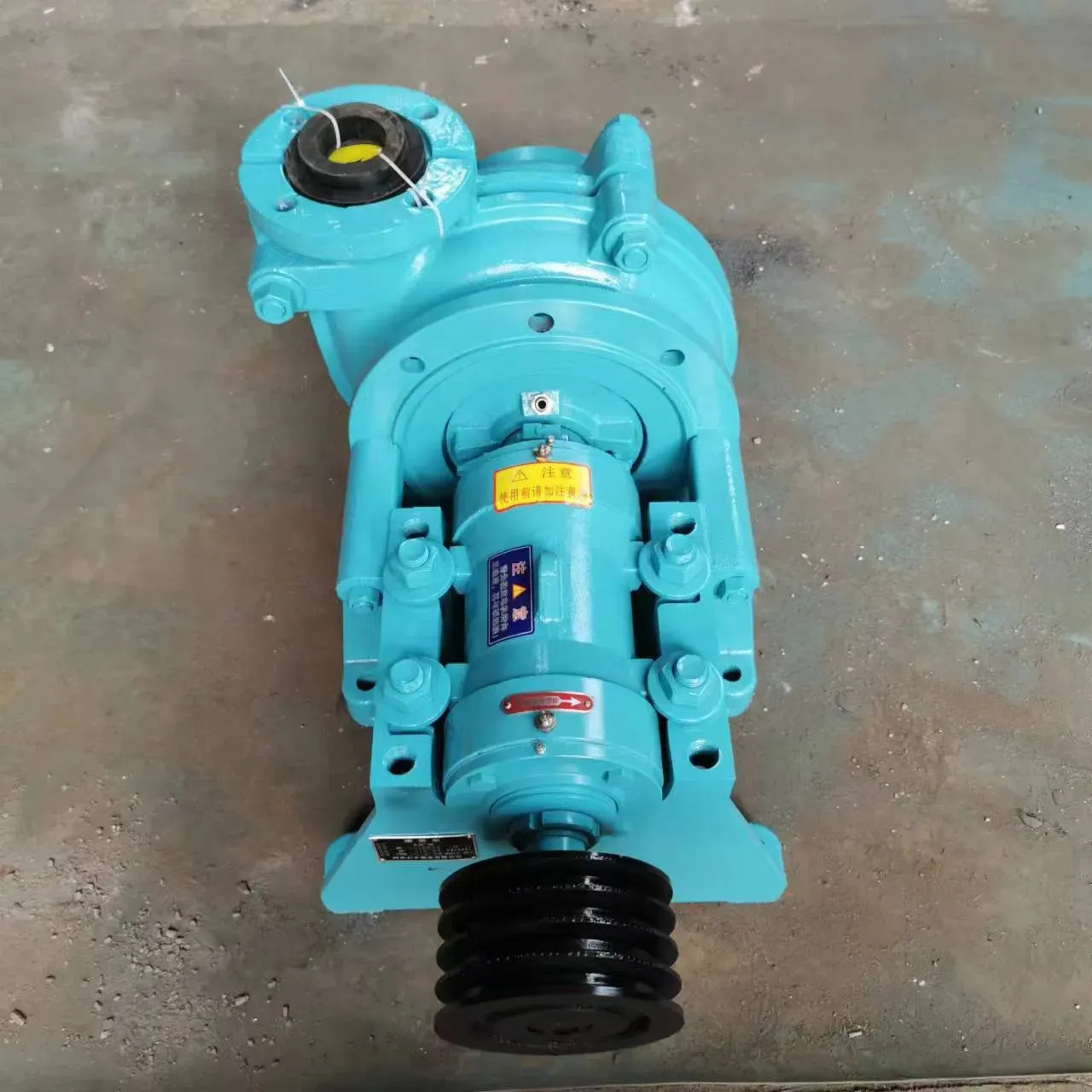
Introduction
Lime slurry dosing pumps are positive displacement pumps specifically engineered for the accurate and reliable transfer of abrasive and corrosive lime slurries. Primarily utilized in water and wastewater treatment plants, flue gas desulfurization (FGD) systems, and mineral processing, these pumps play a crucial role in pH adjustment, neutralization, and pollution control. Unlike general-purpose pumps, lime slurry dosing pumps are designed to mitigate the unique challenges presented by lime slurry’s highly abrasive nature and propensity for settling. Core performance characteristics include precise flow rate control, resistance to abrasion, minimization of plugging, and long-term operational reliability. The industry faces continuous demands for increased efficiency, reduced maintenance, and adherence to stringent environmental regulations, driving innovation in pump design and materials science. This guide will provide an in-depth examination of lime slurry dosing pump technology, covering material selection, manufacturing processes, performance parameters, failure modes, and maintenance best practices.
Material Science & Manufacturing
The construction of a lime slurry dosing pump necessitates careful material selection to withstand the inherent abrasive and corrosive properties of lime slurry. Pump casings are commonly manufactured from high-chrome cast iron (typically 27% chromium content) offering exceptional abrasion resistance. Impellers and liners, experiencing the most direct contact with the slurry, often employ specialized materials like high-hardness ceramics (alumina, silicon carbide) or tungsten carbide for enhanced wear resistance. Elastomeric components – seals, gaskets, and diaphragms – are typically constructed from natural rubber, EPDM (ethylene propylene diene monomer rubber), or PTFE (polytetrafluoroethylene) to resist chemical attack from the alkaline slurry.
Manufacturing processes vary based on component complexity. Casings are frequently produced via sand casting followed by heat treatment and machining to achieve precise dimensions and surface finish. Impellers often utilize investment casting for intricate geometries and dimensional accuracy. Shafts are typically forged from alloy steel and hardened through heat treatment. Diaphragm pumps involve vulcanization of rubber compounds onto fabric reinforcement layers to create the flexible diaphragm. Key parameter control during manufacturing includes: precise alloy composition verification through spectroscopic analysis, hardness testing (Rockwell C scale) to ensure material properties meet specifications, dimensional inspection using coordinate measuring machines (CMM) for critical tolerances, and non-destructive testing (NDT) like liquid penetrant inspection to detect surface flaws. Welding processes, when employed, must adhere to AWS D1.1 structural welding code to guarantee weld integrity and prevent corrosion initiation. The quality of the slurry lining is critical; application techniques like spray coating or rubber lining must achieve a uniform thickness and strong adhesion to the metal substrate.
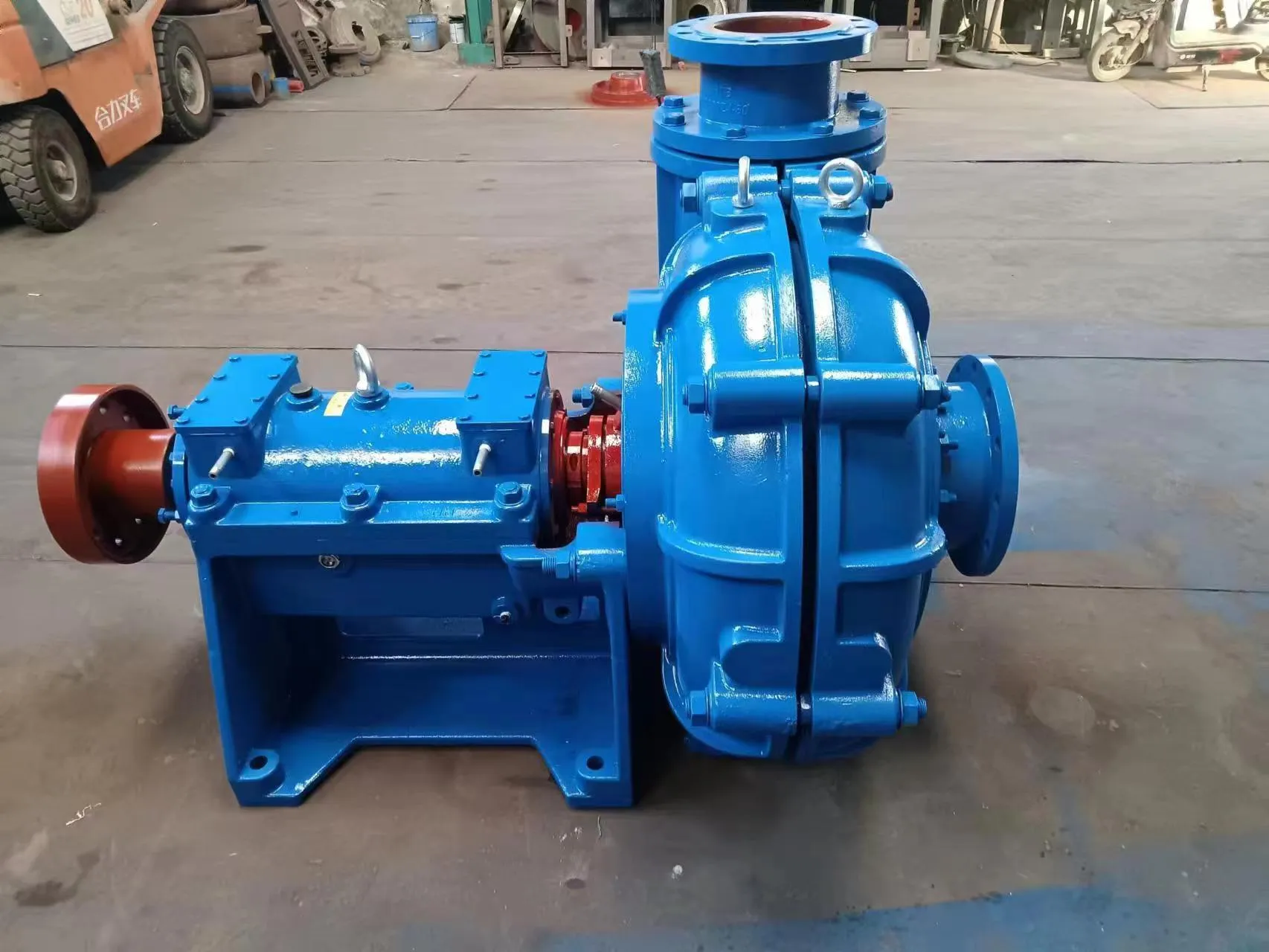
Performance & Engineering
The performance of a lime slurry dosing pump is governed by several engineering principles. Flow rate is directly proportional to pump speed (RPM) and displacement per revolution. However, lime slurry's non-Newtonian behavior (shear-thinning) introduces complexities. Higher shear rates – achieved at increased pump speeds – reduce viscosity, leading to higher flow rates than predicted by Newtonian fluid dynamics. Therefore, calibration and flow rate verification are crucial.
Force analysis involves calculating the stresses imposed on pump components by the slurry’s weight and flow velocity. Abrasion is a primary failure mechanism, quantified by wear rates. The impact energy of lime particles on pump surfaces is determined by particle size, concentration, and velocity. Cavitation, a phenomenon caused by vapor bubble formation and collapse, can also lead to erosion and damage, particularly at impeller inlets. Environmental resistance is paramount. The pump's exterior must be protected against corrosion from moisture and atmospheric pollutants, typically through epoxy coatings. Compliance requirements vary regionally. In the United States, pumps must meet ANSI/NSF 61 standards for contact with potable water. European regulations (EN 60529) define ingress protection (IP) ratings, indicating resistance to dust and water. Functional implementation requires careful system design, including strainer selection to prevent large particles from entering the pump, proper piping layout to minimize pressure drops, and the inclusion of relief valves to protect against overpressure situations. The pump's motor selection must account for the slurry's specific gravity and viscosity to ensure adequate torque.
Technical Specifications
| Parameter | Units | Typical Value (Diaphragm Pump) | Typical Value (Rotary Lobe Pump) |
|---|---|---|---|
| Maximum Flow Rate | gpm (gallons per minute) | 5 - 100 | 20 - 250 |
| Maximum Discharge Pressure | psi (pounds per square inch) | 150 | 200 |
| Solids Handling Capability | % by weight | Up to 70 | Up to 60 |
| Abrasive Slurry Wear Rate (Impeller/Liner) | mm/year (millimeters per year) | 0.1 – 0.5 | 0.2 – 0.8 |
| Viscosity Range | cP (centipoise) | 100 – 5000 | 500 – 10000 |
| Temperature Range | °F (degrees Fahrenheit) | 32 – 150 | 32 – 200 |
Failure Mode & Maintenance
Lime slurry dosing pumps are susceptible to several failure modes. Fatigue cracking in pump casings can occur due to cyclical stress induced by pressure fluctuations and slurry impact. Delamination of rubber linings is a common issue, stemming from poor adhesion, improper vulcanization, or excessive abrasion. Degradation of elastomeric seals and diaphragms arises from chemical attack by the alkaline slurry and exposure to elevated temperatures. Oxidation of metal components, particularly in atmospheric conditions, leads to corrosion.
Preventive maintenance is crucial. Regular inspection of pump components (every 3-6 months) for wear and corrosion is recommended. Diaphragms should be replaced on a scheduled basis (typically annually) to prevent catastrophic failure. Lubrication of bearings and moving parts is essential to reduce friction and wear. The pump’s strainer should be cleaned frequently to prevent blockage. In the event of a failure, a thorough root cause analysis should be conducted. For fatigue cracks, stress relief procedures or casing replacement may be necessary. Delamination requires relining or casing replacement. Seal and diaphragm failures necessitate component replacement with compatible materials. Corrosion requires surface preparation and application of protective coatings. Vibration analysis can identify bearing wear or impeller imbalance. Maintaining accurate records of maintenance activities and failure events allows for predictive maintenance strategies and optimized pump performance.
Industry FAQ
Q: What is the primary cause of impeller wear in lime slurry pumps?
A: The primary cause of impeller wear is abrasive wear due to the impact of hard lime particles suspended in the slurry. The severity of wear is influenced by particle size, concentration, slurry velocity, and the impeller material's hardness. Regularly inspecting and replacing impellers made from wear-resistant materials like high-chrome iron or ceramics is essential.
Q: How does the viscosity of lime slurry affect pump performance?
A: Lime slurry exhibits non-Newtonian, shear-thinning behavior. Increased shear rates (higher pump speeds) reduce viscosity, leading to higher flow rates than expected with Newtonian fluids. However, excessively high speeds can also accelerate abrasion. Proper pump sizing and speed control are crucial to optimize performance and minimize wear.
Q: What type of seal is most suitable for lime slurry applications?
A: Mechanical seals with PTFE (polytetrafluoroethylene) or EPDM (ethylene propylene diene monomer rubber) elastomers are generally preferred for lime slurry applications due to their chemical resistance. However, seal failure is a common issue. Double mechanical seals with a barrier fluid are recommended for critical applications where leakage is unacceptable.
Q: What is the purpose of a strainer upstream of the pump?
A: The strainer’s purpose is to remove large particles and debris from the lime slurry before it enters the pump. This prevents damage to the impeller and other internal components, reduces wear, and minimizes the risk of plugging. Regular cleaning of the strainer is essential.
Q: How can I mitigate the risk of cavitation in a lime slurry pump?
A: Cavitation can be mitigated by ensuring adequate suction pressure, minimizing suction lift, reducing slurry viscosity (where possible), and optimizing impeller design. Proper pipe sizing and the elimination of sharp bends in the suction line also help to prevent cavitation.
Conclusion
Lime slurry dosing pumps are specialized equipment vital to a range of industrial processes requiring precise and reliable slurry handling. The selection of appropriate materials, coupled with careful manufacturing control and diligent maintenance, is paramount to ensuring long-term operational integrity and minimizing lifecycle costs. Understanding the inherent challenges posed by lime slurry’s abrasive and corrosive nature – and implementing strategies to mitigate these challenges – is critical for maximizing pump performance and avoiding costly downtime.
Future advancements in lime slurry pump technology will likely focus on the development of even more wear-resistant materials, improved impeller designs to minimize cavitation and abrasion, and the integration of smart sensors for predictive maintenance. The adoption of advanced coating technologies, such as ceramic coatings and diamond-like carbon (DLC) coatings, will further enhance component durability. Continued innovation will be driven by the increasing demands for efficient water and wastewater treatment, stringent environmental regulations, and the need for sustainable industrial practices.
-
Comprehensive Guide to Waterproof ORings for Optimal Sealing Solutions
News2026-06-09
-
Septic Pump Replacement Performance Analysis
News2026-06-10
-
Septic Pump Price Performance Analysis
News2026-06-10
-
pumps for septic systems Material Science Manufacturing
News2026-06-10
-
ejector pumps for basement bathrooms Performance Analysis
News2026-06-10
-
Ejector Pump Cost Analysis
News2026-06-10
-
drainage pumps Performance and Engineering
News2026-06-09
-
basement bathroom ejector pump Material Science
News2026-06-09
-
Sewer Ejector Pump Cost Performance Analysis
News2026-06-09
-
Septic Tank Pump Replacement Performance Analysis
News2026-06-09
-
septic sump pump Performance and Engineering
News2026-06-09
-
Septic Pump System Performance Analysis
News2026-06-08
-
pump for septic Material Science
News2026-06-08
-
basement sewer pump Performance Analysis
News2026-06-08
-
submerged pump Performance Engineering
News2026-06-08




