English
- Afrikaans
- Albanian
- Amharic
- Arabic
- Armenian
- Azerbaijani
- Basque
- Belarusian
- Bengali
- Bosnian
- Bulgarian
- Catalan
- Cebuano
- Corsican
- Croatian
- Czech
- Danish
- Dutch
- English
- Esperanto
- Estonian
- Finnish
- French
- Frisian
- Galician
- Georgian
- German
- Greek
- Gujarati
- Haitian Creole
- hausa
- hawaiian
- Hebrew
- Hindi
- Miao
- Hungarian
- Icelandic
- igbo
- Indonesian
- irish
- Italian
- Japanese
- Javanese
- Kannada
- kazakh
- Khmer
- Rwandese
- Korean
- Kurdish
- Kyrgyz
- Lao
- Latin
- Latvian
- Lithuanian
- Luxembourgish
- Macedonian
- Malgashi
- Malay
- Malayalam
- Maltese
- Maori
- Marathi
- Mongolian
- Myanmar
- Nepali
- Norwegian
- Norwegian
- Occitan
- Pashto
- Persian
- Polish
- Portuguese
- Punjabi
- Romanian
- Russian
- Samoan
- Scottish Gaelic
- Serbian
- Sesotho
- Shona
- Sindhi
- Sinhala
- Slovak
- Slovenian
- Somali
- Spanish
- Sundanese
- Swahili
- Swedish
- Tagalog
- Tajik
- Tamil
- Tatar
- Telugu
- Thai
- Turkish
- Turkmen
- Ukrainian
- Urdu
- Uighur
- Uzbek
- Vietnamese
- Welsh
- Bantu
- Yiddish
- Yoruba
- Zulu

Telephone: +86 13120555503
Email: frank@cypump.com


Apr . 01, 2024 17:55 Back to list
kzn slurry pumps Performance and Engineering
Introduction
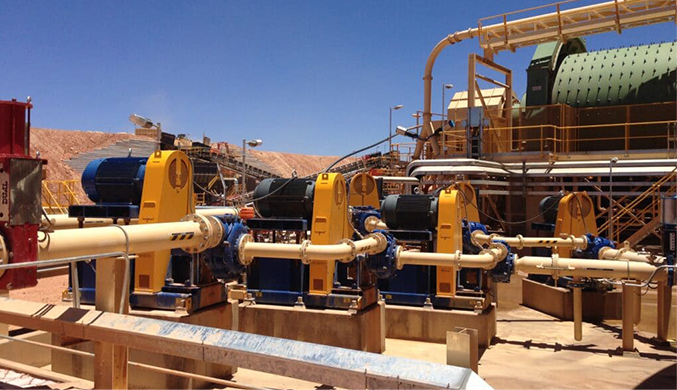
KZN slurry pumps are centrifugal pumps specifically engineered for the demanding task of transporting abrasive, erosive, and corrosive slurries. Positioned within the mining, mineral processing, chemical, and wastewater treatment industries, these pumps represent a crucial component in material handling systems. Unlike standard centrifugal pumps, KZN pumps are designed with hardened materials, robust construction, and specialized impeller designs to withstand the mechanical stresses imposed by solid-laden fluids. Core performance characteristics include high solids handling capacity, resistance to abrasion and corrosion, and reliable operation in challenging environments. The selection of a KZN pump is often dictated by the slurry’s specific gravity, particle size distribution, flow rate, and chemical composition. Proper pump selection and maintenance are paramount to preventing premature failure and ensuring process efficiency, addressing a critical pain point for operators facing high downtime costs and replacement expenditures.
Material Science & Manufacturing
The materials used in KZN slurry pumps are central to their performance and longevity. Pump casings are commonly constructed from high-chrome cast iron (typically 27% Cr) or specialized alloy steels, offering excellent abrasion resistance. Impellers can be similarly constructed, or utilize materials like white iron (a very hard, brittle alloy) or ceramic composites for extreme abrasive services. Shafts are typically manufactured from alloy steels, heat-treated for high tensile strength and torsional resistance. Elastomeric components, such as liners and seals, are often made from natural rubber, EPDM, or other chemically resistant polymers, selected based on the slurry's chemical compatibility.
Manufacturing processes vary depending on the pump component. Casings are typically produced via sand casting, followed by heat treatment and machining. Impellers often utilize investment casting for complex geometries and tight tolerances. Shafts undergo forging, machining, and hardening processes. A critical parameter in casing production is the control of the cooling rate during casting, as this affects the microstructure and hardness of the resulting material. Impeller balancing is crucial to minimize vibration and bearing wear. Welding, where employed for repairs or casing construction, requires qualified welders and procedures to maintain material integrity and prevent stress concentrations. Non-destructive testing (NDT) methods, such as radiographic inspection and ultrasonic testing, are commonly used to verify weld quality and detect internal flaws. Liners are typically vulcanized directly to the casing, requiring precise temperature and pressure control for optimal adhesion and chemical resistance.
Performance & Engineering
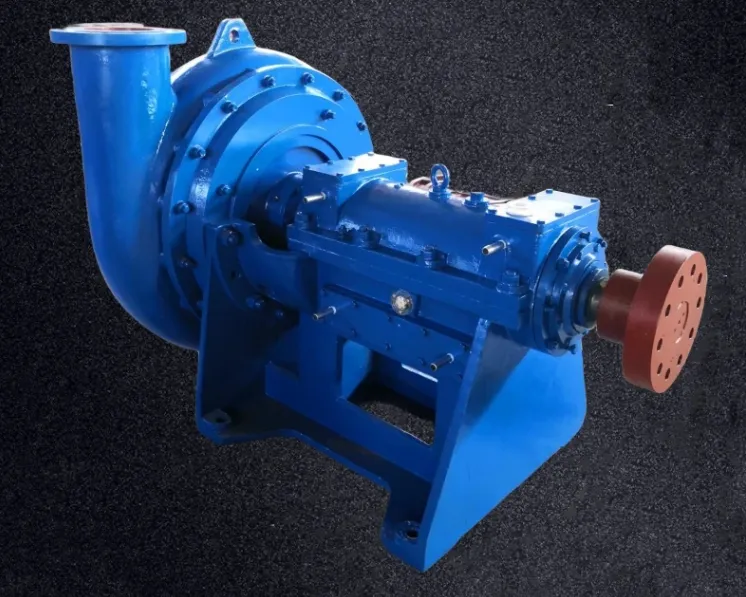
The performance of a KZN slurry pump is dictated by several engineering factors. Hydraulic design focuses on maximizing impeller efficiency while minimizing wear. Impeller geometry is critical – designs incorporating open or semi-open impellers are common for handling large solids, while closed impellers are suited for finer slurries. Volute casing design ensures efficient fluid collection and discharge. Force analysis is paramount, particularly regarding radial loads imposed by the slurry on the impeller and bearings. Bearing selection (typically heavy-duty roller bearings or hydrodynamic bearings) must account for these loads and the operational speed. Environmental resistance is crucial; pump materials must withstand the corrosive effects of the slurry and the ambient environment. Compliance requirements, such as those stipulated by API 610 (Centrifugal Pumps) or relevant industry-specific standards, often dictate design and testing protocols. Shaft deflection is monitored and controlled to prevent seal failure and bearing damage. Pump performance curves (head-capacity, efficiency-capacity) are generated through hydraulic testing to validate design and inform pump selection. Consideration must also be given to the pump's Net Positive Suction Head Required (NPSHr), ensuring adequate suction pressure to prevent cavitation. The pump's power consumption is a significant operational cost, and optimization of hydraulic efficiency is key to minimizing energy usage.
Technical Specifications
| Parameter | Unit | Typical Value (KZN-60 Model) | Typical Value (KZN-150 Model) |
|---|---|---|---|
| Flow Rate | m³/h | 20-80 | 80-250 |
| Head | m | 10-30 | 20-60 |
| Solids Handling Capacity | % by weight | Up to 60 | Up to 60 |
| Maximum Particle Size | mm | 25 | 75 |
| Pump Speed | RPM | 1450-2900 | 1450-2900 |
| Power | kW | 5.5-15 | 15-55 |
Failure Mode & Maintenance
KZN slurry pumps are susceptible to several failure modes. Abrasion is a primary concern, leading to impeller and casing wear, reducing pump efficiency and capacity. Erosion, particularly at high flow velocities, can cause localized material loss. Corrosion, depending on the slurry’s chemical composition, can result in pitting, cracking, and overall material degradation. Mechanical failures include bearing failure (due to excessive loads, contamination, or inadequate lubrication), seal failure (leading to leakage and potential environmental hazards), and shaft cracking (due to fatigue or stress corrosion). Cavitation, caused by insufficient NPSH, can damage the impeller and casing. Delamination of liners can also occur, reducing pump performance and increasing abrasion.
Preventative maintenance is critical. Regular inspection of impellers, casings, and liners for wear is essential. Bearing lubrication schedules must be strictly adhered to. Seal integrity should be checked periodically. Slurry analysis (particle size distribution, chemical composition) is vital for optimizing pump operation and material selection. Vibration monitoring can detect early signs of bearing wear or impeller imbalance. Flush plans for mechanical seals should be verified for proper operation. When repairs are necessary, qualified welders should perform any casing repairs. Impellers and casings should be replaced when wear exceeds acceptable limits. A comprehensive maintenance program, including detailed records of inspections, repairs, and replacements, is crucial for maximizing pump uptime and minimizing life cycle costs.
Industry FAQ
Q: What are the key considerations when selecting a KZN pump for a highly abrasive slurry?
A: For highly abrasive slurries, prioritize the use of high-chrome cast iron or specialized alloy materials for the impeller and casing. Consider an open or semi-open impeller design to minimize wear from large particles. Reduce slurry velocity whenever possible to reduce erosion rates. Regularly inspect and replace worn components.
Q: How does slurry composition affect the choice of elastomeric liners?
A: Slurry composition dictates the chemical resistance required of the liners. Natural rubber is suitable for many abrasive slurries but may not withstand strong acids or solvents. EPDM offers broader chemical resistance but may have lower abrasion resistance. Specialized polymers like Viton are used for aggressive chemical environments.
Q: What are the implications of operating a KZN pump below its minimum NPSHr?
A: Operating below the minimum NPSHr will cause cavitation, which damages the impeller and casing, leading to reduced pump efficiency and premature failure. Ensure adequate suction head or consider lowering the pump speed to reduce NPSHr requirements.
Q: What are the common causes of bearing failure in KZN pumps handling slurries?
A: Bearing failure can result from excessive radial loads due to solids in the slurry, contamination of the lubricant, inadequate lubrication, or improper bearing selection. Regular lubrication, vibration monitoring, and appropriate bearing type are essential.
Q: What preventative maintenance practices are recommended for mechanical seals in slurry applications?
A: Ensure proper seal flush plan operation to remove abrasive particles and maintain cooling. Regularly inspect seals for leakage or signs of wear. Monitor seal chamber pressure. Replace seals proactively based on operating hours and slurry characteristics.
Conclusion
KZN slurry pumps represent a critical technology for industries handling abrasive, erosive, and corrosive slurries. Their specialized design, material selection, and robust construction are essential for reliable operation and minimizing downtime in challenging applications. Successful implementation requires a thorough understanding of slurry characteristics, pump performance parameters, and preventative maintenance practices.
The ongoing development of new materials and hydraulic designs continues to improve the efficiency and longevity of KZN pumps. Future advancements may focus on incorporating advanced monitoring systems for predictive maintenance, utilizing ceramic composites for enhanced abrasion resistance, and optimizing pump geometry for reduced energy consumption. A proactive approach to pump selection, operation, and maintenance remains the cornerstone of maximizing return on investment and ensuring process reliability.
-
Comprehensive Guide to Waterproof ORings for Optimal Sealing Solutions
News2026-06-09
-
Septic Pump Replacement Performance Analysis
News2026-06-10
-
Septic Pump Price Performance Analysis
News2026-06-10
-
pumps for septic systems Material Science Manufacturing
News2026-06-10
-
ejector pumps for basement bathrooms Performance Analysis
News2026-06-10
-
Ejector Pump Cost Analysis
News2026-06-10
-
drainage pumps Performance and Engineering
News2026-06-09
-
basement bathroom ejector pump Material Science
News2026-06-09
-
Sewer Ejector Pump Cost Performance Analysis
News2026-06-09
-
Septic Tank Pump Replacement Performance Analysis
News2026-06-09
-
septic sump pump Performance and Engineering
News2026-06-09
-
Septic Pump System Performance Analysis
News2026-06-08
-
pump for septic Material Science
News2026-06-08
-
basement sewer pump Performance Analysis
News2026-06-08
-
submerged pump Performance Engineering
News2026-06-08




