English
- Afrikaans
- Albanian
- Amharic
- Arabic
- Armenian
- Azerbaijani
- Basque
- Belarusian
- Bengali
- Bosnian
- Bulgarian
- Catalan
- Cebuano
- Corsican
- Croatian
- Czech
- Danish
- Dutch
- English
- Esperanto
- Estonian
- Finnish
- French
- Frisian
- Galician
- Georgian
- German
- Greek
- Gujarati
- Haitian Creole
- hausa
- hawaiian
- Hebrew
- Hindi
- Miao
- Hungarian
- Icelandic
- igbo
- Indonesian
- irish
- Italian
- Japanese
- Javanese
- Kannada
- kazakh
- Khmer
- Rwandese
- Korean
- Kurdish
- Kyrgyz
- Lao
- Latin
- Latvian
- Lithuanian
- Luxembourgish
- Macedonian
- Malgashi
- Malay
- Malayalam
- Maltese
- Maori
- Marathi
- Mongolian
- Myanmar
- Nepali
- Norwegian
- Norwegian
- Occitan
- Pashto
- Persian
- Polish
- Portuguese
- Punjabi
- Romanian
- Russian
- Samoan
- Scottish Gaelic
- Serbian
- Sesotho
- Shona
- Sindhi
- Sinhala
- Slovak
- Slovenian
- Somali
- Spanish
- Sundanese
- Swahili
- Swedish
- Tagalog
- Tajik
- Tamil
- Tatar
- Telugu
- Thai
- Turkish
- Turkmen
- Ukrainian
- Urdu
- Uighur
- Uzbek
- Vietnamese
- Welsh
- Bantu
- Yiddish
- Yoruba
- Zulu

Telephone: +86 13120555503
Email: frank@cypump.com


Apr . 01, 2024 17:55 Back to list
krebs millmax slurry pumps Performance Analysis
Introduction
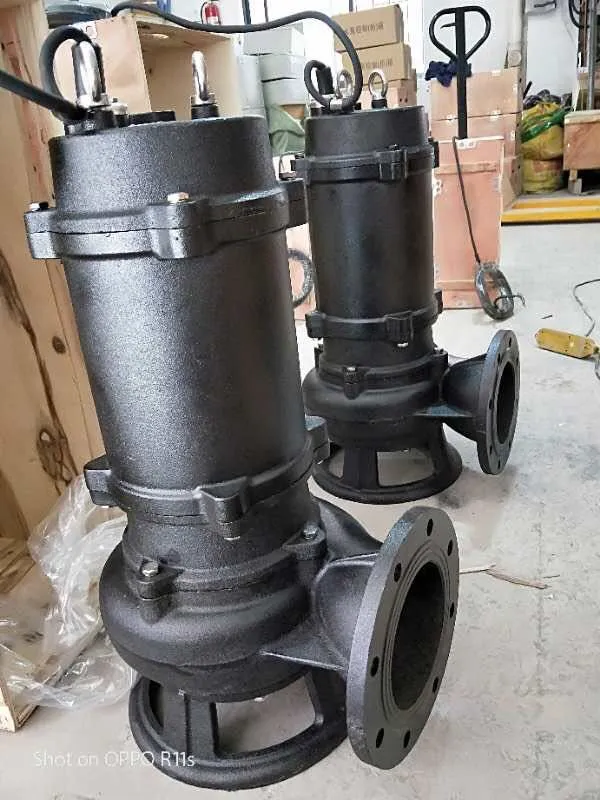
Krebs MillMax slurry pumps represent a critical component in numerous industrial processes requiring the reliable and efficient transport of abrasive and corrosive slurries. Positioned within the solids handling segment of pump technology, these pumps are designed for heavy-duty applications primarily found in mining, mineral processing, chemical processing, and wastewater treatment. Unlike centrifugal pumps optimized for clean fluids, MillMax pumps prioritize handling high solids concentrations, large particle sizes, and aggressive media. Core performance characteristics include high head capability, robust wear resistance, and minimized downtime through component longevity. A primary industry pain point addressed by the MillMax design is the frequent and costly maintenance associated with conventional pumps when subjected to abrasive slurries, leading to significant production losses. Their design focus minimizes erosion and wear, extending operational life and reducing total cost of ownership. This guide details the material science, manufacturing processes, engineering considerations, failure modes, and relevant standards governing Krebs MillMax slurry pumps.
Material Science & Manufacturing
The performance and longevity of Krebs MillMax pumps are fundamentally tied to the selection of materials and the precision of their manufacturing. The primary wetted components – impeller, liner, volute casing, and suction/discharge manifolds – are typically constructed from high-chrome cast iron alloys (e.g., Alloy 27) offering exceptional abrasion resistance. The chromium content, generally between 27-35%, forms hard chromium carbides during operation, significantly improving wear life in abrasive environments. Alternative materials like stainless steels (e.g., 316, duplex stainless steels) and ceramic coatings are employed for corrosive applications. Elastomeric liners, composed of materials like natural rubber or synthetic rubbers (e.g., EPDM, chloroprene) are also utilized, particularly in applications involving solids with sharp edges or high impact forces.
Manufacturing begins with sand casting for the primary casing components. Critical dimensional accuracy and surface finish are achieved through subsequent machining processes. Impellers are often investment cast to create complex geometries and ensure material homogeneity. The impeller design itself is paramount; open impeller designs are favored for handling large solids and preventing clogging, while closed impeller designs offer higher efficiencies with smaller solids concentrations. Welding processes, typically shielded metal arc welding (SMAW) or flux-cored arc welding (FCAW), are utilized for joining components and applying wear-resistant overlays. Parameter control during welding is crucial to prevent metallurgical defects like cracking or porosity. Heat treatment processes, including normalizing and tempering, are applied to achieve the desired hardness and ductility of the cast iron components. Finally, all wetted surfaces undergo rigorous quality control checks, including dimensional inspection, hardness testing, and non-destructive testing (NDT) such as radiographic inspection or ultrasonic testing to detect internal flaws. Liners are bonded to the casing utilizing vulcanizing processes, ensuring a durable and chemically resistant seal.
Performance & Engineering
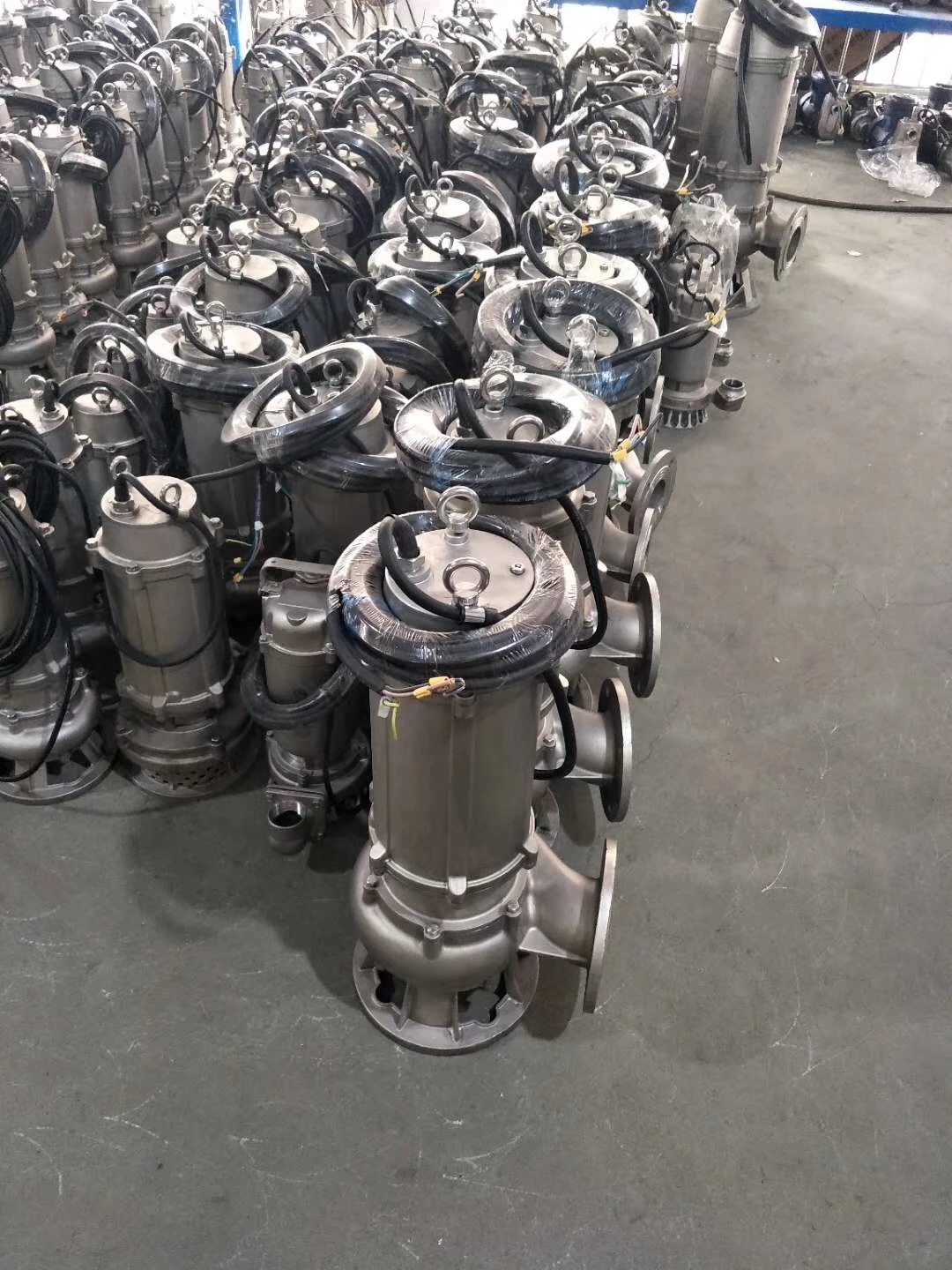
The performance of a Krebs MillMax pump is dictated by a complex interplay of hydraulic principles and mechanical engineering considerations. Force analysis focuses on the stresses generated by slurry flow, impeller rotation, and external piping loads. Centrifugal force exerts significant stress on the impeller and casing, especially at higher rotational speeds. The impact forces from solid particles colliding with the impeller and liner contribute to erosive wear. Computational Fluid Dynamics (CFD) modeling is extensively used to optimize impeller geometry, volute design, and flow paths to minimize energy losses and maximize hydraulic efficiency.
Environmental resistance is a key engineering consideration. Pumps operating in harsh environments (e.g., extreme temperatures, corrosive atmospheres) require specialized materials and coatings. Seals are critical components, preventing slurry leakage and maintaining pump efficiency. Mechanical seals, utilizing materials like silicon carbide or tungsten carbide, are commonly employed for abrasive slurries. Compliance requirements vary depending on the application and geographical location. For example, pumps used in potable water treatment must comply with NSF/ANSI 61 standards. Pumps destined for hazardous locations must meet ATEX or IECEx certification requirements. Proper pump selection involves matching the pump curve (head vs. flow rate) to the system requirements. This includes accounting for pipeline friction losses, elevation changes, and the solids concentration and particle size distribution of the slurry. Variable Frequency Drives (VFDs) are often integrated to allow for precise flow control and energy optimization.
Technical Specifications
| Parameter | Unit | Typical Range (MillMax Series) | Notes |
|---|---|---|---|
| Flow Rate | m³/hr | 50 - 1500 | Varies significantly by model and impeller size. |
| Head | m | 10 - 100 | Dependent on impeller diameter and rotational speed. |
| Solids Handling Capacity | % by weight | Up to 70 | Maximum achievable solids content depends on slurry characteristics. |
| Particle Size | mm | Up to 75 | Larger particle sizes may require specific impeller designs. |
| Pump Speed | RPM | 500 - 1500 | Typically driven by electric motors. |
| Power | kW | 2.2 – 370 | Depends on flow rate, head, and motor efficiency. |
Failure Mode & Maintenance
Krebs MillMax pumps, while robust, are susceptible to failure modes inherent in abrasive slurry applications. Fatigue cracking in the impeller and casing is a common issue, initiated by cyclic stresses and accelerated by corrosion. Erosion, particularly on the impeller vanes and liner surfaces, leads to reduced pump efficiency and eventually component failure. Delamination of elastomeric liners occurs when the bond between the liner and casing fails, often due to improper vulcanization or chemical attack. Cavitation, caused by low suction pressure, can pit and erode impeller surfaces. Oxidation, especially in stainless steel components, can reduce corrosion resistance.
Preventative maintenance is critical to maximizing pump life. Regular inspections should include visual checks for wear, monitoring bearing temperatures, and analyzing slurry composition. Scheduled component replacement, based on wear rate predictions, minimizes unscheduled downtime. Proper lubrication of bearings is essential. Periodic cleaning of the pump casing and impeller removes abrasive deposits and prevents clogging. For elastomeric liners, maintaining proper bonding integrity is crucial; periodic bond testing and repair should be performed. When failures occur, detailed failure analysis should be conducted to determine the root cause and implement corrective actions. This might involve material upgrades, design modifications, or adjustments to operating parameters. Impeller balancing is also important after repairs or replacements to prevent vibration and premature bearing failure.
Industry FAQ
Q: What is the impact of slurry composition on the selection of liner material?
A: Slurry composition is paramount. Highly abrasive slurries with sharp particles (e.g., quartz) require liners with exceptional abrasion resistance, such as high-chrome cast iron. Corrosive slurries necessitate chemically resistant liners, like rubber compounds or specialized alloys. The pH of the slurry also plays a crucial role; acidic or alkaline slurries can degrade certain liner materials.
Q: How does impeller design affect pump efficiency when handling solids?
A: Open impellers are preferred for high solids concentrations as they minimize clogging. However, they generally have lower efficiencies compared to closed impellers. Closed impellers offer higher efficiencies for smaller solids concentrations, but are more prone to blockage. Impeller vane angle and width are also critical parameters influencing performance and solids handling capability.
Q: What are the common causes of cavitation in Krebs MillMax pumps?
A: Cavitation is primarily caused by insufficient Net Positive Suction Head Available (NPSHa) compared to the Net Positive Suction Head Required (NPSHr) by the pump. This can occur due to high suction lift, low suction pressure, or high slurry temperature. Incorrect impeller trim or a partially blocked suction line can also contribute to cavitation.
Q: What is the recommended maintenance schedule for mechanical seals?
A: Mechanical seals should be inspected regularly (e.g., every 3-6 months) for signs of wear or leakage. The frequency of inspection depends on the severity of the slurry and operating conditions. Seal replacement should be scheduled based on wear rate monitoring and historical data, typically every 1-2 years.
Q: How can I minimize wear on the pump casing in highly abrasive applications?
A: Utilizing wear-resistant coatings, such as ceramic or tungsten carbide overlays, on the casing interior can significantly reduce erosion rates. Maintaining proper slurry velocity and avoiding excessive turbulence also helps minimize wear. Regularly inspecting and replacing worn liners is crucial for protecting the underlying casing material.
Conclusion
The Krebs MillMax slurry pump represents a highly engineered solution for demanding solids handling applications. Its performance is directly linked to the careful selection of materials, precise manufacturing processes, and a thorough understanding of hydraulic principles. Addressing common failure modes through proactive maintenance and failure analysis is essential to maximizing pump lifespan and minimizing operational costs.
The future of MillMax pump technology will likely focus on advancements in materials science, such as the development of even more abrasion and corrosion-resistant alloys, and the integration of smart monitoring systems for predictive maintenance. Continuous optimization of impeller designs, leveraging advanced CFD modeling, will further enhance pump efficiency and solids handling capabilities. These advancements will cement the MillMax pump's position as a critical component in various industrial sectors.
-
Comprehensive Guide to Waterproof ORings for Optimal Sealing Solutions
News2026-06-09
-
drainage pumps Performance and Engineering
News2026-06-09
-
basement bathroom ejector pump Material Science
News2026-06-09
-
Sewer Ejector Pump Cost Performance Analysis
News2026-06-09
-
Septic Tank Pump Replacement Performance Analysis
News2026-06-09
-
septic sump pump Performance and Engineering
News2026-06-09
-
Septic Pump System Performance Analysis
News2026-06-08
-
pump for septic Material Science
News2026-06-08
-
basement sewer pump Performance Analysis
News2026-06-08
-
submerged pump Performance Engineering
News2026-06-08
-
Septic System Pumps Performance Analysis
News2026-06-08
-
septic system pump Material Science and Manufacturing
News2026-06-07
-
pump for septic tank Material Science Manufacturing
News2026-06-07
-
submersible sewage pump Material Science
News2026-06-07
-
Sewage Ejector Material Science and Manufacturing
News2026-06-07




