English
- Afrikaans
- Albanian
- Amharic
- Arabic
- Armenian
- Azerbaijani
- Basque
- Belarusian
- Bengali
- Bosnian
- Bulgarian
- Catalan
- Cebuano
- Corsican
- Croatian
- Czech
- Danish
- Dutch
- English
- Esperanto
- Estonian
- Finnish
- French
- Frisian
- Galician
- Georgian
- German
- Greek
- Gujarati
- Haitian Creole
- hausa
- hawaiian
- Hebrew
- Hindi
- Miao
- Hungarian
- Icelandic
- igbo
- Indonesian
- irish
- Italian
- Japanese
- Javanese
- Kannada
- kazakh
- Khmer
- Rwandese
- Korean
- Kurdish
- Kyrgyz
- Lao
- Latin
- Latvian
- Lithuanian
- Luxembourgish
- Macedonian
- Malgashi
- Malay
- Malayalam
- Maltese
- Maori
- Marathi
- Mongolian
- Myanmar
- Nepali
- Norwegian
- Norwegian
- Occitan
- Pashto
- Persian
- Polish
- Portuguese
- Punjabi
- Romanian
- Russian
- Samoan
- Scottish Gaelic
- Serbian
- Sesotho
- Shona
- Sindhi
- Sinhala
- Slovak
- Slovenian
- Somali
- Spanish
- Sundanese
- Swahili
- Swedish
- Tagalog
- Tajik
- Tamil
- Tatar
- Telugu
- Thai
- Turkish
- Turkmen
- Ukrainian
- Urdu
- Uighur
- Uzbek
- Vietnamese
- Welsh
- Bantu
- Yiddish
- Yoruba
- Zulu

Telephone: +86 13120555503
Email: frank@cypump.com


Apr . 01, 2024 17:55 Back to list
interchangeable slurry pump supplier Performance Analysis
Introduction
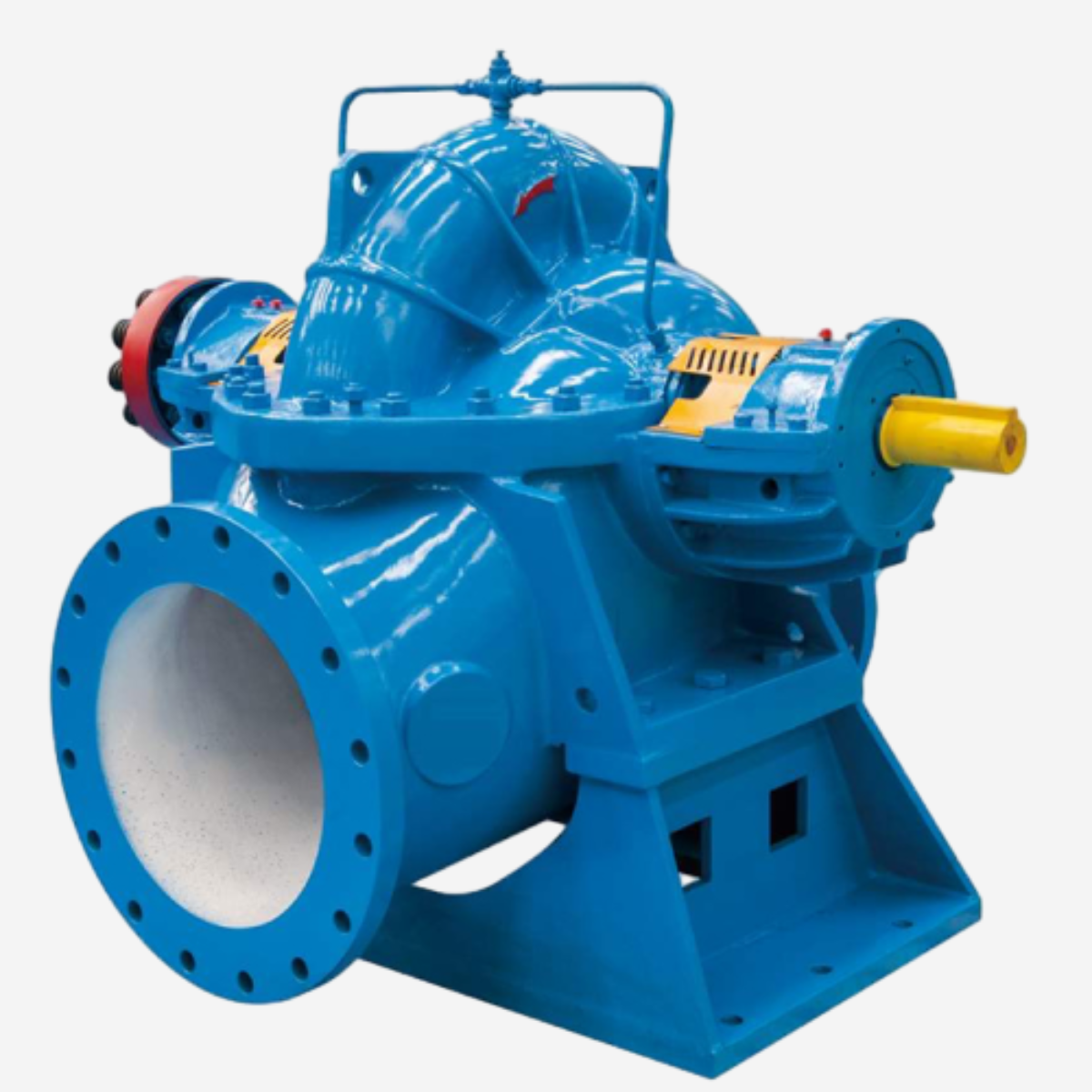
Interchangeable slurry pumps represent a critical component in numerous industrial processes, primarily utilized for the efficient transfer of abrasive, corrosive, and high-solids-content fluids. Their defining characteristic—interchangeability of wear parts—offers significant operational and economic advantages over traditional pump designs. Positioned within the industrial fluid handling chain, these pumps bridge the gap between process initiation (e.g., mining, wastewater treatment) and downstream operations like separation or processing. Core performance characteristics are defined by flow rate (typically measured in GPM or m³/hr), head (expressed in feet or meters), solids handling capacity (percentage by weight or diameter), and materials of construction to ensure chemical compatibility and longevity. A primary industry pain point revolves around unscheduled downtime due to wear and tear on pump components, particularly impellers and liners. Interchangeable slurry pumps directly address this issue by facilitating rapid replacement of worn parts, minimizing downtime, and reducing overall maintenance costs. Further concerns include managing pump efficiency as wear progresses, and the challenge of selecting appropriate materials for specific slurry compositions.
Material Science & Manufacturing
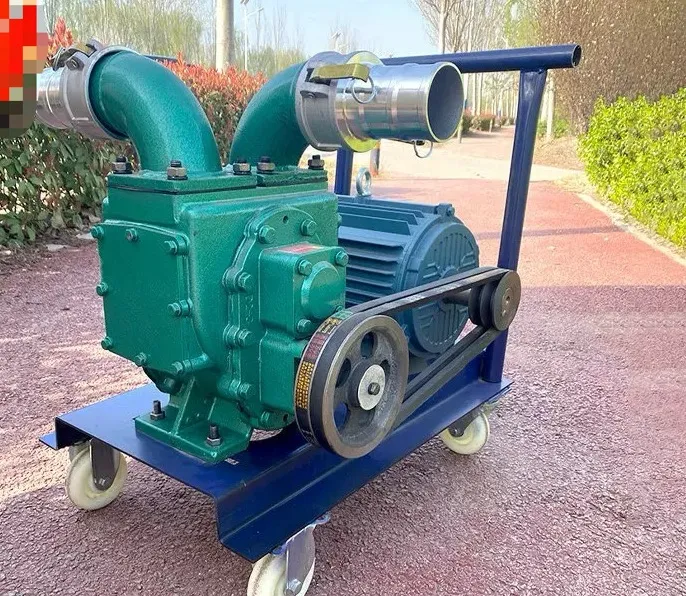
The performance and longevity of interchangeable slurry pumps are intrinsically linked to the materials employed and the precision of their manufacturing processes. Pump casings are commonly constructed from high-chrome iron alloys (e.g., A532 Grade 1 Class 3) offering excellent abrasion resistance, or stainless steels (304, 316) for corrosive environments. Impellers are similarly fabricated from high-chrome iron, ceramic materials (alumina, silicon carbide) for extreme abrasion resistance, or polymer composites when handling mildly abrasive slurries. Liners, providing a sacrificial wear surface, often utilize rubber (natural or synthetic, such as EPDM or butyl) or polyurethane, selected based on slurry chemistry and particle size. Manufacturing processes vary depending on component complexity. Casings are typically produced via sand casting followed by meticulous machining to ensure dimensional accuracy and surface finish. Impellers often undergo investment casting for intricate geometries and tight tolerances. Welding processes, such as shielded metal arc welding (SMAW) or gas tungsten arc welding (GTAW), are critical for joining components, requiring qualified welders and stringent quality control to prevent defects like porosity or cracking. Parameter control during casting is paramount. Cooling rates must be carefully managed to minimize residual stresses. Machining parameters (feed rate, cutting speed) must be optimized to achieve the desired surface roughness and dimensional accuracy. Chemical compatibility testing is essential, verifying that materials resist degradation in the target slurry environment. Hardness testing (Brinell, Vickers) validates material properties. Non-destructive testing (NDT) methods, including radiographic inspection and ultrasonic testing, are employed to detect internal flaws.
Performance & Engineering
The engineering design of interchangeable slurry pumps focuses on optimizing hydraulic performance while maximizing wear life. Force analysis is crucial, particularly considering the impact forces exerted by abrasive particles on pump components. Computational Fluid Dynamics (CFD) modeling is widely used to simulate slurry flow patterns, identify areas of high shear stress, and optimize impeller geometry to minimize erosion and cavitation. Environmental resistance is a significant concern; pumps must withstand temperature extremes, humidity, and exposure to corrosive chemicals. Materials selection, as discussed previously, plays a vital role. Pump design also incorporates features like double mechanical seals with flush systems to prevent abrasive particles from entering the seal faces, and hardened wear plates in areas prone to erosion. Compliance requirements vary depending on the application and geographical location. For example, pumps used in mining operations may need to meet MSHA (Mine Safety and Health Administration) standards. Pumps handling wastewater may be subject to EPA (Environmental Protection Agency) regulations. Functional implementation often involves integrating the pump into a larger system, requiring careful consideration of piping arrangements, suction lift limitations, and discharge head requirements. Net Positive Suction Head Available (NPSHa) must always exceed Net Positive Suction Head Required (NPSHr) to prevent cavitation. Variable Frequency Drives (VFDs) are frequently employed to control pump speed and flow rate, optimizing energy consumption and process control. Proper pump alignment is essential to prevent bearing failure and vibration.
Technical Specifications
| Parameter | Unit | Typical Range | Tolerance |
|---|---|---|---|
| Flow Rate | GPM (US) | 50 – 500 | ± 5% |
| Head | ft | 20 – 150 | ± 3% |
| Solids Handling | % by Weight | Up to 70 | - |
| Particle Size | inches | Up to 3 | - |
| Casing Material | - | High-Chrome Iron, Stainless Steel (304/316) | Per ASTM Specifications |
| Impeller Material | - | High-Chrome Iron, Alumina, Polyurethane | Per ASTM Specifications |
Failure Mode & Maintenance
Interchangeable slurry pumps, while robust, are susceptible to several failure modes. Fatigue cracking, particularly in the casing and impeller, can occur due to cyclic stress from abrasive particle impact. Delamination of rubber or polyurethane liners is common as the adhesive bond weakens with wear and chemical exposure. Erosion is a primary failure mechanism, leading to gradual material loss, particularly on the impeller vanes and casing volute. Oxidation, especially in stainless steel components, can reduce material strength and corrosion resistance. Cavitation, resulting from low NPSHa, can cause pitting and erosion of the impeller. To mitigate these failures, a proactive maintenance program is essential. Regular inspections should focus on identifying signs of wear, such as reduced flow rate, increased vibration, and excessive noise. Liner replacement should be scheduled based on wear rate monitoring. Impeller and casing replacement should be performed when significant erosion or cracking is detected. Lubrication of bearings is critical, with oil analysis providing insights into bearing condition and potential contamination. Proper pump alignment must be maintained. Preventative maintenance should include periodic inspection of seals and flushing systems. Failure analysis should be conducted on failed components to determine the root cause of failure and implement corrective actions. Documentation of maintenance activities and wear rates is vital for optimizing maintenance schedules and reducing downtime.
Industry FAQ
Q: What is the primary advantage of using interchangeable slurry pump parts over a completely new pump replacement?
A: The primary advantage lies in significantly reduced downtime and lower maintenance costs. Instead of halting operations to replace an entire pump, only the worn components – typically impellers, liners, and seals – need to be exchanged. This minimizes disruption to the process and eliminates the need for extensive re-installation, resulting in substantial savings in both time and expense.
Q: How do I select the appropriate liner material for my specific slurry application?
A: Liner selection depends heavily on the slurry’s chemical composition, particle size, and abrasion characteristics. Rubber liners (natural or synthetic) are suitable for mildly abrasive slurries with low chemical aggressiveness. Polyurethane liners offer improved abrasion resistance but may be susceptible to degradation by certain chemicals. For highly abrasive and corrosive slurries, ceramic or metal liners may be necessary. Thorough chemical compatibility testing is crucial before making a final decision.
Q: What is the impact of impeller wear on pump efficiency?
A: As the impeller wears, its geometry changes, reducing its ability to efficiently transfer energy to the slurry. This results in a decrease in flow rate, head, and overall pump efficiency. Increased power consumption may also occur as the pump attempts to maintain the required output. Regular impeller inspection and timely replacement are essential for maintaining optimal pump performance.
Q: What preventative measures can I take to minimize cavitation damage?
A: The most critical measure is ensuring adequate Net Positive Suction Head Available (NPSHa). This requires careful consideration of suction lift, fluid temperature, and system pressure. Proper pump selection and installation are also important. Avoid operating the pump outside of its recommended operating range. Regular inspection of the impeller for signs of pitting or erosion can help detect cavitation damage early on.
Q: What are the key considerations when specifying a slurry pump for a high-temperature application?
A: High-temperature applications necessitate materials selection that maintain their mechanical properties and corrosion resistance at elevated temperatures. Seals must be designed to withstand the higher temperatures and prevent leakage. Thermal expansion and contraction must be accounted for in the pump design and installation. Lubrication systems must be capable of operating effectively at high temperatures. Consideration should be given to potential thermal shock and the need for cooling systems.
Conclusion
Interchangeable slurry pumps represent a significant advancement in industrial fluid handling, offering a compelling solution to the challenges of abrasive slurry transfer. Their modular design, facilitated by interchangeable wear parts, minimizes downtime, reduces maintenance costs, and enhances operational efficiency. Careful material selection, coupled with precise manufacturing processes and proactive maintenance programs, are paramount to ensuring long-term reliability and optimal performance.
Looking forward, advancements in materials science – particularly the development of new ceramic and polymer composites – will further enhance the wear resistance and chemical compatibility of these pumps. Integration of sensor technology and predictive maintenance algorithms will enable condition-based monitoring and proactive component replacement, minimizing unplanned outages and maximizing the lifespan of the equipment. The continued refinement of hydraulic designs through CFD modeling will also contribute to improved pump efficiency and reduced energy consumption.
-
Comprehensive Guide to Waterproof ORings for Optimal Sealing Solutions
News2026-06-09
-
drainage pumps Performance and Engineering
News2026-06-09
-
basement bathroom ejector pump Material Science
News2026-06-09
-
Sewer Ejector Pump Cost Performance Analysis
News2026-06-09
-
Septic Tank Pump Replacement Performance Analysis
News2026-06-09
-
septic sump pump Performance and Engineering
News2026-06-09
-
Septic Pump System Performance Analysis
News2026-06-08
-
pump for septic Material Science
News2026-06-08
-
basement sewer pump Performance Analysis
News2026-06-08
-
submerged pump Performance Engineering
News2026-06-08
-
Septic System Pumps Performance Analysis
News2026-06-08
-
septic system pump Material Science and Manufacturing
News2026-06-07
-
pump for septic tank Material Science Manufacturing
News2026-06-07
-
submersible sewage pump Material Science
News2026-06-07
-
Sewage Ejector Material Science and Manufacturing
News2026-06-07




