English
- Afrikaans
- Albanian
- Amharic
- Arabic
- Armenian
- Azerbaijani
- Basque
- Belarusian
- Bengali
- Bosnian
- Bulgarian
- Catalan
- Cebuano
- Corsican
- Croatian
- Czech
- Danish
- Dutch
- English
- Esperanto
- Estonian
- Finnish
- French
- Frisian
- Galician
- Georgian
- German
- Greek
- Gujarati
- Haitian Creole
- hausa
- hawaiian
- Hebrew
- Hindi
- Miao
- Hungarian
- Icelandic
- igbo
- Indonesian
- irish
- Italian
- Japanese
- Javanese
- Kannada
- kazakh
- Khmer
- Rwandese
- Korean
- Kurdish
- Kyrgyz
- Lao
- Latin
- Latvian
- Lithuanian
- Luxembourgish
- Macedonian
- Malgashi
- Malay
- Malayalam
- Maltese
- Maori
- Marathi
- Mongolian
- Myanmar
- Nepali
- Norwegian
- Norwegian
- Occitan
- Pashto
- Persian
- Polish
- Portuguese
- Punjabi
- Romanian
- Russian
- Samoan
- Scottish Gaelic
- Serbian
- Sesotho
- Shona
- Sindhi
- Sinhala
- Slovak
- Slovenian
- Somali
- Spanish
- Sundanese
- Swahili
- Swedish
- Tagalog
- Tajik
- Tamil
- Tatar
- Telugu
- Thai
- Turkish
- Turkmen
- Ukrainian
- Urdu
- Uighur
- Uzbek
- Vietnamese
- Welsh
- Bantu
- Yiddish
- Yoruba
- Zulu

Telephone: +86 13120555503
Email: frank@cypump.com


Apr . 01, 2024 17:55 Back to list
interchangeable slurry pump Performance Engineering
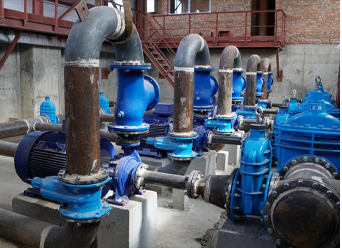
Introduction
Interchangeable slurry pumps represent a critical component in numerous industrial processes, serving as robust fluid transfer solutions for abrasive, corrosive, and high-solids content slurries. Unlike traditional slurry pumps with fixed internal configurations, these pumps are designed with modular internal components – impellers, liners, and wear plates – that can be readily exchanged to optimize performance for varying slurry characteristics and flow rate demands. Positioned within the broader fluid handling industry, interchangeable slurry pumps offer a significant advantage in operational flexibility and reduced lifecycle costs. Their core performance is characterized by high flow rates, significant head pressures, and the ability to maintain efficiency even with substantial wear, making them essential in mining, wastewater treatment, chemical processing, and dredging applications. A key industry pain point addressed by this technology is the downtime and expense associated with traditional pump rebuilds or replacements necessitated by changing process conditions or component wear.
Material Science & Manufacturing
The core materials utilized in interchangeable slurry pumps are selected for their resistance to abrasion, corrosion, and erosion. Pump casings are frequently constructed from high-chrome iron alloys (typically 27-30% chromium) offering exceptional hardness and wear resistance, particularly against sand and gravel. Impellers and liners can be manufactured from materials like high-chrome cast iron, hardened stainless steels (e.g., duplex stainless steel 2205 for enhanced corrosion resistance), or even rubber-lined steel for highly abrasive but less corrosive slurries. The manufacturing process begins with pattern making for casting the pump housing. Sand casting is the most common method, followed by meticulous heat treatment to achieve the desired hardness and tensile strength. Impellers are typically investment cast for complex geometries and tight tolerances. Critical parameters during manufacturing include alloy composition verification (using spectroscopic analysis), precise machining of impeller and liner dimensions to ensure proper fit and clearance, and rigorous non-destructive testing (NDT) such as liquid penetrant inspection (LPI) and ultrasonic testing (UT) to detect any internal flaws. Weld procedures for joining pump components must adhere to ASME Section IX standards to guarantee weld integrity. Rubber lining processes involve vulcanization techniques with specific temperature and pressure control to ensure a secure bond between the rubber and the steel substrate. The selection of elastomer compounds (natural rubber, synthetic rubber) is based on slurry chemical compatibility.
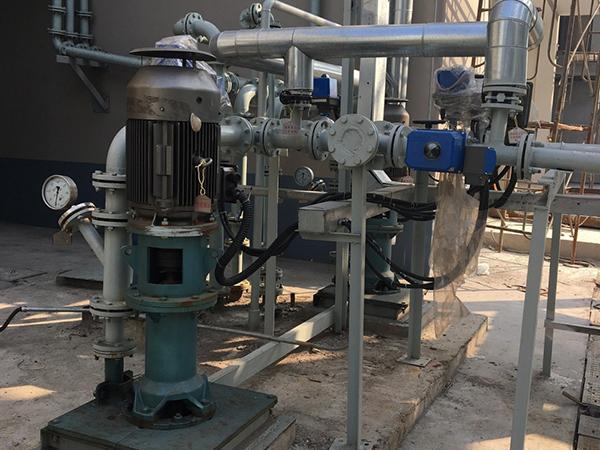
Performance & Engineering
Performance of interchangeable slurry pumps is heavily reliant on hydraulic design and the optimization of impeller geometry. The impeller's vane angle, width, and number significantly impact pump head, flow rate, and efficiency. Force analysis considers both static and dynamic loads, including slurry weight, hydrodynamic forces, and external piping stresses. Finite Element Analysis (FEA) is employed to validate casing and impeller designs, ensuring structural integrity under peak operating conditions. Environmental resistance is crucial; pumps handling corrosive slurries require materials resistant to chemical attack. Stainless steel alloys are selected based on slurry pH and chemical composition, with consideration given to pitting corrosion and crevice corrosion. Compliance requirements vary by region and industry, including adherence to API 610 standards for centrifugal pumps and relevant safety certifications (e.g., ATEX for potentially explosive atmospheres). Functional implementation involves careful selection of pump size and internal components based on slurry characteristics (solids concentration, particle size distribution, slurry density), desired flow rate, and discharge head. Proper pump alignment with piping systems is essential to minimize vibration and bearing wear. Variable Frequency Drives (VFDs) are frequently integrated to allow for precise flow control and energy optimization. The selection of shaft seals (mechanical seals or packing) depends on slurry abrasiveness and the need to prevent leakage.
Technical Specifications
| Parameter | Unit | Typical Range (Centrifugal Type) | Typical Range (Positive Displacement Type) |
|---|---|---|---|
| Flow Rate | m³/h | 10 - 1500 | 5 - 500 |
| Discharge Head | m | 10 - 100 | 20 - 200 |
| Solids Handling Capacity | % by Weight | Up to 70 | Up to 80 |
| Slurry Specific Gravity | - | 1.0 - 2.0 | 1.0 - 3.0 |
| Operating Temperature | °C | -40 to 150 | -30 to 200 |
| Pump Casing Material | - | High Chrome Iron, Stainless Steel | Stainless Steel, Alloy Steel |
Failure Mode & Maintenance
Common failure modes in interchangeable slurry pumps include impeller wear (erosion and abrasion), liner wear, shaft seal failure, bearing failure, and casing cracking. Impeller wear is accelerated by high solids concentrations, large particle sizes, and high slurry velocities. Fatigue cracking can occur in the pump casing due to cyclic loading and stress corrosion cracking in corrosive environments. Delamination of rubber linings can result from improper bonding or exposure to incompatible chemicals. Oxidation of metal components occurs with exposure to oxygen-rich environments, particularly at elevated temperatures. Preventative maintenance is crucial. This includes regular inspection of impeller and liner wear, lubrication of bearings, monitoring of seal performance, and vibration analysis to detect potential bearing or impeller imbalance. Impeller and liner replacement should be performed proactively based on wear measurements, rather than waiting for catastrophic failure. Shaft seals should be replaced periodically to prevent leakage. Casing cracks require weld repair or replacement. Proper filtration of the slurry to remove large particles can significantly extend component life. Regular monitoring of pump performance (flow rate, head, power consumption) can indicate early signs of degradation. Use of appropriate slurry monitoring instrumentation to measure solids concentration, particle size, and slurry viscosity aids in proactive maintenance planning.
Industry FAQ
Q: What is the primary advantage of using interchangeable slurry pump components compared to a complete pump replacement when process conditions change?
A: The primary advantage is significant cost savings and reduced downtime. Replacing wear parts like impellers and liners is considerably less expensive and faster than replacing the entire pump. This allows for quick adaptation to varying slurry characteristics without lengthy interruptions to the process. Furthermore, it minimizes capital expenditure and inventory requirements.
Q: How do different impeller materials (e.g., high-chrome iron vs. stainless steel) affect the pump's performance in different slurry types?
A: High-chrome iron impellers excel in abrasive slurries due to their exceptional hardness and wear resistance, but are susceptible to corrosion. Stainless steel impellers offer superior corrosion resistance, making them ideal for corrosive slurries, but generally exhibit lower wear resistance in highly abrasive environments. The selection depends on the dominant degradation mechanism.
Q: What are the critical considerations when selecting a shaft seal for a slurry pump, and what are the trade-offs between mechanical seals and packing?
A: Critical considerations include slurry abrasiveness, pressure, temperature, and the presence of corrosive chemicals. Mechanical seals offer a tighter seal and reduced leakage, but are more sensitive to abrasive particles. Packing is more tolerant of abrasives, but requires more frequent adjustment and typically results in some leakage. The selection depends on balancing sealing performance with durability and maintenance requirements.
Q: How can Finite Element Analysis (FEA) be utilized to improve the design and reliability of slurry pump casings?
A: FEA allows engineers to simulate stress distribution within the casing under various operating conditions, identifying potential areas of weakness or high stress concentration. This enables optimization of casing geometry to enhance structural integrity, prevent cracking, and improve resistance to fatigue failure. It can also be used to evaluate the impact of different materials and welding procedures.
Q: What are the typical wear rate monitoring techniques for interchangeable slurry pump components, and how frequently should these inspections be performed?
A: Typical wear rate monitoring techniques include visual inspection, dimensional measurements using calipers or micrometers, and weight loss measurements. Non-destructive testing (NDT) methods like ultrasonic thickness gauging can also be employed. Inspection frequency depends on the severity of the application, but generally, monthly or quarterly inspections are recommended for critical components, with more frequent checks for highly abrasive slurries.
Conclusion
Interchangeable slurry pumps represent a significant advancement in fluid handling technology, addressing the critical need for adaptability, reliability, and cost-effectiveness in demanding industrial applications. Their modular design allows for optimized performance across a wide range of slurry characteristics, minimizing downtime and extending component lifespan. The careful selection of materials, coupled with rigorous manufacturing processes and proactive maintenance strategies, is paramount to maximizing pump efficiency and preventing premature failure.
Looking forward, advancements in materials science – such as the development of novel ceramic composites and abrasion-resistant coatings – will further enhance the performance and durability of these pumps. Integration of smart sensors and predictive maintenance algorithms will enable real-time monitoring of pump condition and proactive identification of potential issues, leading to even greater operational efficiency and reduced lifecycle costs. The continued adoption of interchangeable slurry pump technology is crucial for industries striving to optimize their fluid handling processes and maintain a competitive edge.
-
Comprehensive Guide to Waterproof ORings for Optimal Sealing Solutions
News2026-06-09
-
best sewage ejector pump Performance Engineering
News2026-06-11
-
aerobic septic system pump Performance Analysis
News2026-06-11
-
Sumergible Pump Performance Analysis
News2026-06-11
-
ejector pump for basement Performance Engineering
News2026-06-11
-
sewer lift pump Performance Engineering
News2026-06-11
-
Septic Pump Replacement Performance Analysis
News2026-06-10
-
Septic Pump Price Performance Analysis
News2026-06-10
-
pumps for septic systems Material Science Manufacturing
News2026-06-10
-
ejector pumps for basement bathrooms Performance Analysis
News2026-06-10
-
Ejector Pump Cost Analysis
News2026-06-10
-
drainage pumps Performance and Engineering
News2026-06-09
-
basement bathroom ejector pump Material Science
News2026-06-09
-
Sewer Ejector Pump Cost Performance Analysis
News2026-06-09
-
Septic Tank Pump Replacement Performance Analysis
News2026-06-09




